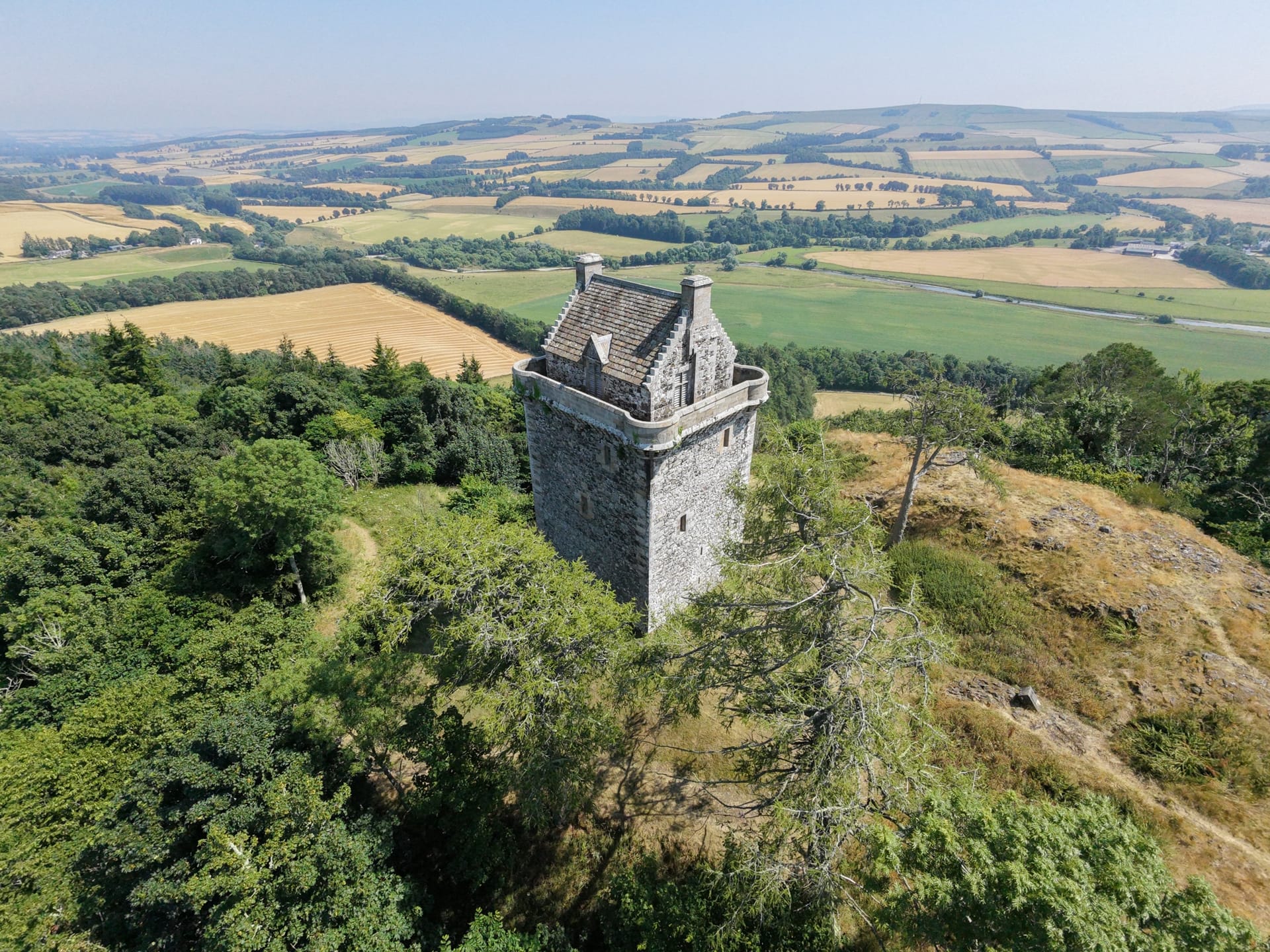
The wind at Minto Crags does not just move; it interrogates. Standing at the precipice, looking up at the silhouette of Fatlips Tower, the structure feels less like a historical monument and more like a stubborn, vertical defiance. It is a 16th-century pele tower, a piece of architectural armour once worn by the Turnbulls of Barnhill, but as I stood there recently, I fell into a brief, sharp conversation with a man I met on the path—a traveller from Hexham who listened intently as I articulated a theory that had been forming in my mind.
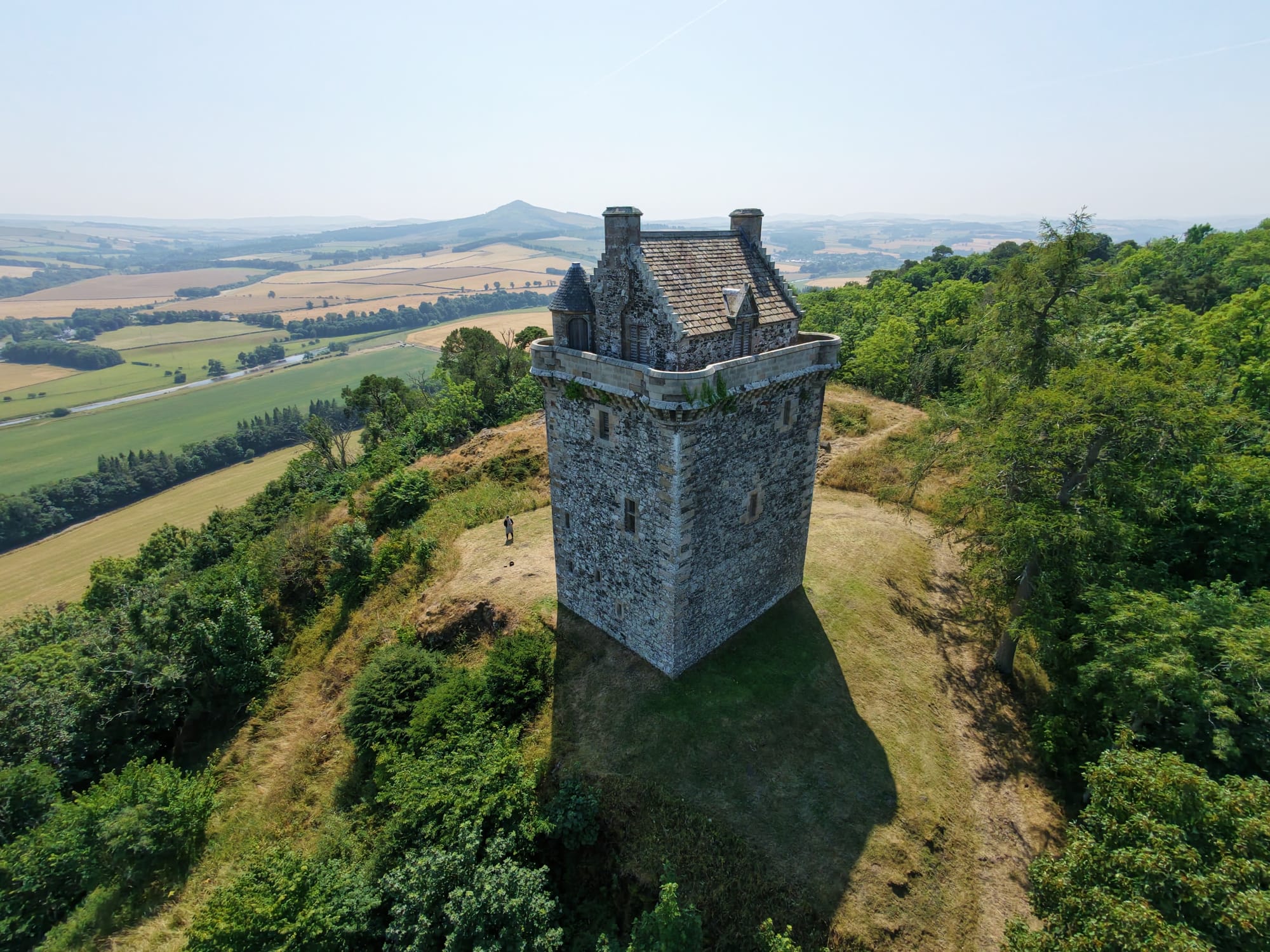
I had remarked to him that in England, such small castles are frequently raided for their stone, dismantled and repurposed into the mundane architecture of the farmstead—places like the vanished masonry of Bishop’s Castle or the scavenged ruins of Streatlam Castle bear quiet witness to this. In Scotland, the tower stands. I suggested to him that it isn't just a love for history that keeps these stones upright, but a lingering, spectral fear of the feudal system.
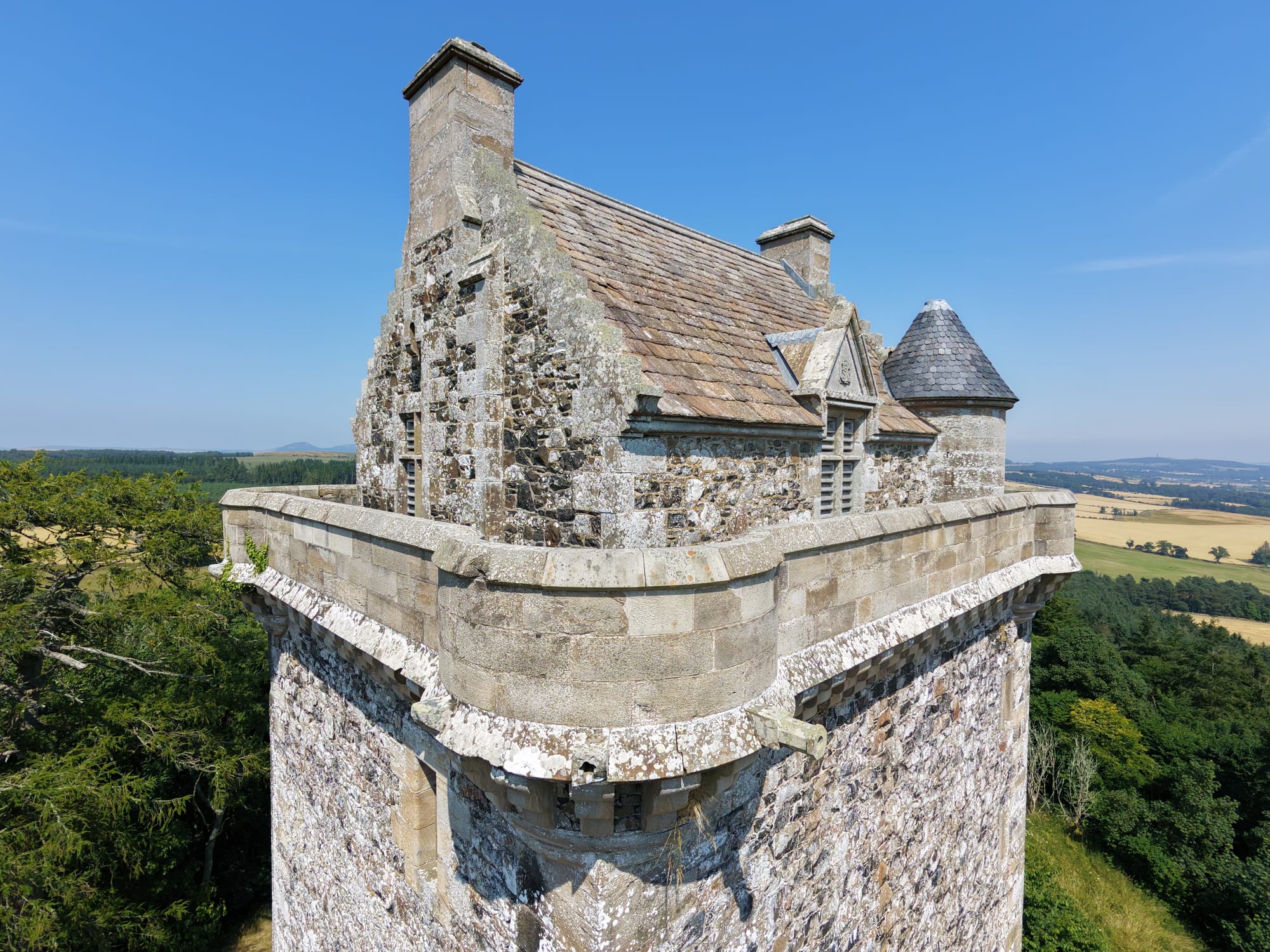
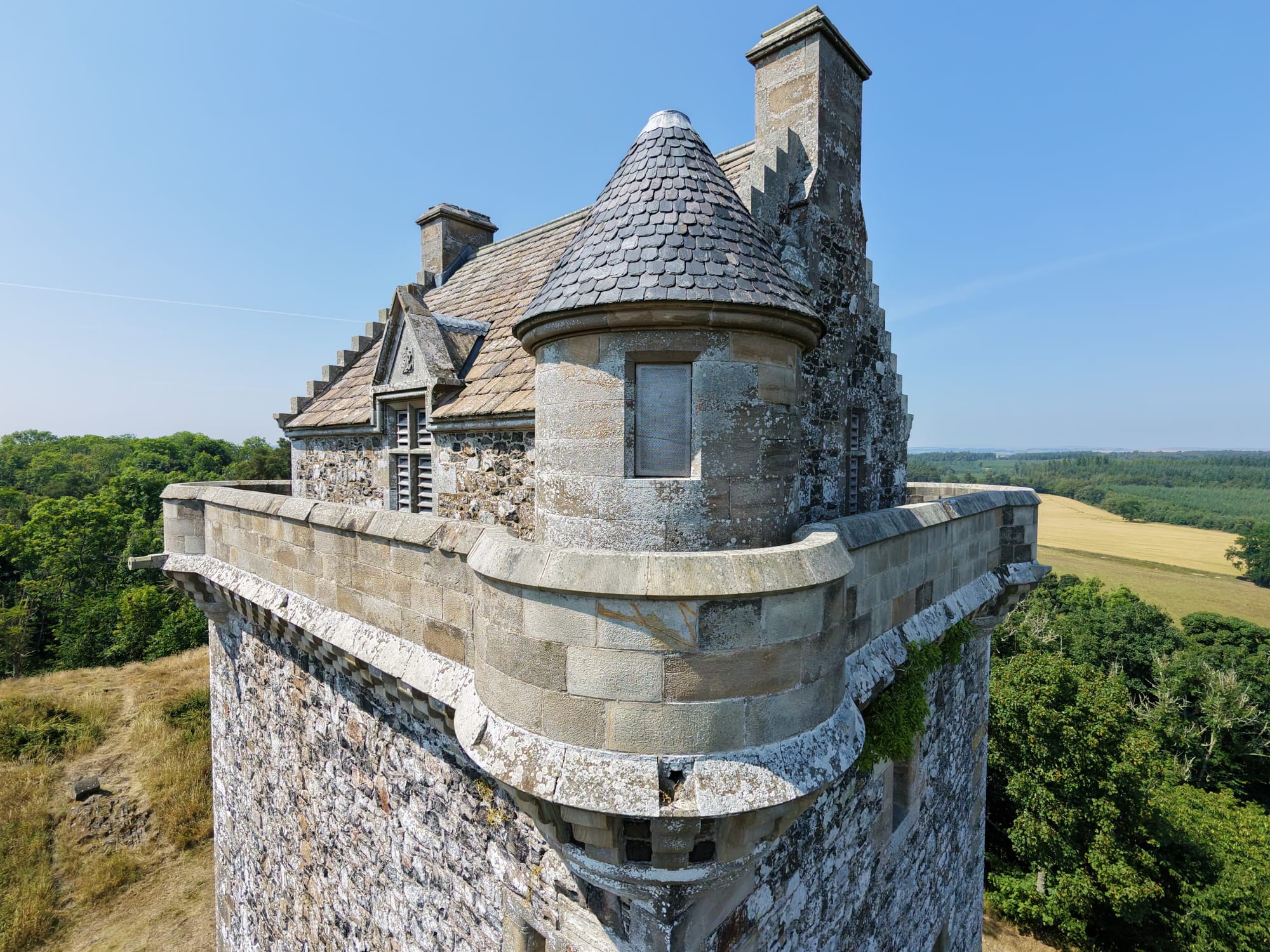
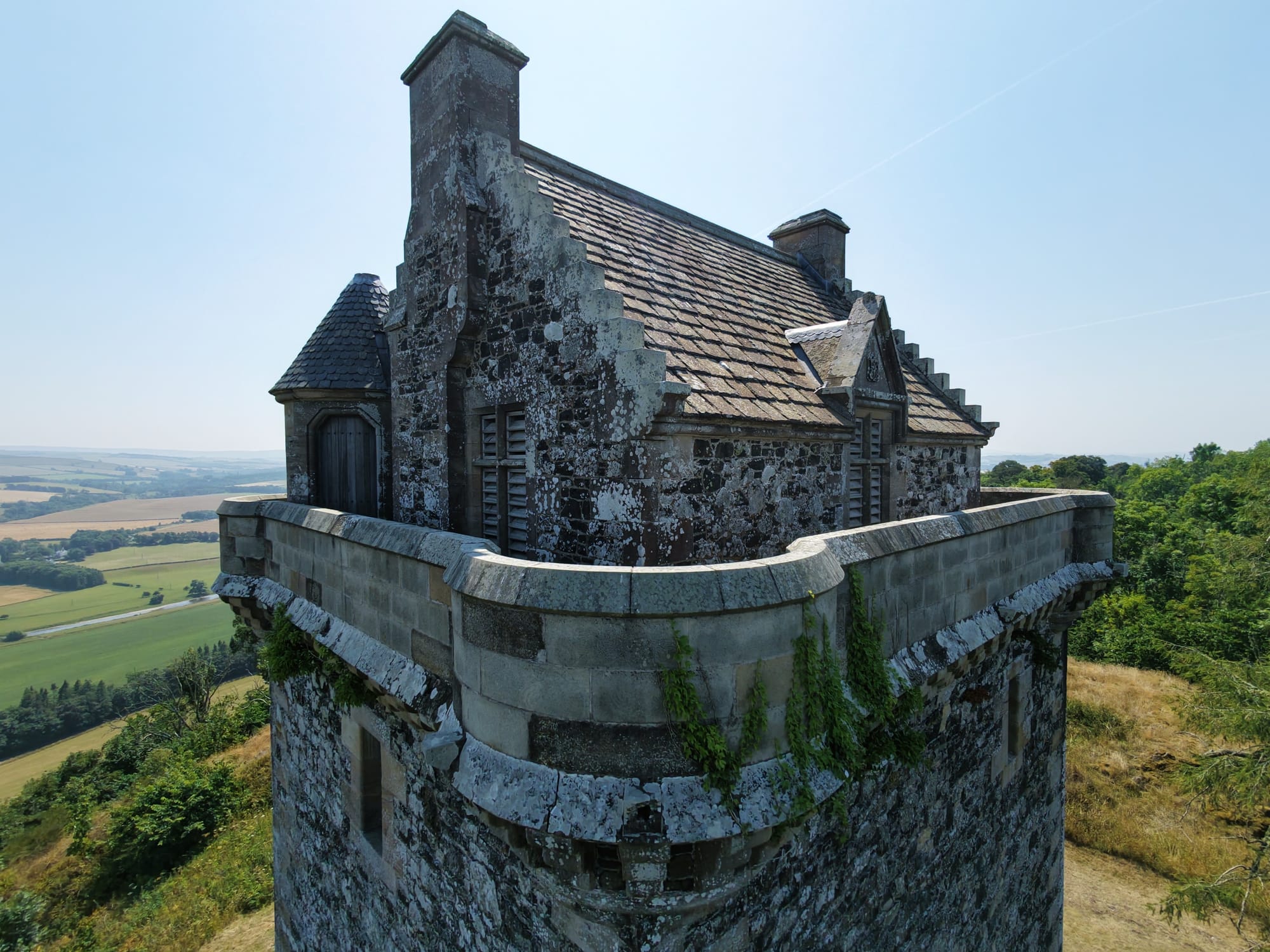
It was a fleeting exchange, yet it captured a fundamental sociological truth about the Borders. In the English experience, the move toward agrarian capitalism often erased the physical markers of the old hierarchy, converting them into the raw materials of the everyday. Here, the tower remains a silent, legal assertion of land and lineage. It serves as a reminder that the power dynamics of the past—the clan, the lordship, the property line—never fully dissolved into the landscape; they merely became part of the geology.
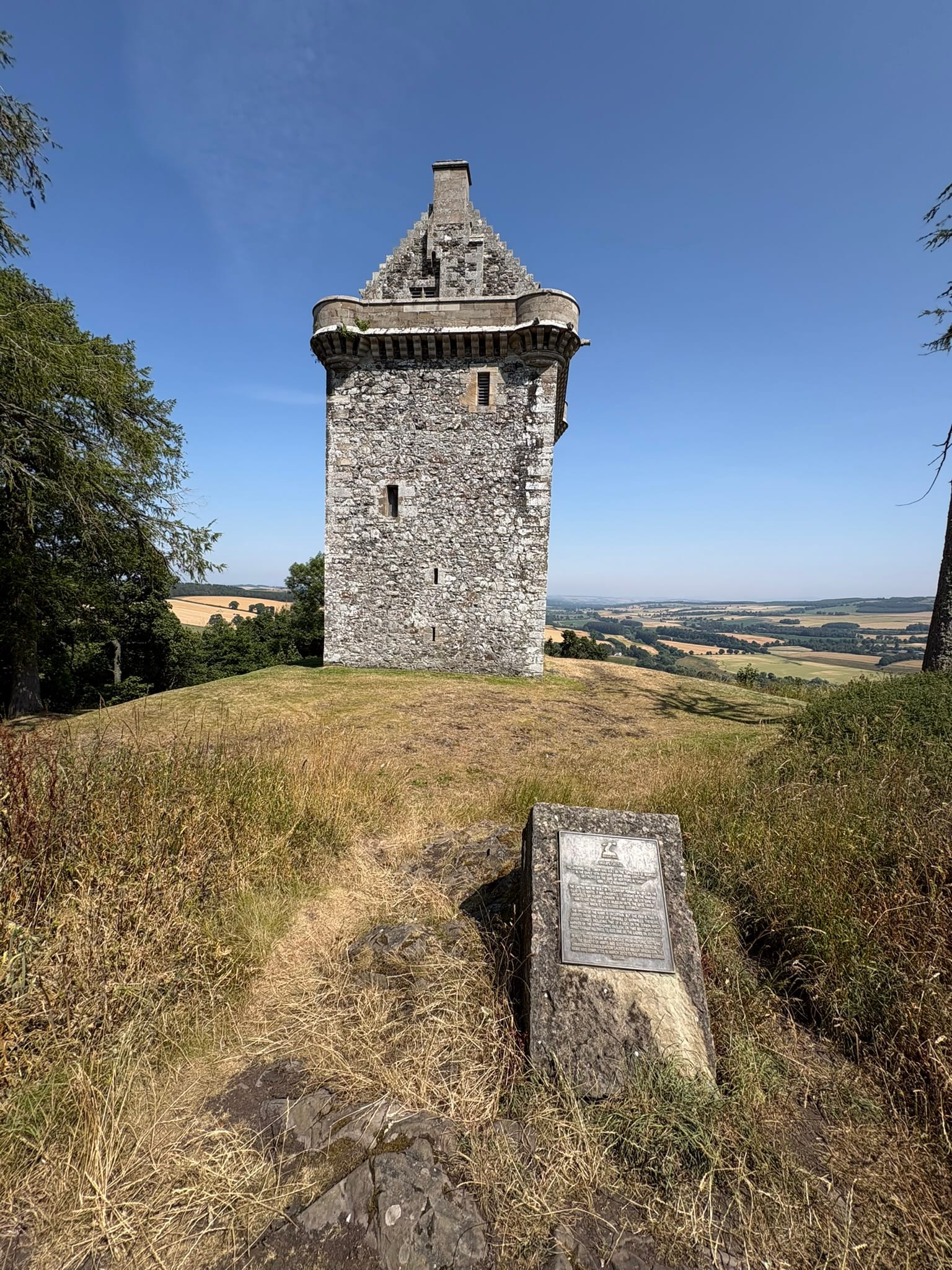
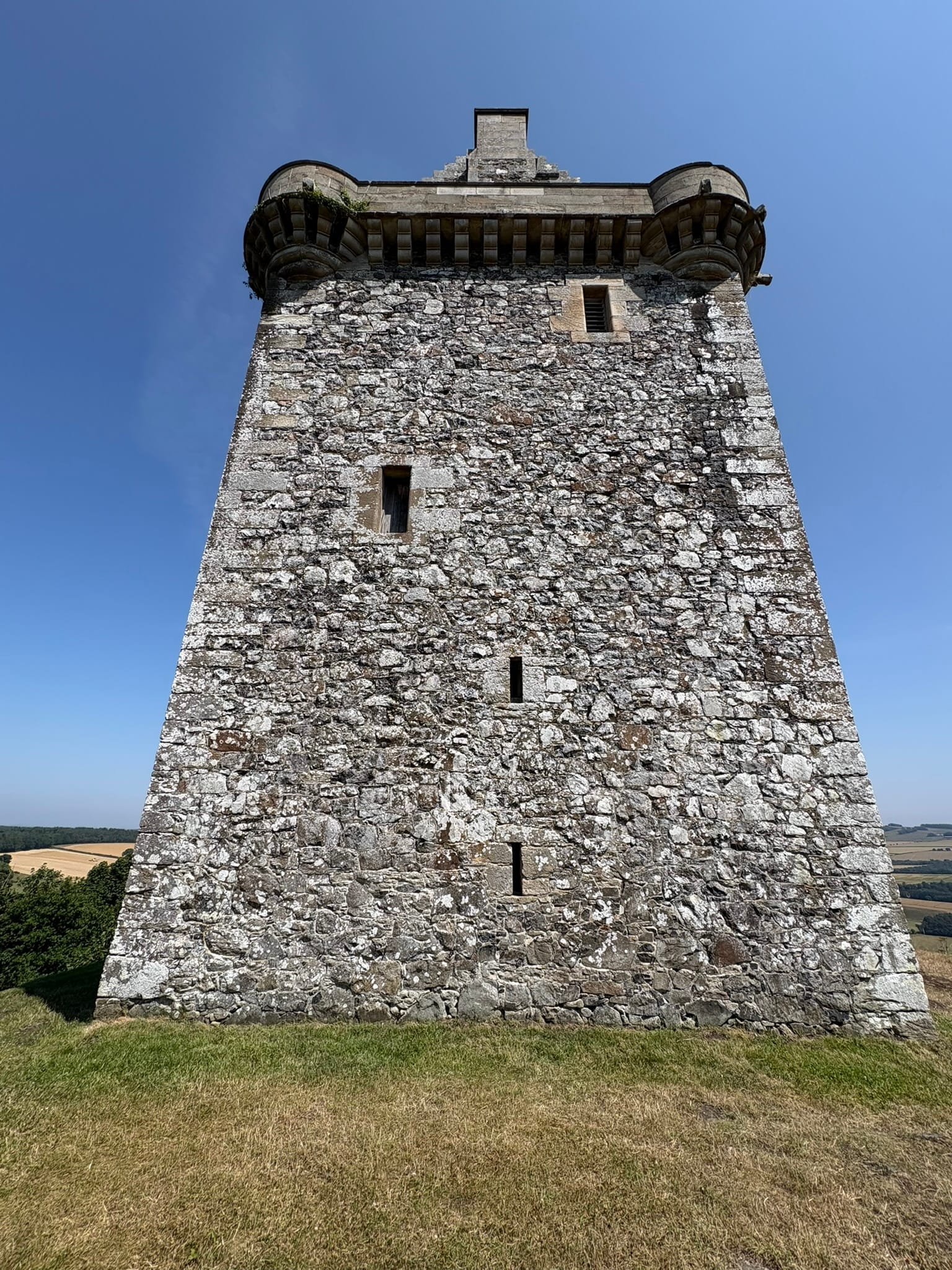
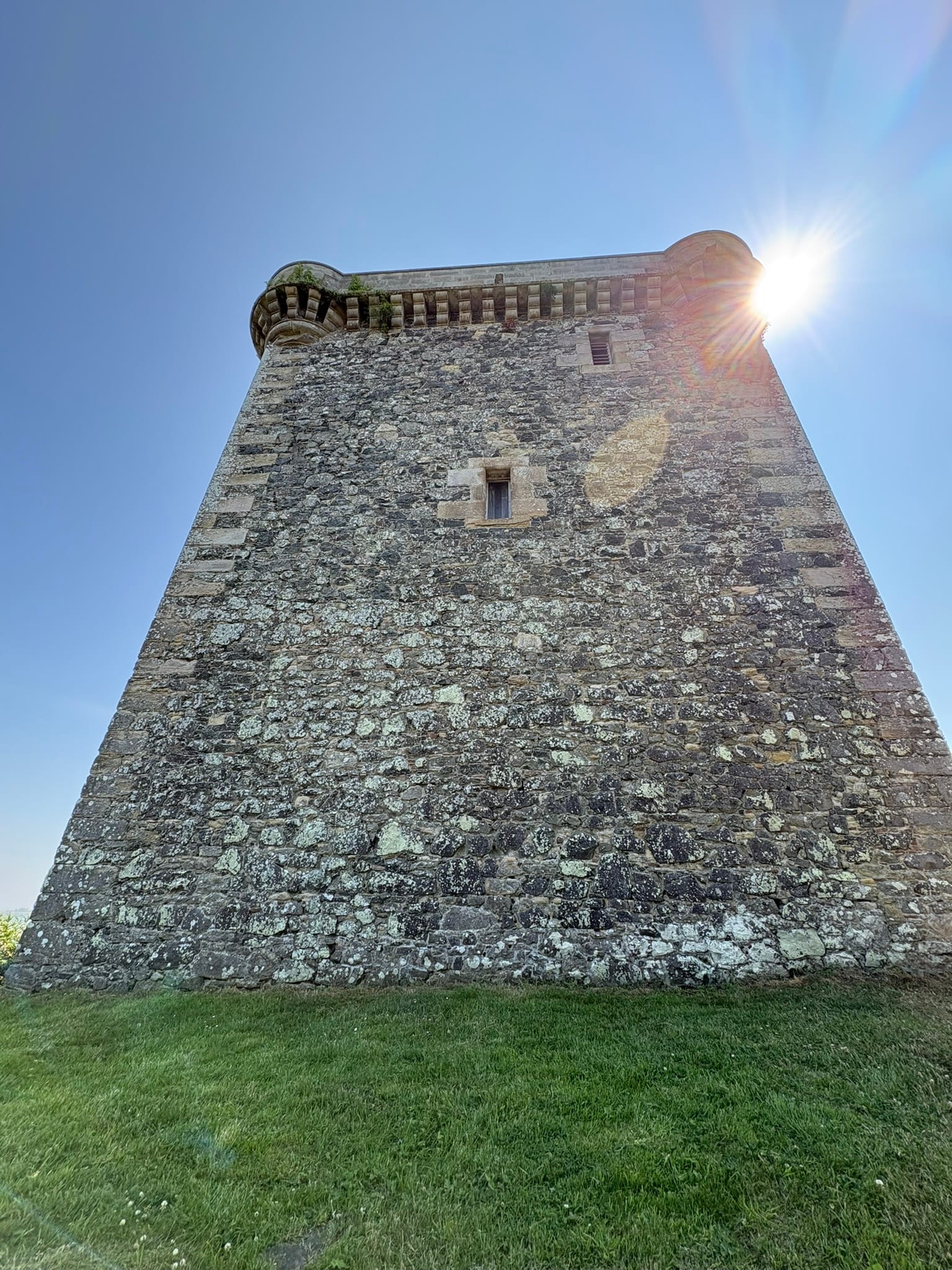
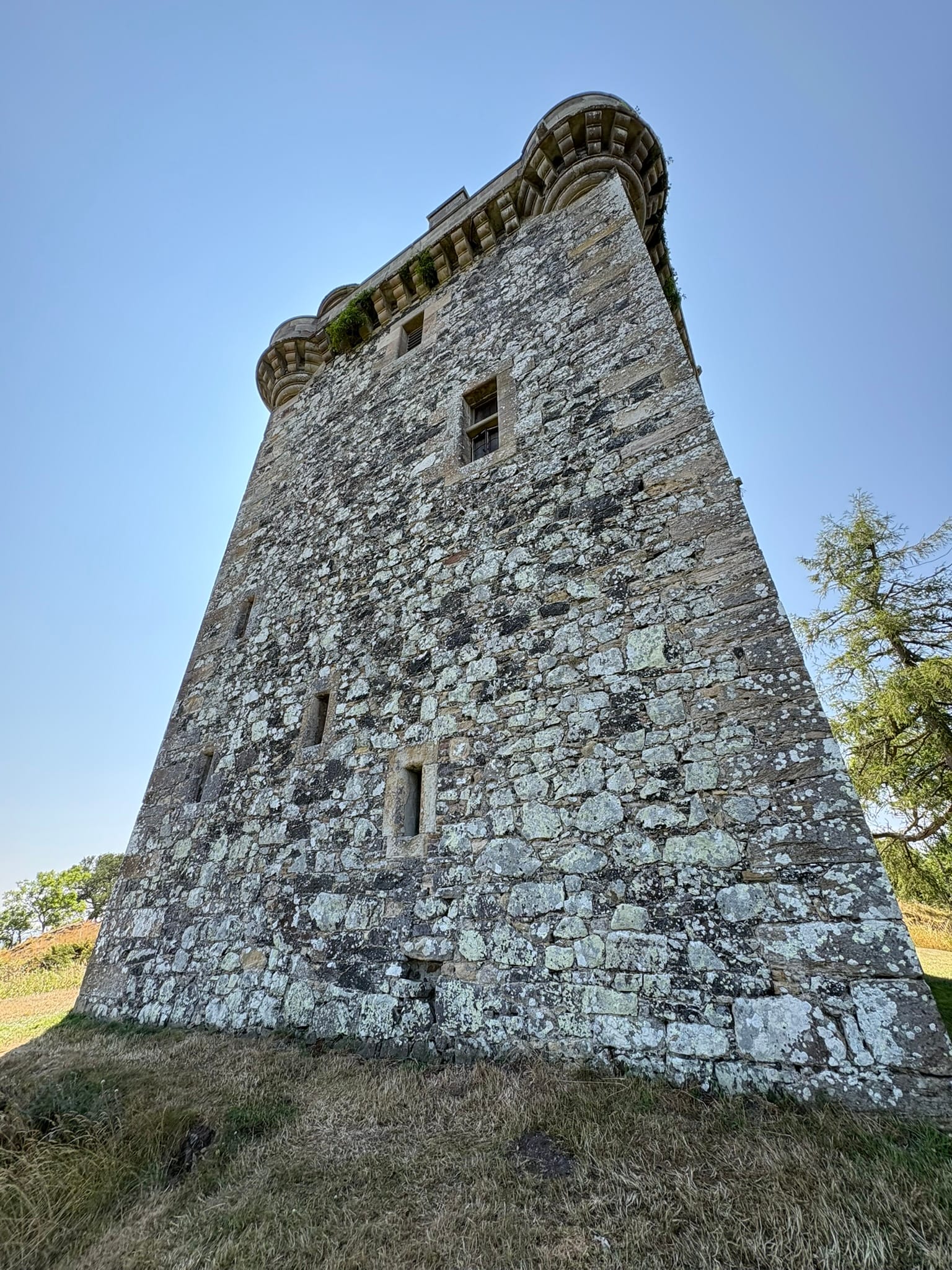
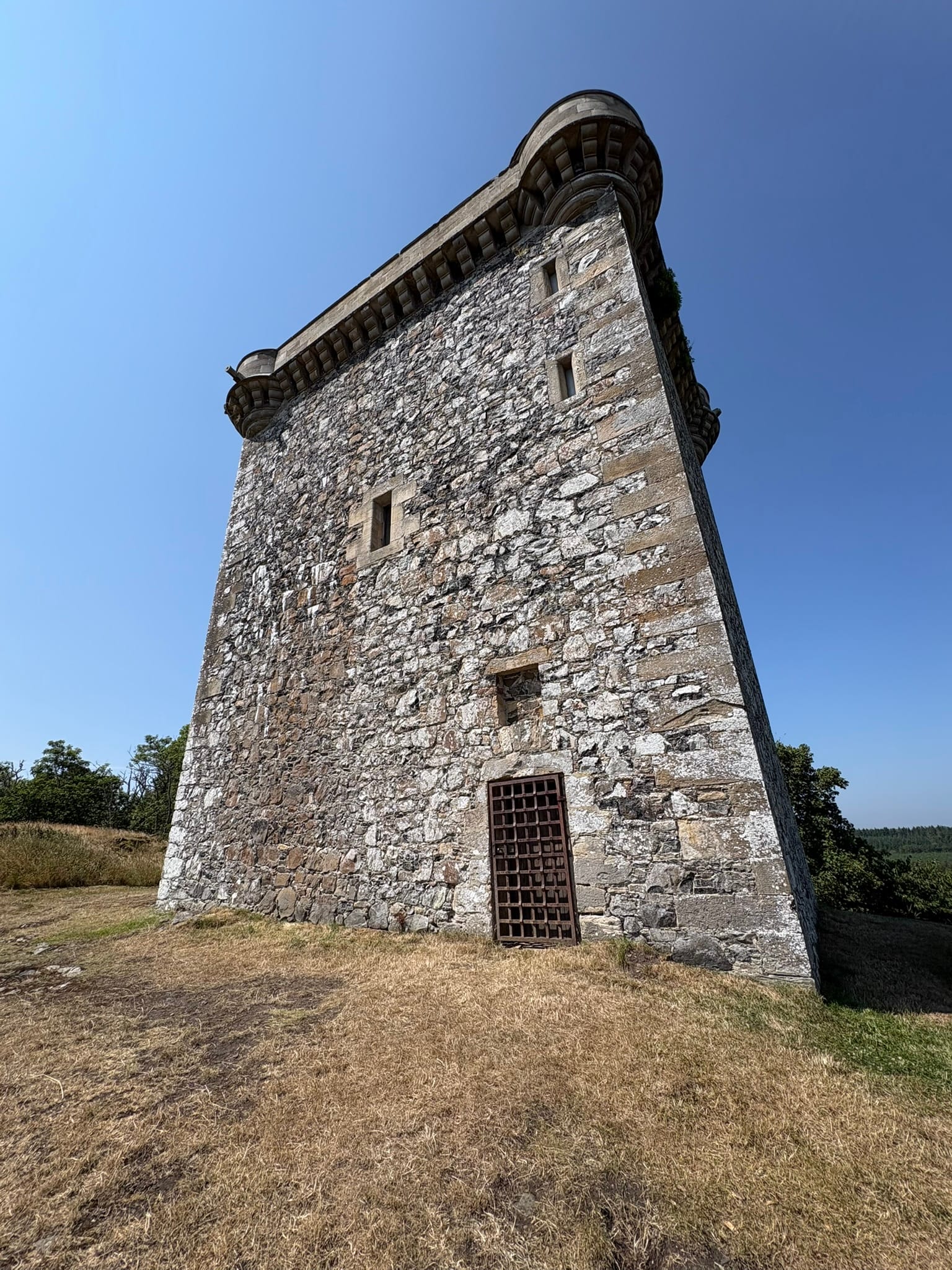
This brings us to a peculiar modern paradox. While the clan system persists in the Scottish landscape as a structural reality—a framework of landholding and social hierarchy that is "too close" for many to treat as purely aesthetic—it undergoes a curious transmutation when it crosses the Atlantic. In North America, the clan is often curated as a "heritage brand," a symbolic identity divorced from the crushing realities of its origin.
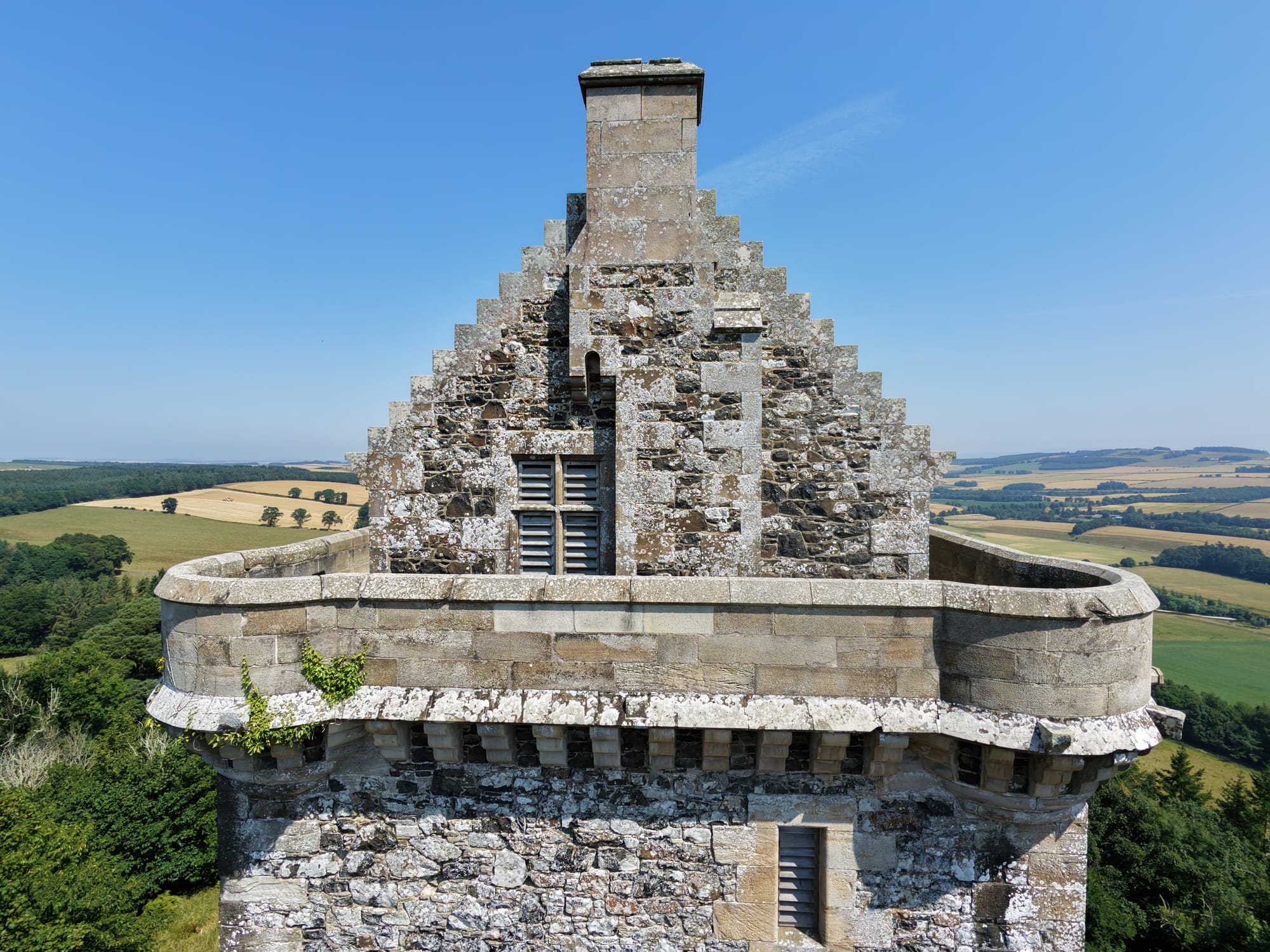
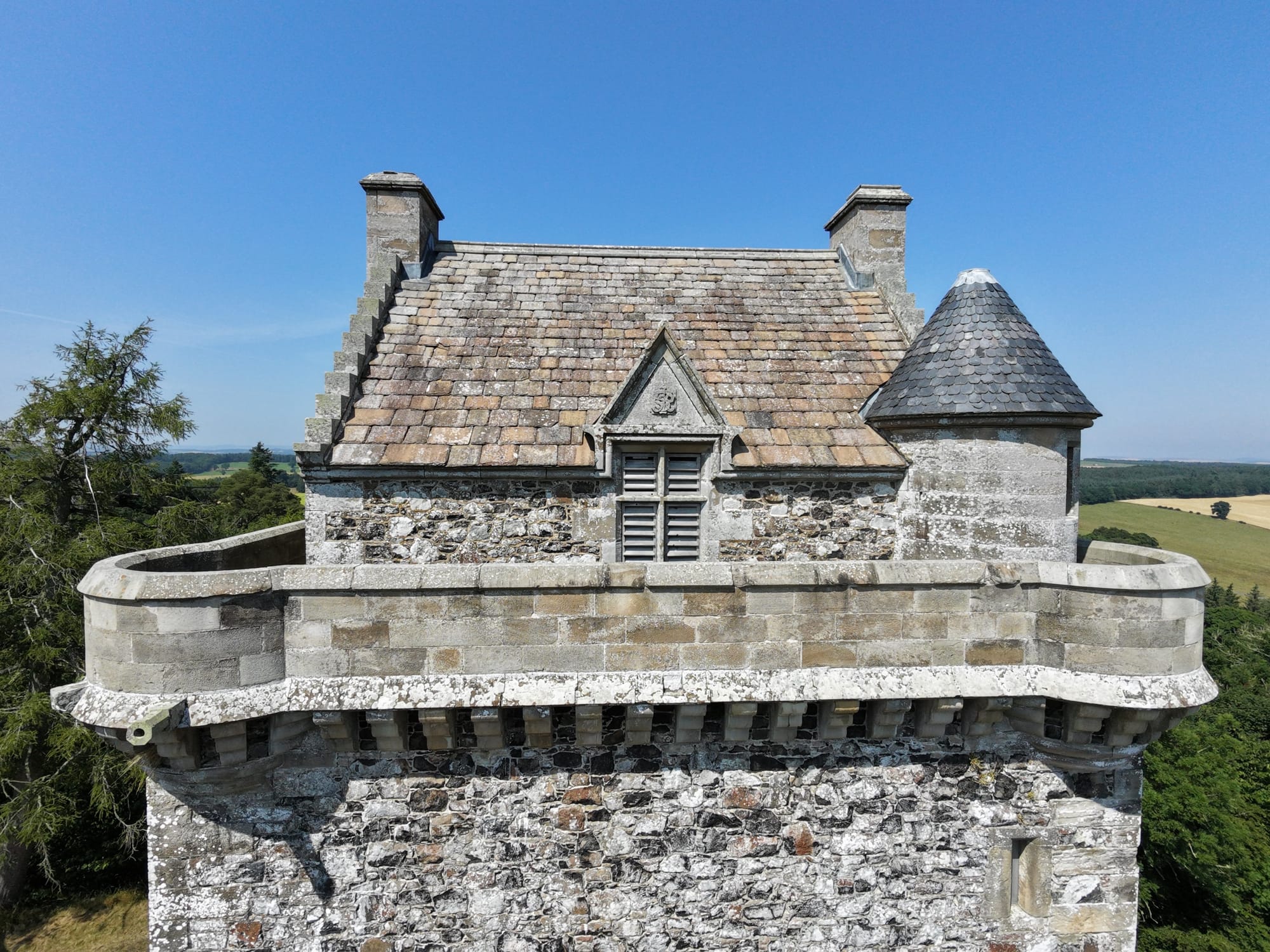
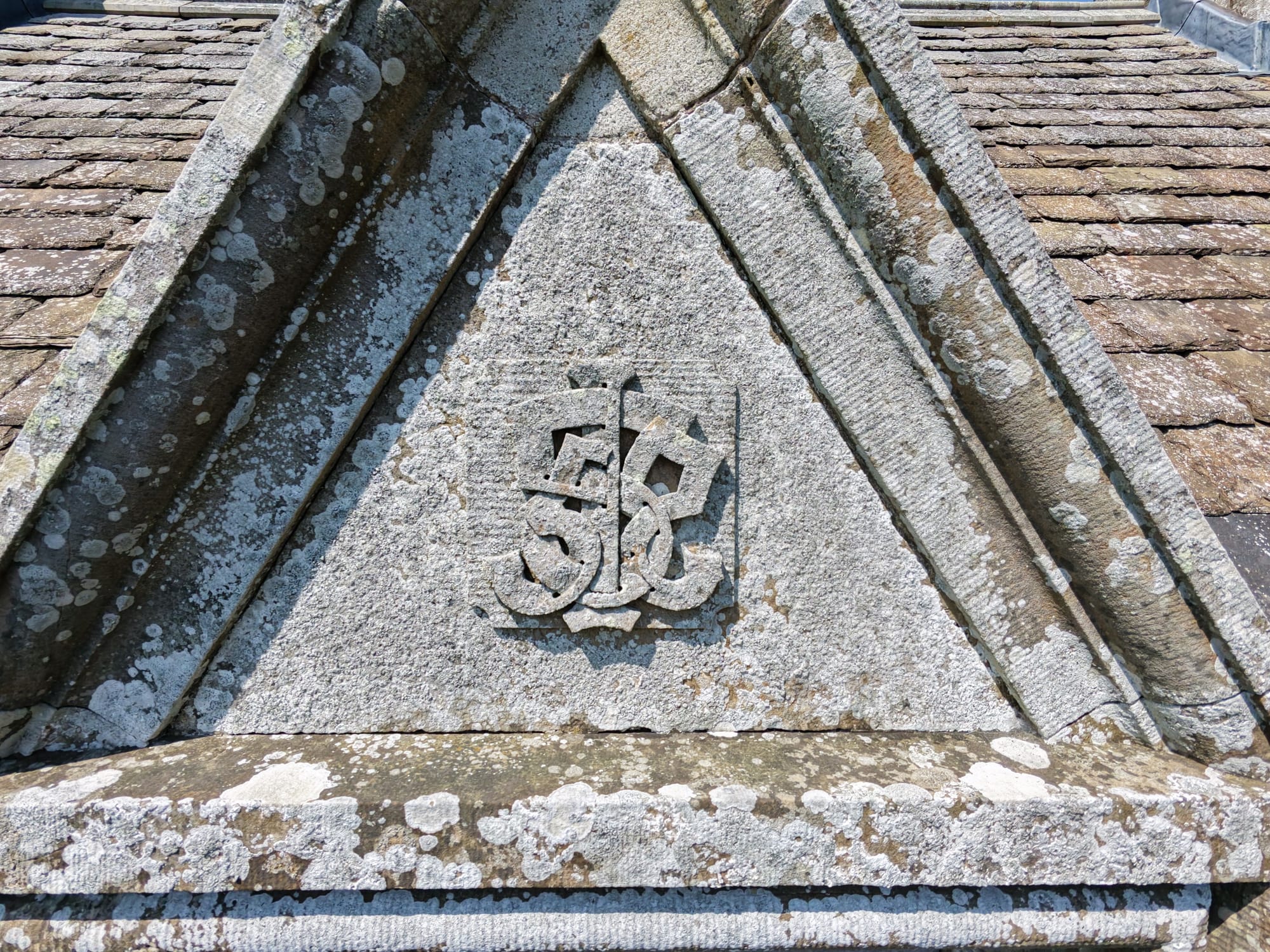
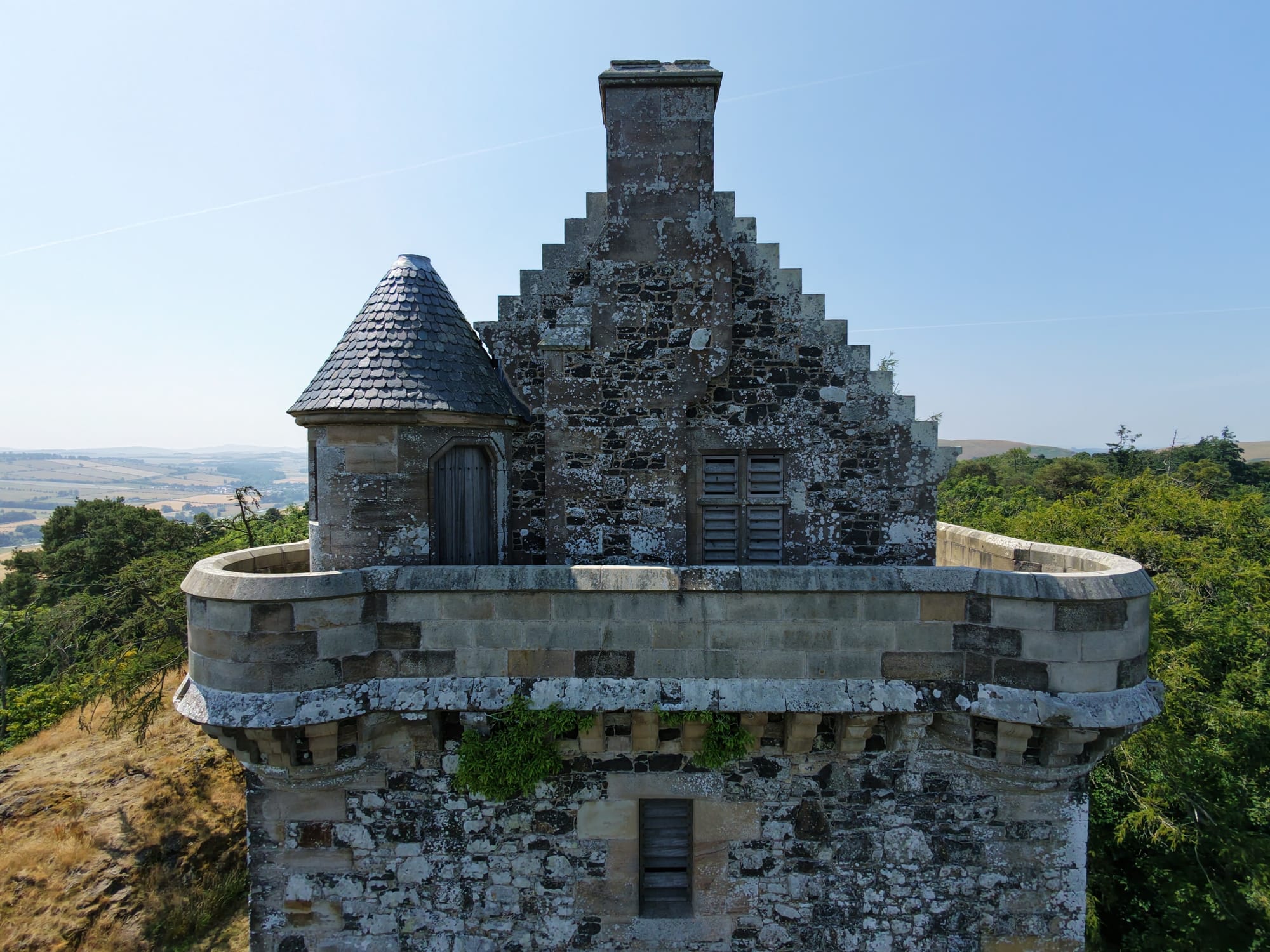
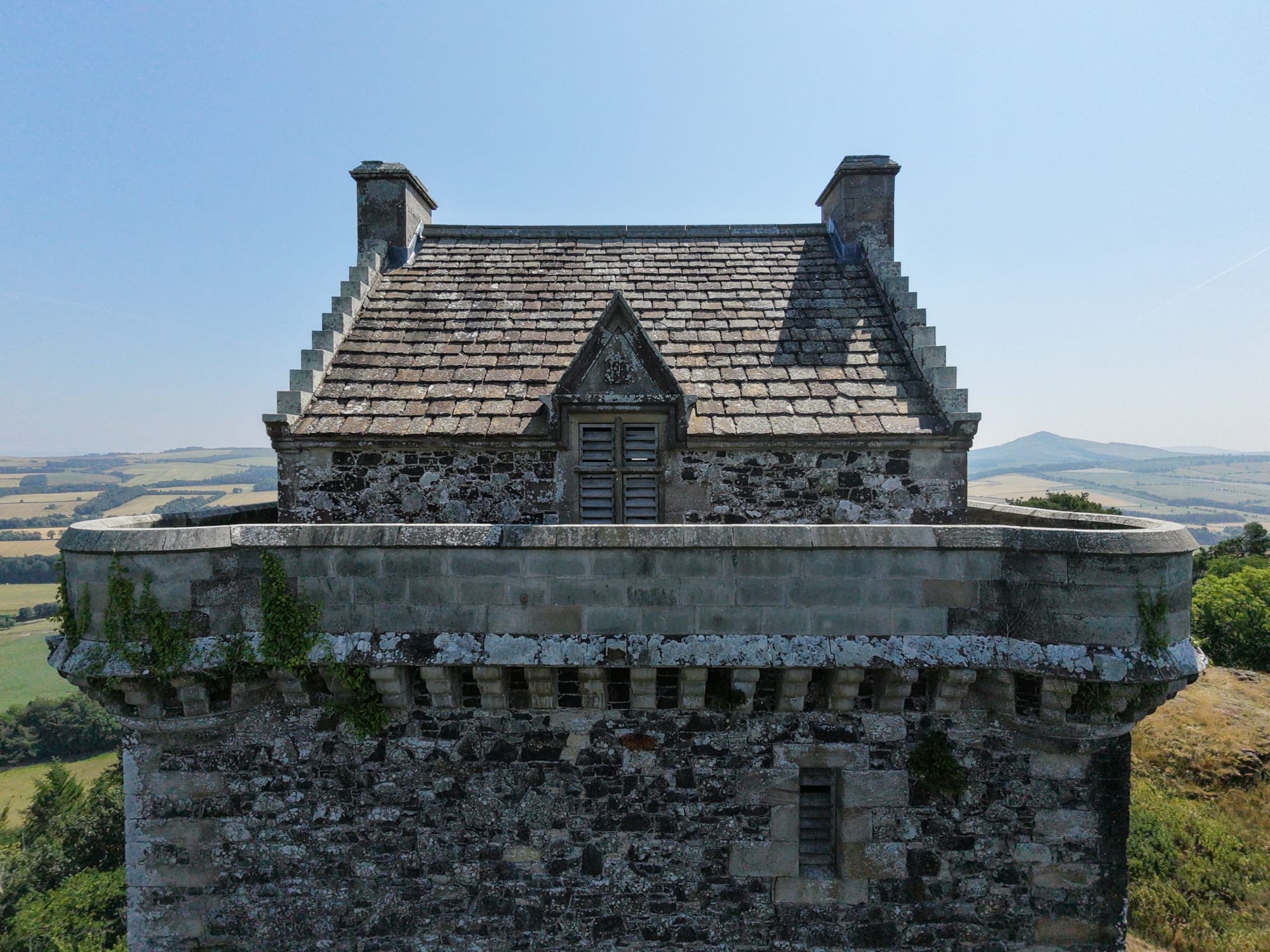
There is a dissonance here. The visitor who travels from the New World to stand at the base of Fatlips often sees a romanticised beacon of tribal nobility. They are searching for roots in a landscape that, for the local, is defined by the uncomfortable, lingering reality of the feudal. The outsider sees the "heroic ancestor"; the local—and the observant neighbour from Hexham—senses the enduring weight of the landlord and the persistent, un-exorcised shadow of the past.
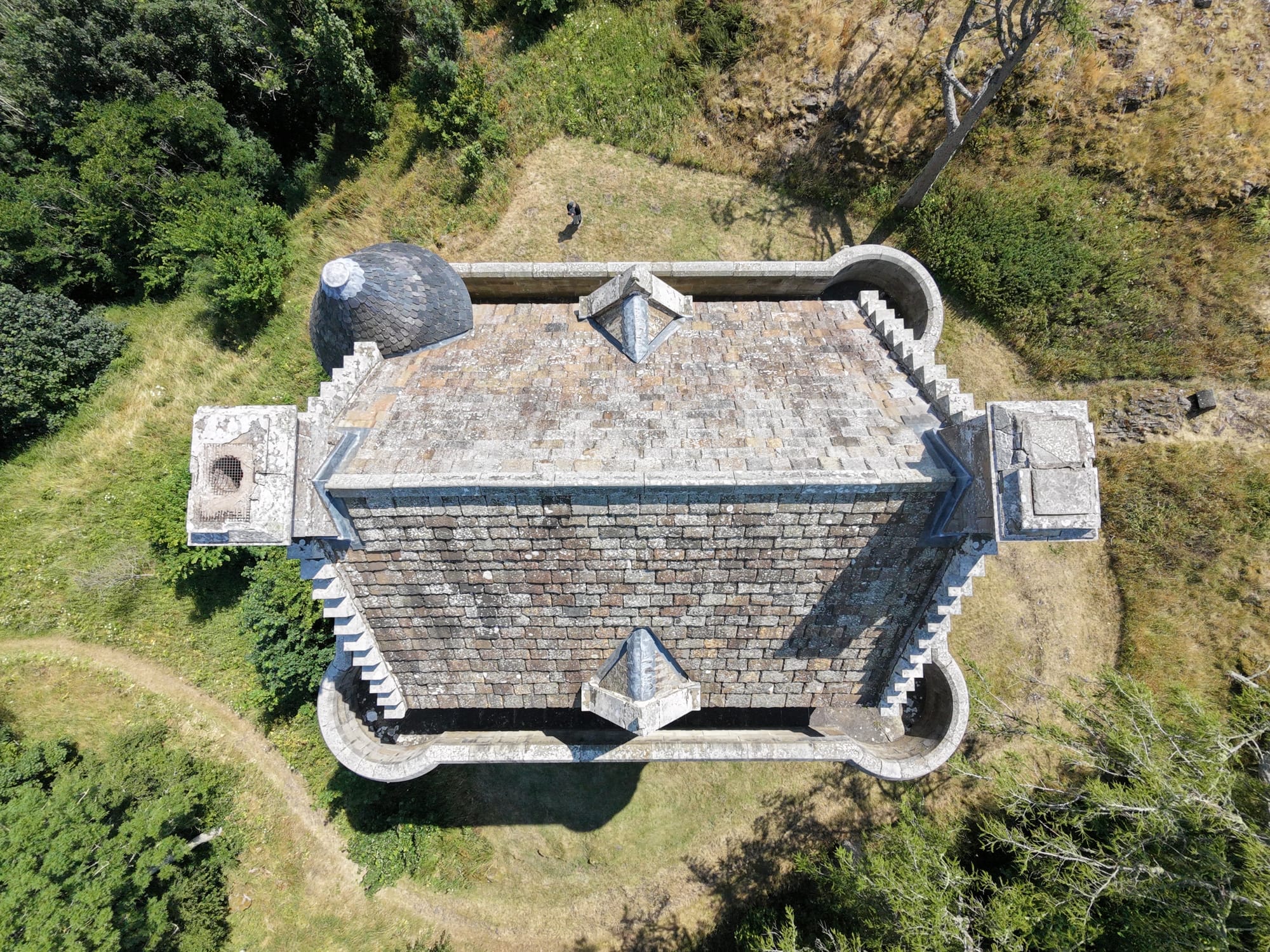
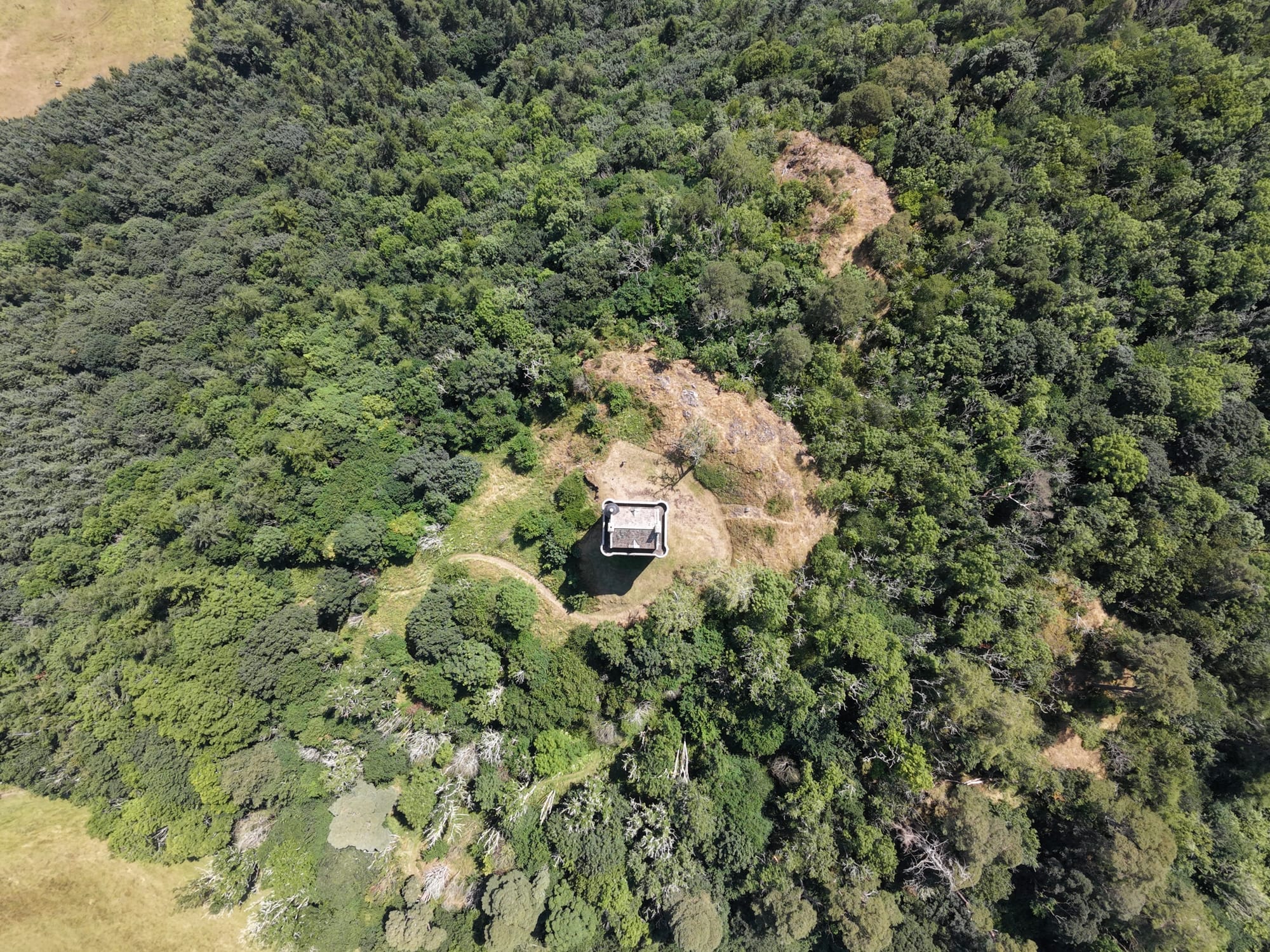
Fatlips Tower is not merely a ruin to be admired; it is a repository of these competing memories. The 2013 restoration of the tower wasn’t just a construction project—it was an act of claiming space. It asks us to consider why we feel a social compulsion to fix the broken stones of our history.
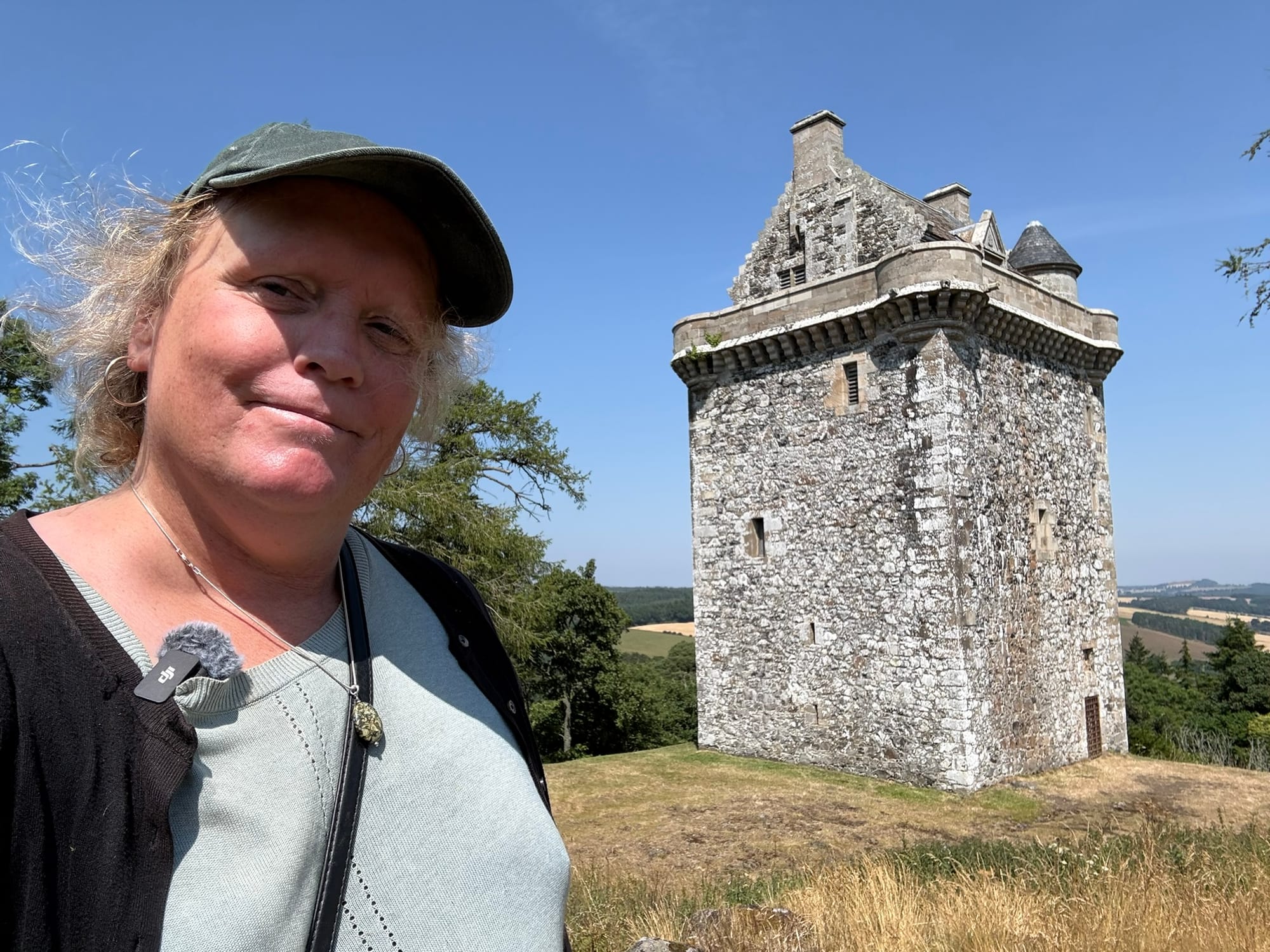
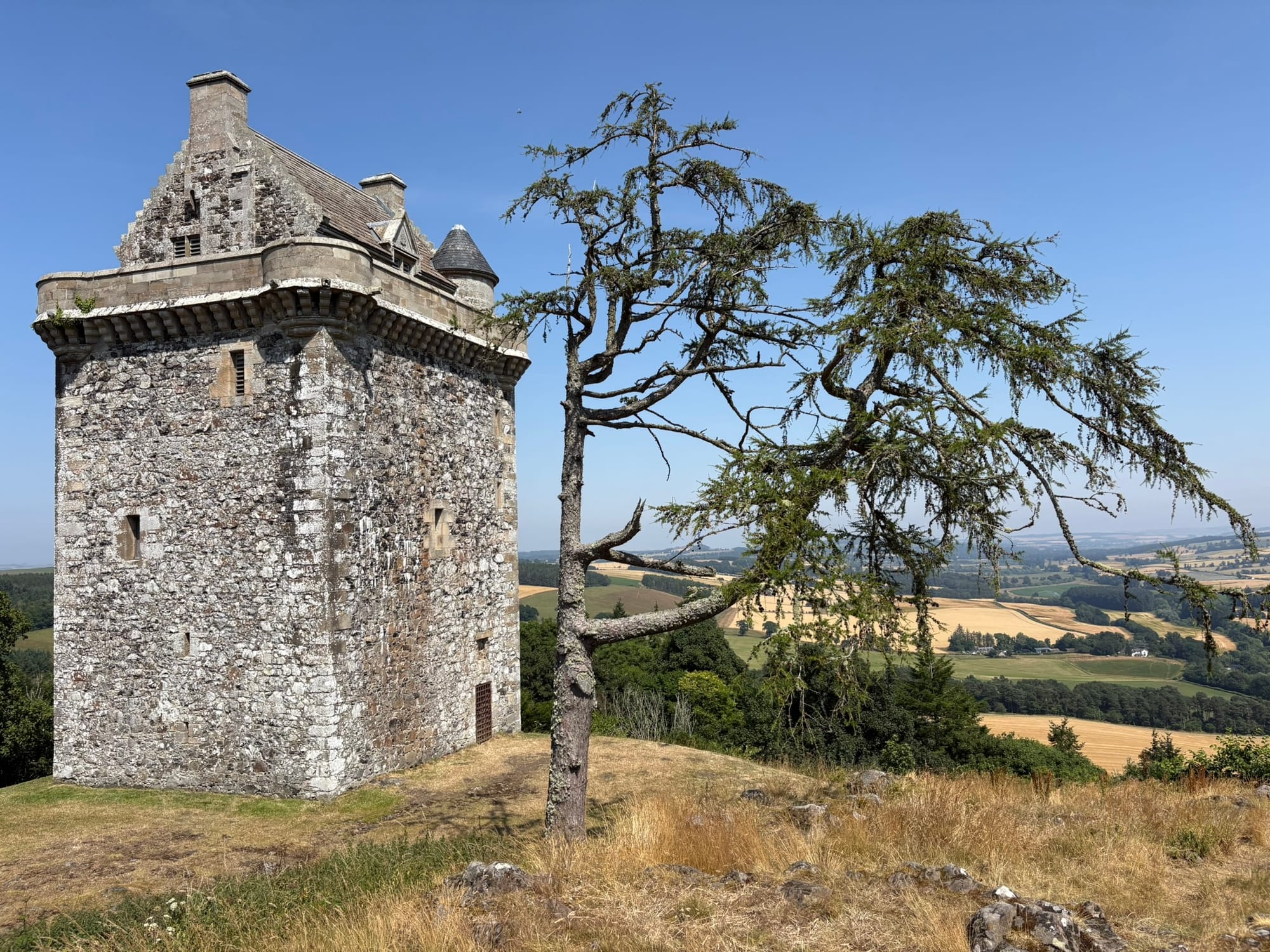
Perhaps we preserve these towers not because they are "beautiful," but because they are proof that the hierarchies of our past are still sitting on the hill, watching us. We haven't quite managed to turn them into stone walls for the sheep, nor have we fully moved past the structural ghosts they represent. We simply let them stand, a vertical reminder that in the Borders, history is not something that happens—it is something that persists.