The journey of this batch truly began on the road back from Ancrum to Woodburn. As Charlie arrived to pick me up, the unpredictable Border weather cleared just enough to leave a massive rainbow arching across the sky right behind him.
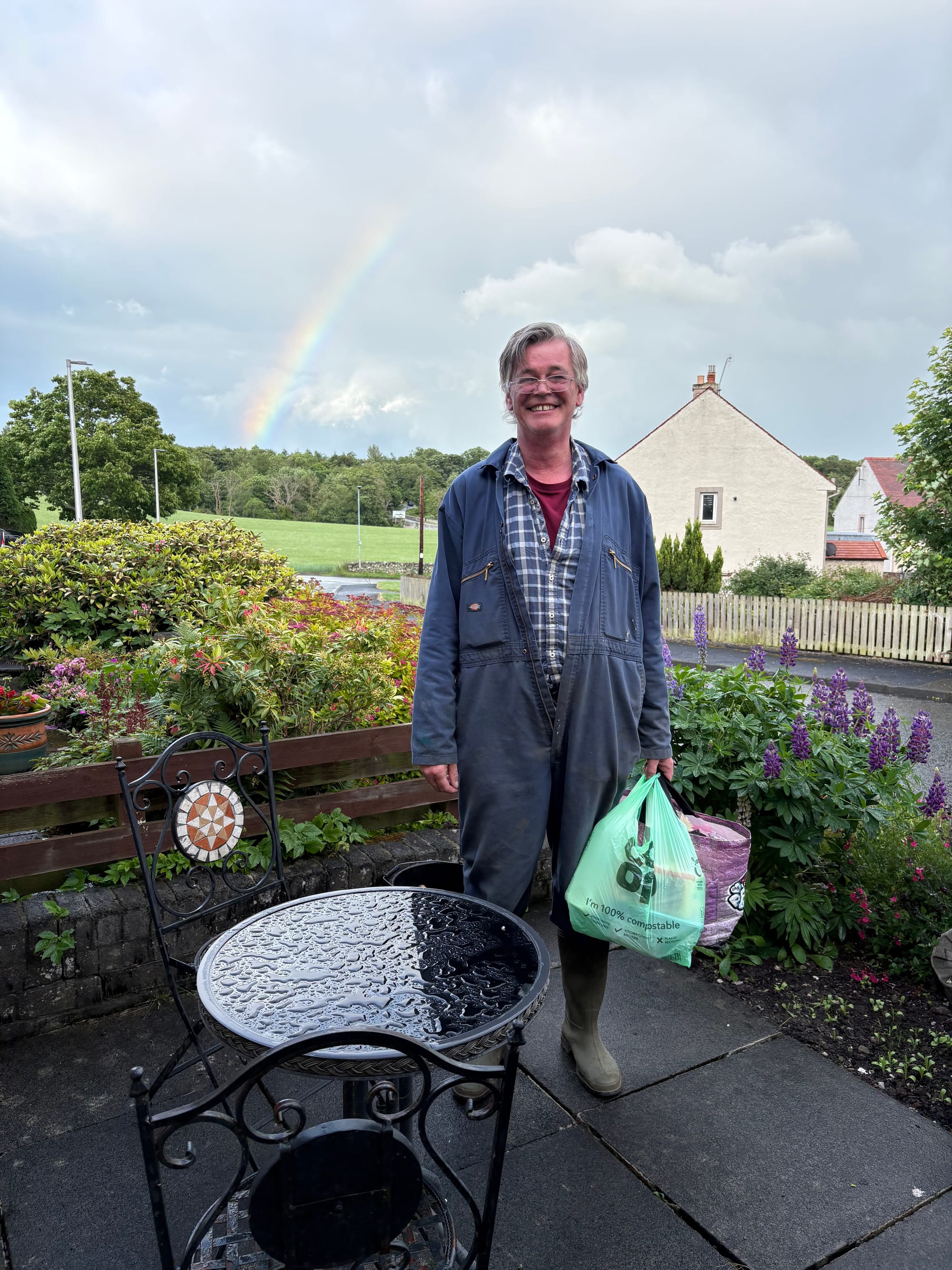
He stands in the garden amidst the rain-slicked stone and blooming purple lupins—a cinematic, rain-washed send-off for an afternoon defined by the land. We arrived home with the day's harvest, set to work, and by evening the kitchen had completely transformed.
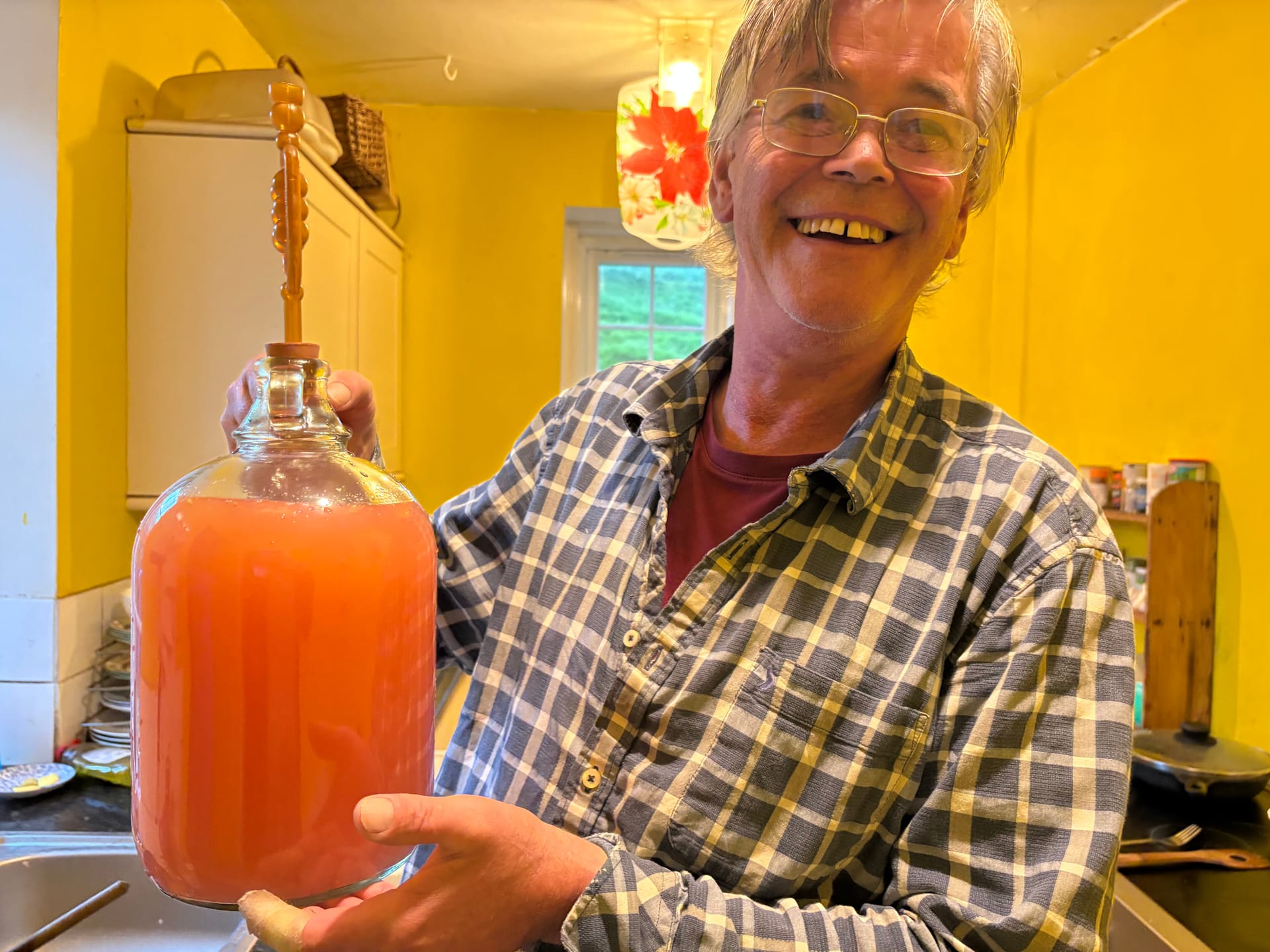
There is a distinct, rhythmic popping coming from the corner of the room now. Less than twenty-four hours ago, the rhubarb was still growing in the soil, its heavy green leaves catching the light. Now, strained into glass demijohns with nothing but sugar, water, and yeast, it has turned into a living, breathing thing. It is fizzing with an urgency that catches you by surprise, a sudden burst of biological momentum.
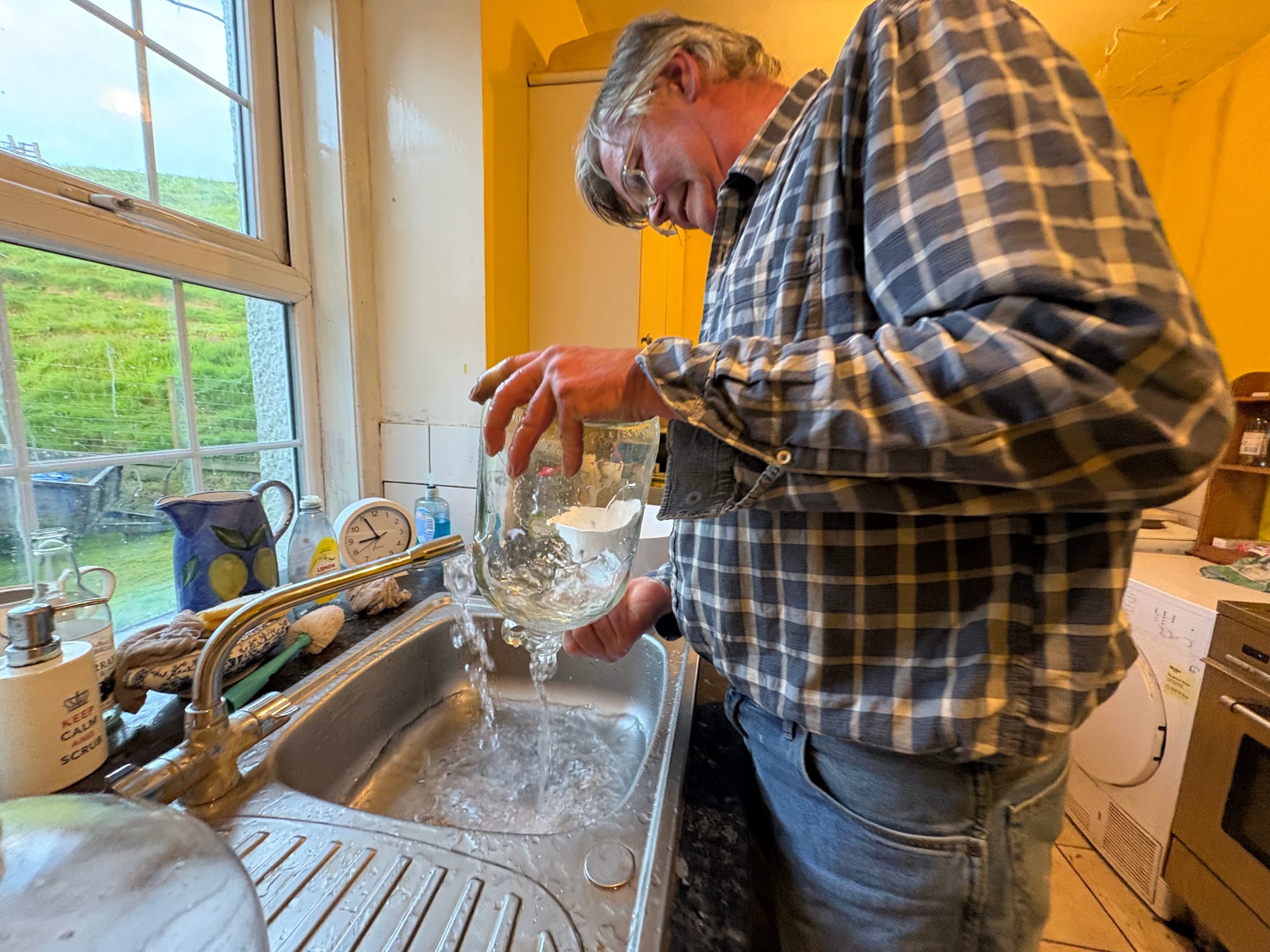
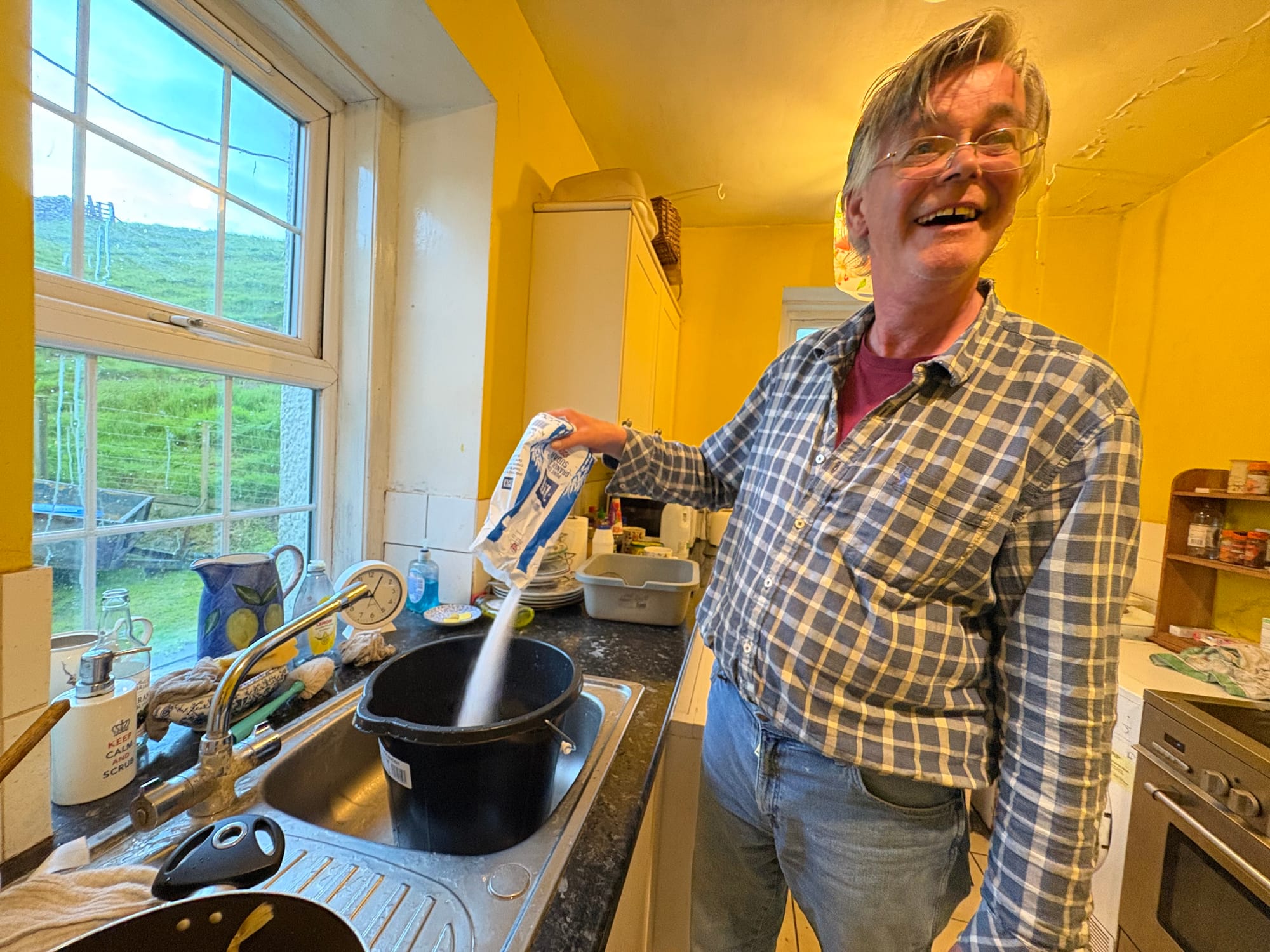
In modern homebrewing circles, the advice is often fraught with a sort of laboratory anxiety—endless chemical rinses and sterile calculations. But following a recipe preserved in a 1960s cookbook, whose roots stretch back a century further, demands a different mindset. As Charlie rightly points out, we have a tendency to over-cleanse and over-engineer the process. A century ago, country wine relied on a clean bucket, boiling water, and the sheer dominance of a healthy yeast outcompeting the wild environment. It was intuitive, grounded, and inherently resilient.
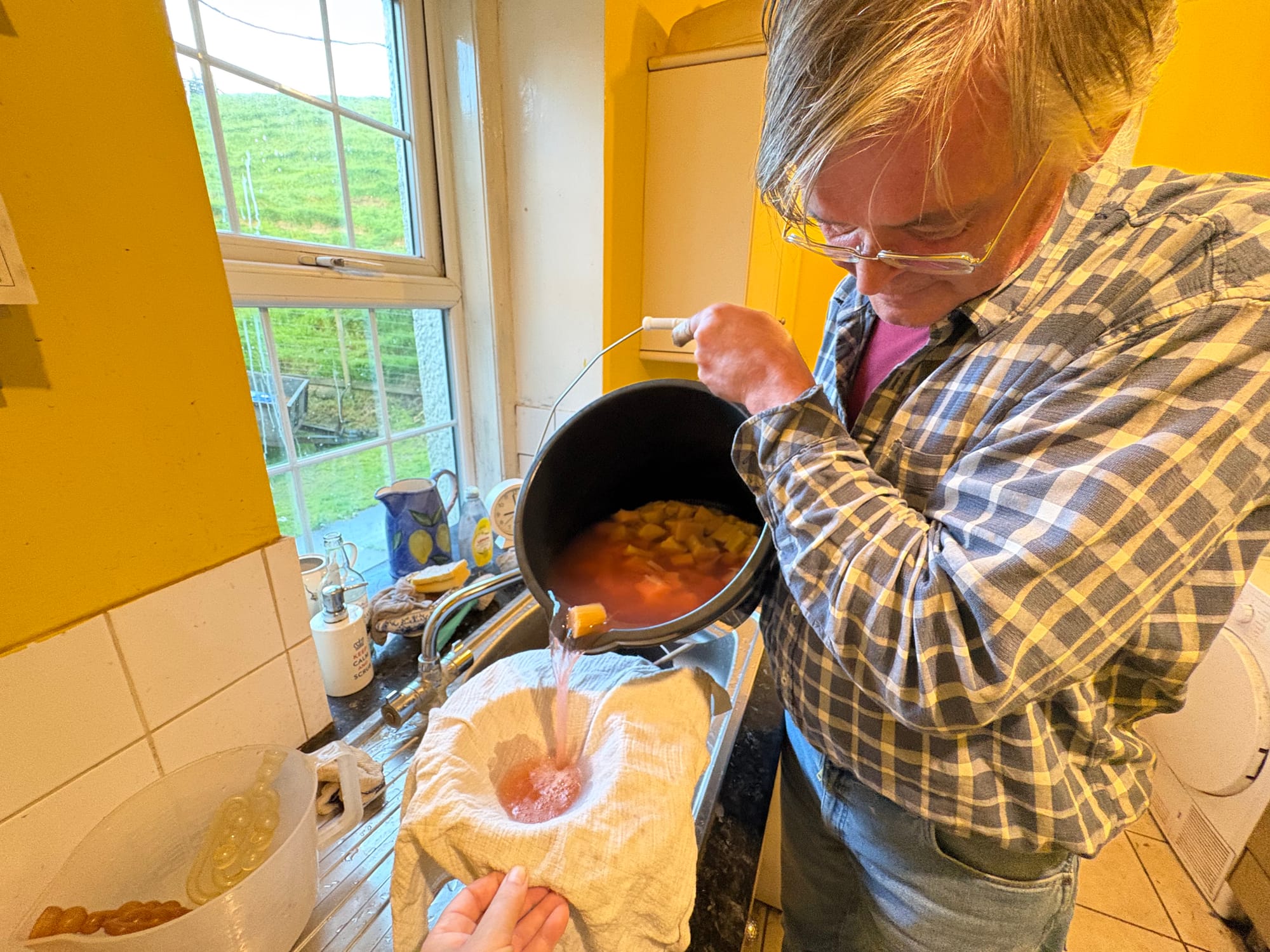
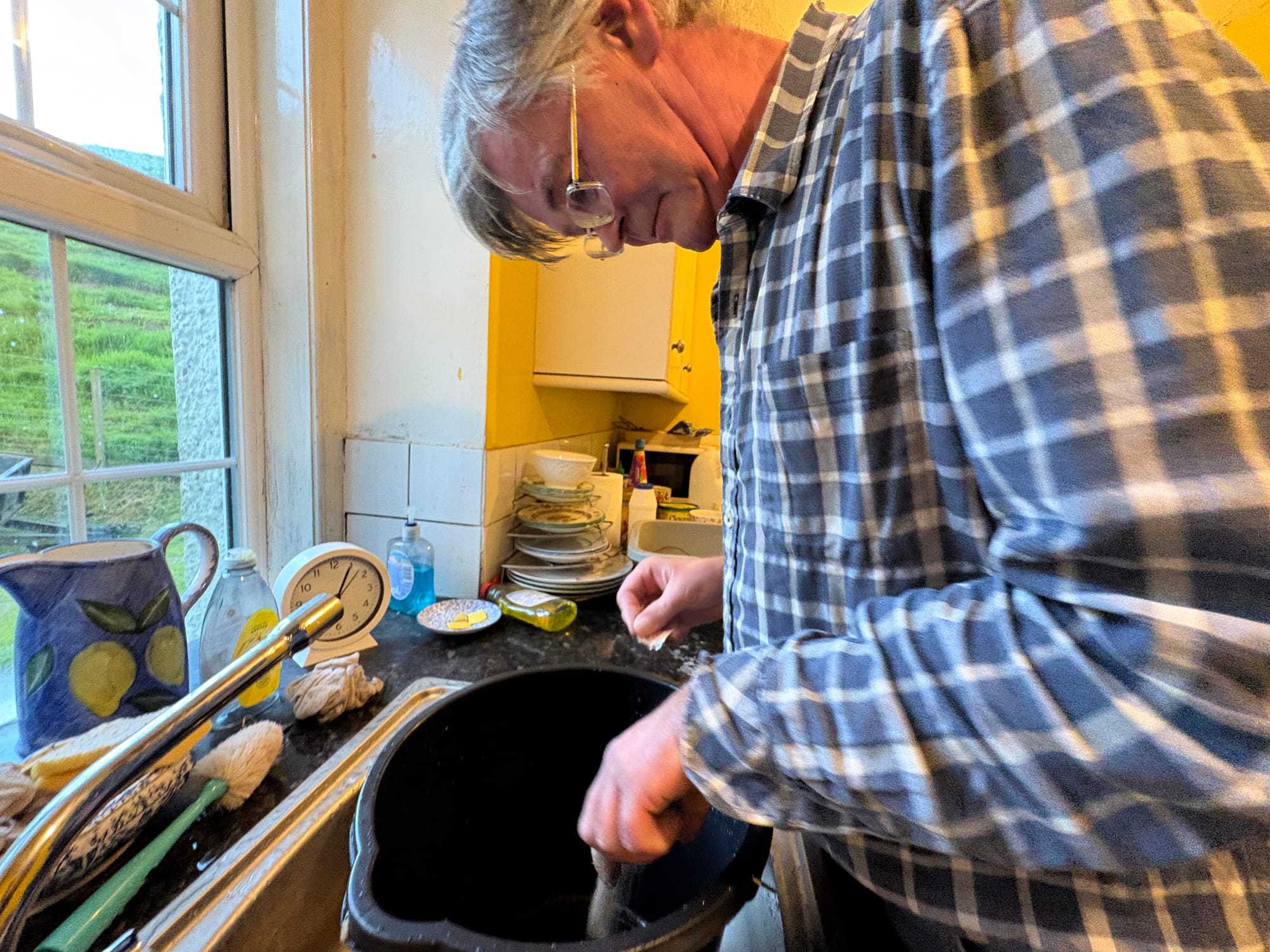
Yet, we can't entirely escape our 21st-century brains. Mid-process, a very modern panic set in: Was the white brew bucket food-safe, or were we steeping our heritage harvest in BPA? A quick flip of the bucket revealed the reassuring 'PP5' recycling triangle stamped on the base. Polypropylene—inert, acid-resistant, and entirely BPA-free. Crisis averted, the modern world stepped back, allowing the 18th-century process to resume.
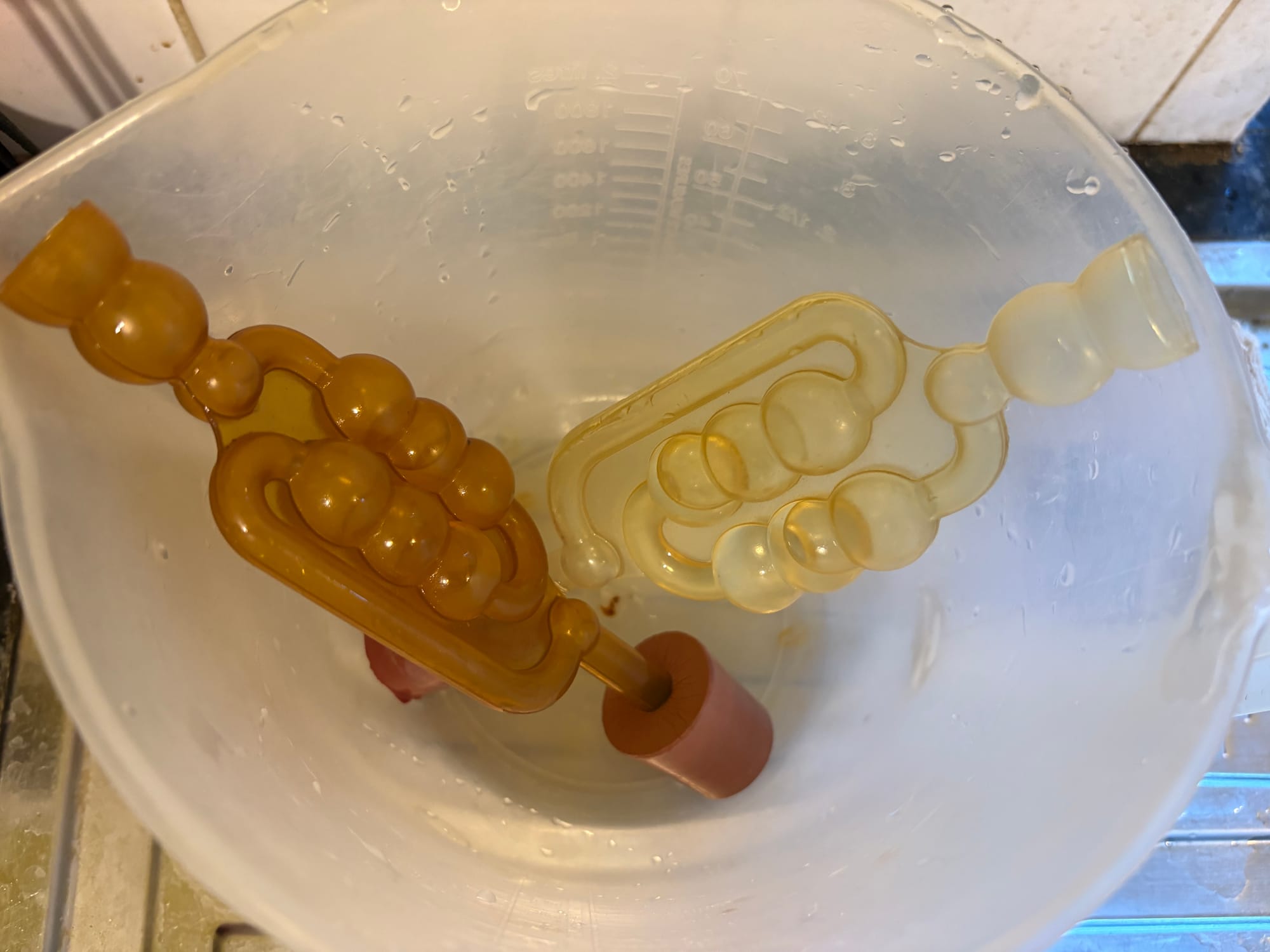
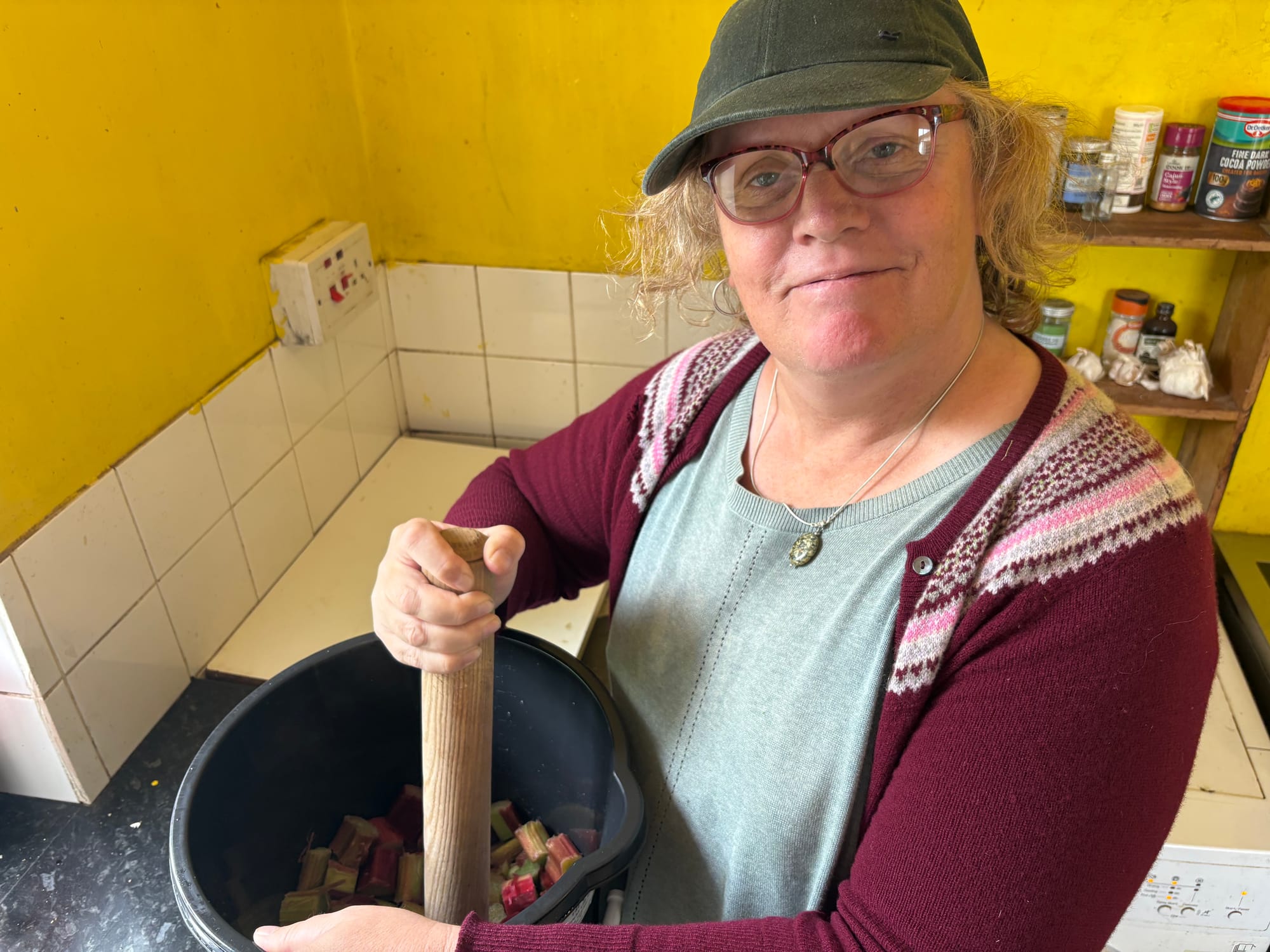
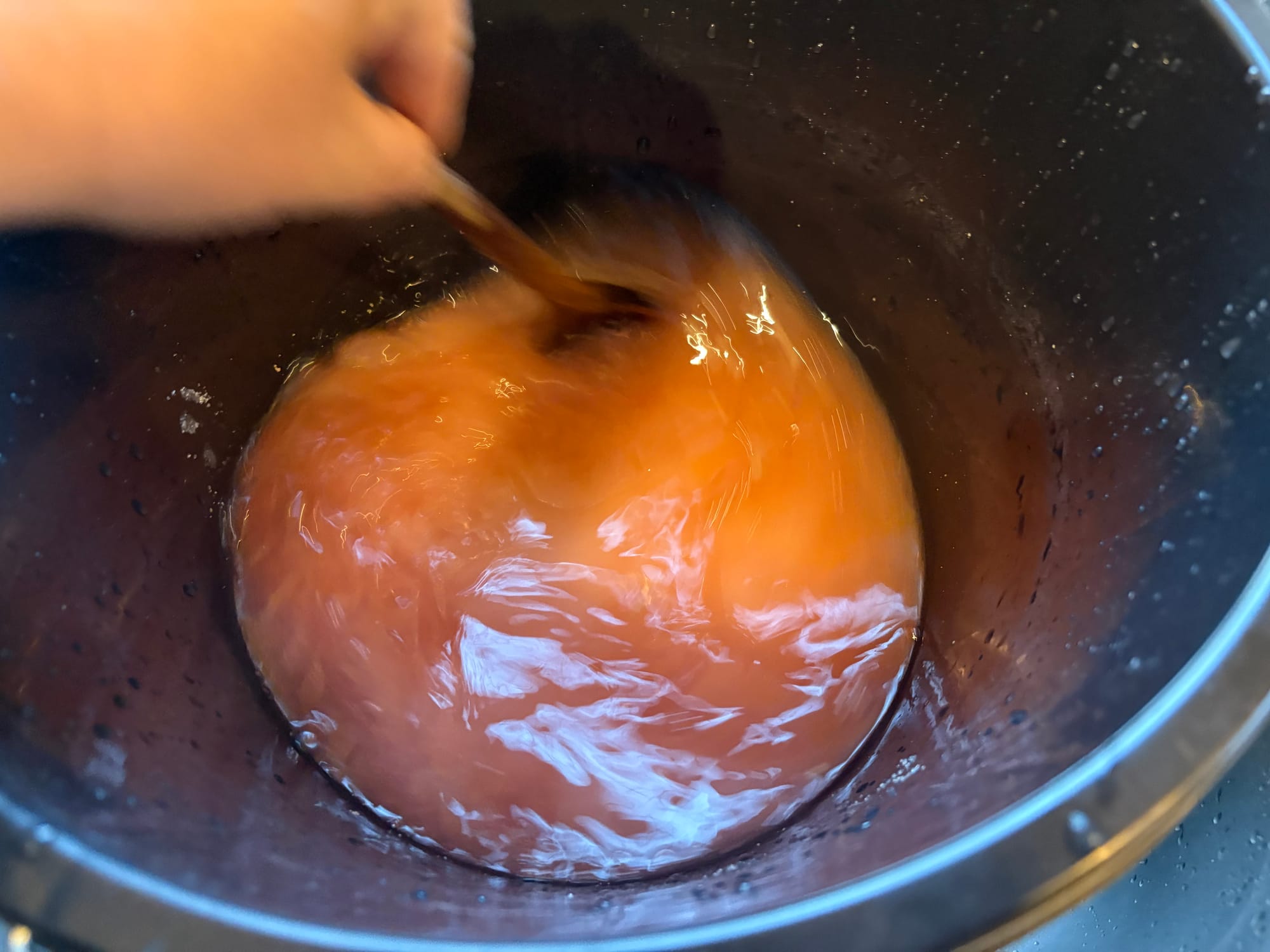
To see the raw ingredients sitting on the counter, you wouldn't necessarily predict the liquid that follows. Rhubarb is notoriously sharp, carrying an intense, mouth-puckering acidity. Yet, tasting the fresh must just as the fermentation catches fire reveals a beautiful contradiction: it is thick, deeply sweet, and the aggressive edge of the rhubarb is nowhere to be found. The sugar dominates the early palate, creating a rich, welcoming environment for the waking yeast.
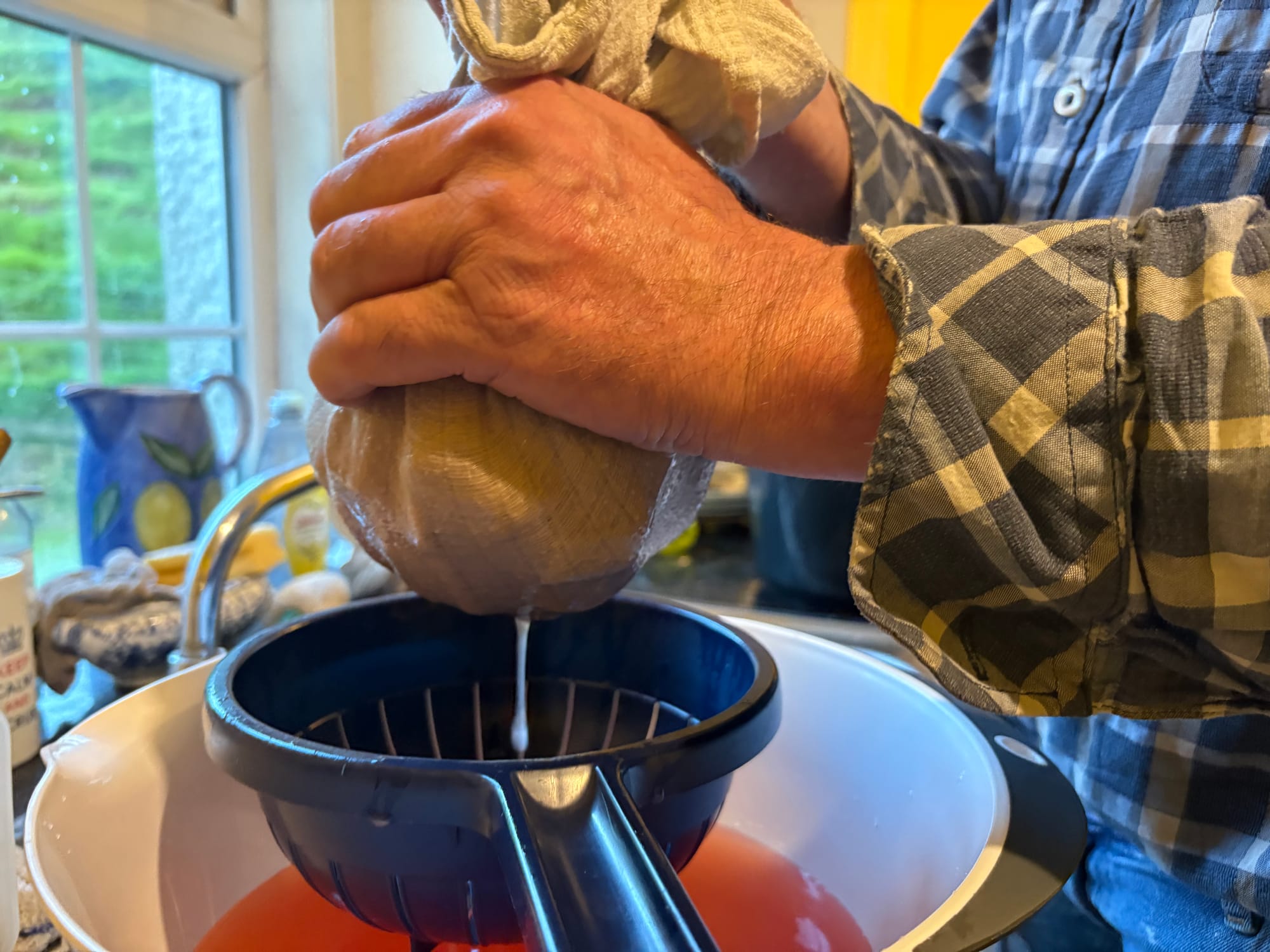
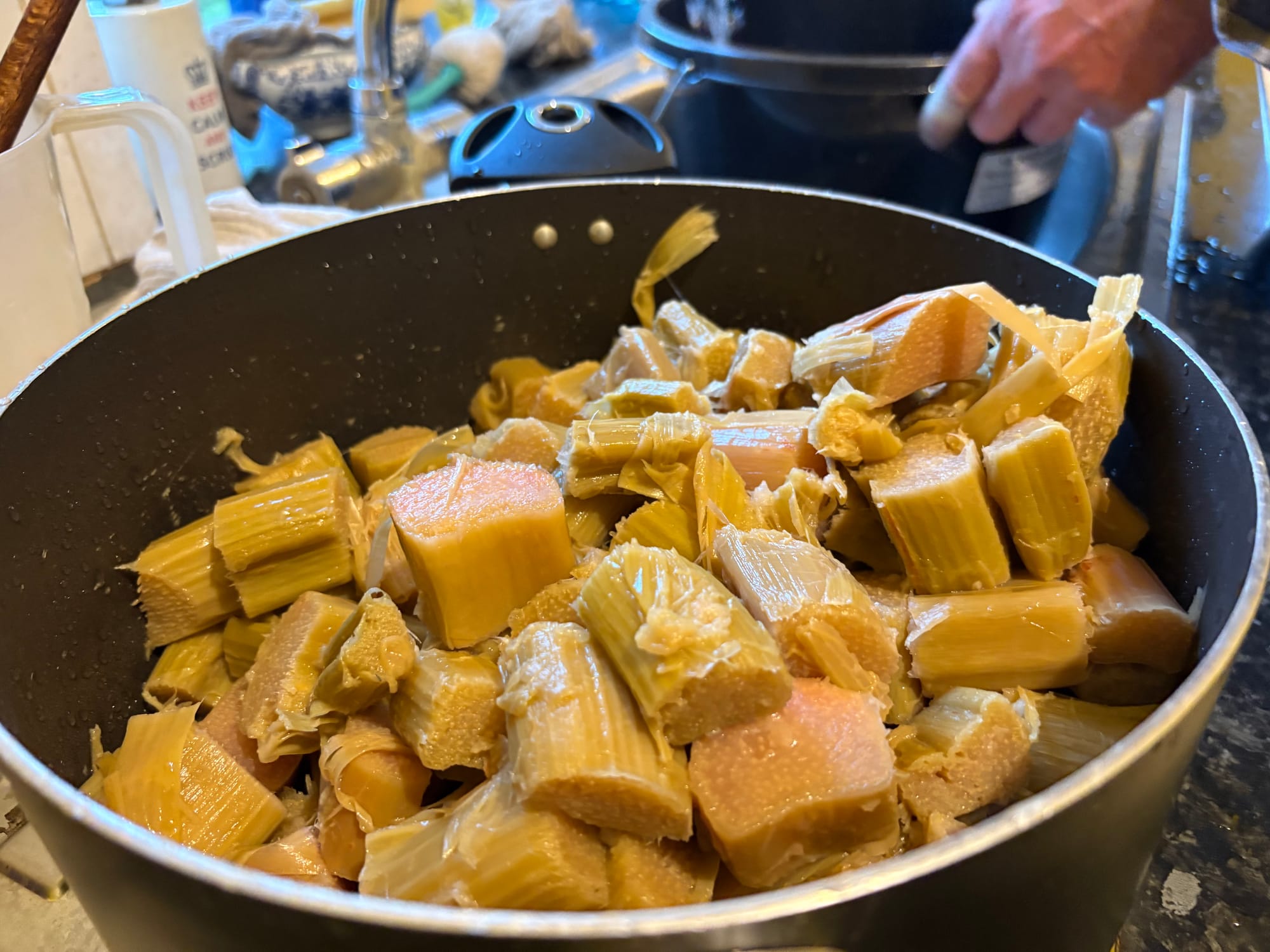
The magic of the process truly reveals itself during the straining. After sitting in the brew bucket, the bruised rhubarb stalks undergo a complete transformation. When lifted out to drain, they emerge completely spent—bleached, pale, and entirely stripped of their identity. They have surrendered every ounce of their deep pink pigment to the water, leaving the stalks ghostly white and the resulting liquid impossibly, vividly pink.
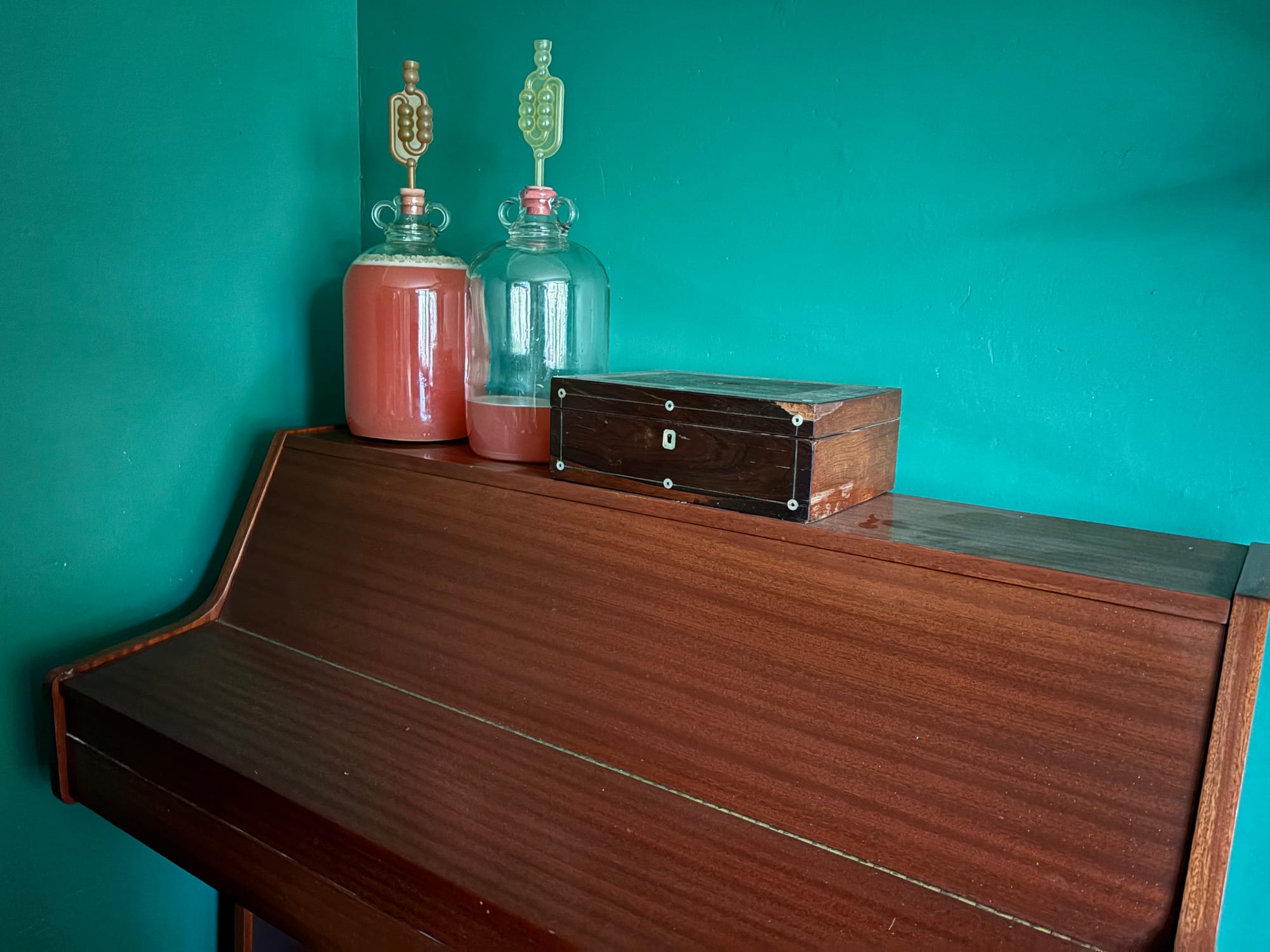
There is a historical irreverence to where these demijohns have ultimately come to rest. In Woodburn Farmhouse living room, they sit proudly atop the dark wood of the piano, framed by a striking teal wall. It feels entirely fitting. Bacchus and his revelling satyrs understood that wine and music spring from the same creative well—both require a surrender to time, rhythm, and a bit of wild alchemy.
Placing the bubbling must here turns the fermentation into an active participant in the creative space. As chords are struck and melodies are explored, the sound waves vibrate directly through the timber and into the glass. The frantic, biological fizzing inside the jars serves as a living, syncopated metronome to the music being made in the room. It is a sensory loop: the land feeds the harvest, the harvest bubbles to the rhythm of the music, and months from now, the finished wine will undoubtedly fuel the next wave of inspiration.
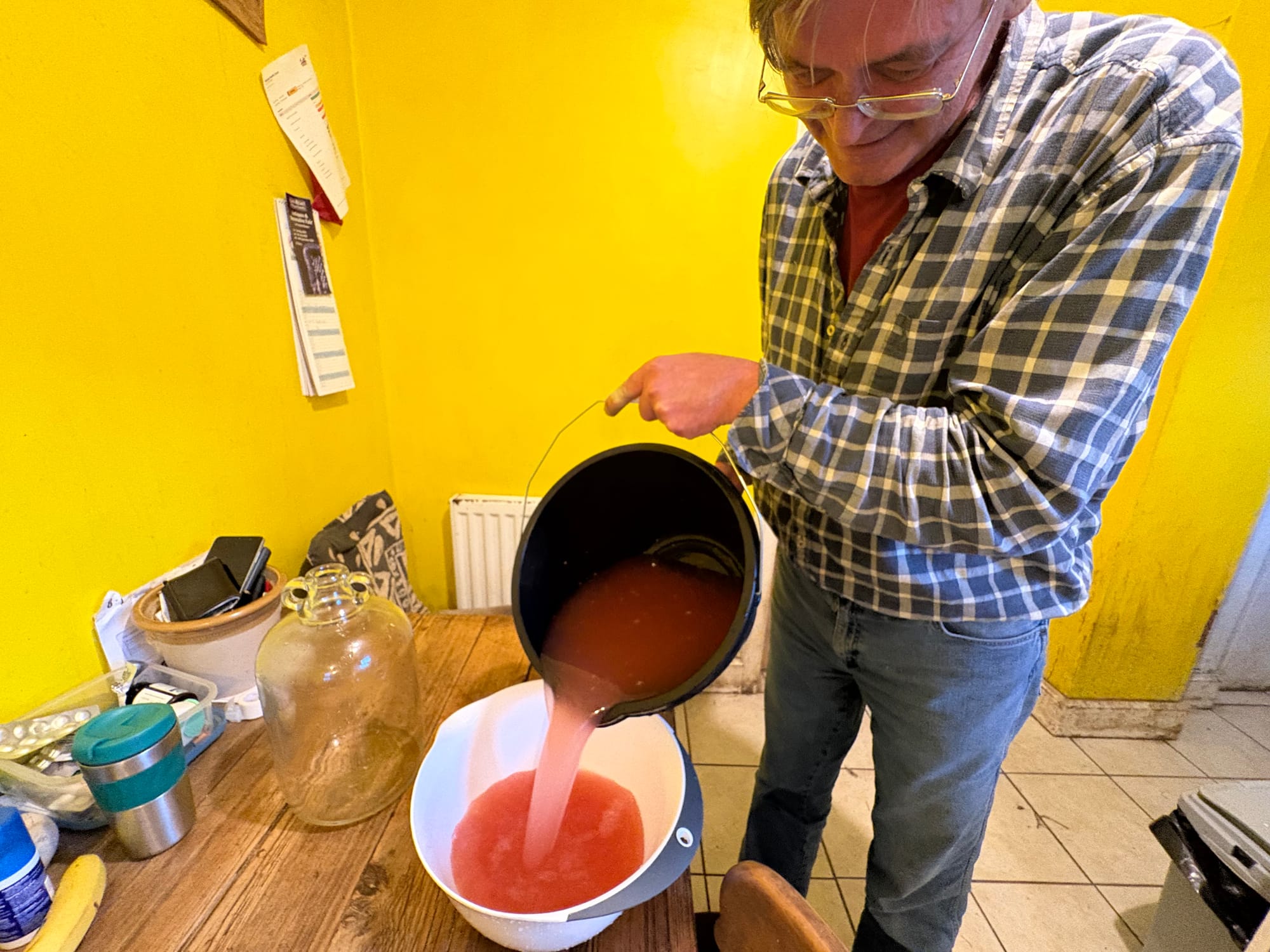
Right now, the process is loud, visual, and exciting. But the true test of country winemaking is the patience it forces upon us. In a few weeks, the frantic fizzing will subside. The sediment will drop, the liquid will clear, and these jars will slip into the background of daily life.
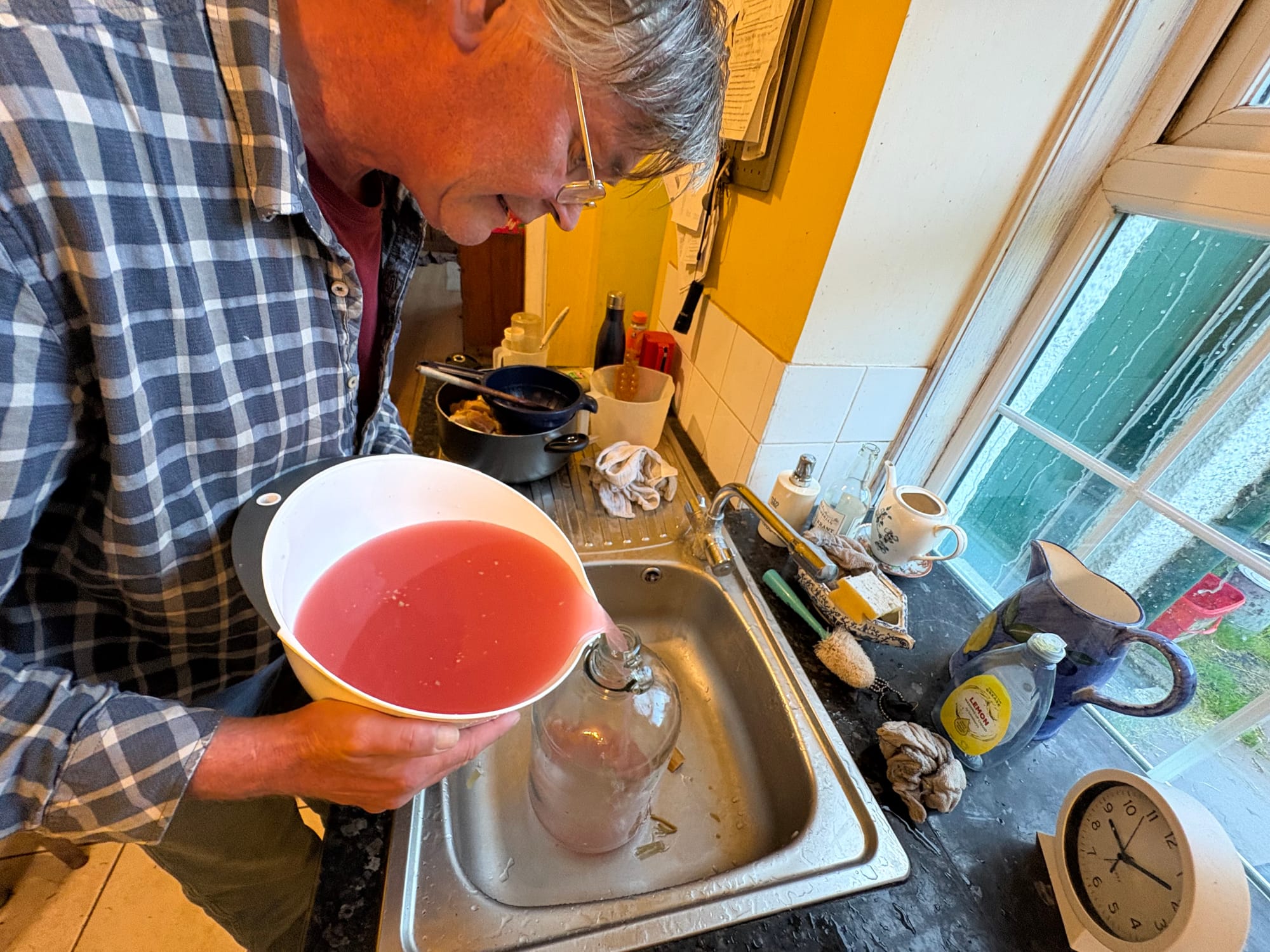
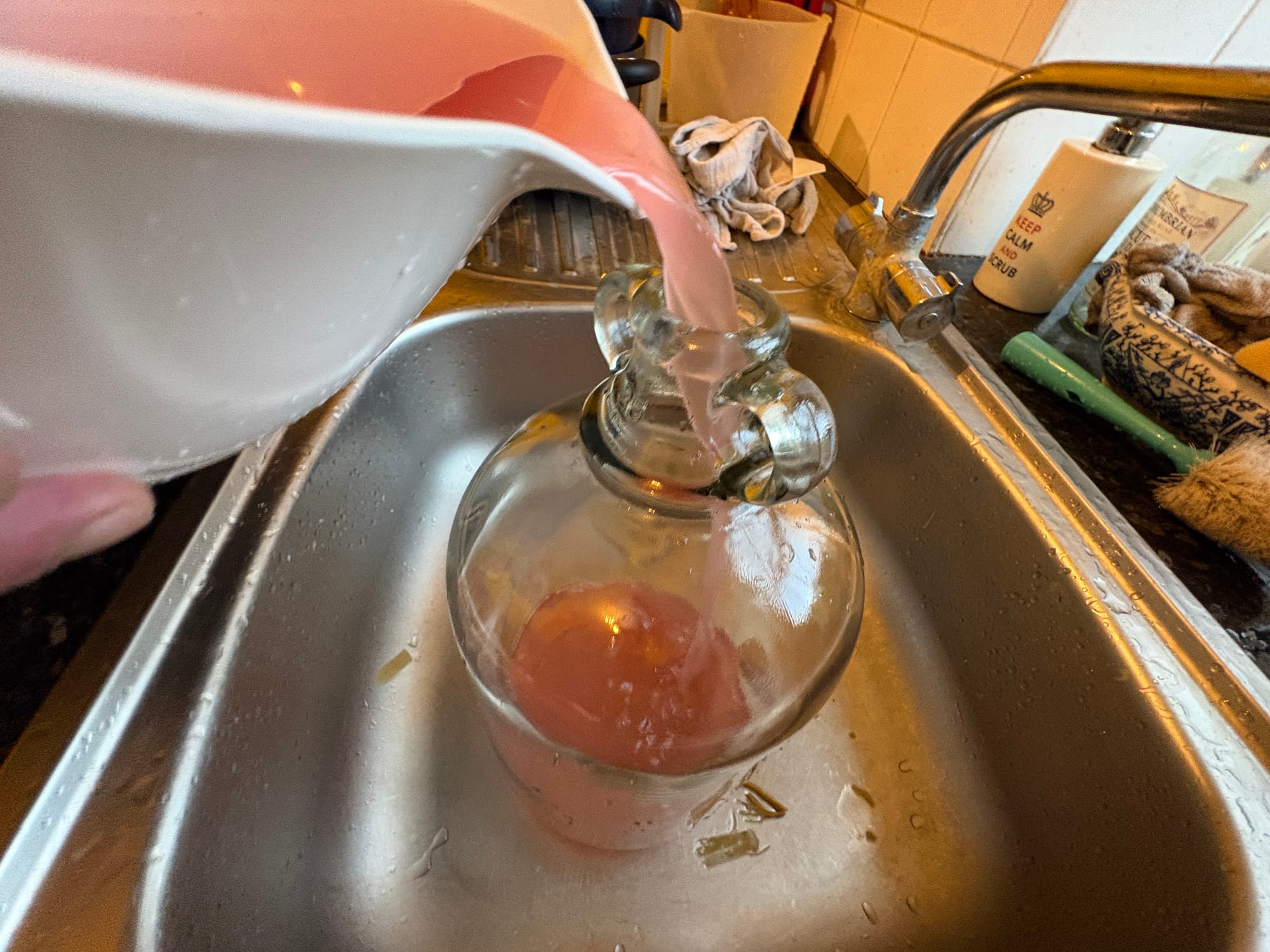
We will forget about them. The busyness of the coming months, the creative projects, and the changing seasons will take over, while the demijohns sit in the dark, working on a timeline that cannot be hurried by technology. And then, six to twelve months from now, we will bottle it—pouring out a crisp, clear glass of a summer afternoon, preserved entirely by hand and time.