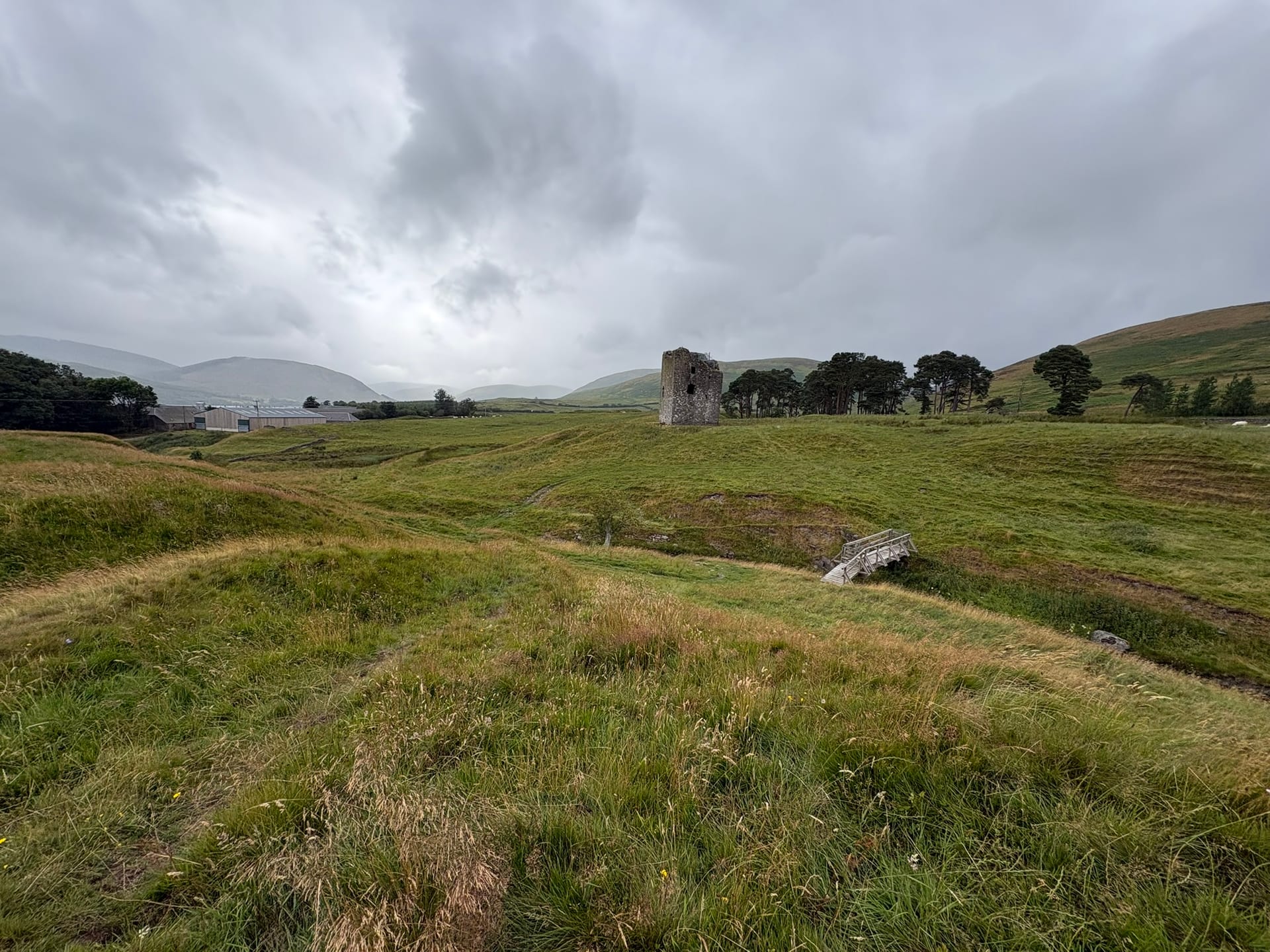
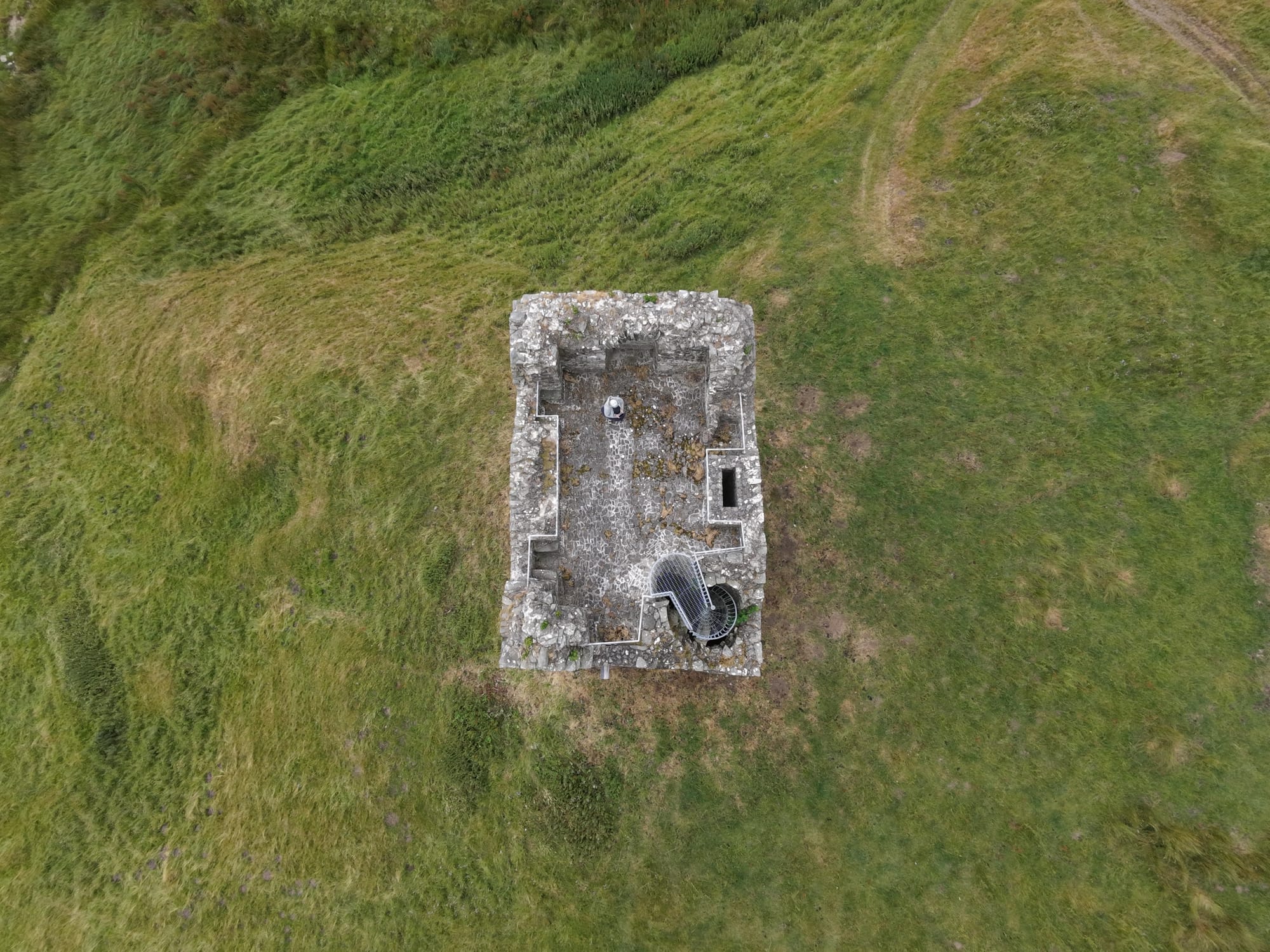
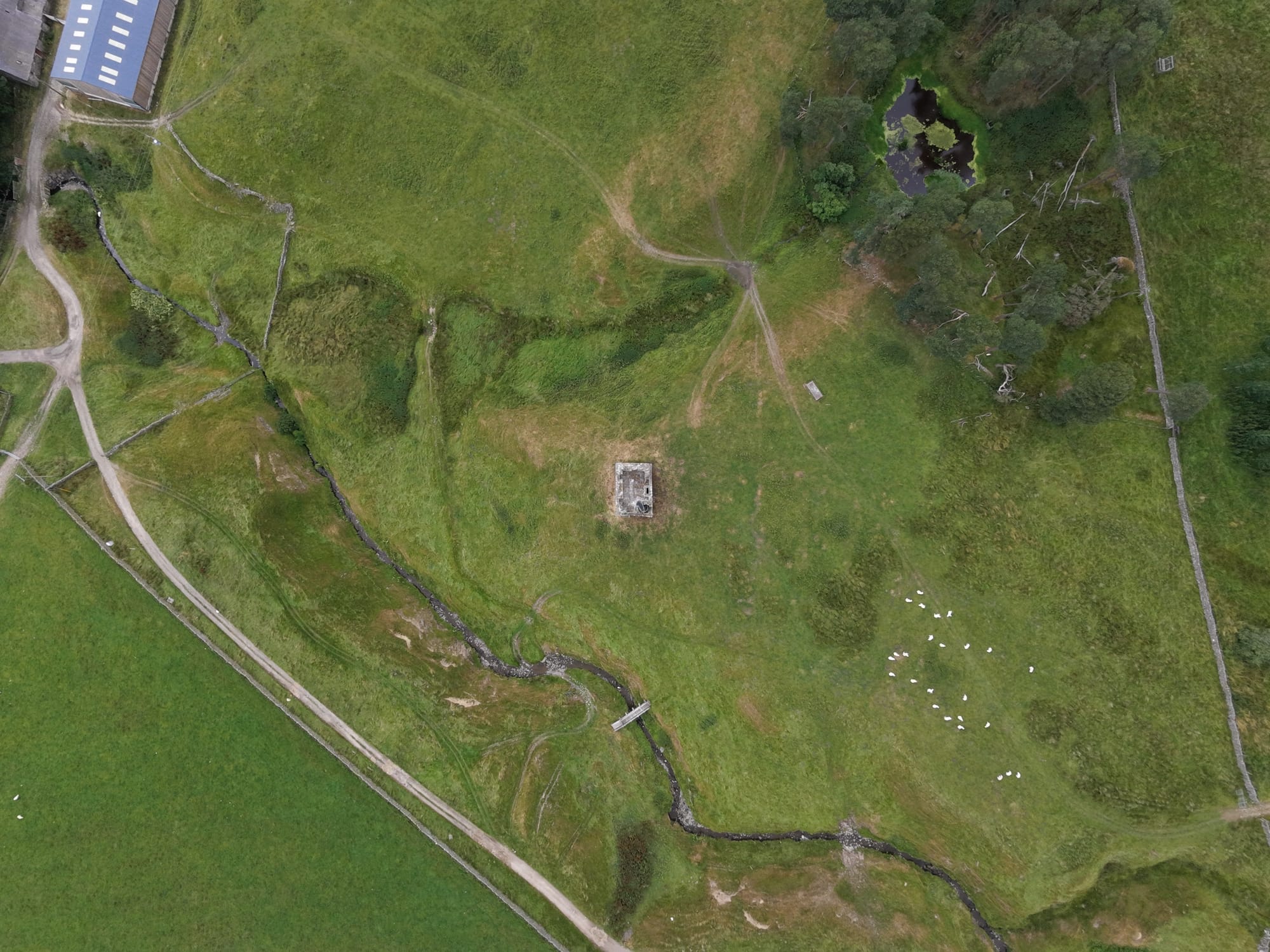
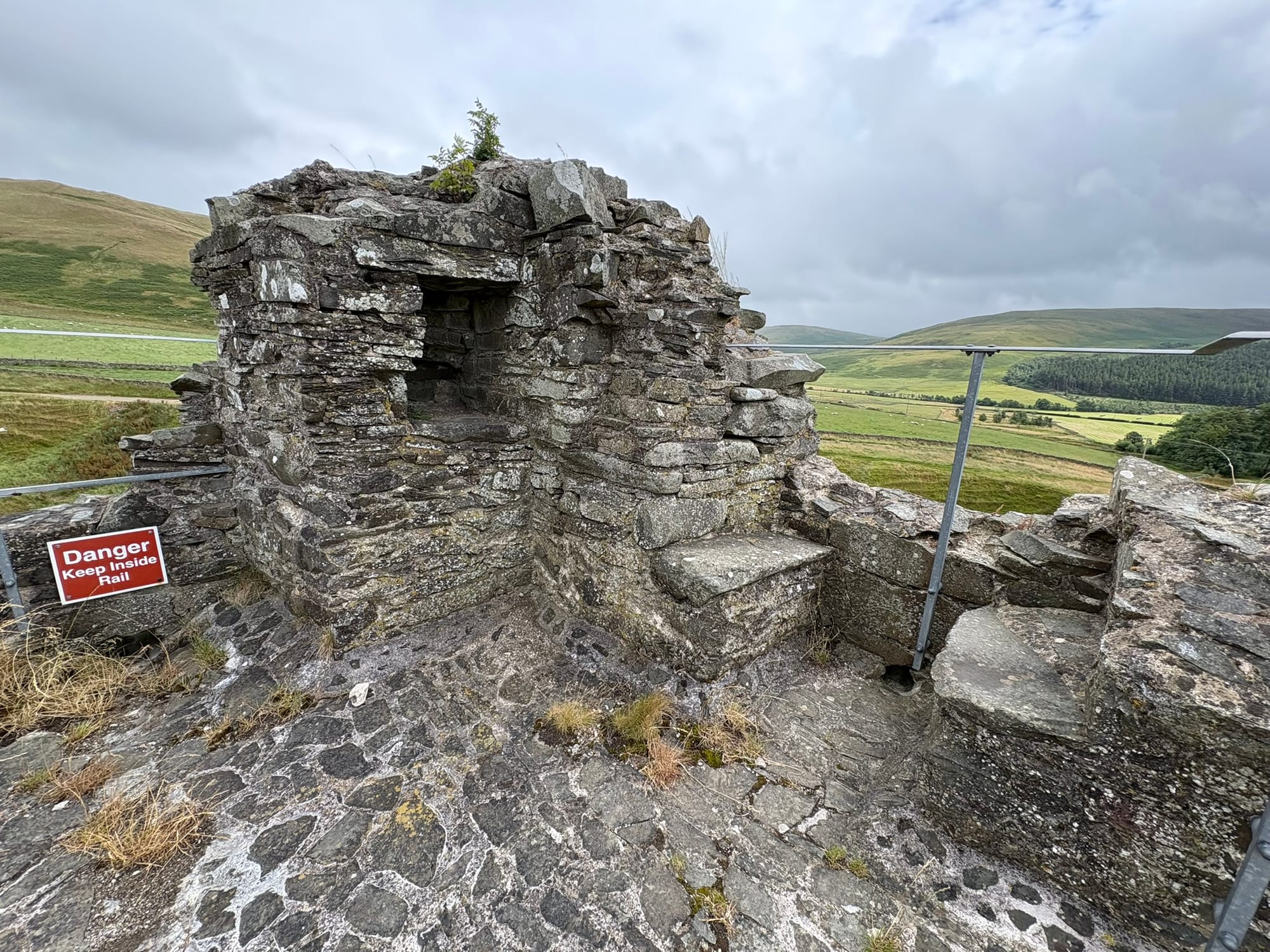
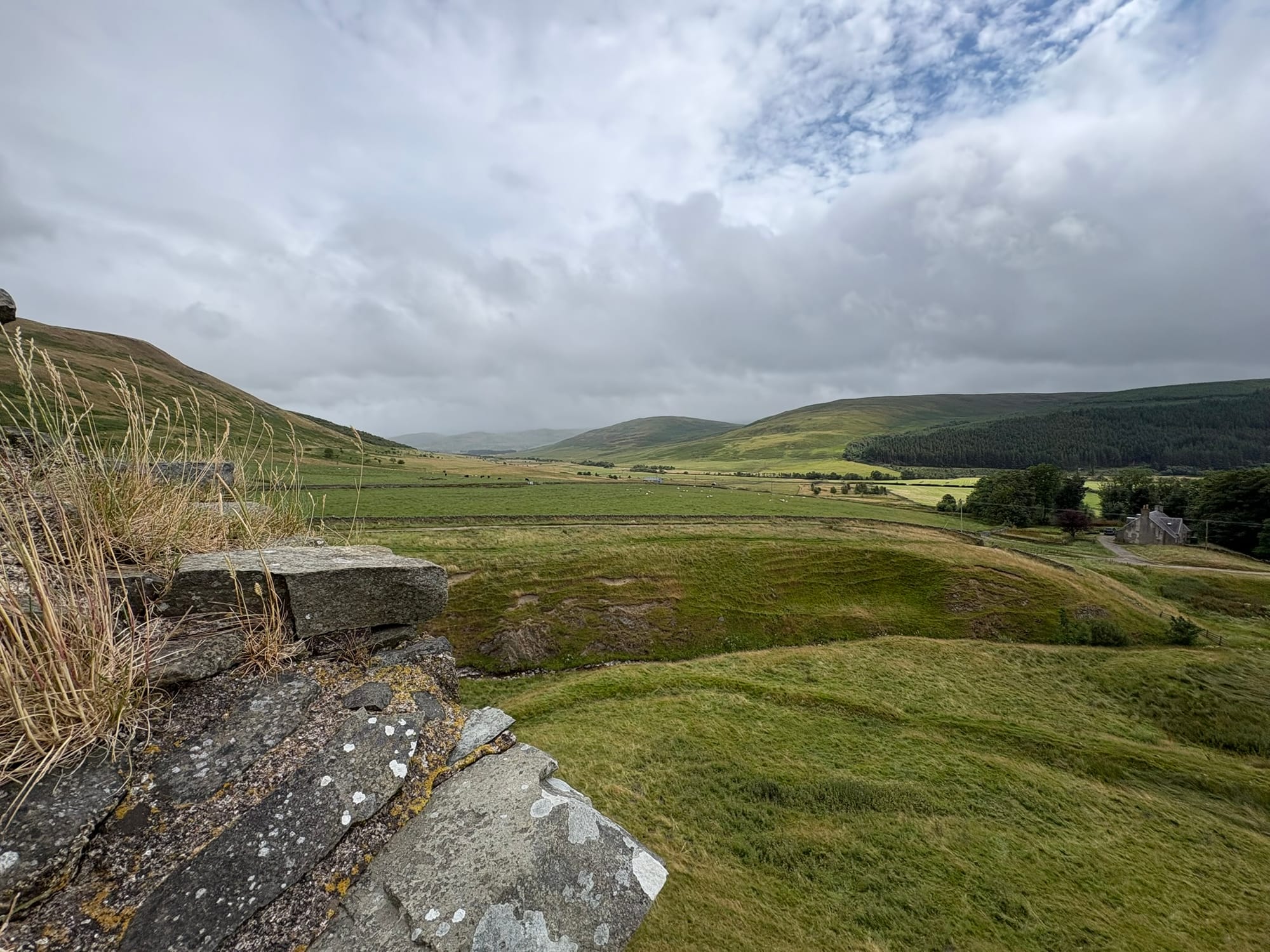
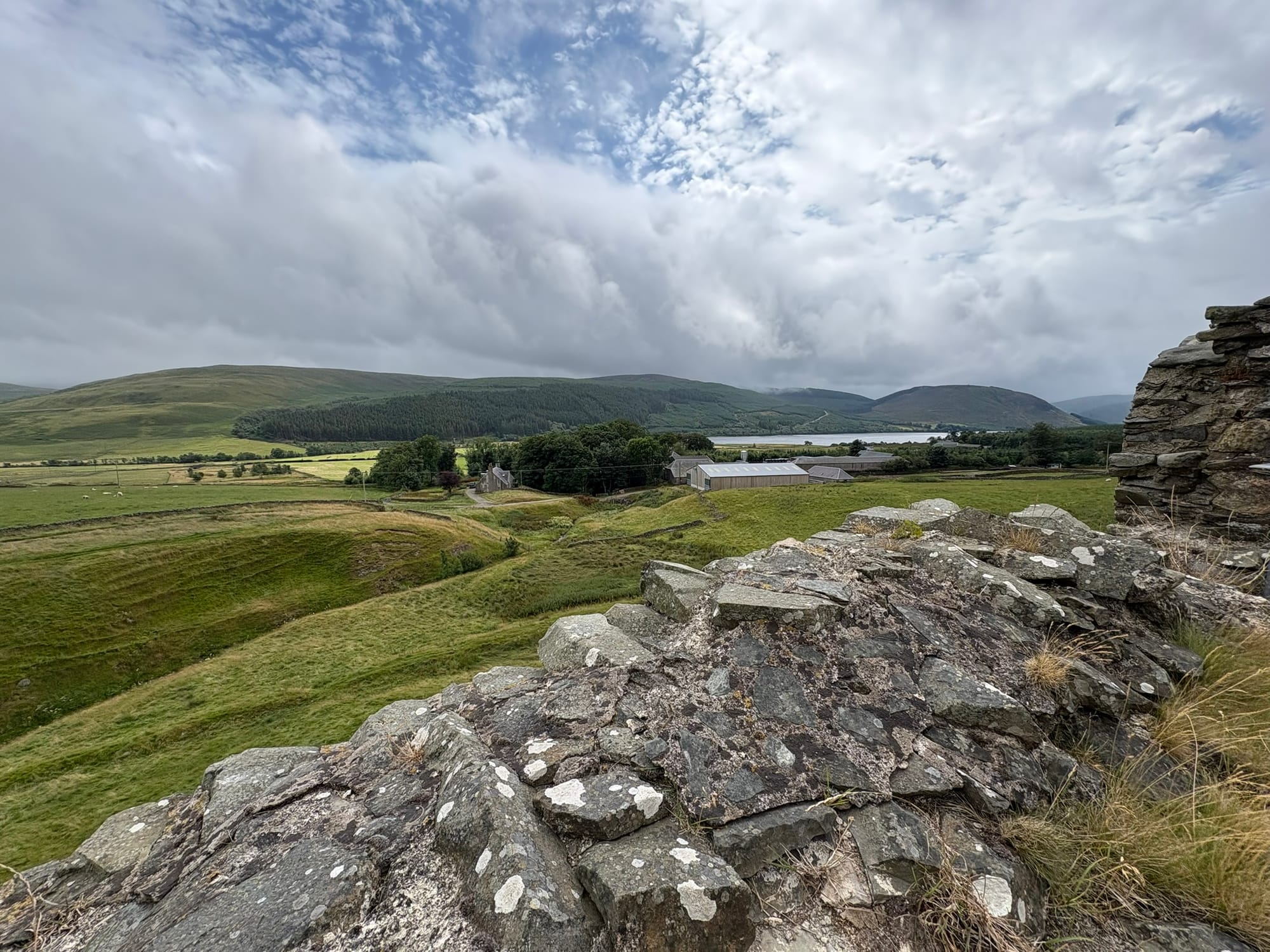
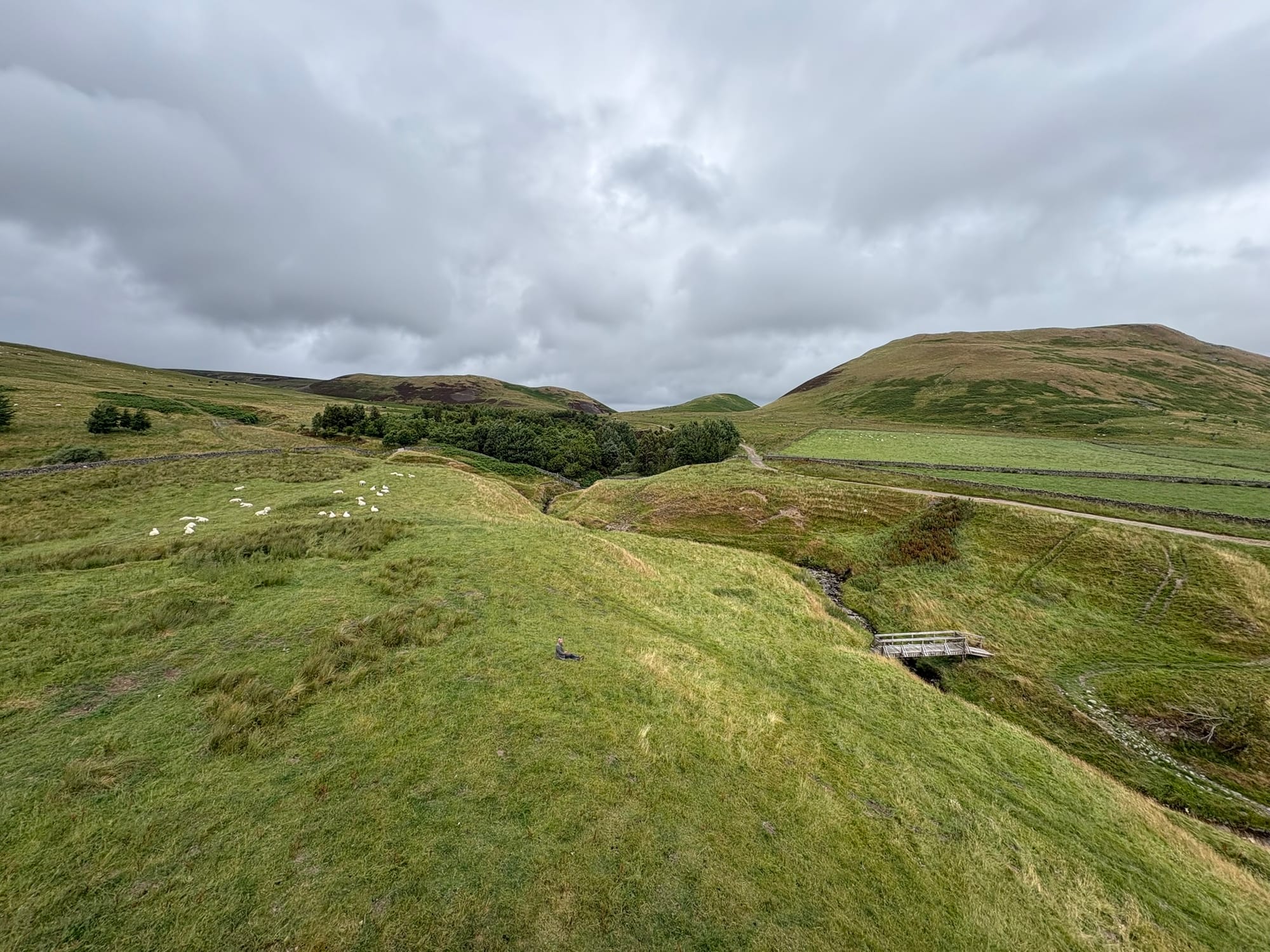
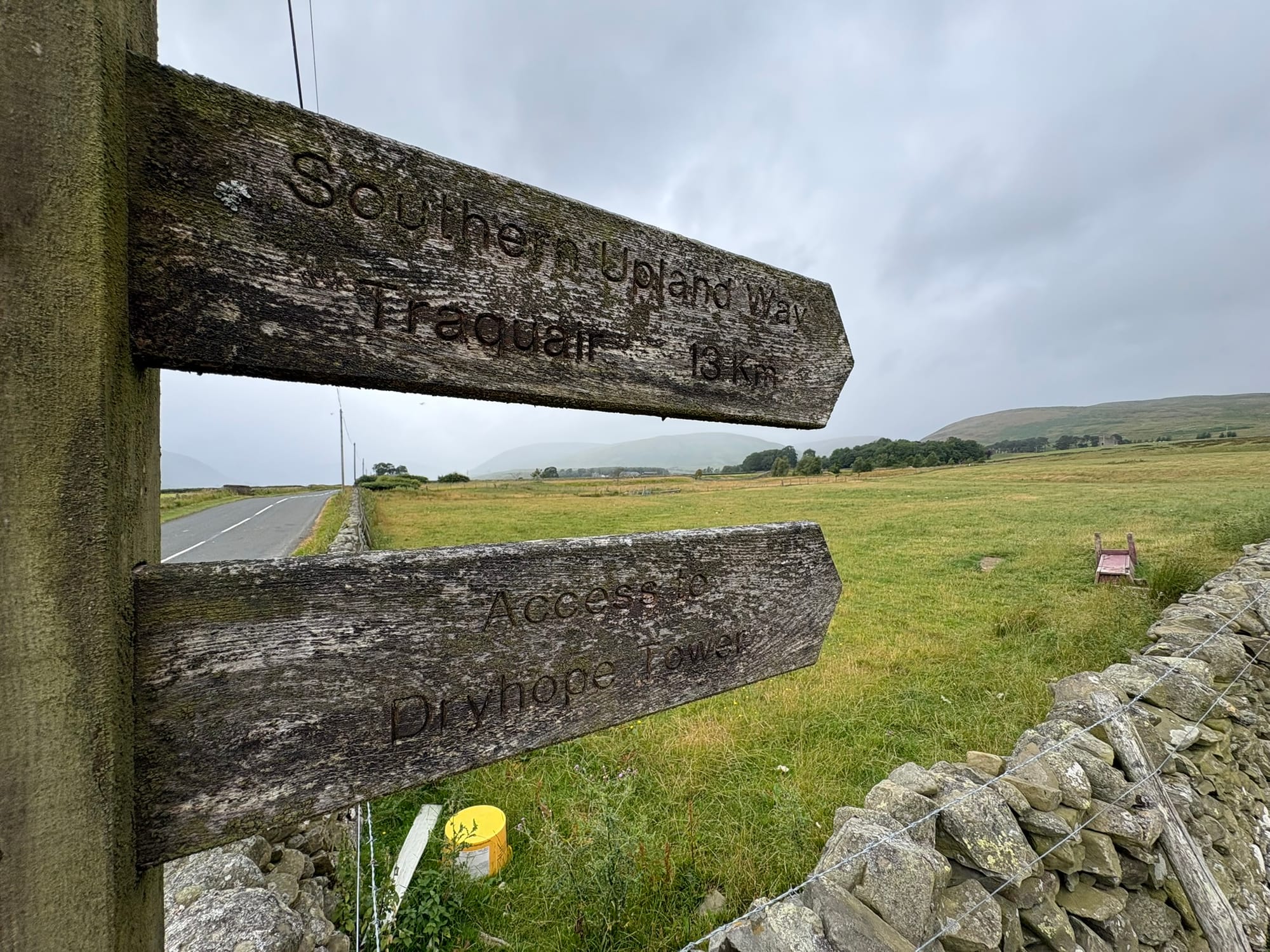
Standing on a shelf above the steep gully of the Dryhope Burn, framed by the rolling Selkirkshire hills and guarding the foot of St Mary’s Loch, Dryhope Tower is more than just a picturesque survivor of the Border Reiver era.
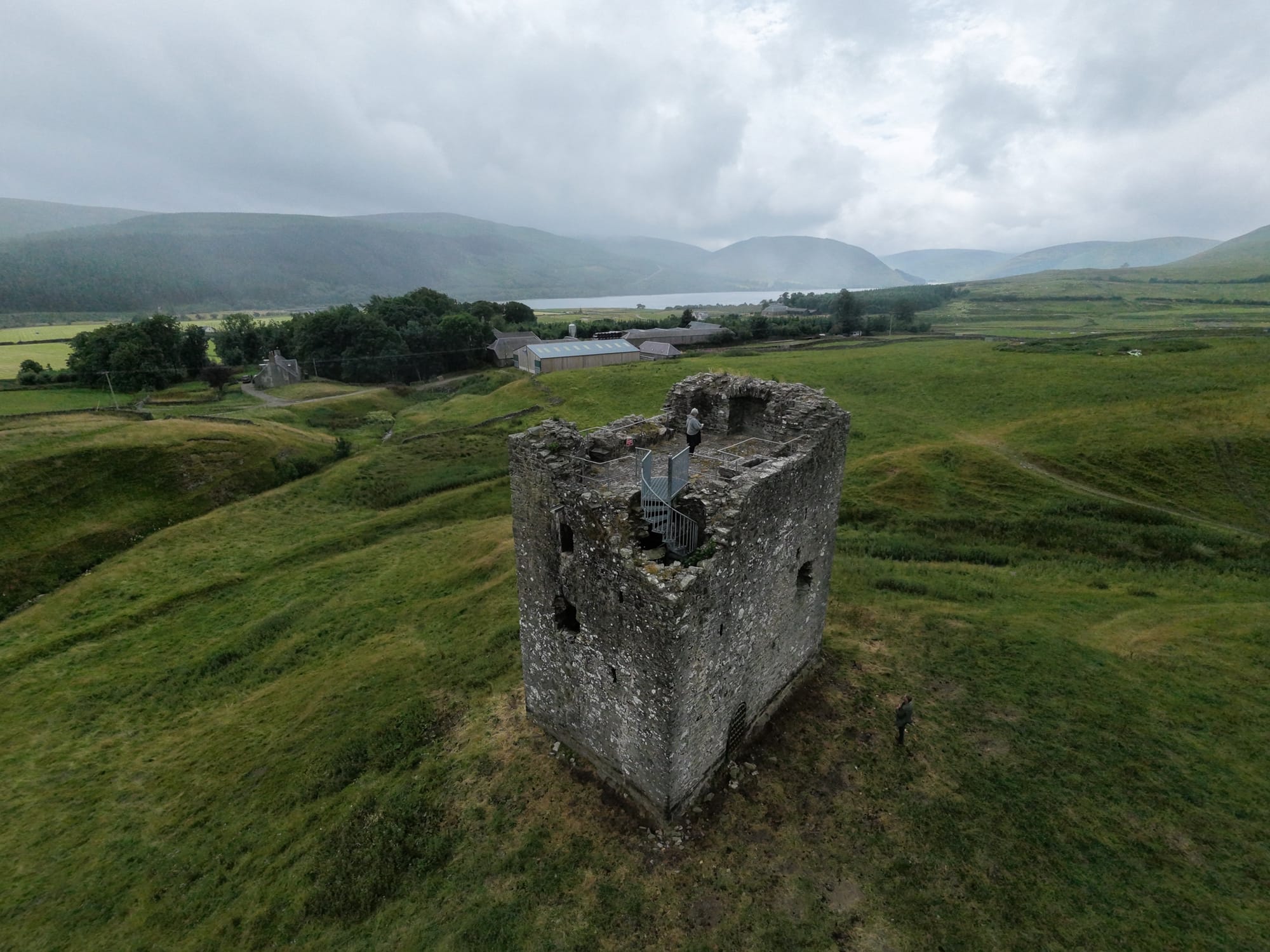
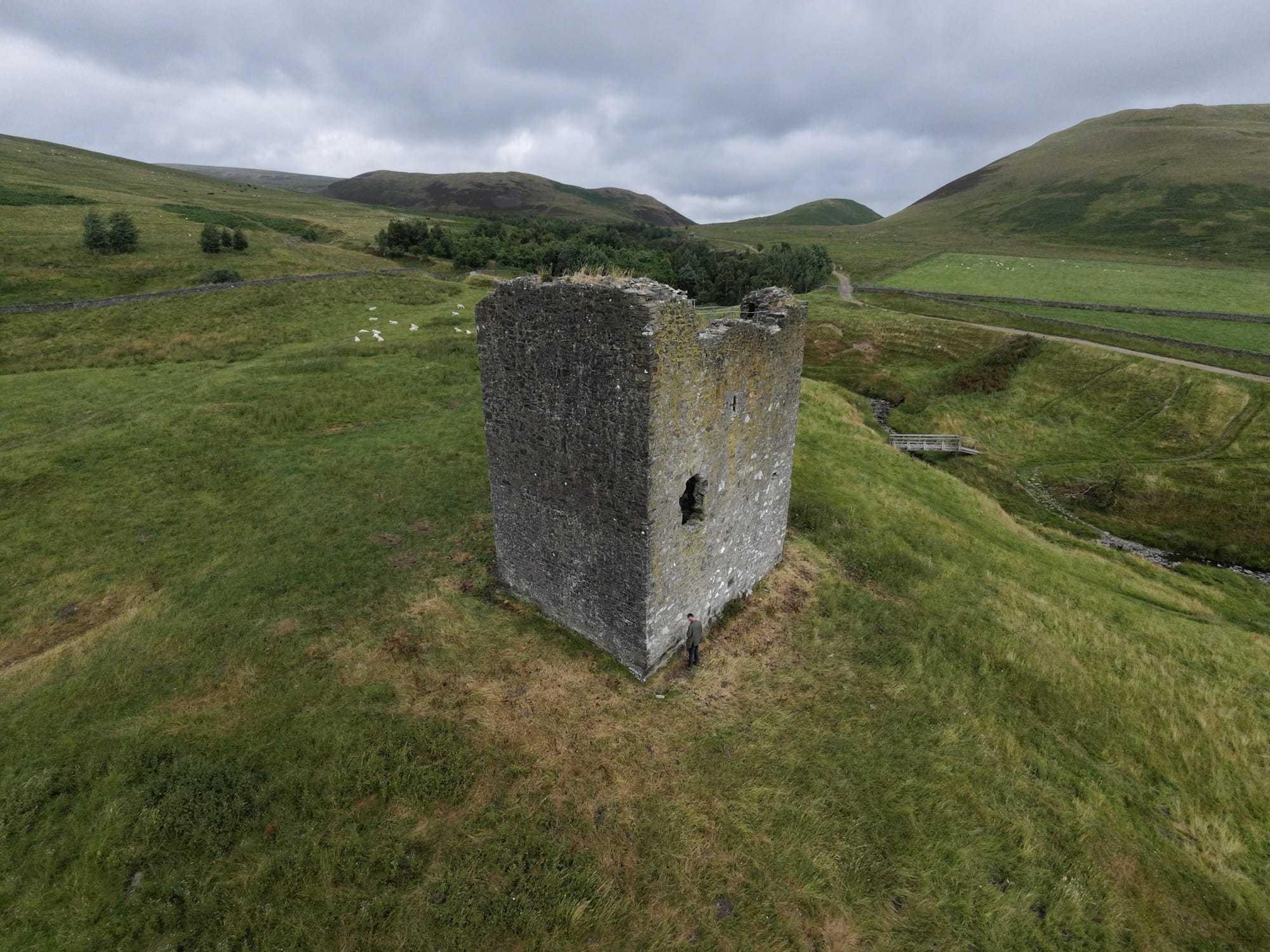
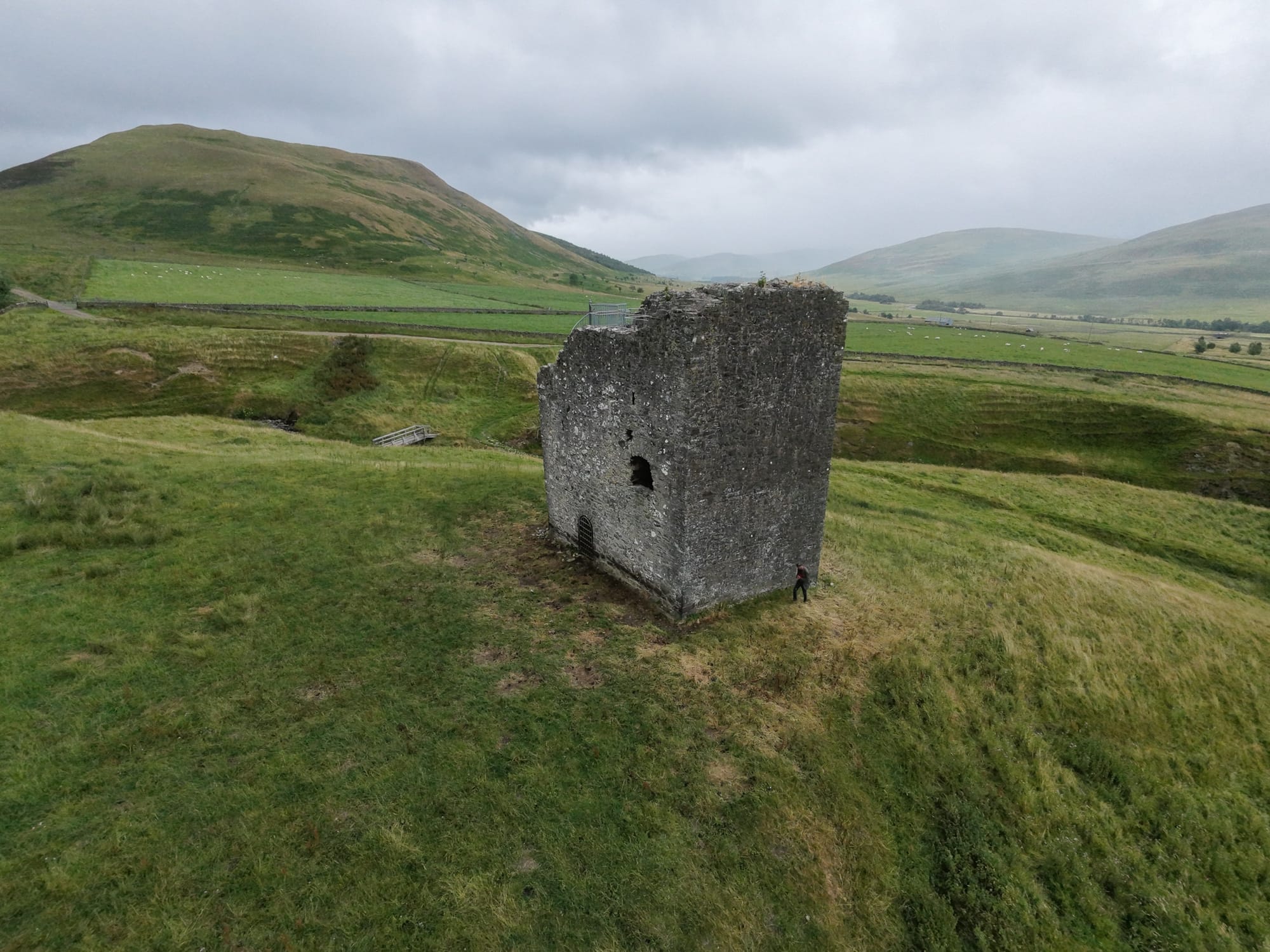
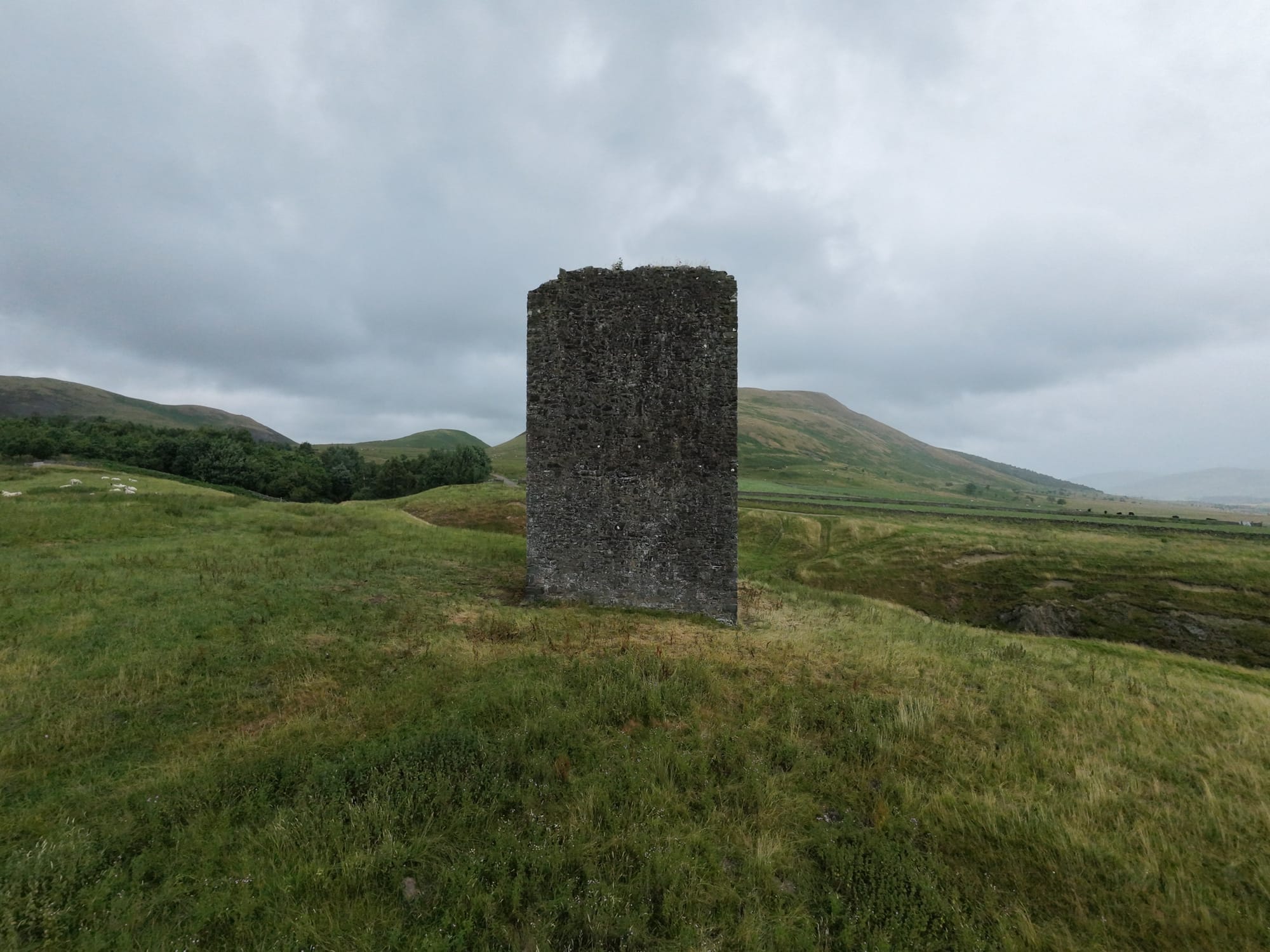
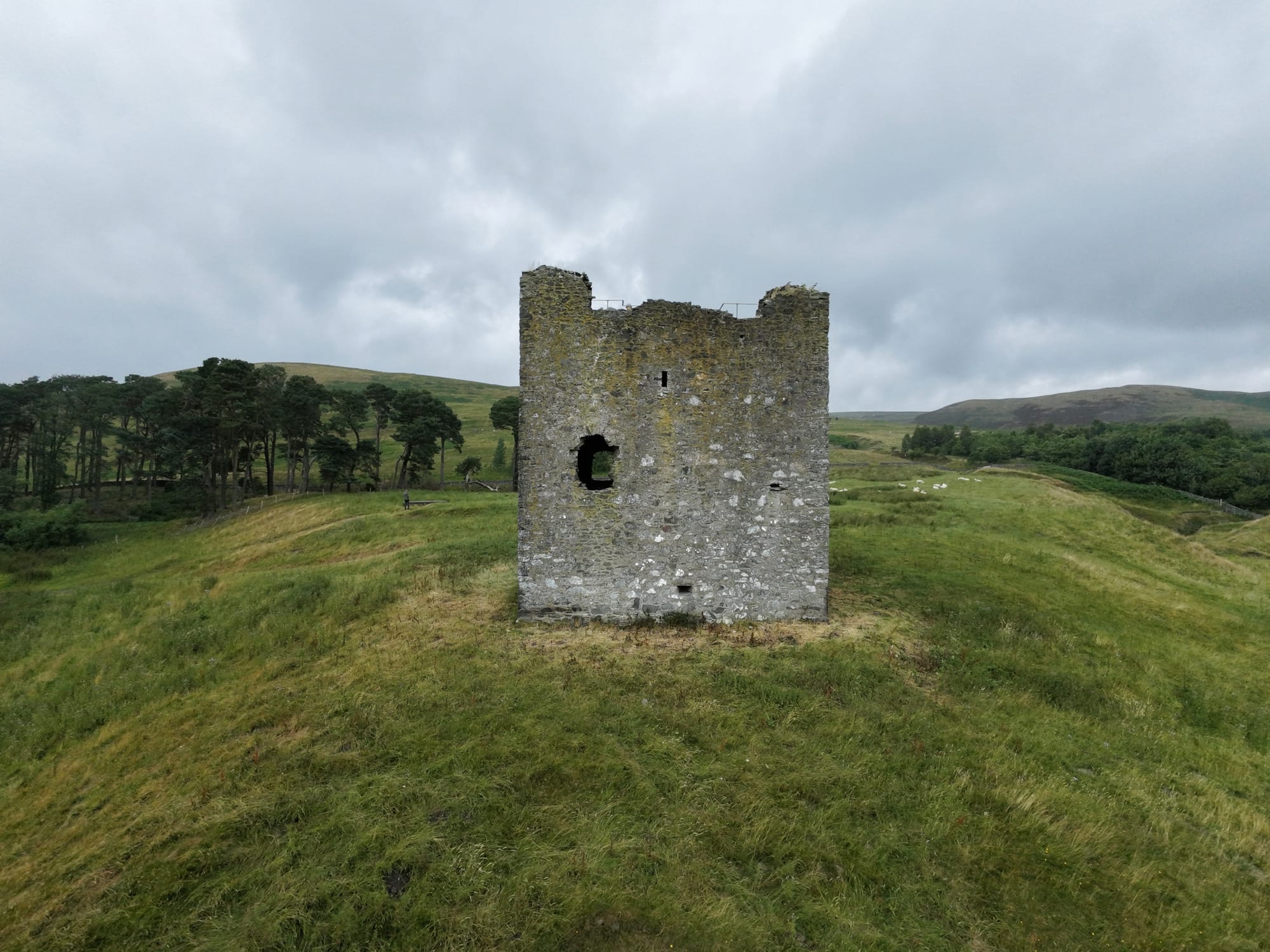
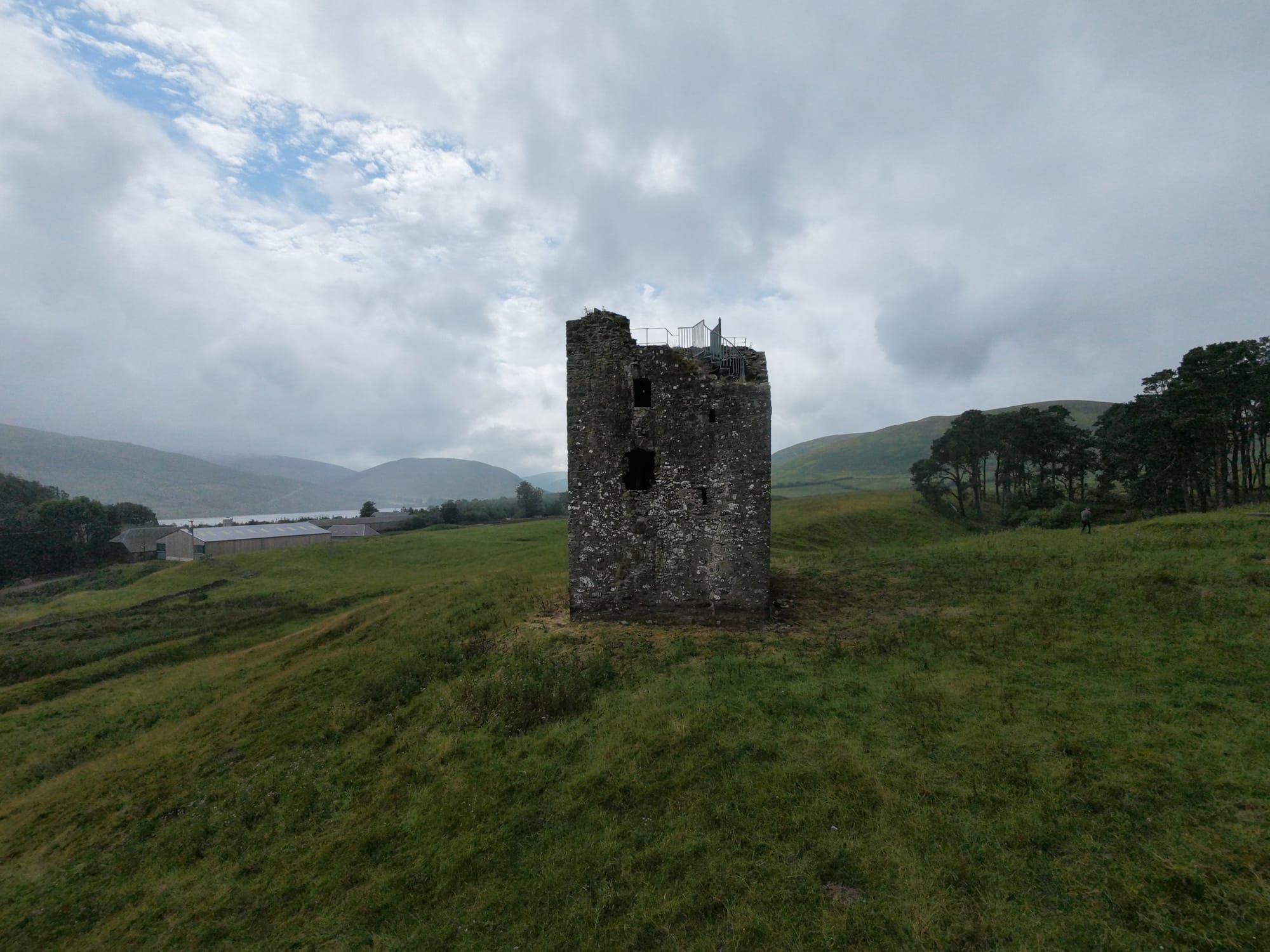
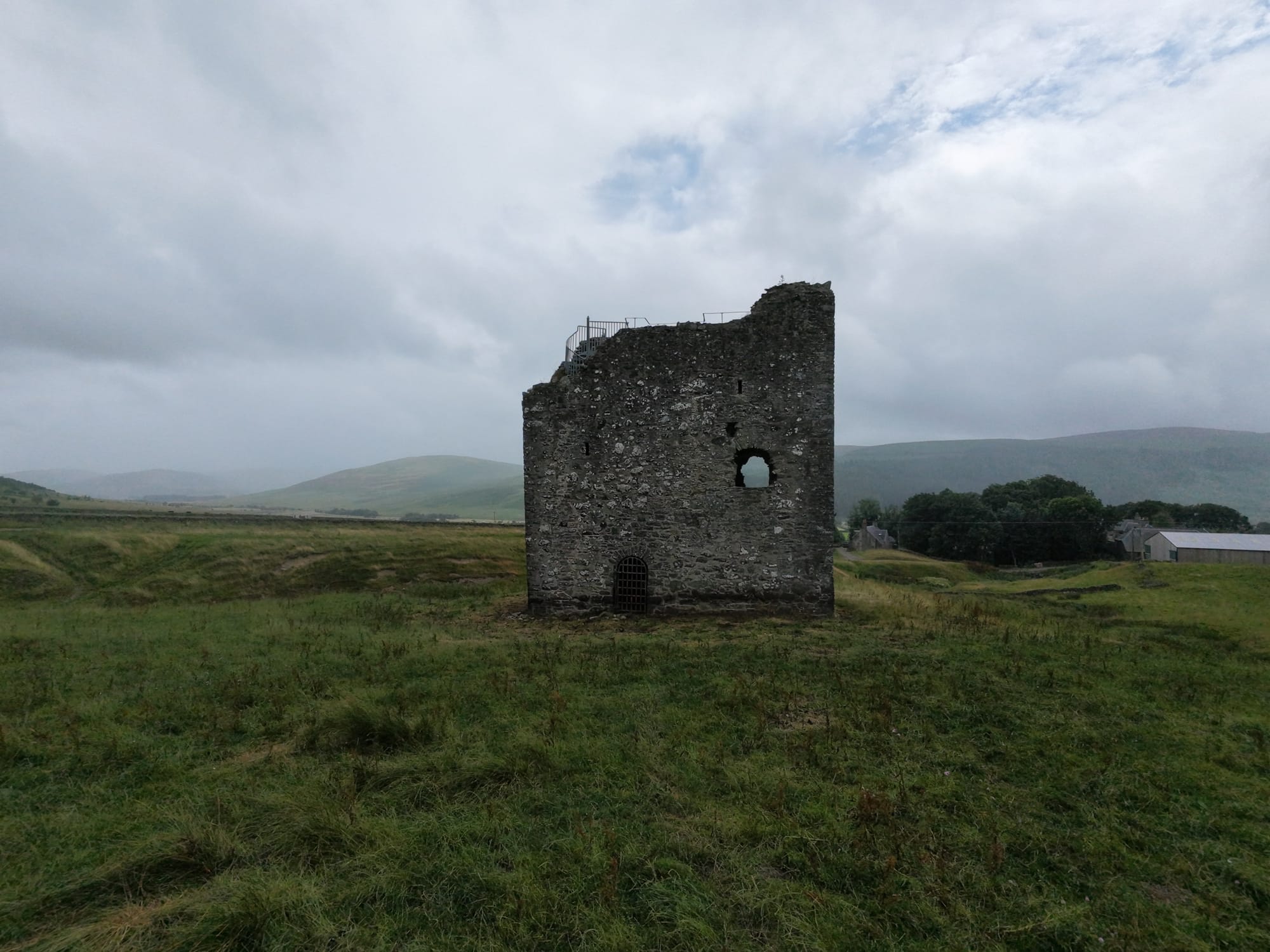
It is a physical monument to a society organised around survival, predatory kinship networks, and the eventual crushing weight of central state power.
The Reiving Economy as a Social Institution
Popular history often paints the Border reivers as colourful outlaws operating in a vacuum of lawlessness. Viewed sociologically, however, the constant cycle of raiding, rustling, and feuding was an institutionalised economic and social order.
The historical record displayed at the site highlights this structural reality:
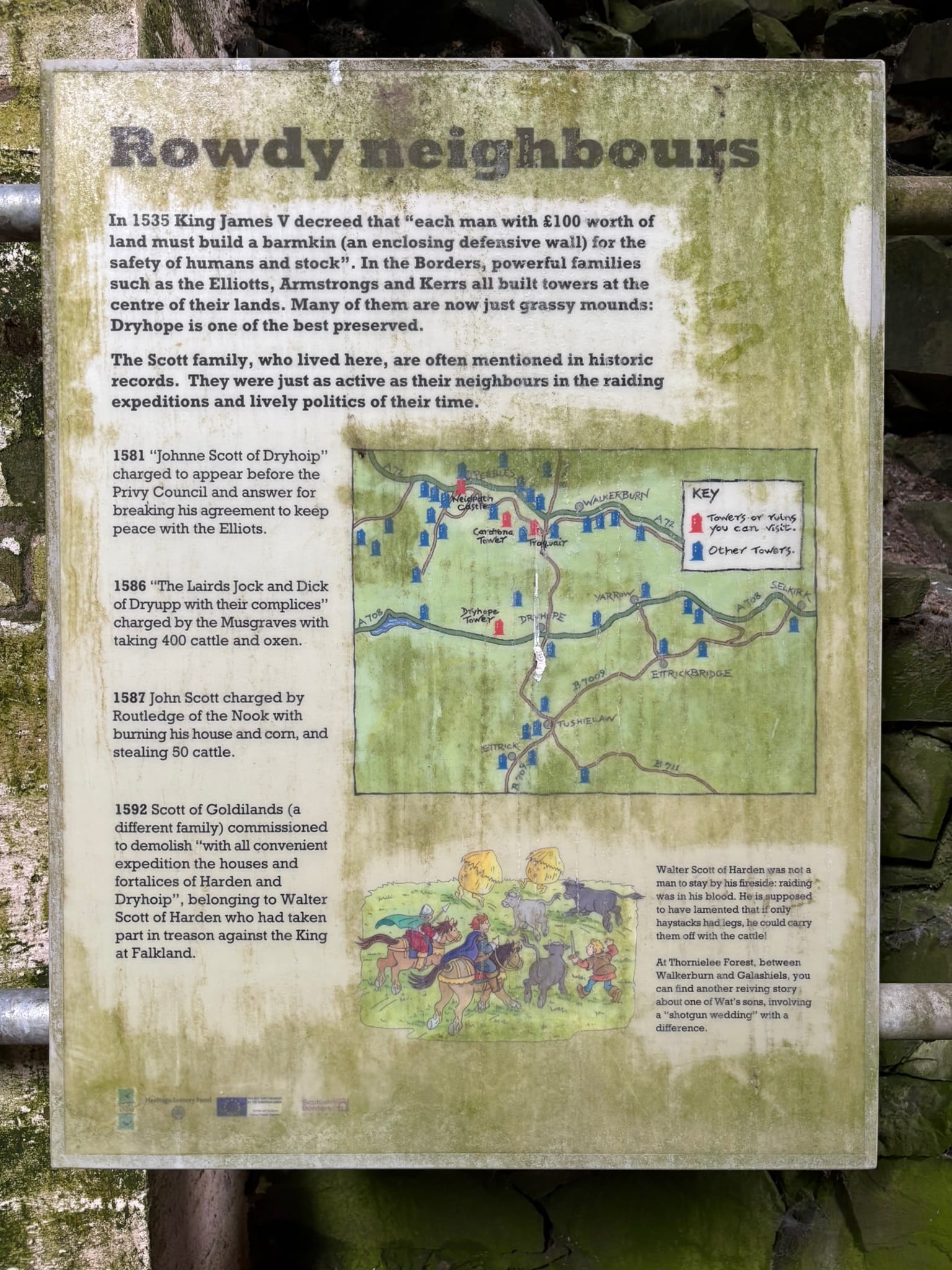
- In 1581, Johnne Scott of Dryhoip was hauled before the Privy Council for breaking peace agreements with the Elliots.
- In 1586, "The Lairds Jock and Dick of Dryupp" were charged by the Musgraves with lifting a staggering 400 cattle and oxen.
- In 1587, John Scott was charged by Routledge of the Nook with burning a house and corn, alongside stealing 50 cattle.
In a fragile agrarian landscape where currency was scarce and crops were perpetually vulnerable to weather or state-sanctioned destruction, cattle and livestock functioned as liquid capital.
Raiding was a rational, collective method of wealth redistribution and political leverage between competing kinship groups. Feuds operated as an alternative legal framework where social prestige and economic survival were maintained through force.
Architecture as Spatial Inequality
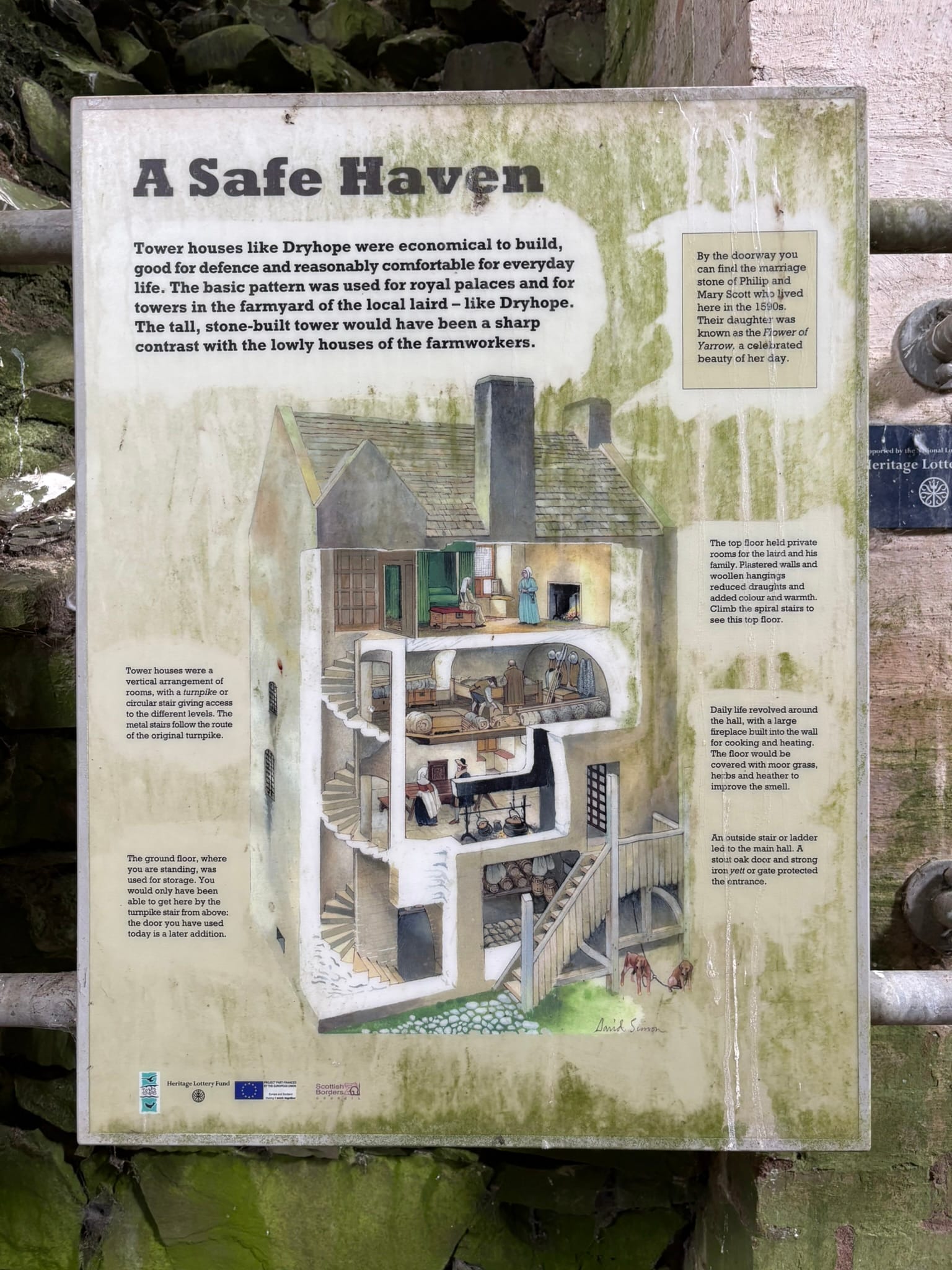
The architectural layout of Dryhope Tower provides a direct map of class stratification and insecurity. Following King James V's 1535 decree mandating that landholders with one hundred pounds worth of land must build defensive barmkins (enclosing walls) for the safety of humans and stock, tower houses became the ultimate expression of elite survival.
The structural profile of the tower reveals a stark hierarchy:
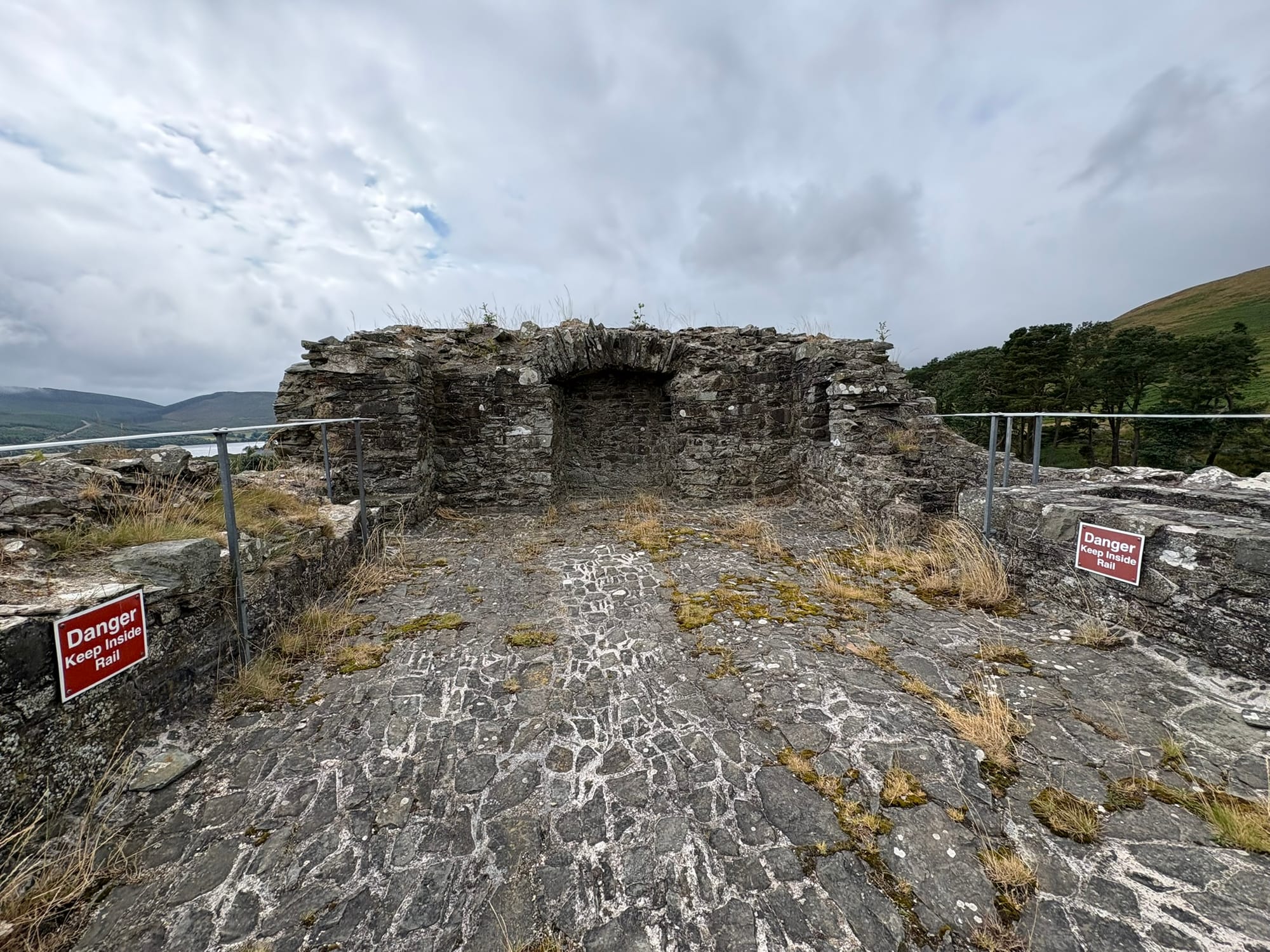
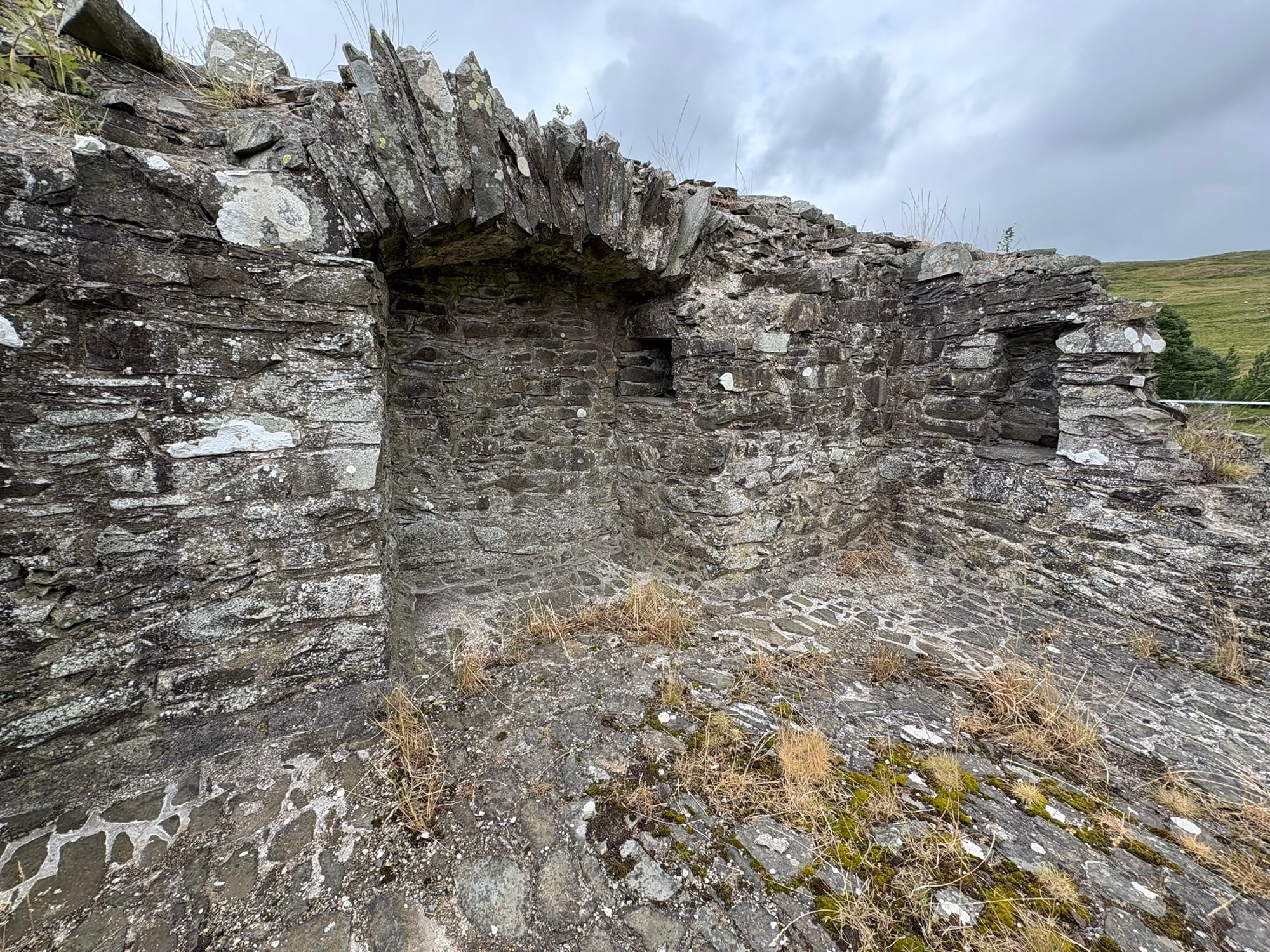
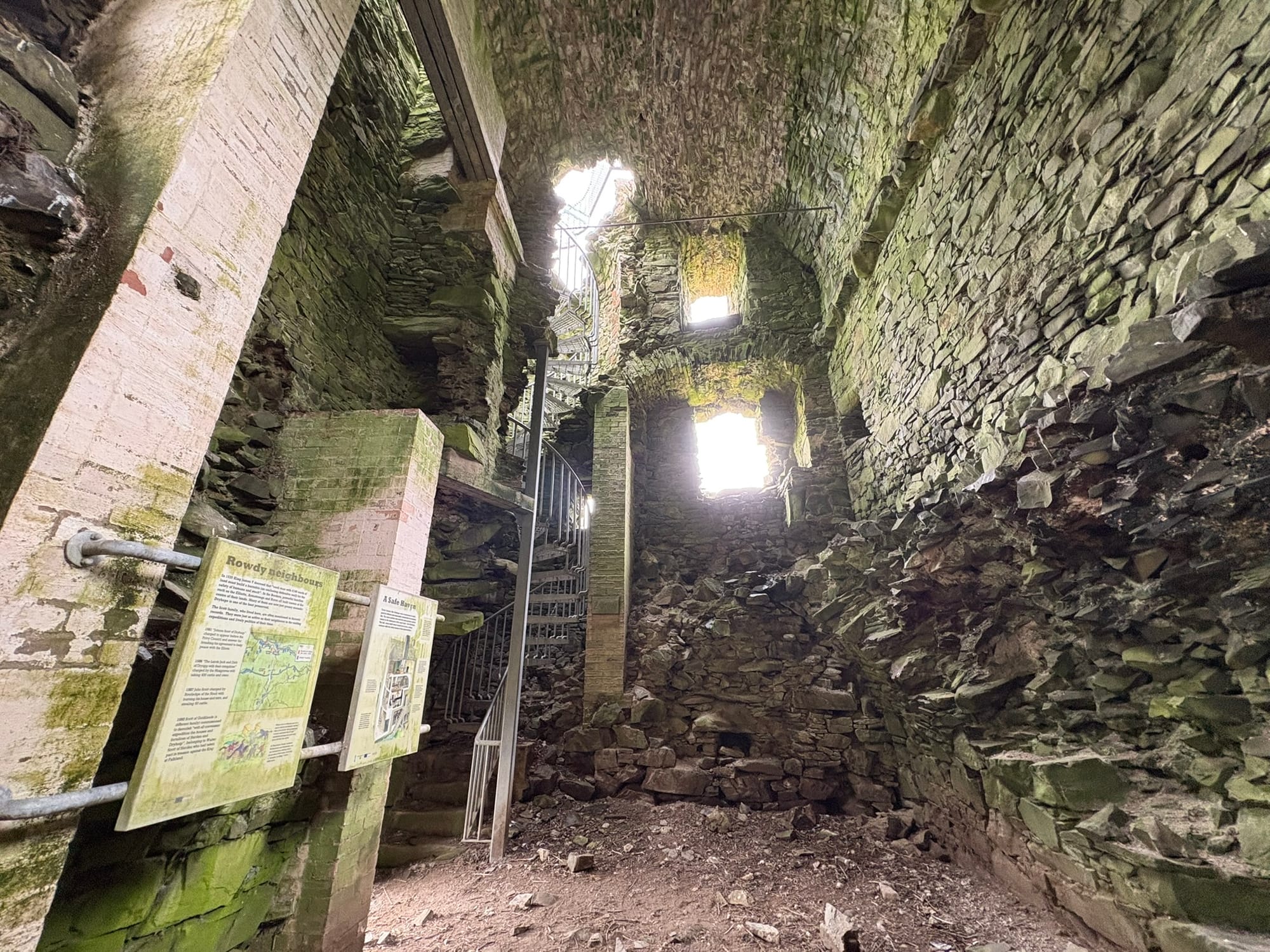
- The Ground Floor: Vaulted, secure, and windowless, this space was dedicated to storing vital livestock and material assets.
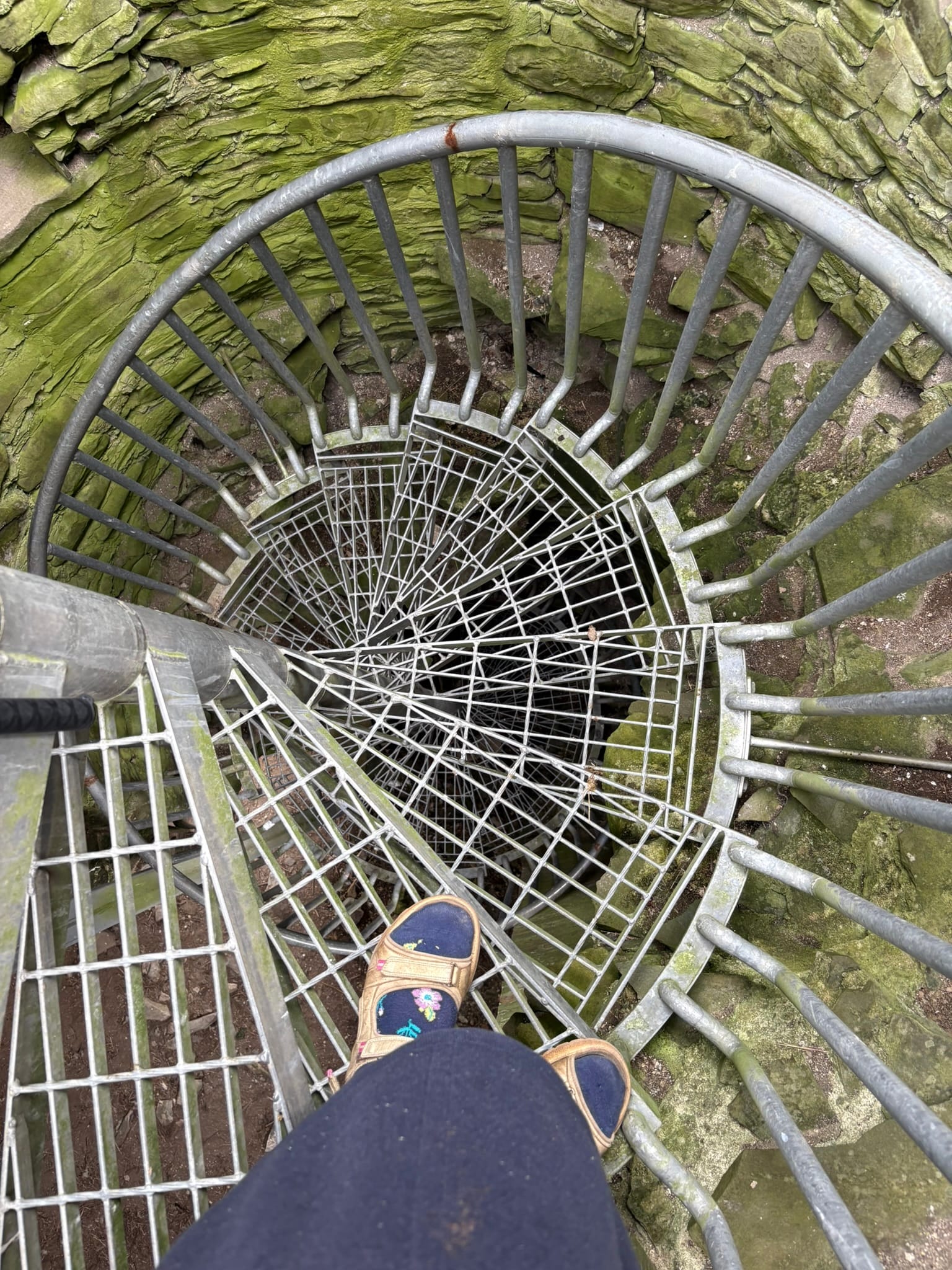
- The Upper Chambers: Reached via a turn-pike stair, the upper floors housed the laird's private living quarters, complete with a large fireplace and woollen hangings designed to reduce drafts.
- The Agrarian Class: This vertical fortress stood in sharp, uncompromising contrast to the "lowly houses of the farmworkers" spread across the surrounding landscape. The peel tower physically embodied structural inequality: the ruling strata fortified themselves behind thick stone walls while the agrarian working class bore the brunt of exposure, vulnerability, and the collateral damage of clan feuds.
The Monopoly on Violence: Criminalizing Custom
The ultimate fate of Dryhope Tower reveals the friction between local customary autonomy and the centralising state.
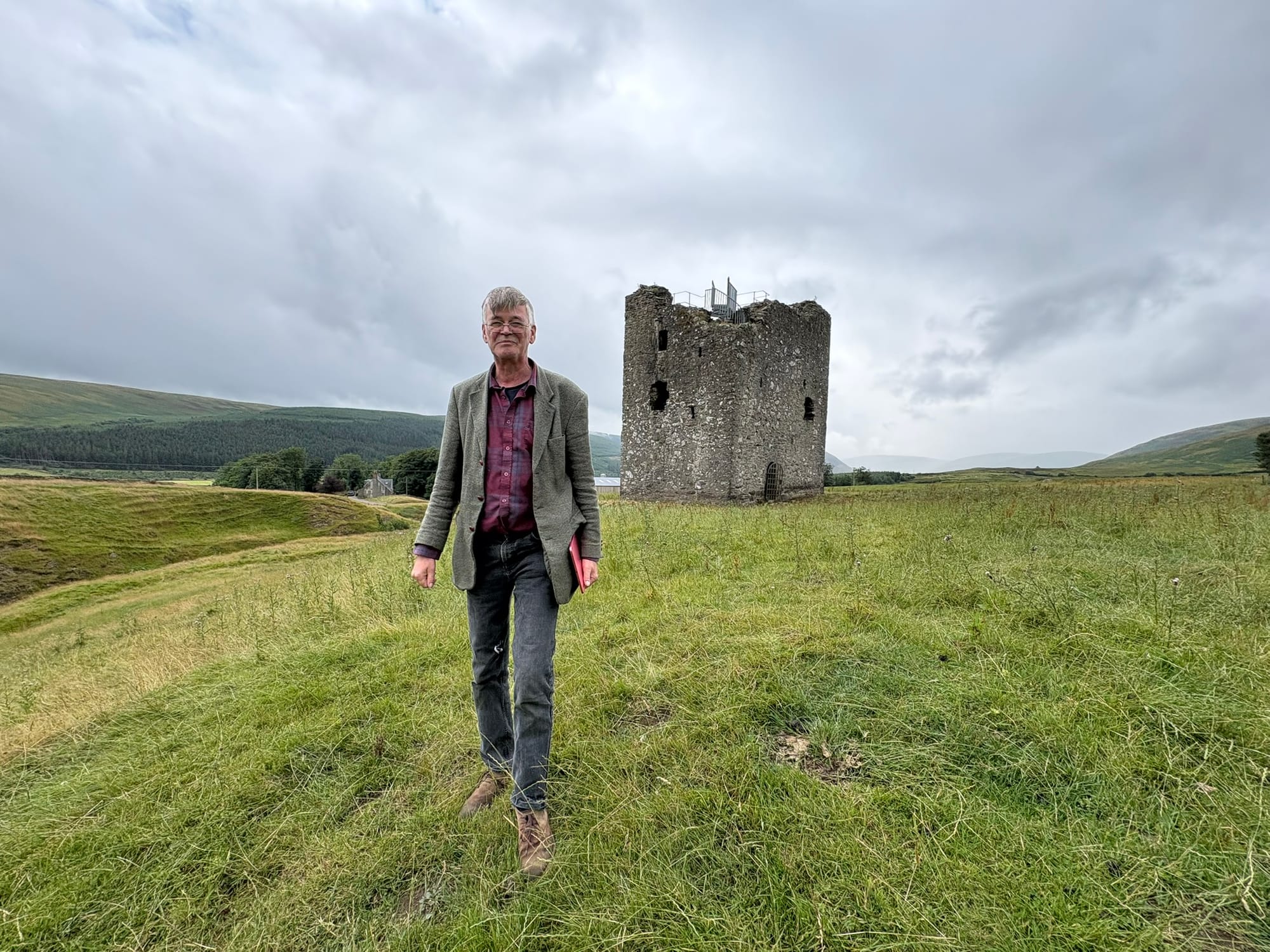
In 1592, Scott of Goldilands was commissioned to demolish the houses of Harden and Dryhope because Walter Scott of Harden had committed "treason" against the King at Falkland. What local society understood as traditional kinship obligations, feuds, and customary alliances, the emerging Stuart state recoded as criminal deviance and treason against the Crown.
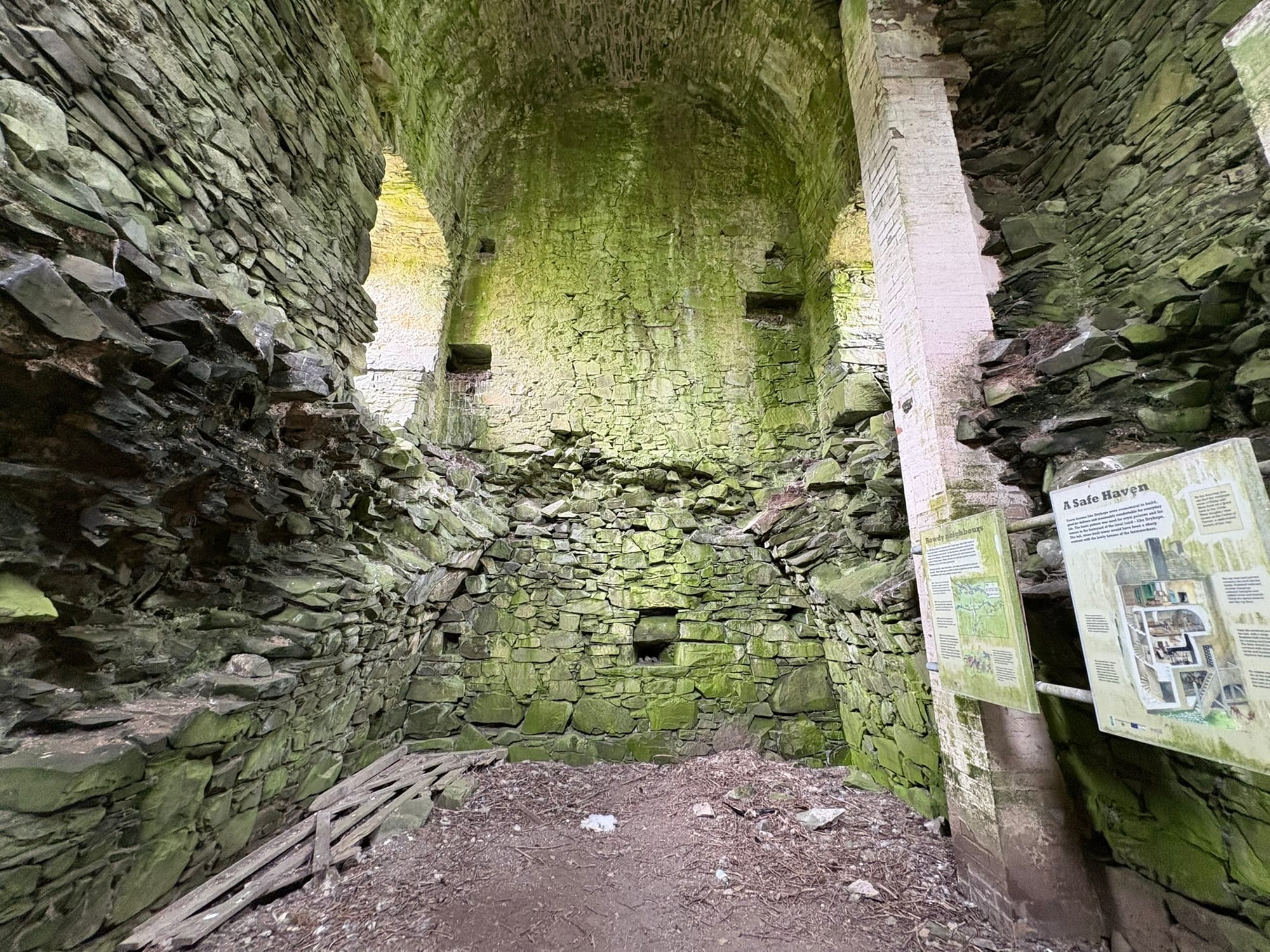
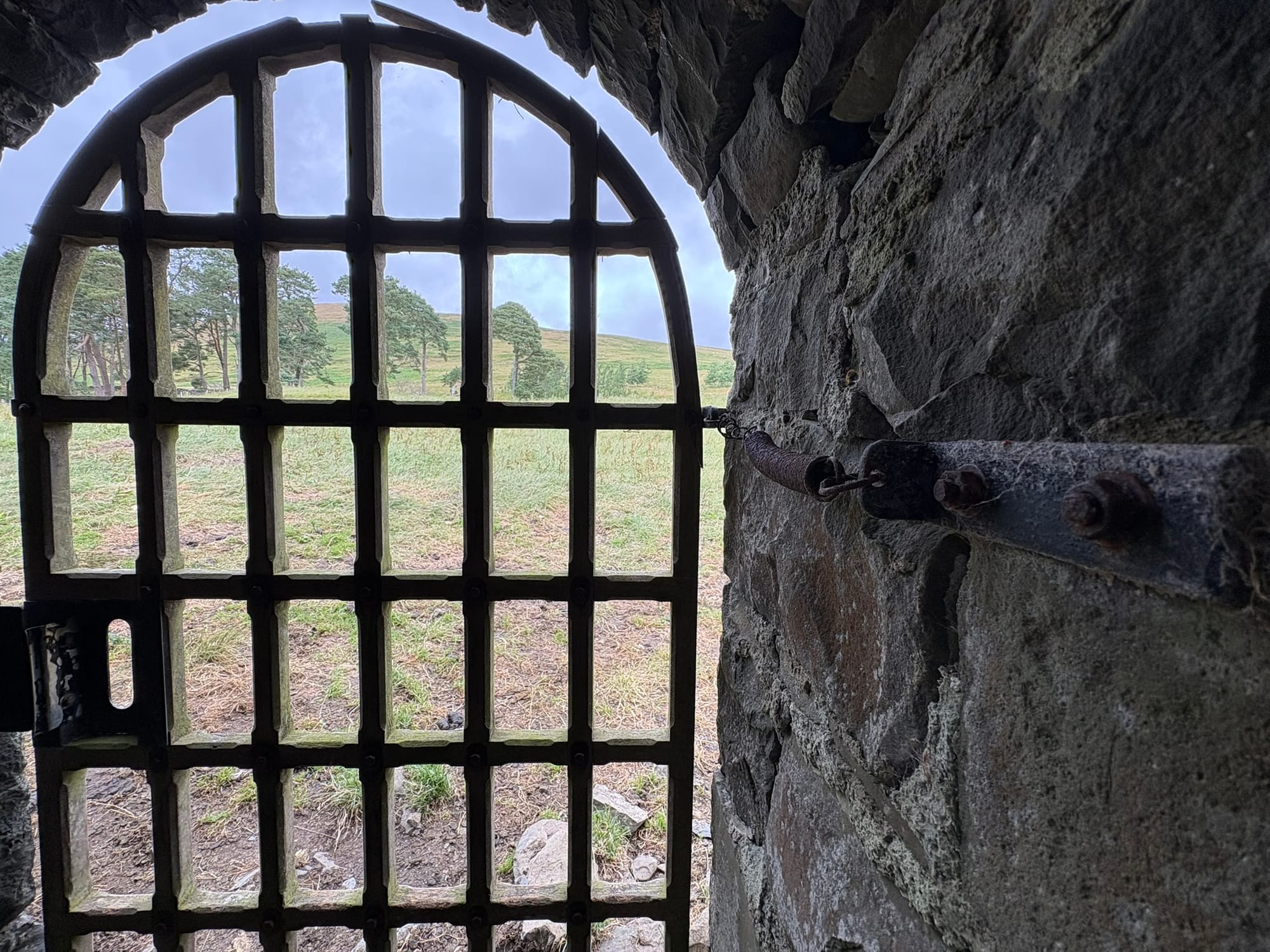
The deliberate destruction—and later rebuilding—of these towers marks the historical transition where independent, decentralised networks of power were systematically dismantled to establish a state monopoly on violence. Today, the quiet, stabilised stones of Dryhope stand silently in the Yarrow valley, serving as a lasting artifact of a time when architecture, economics, and survival were bound together by blood and stone.