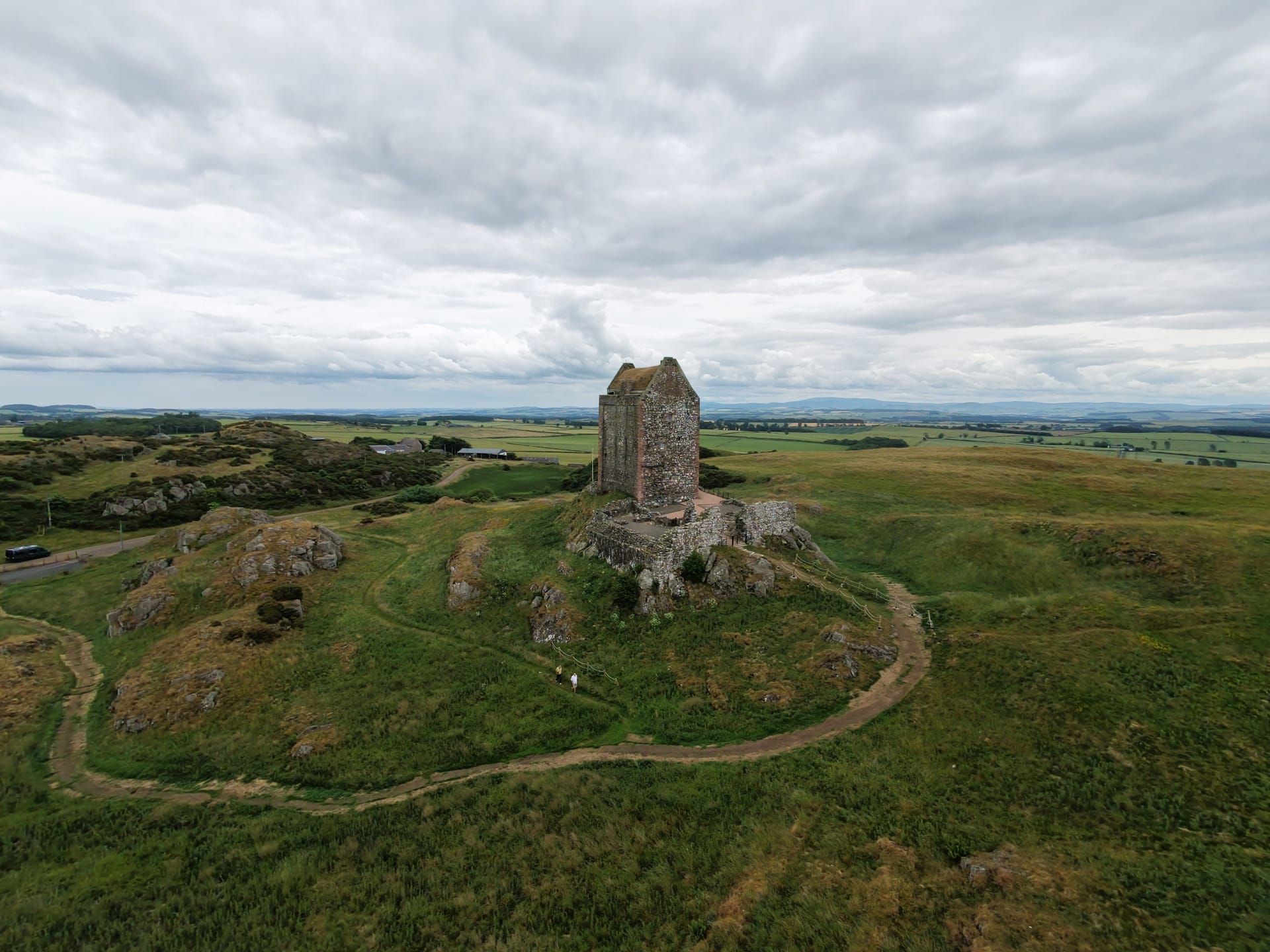
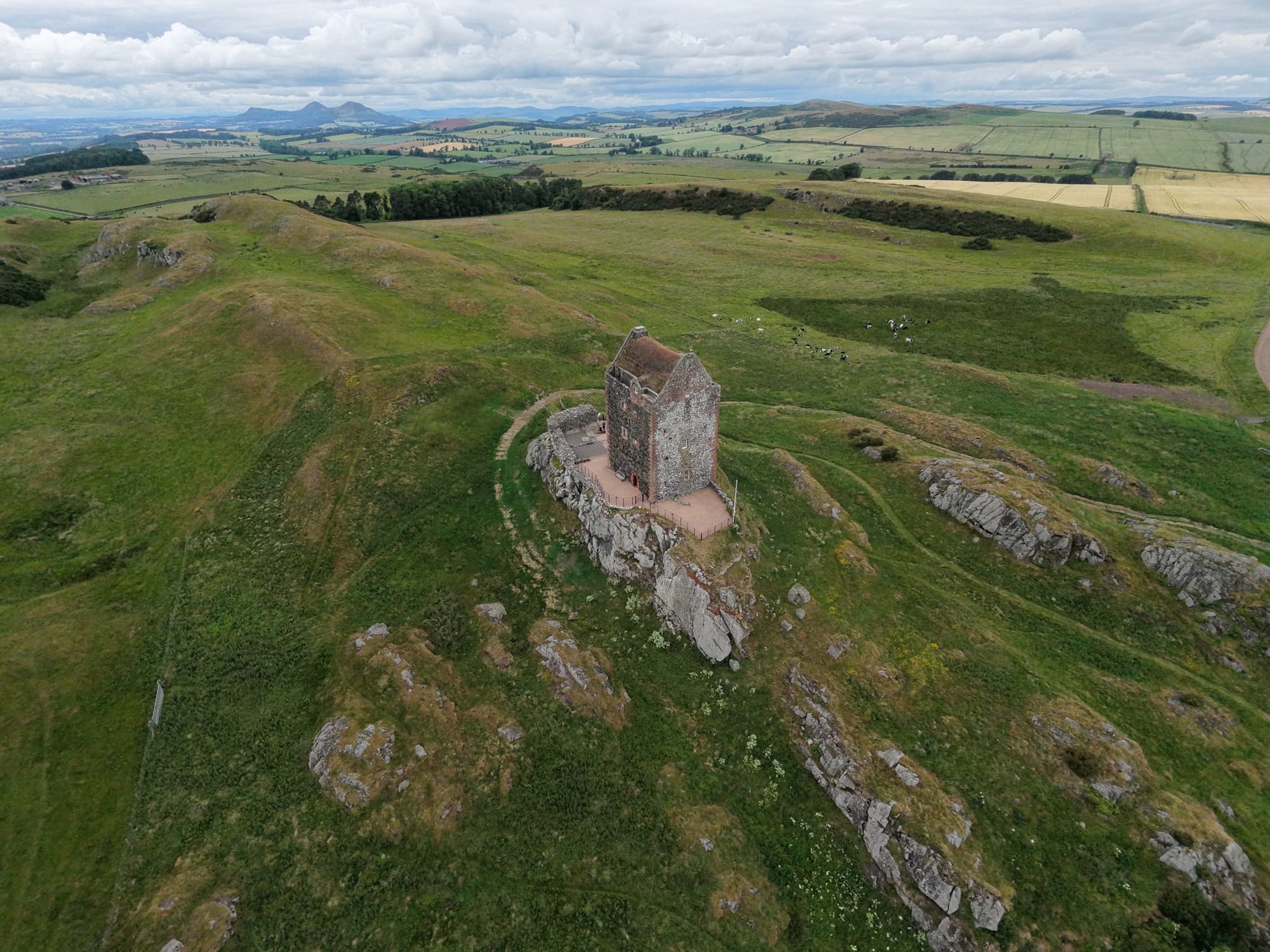
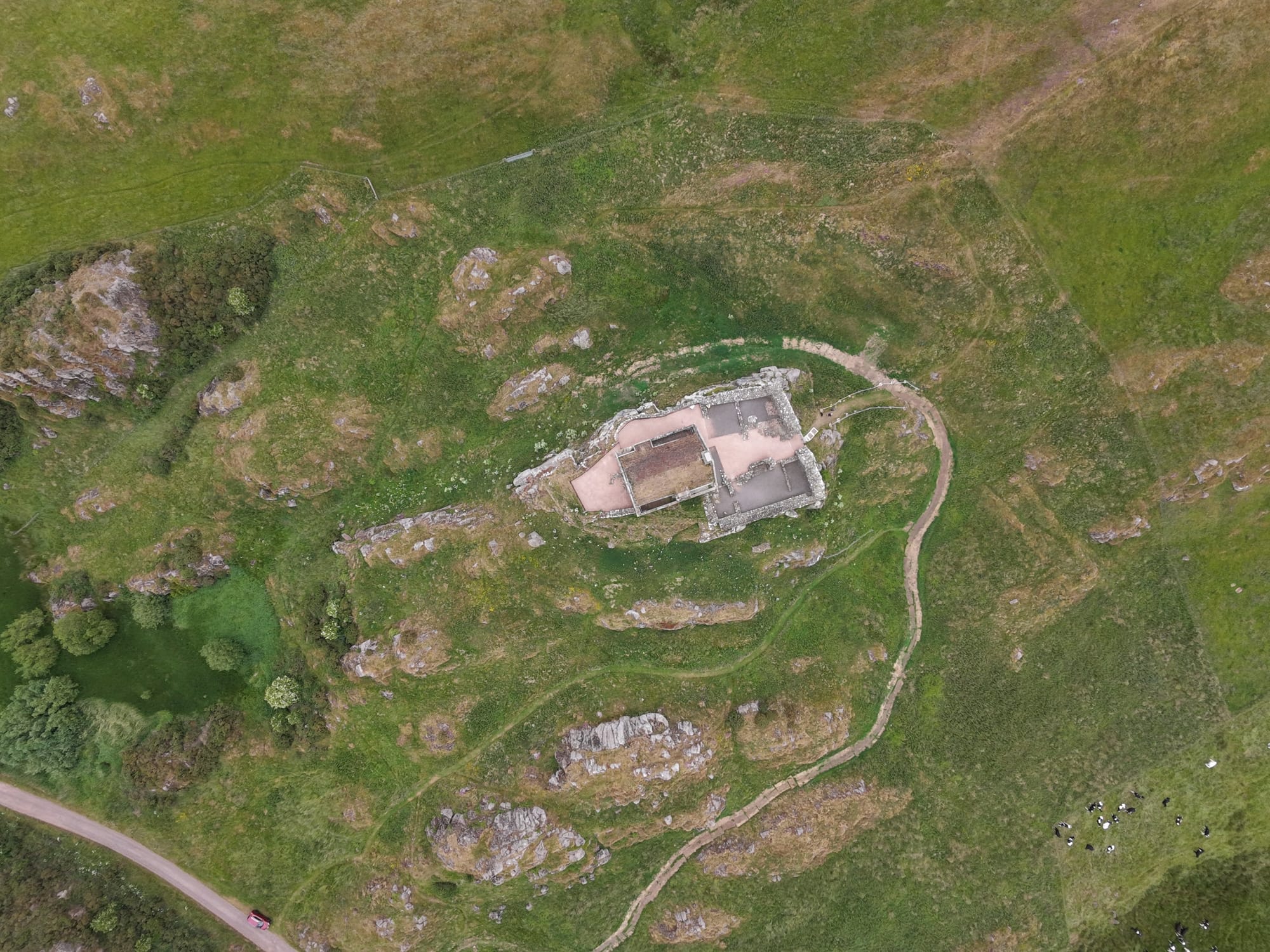
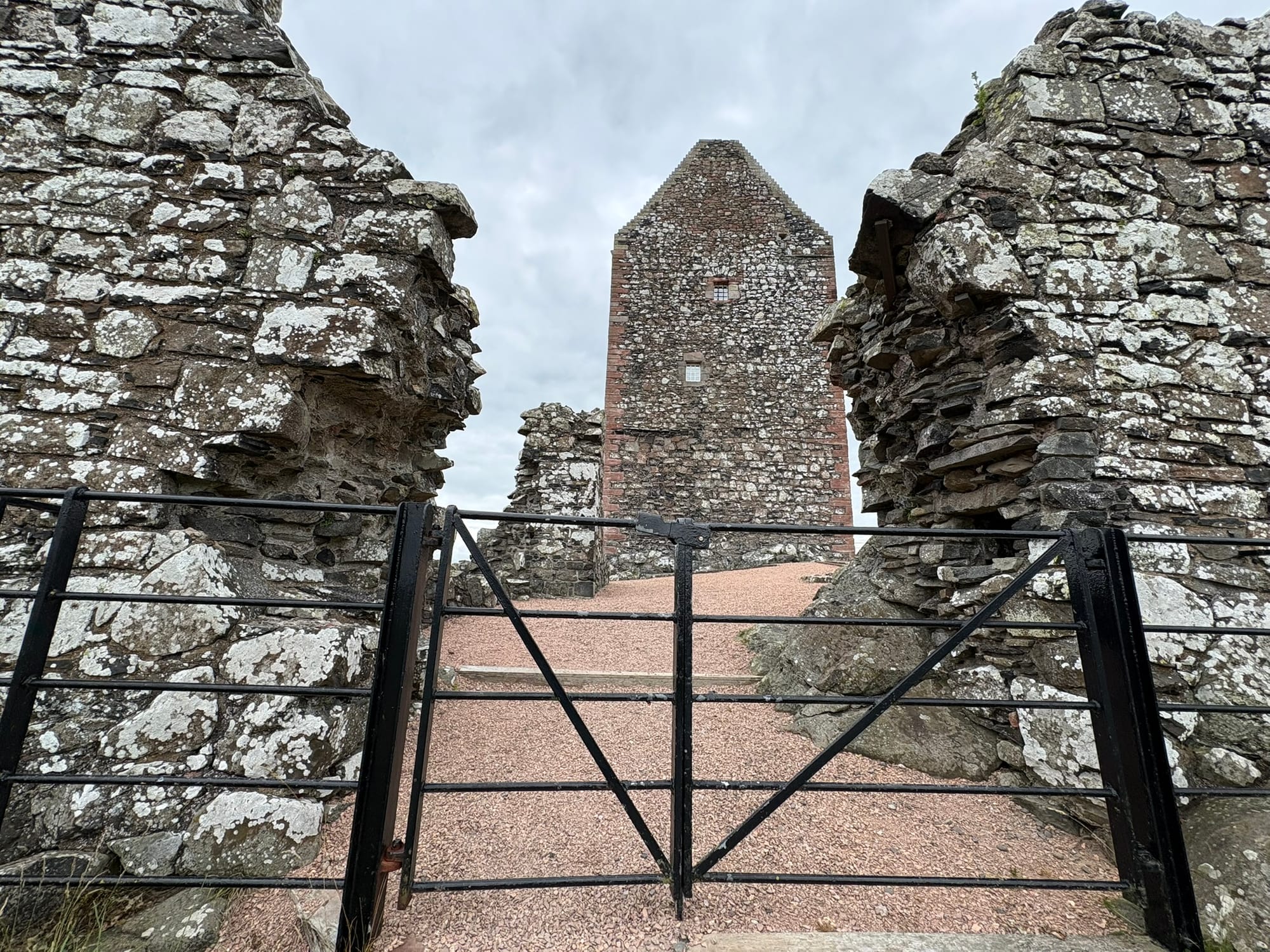
The Scottish Borders are defined by their landmarks—the monuments that rise organically from the landscape. None are quite as evocative as Smailholm Tower. Perched high on the volcanic crags of Lady Hill, the tower stands as a stark, vertical silhouette against the vast, shifting expanse of the countryside. To stand before it is to confront a physical remnant of a time when the ability to hold ground was the absolute measure of power in a contested territory.
A Fortress of the 15th Century
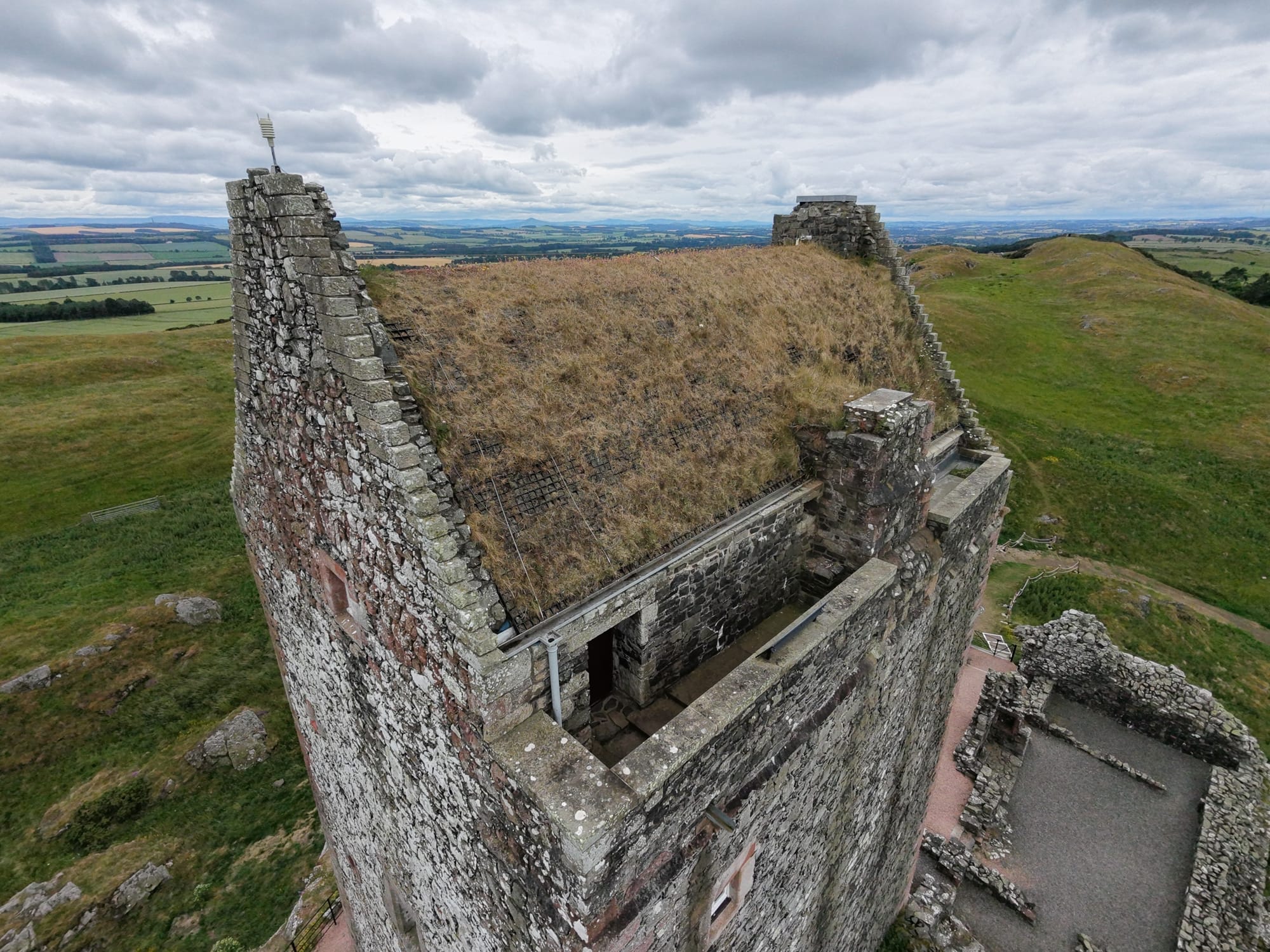
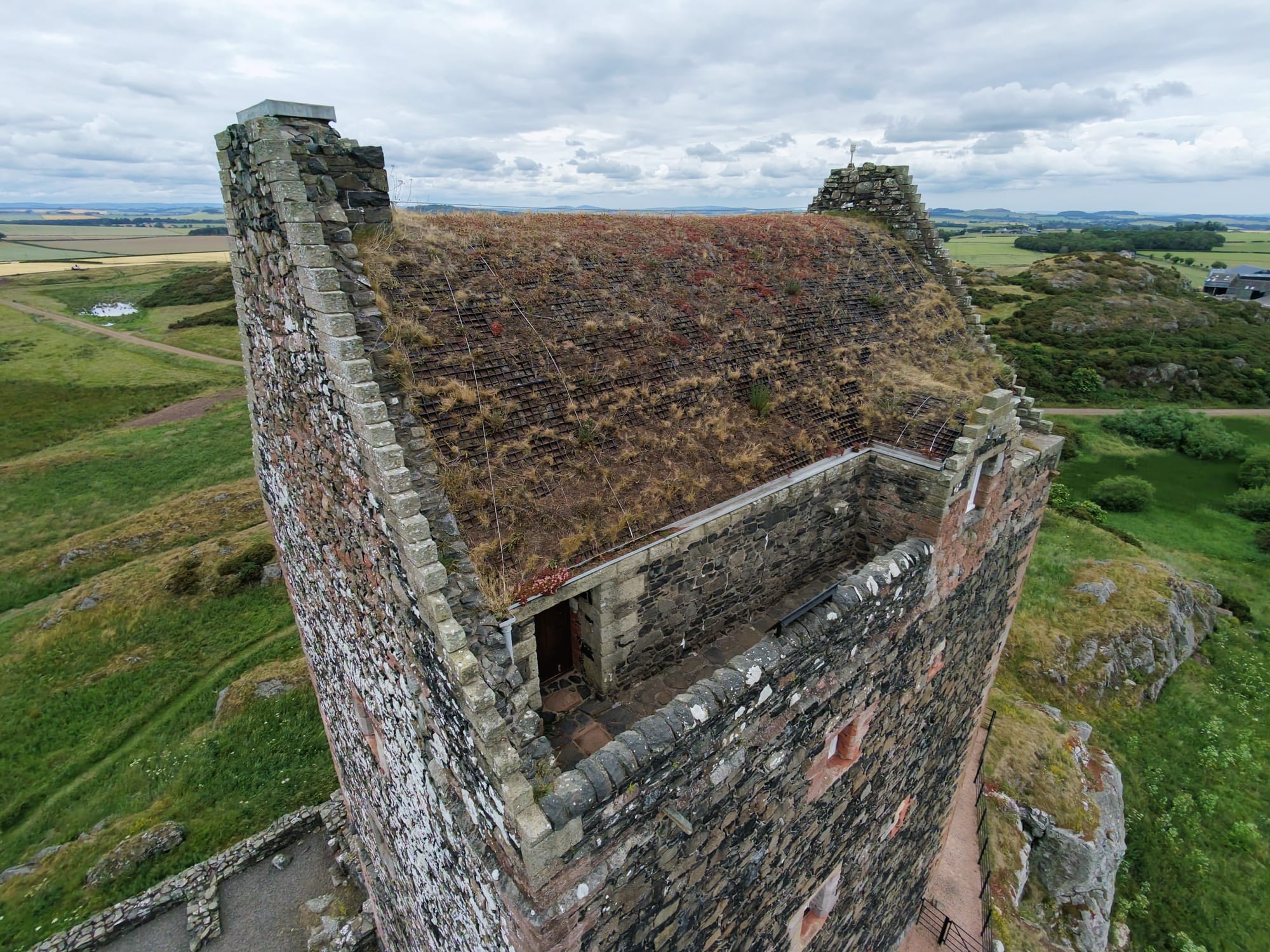
Built in the 15th or early 16th century by the Pringle family—followers of the Earl of Douglas—Smailholm was designed for one primary purpose: survival. It is a quintessential peel tower, constructed with basalt rubble walls 2.4 meters thick, engineered to withstand the volatile reality of the borderlands.
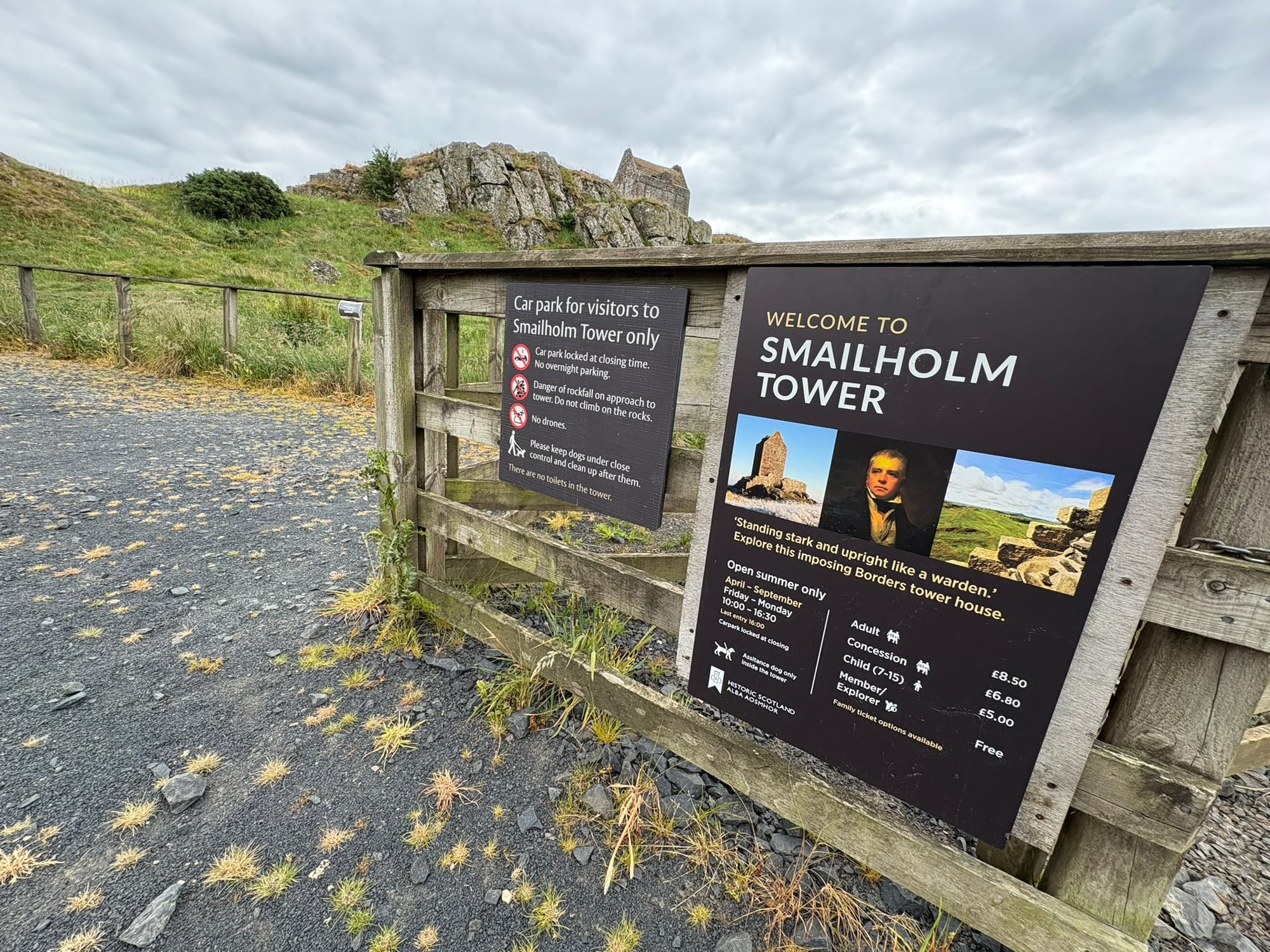
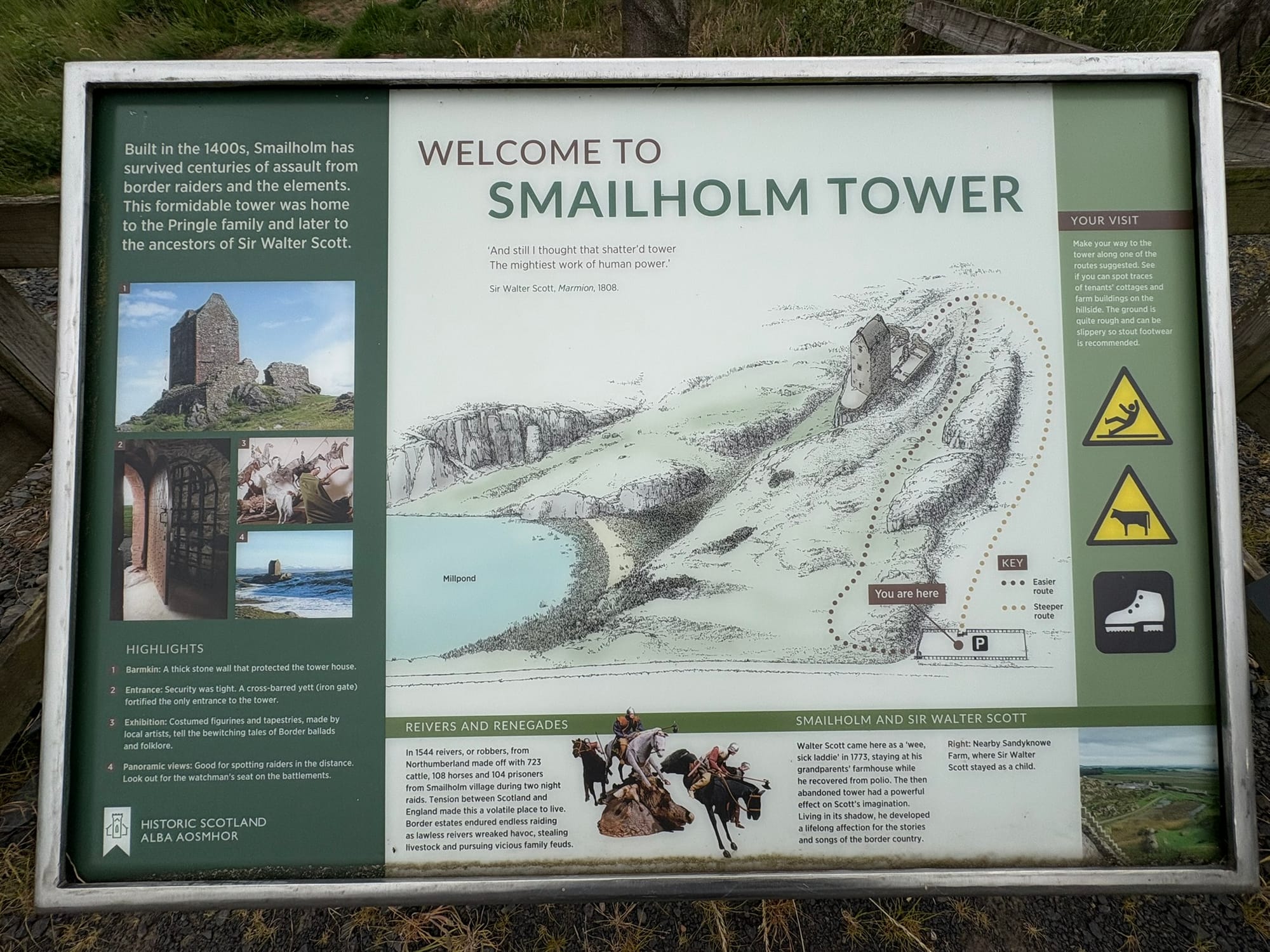
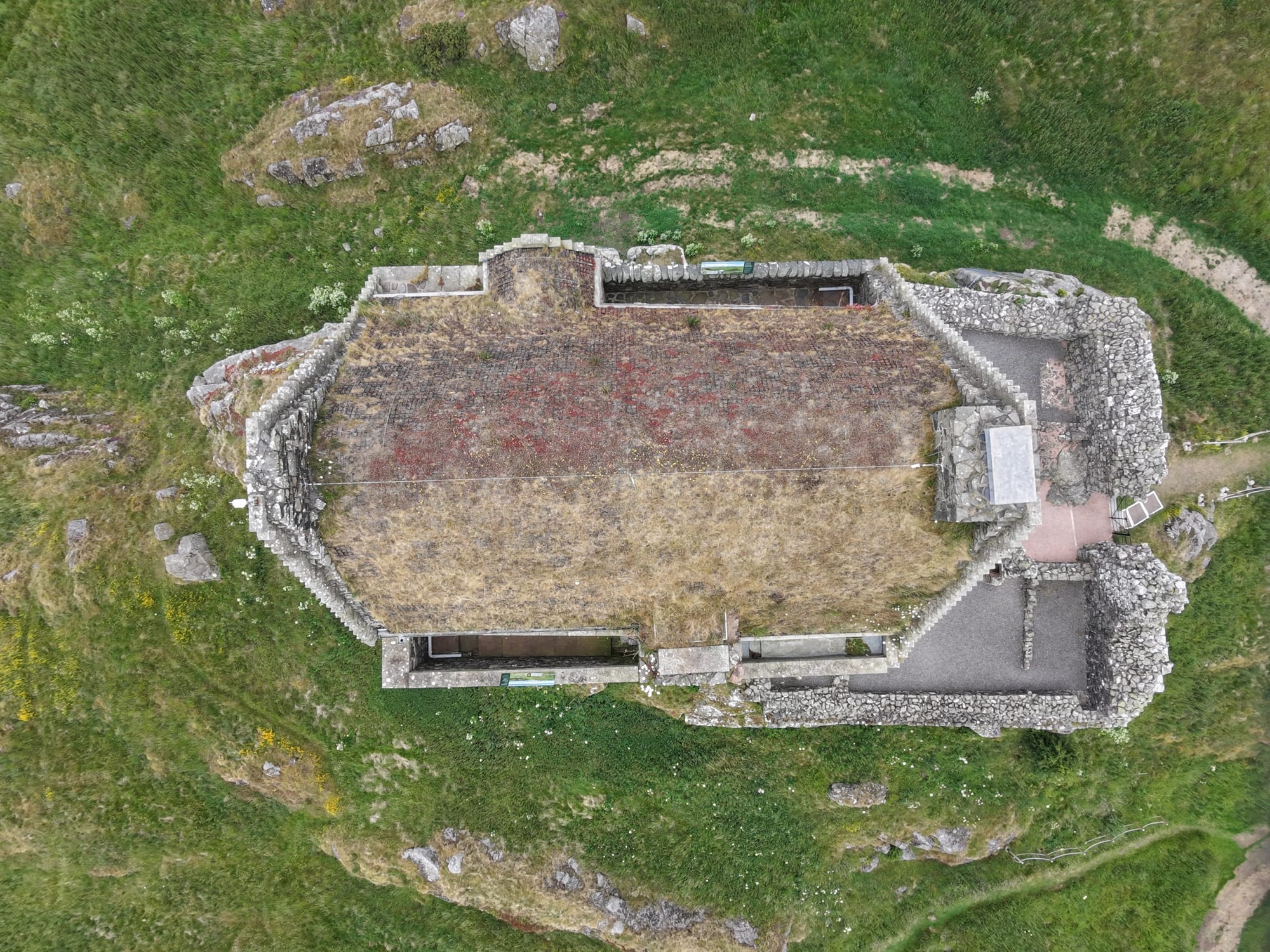
The history here is tangible and brutal. The tower was sacked by English garrisons in 1543, 1544, and 1546. The violence of this era is etched into the landscape, a 1544 raid saw Northumbrian reivers make off with 723 cattle, 108 horses, and 104 prisoners in just two nights. The barmkin—the stone wall that once enclosed a courtyard, garden, and chapel—served as the front line of defence, a stark reminder of a life defined by constant, exhausting vigilance.
The Sociological Pivot: From Sentinel to Status
The transition from Smailholm Tower to the nearby Sandyknowe Farm in the 17th century represents more than just a change in residence; it marks a sociological shift in the nature of power. As the Scotts of Harden moved from the exposed, austere tower to the more comfortable, accessible farmhouse at Sandyknowe, they were participating in a broader historical trend: the movement from the "fortified home" of a warrior-caste to the "landed estate" of a governing class.
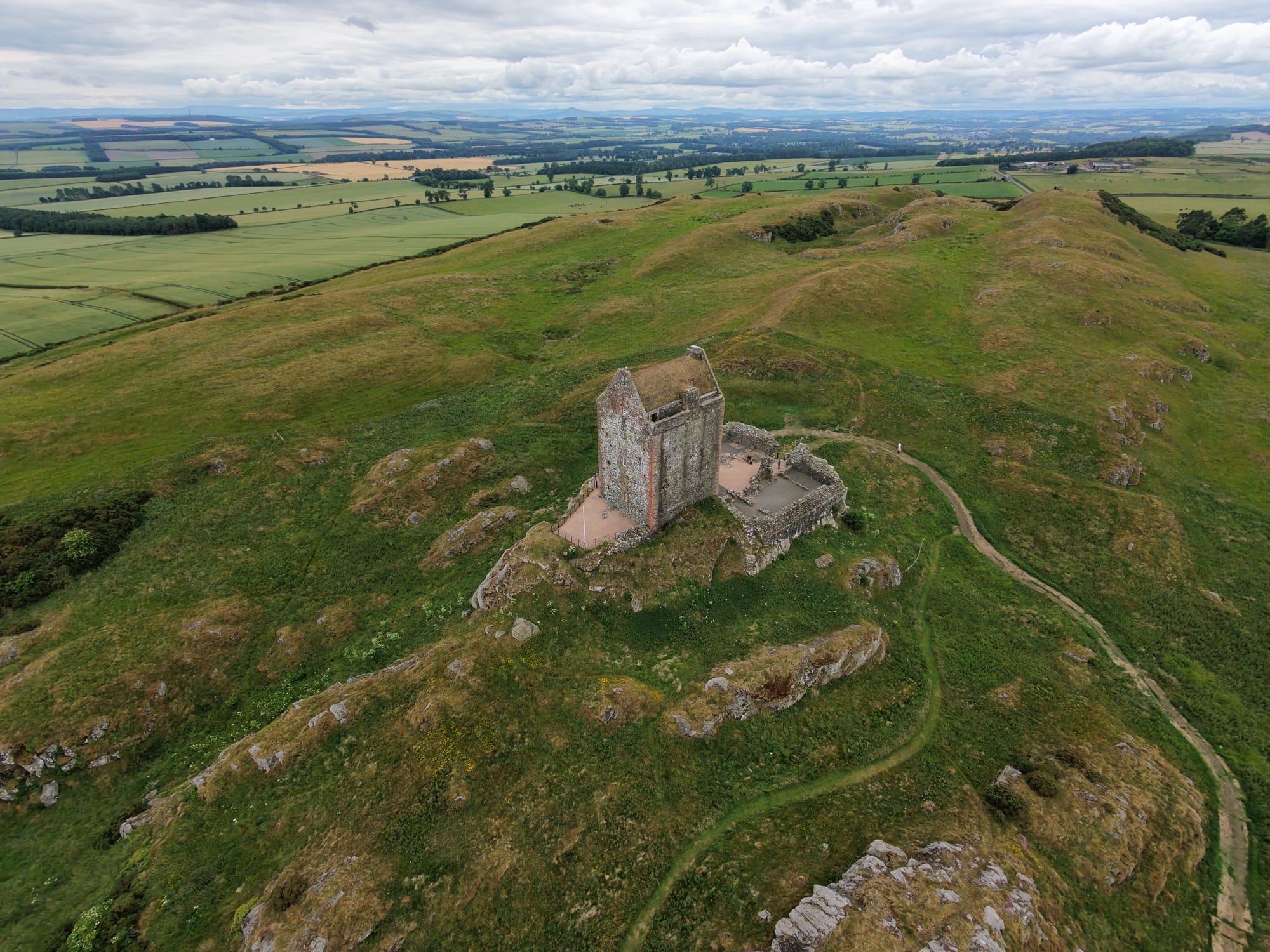
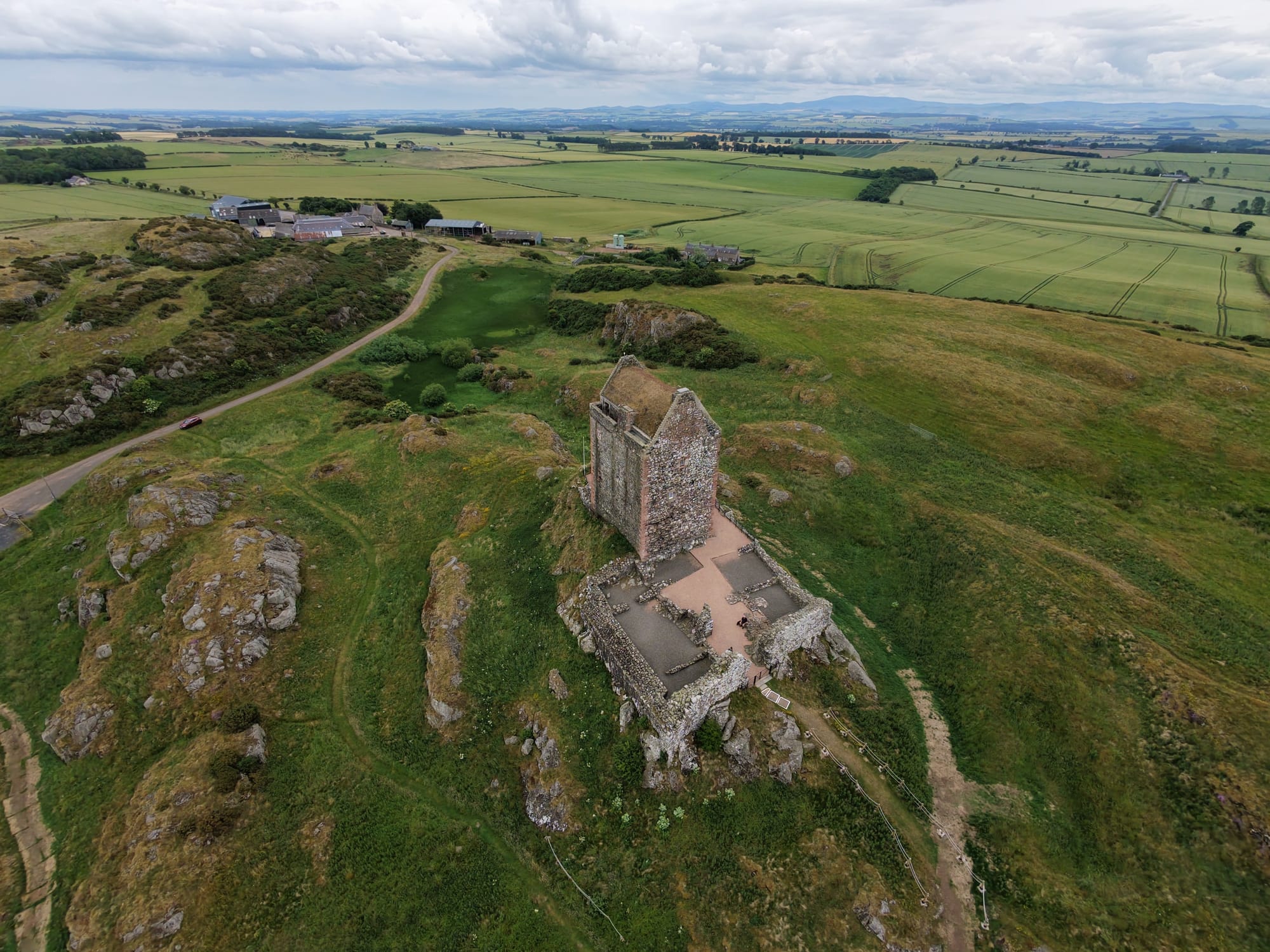
Sociologically, this is where the "feudal" legacy of the Borders begins to hide in plain sight. The tower was a visible tool of protection and defence in a lawless borderland, but the farm—and the massive estate structure it represented—became an instrument of administrative and economic control. The move to Sandyknowe reflects the consolidation of power that would eventually define the region’s landscape for centuries, moving from active conflict to the quiet, structural dominance of landownership.
A Crucible for the Imagination
It was at this very site—Sandyknowe Farm—that the tower found its most famous chronicler. In 1773, a young Sir Walter Scott was sent to the farm to recover from polio. Living in the shadow of Smailholm, Scott found the profound inspiration that would define his life’s work.
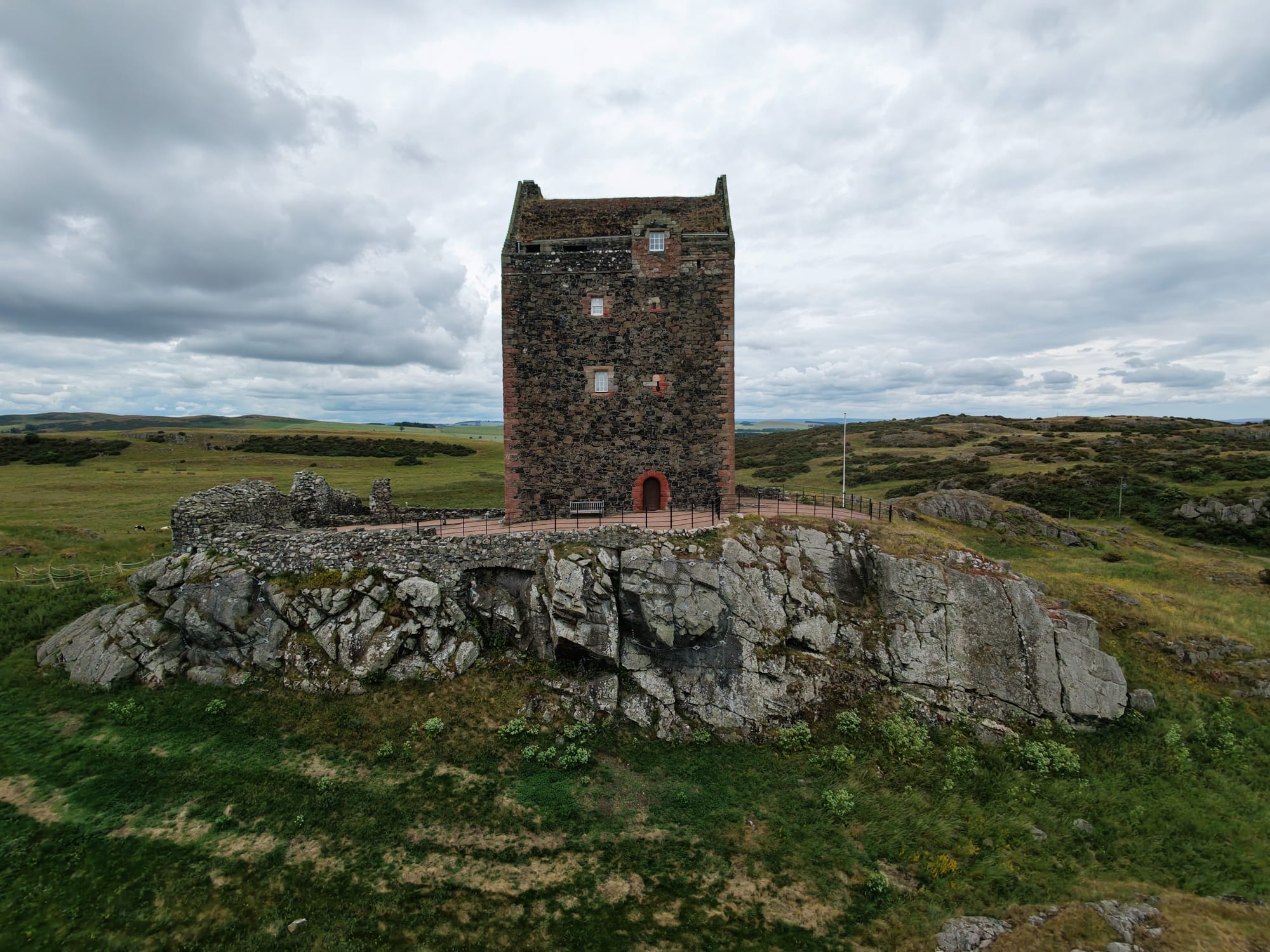
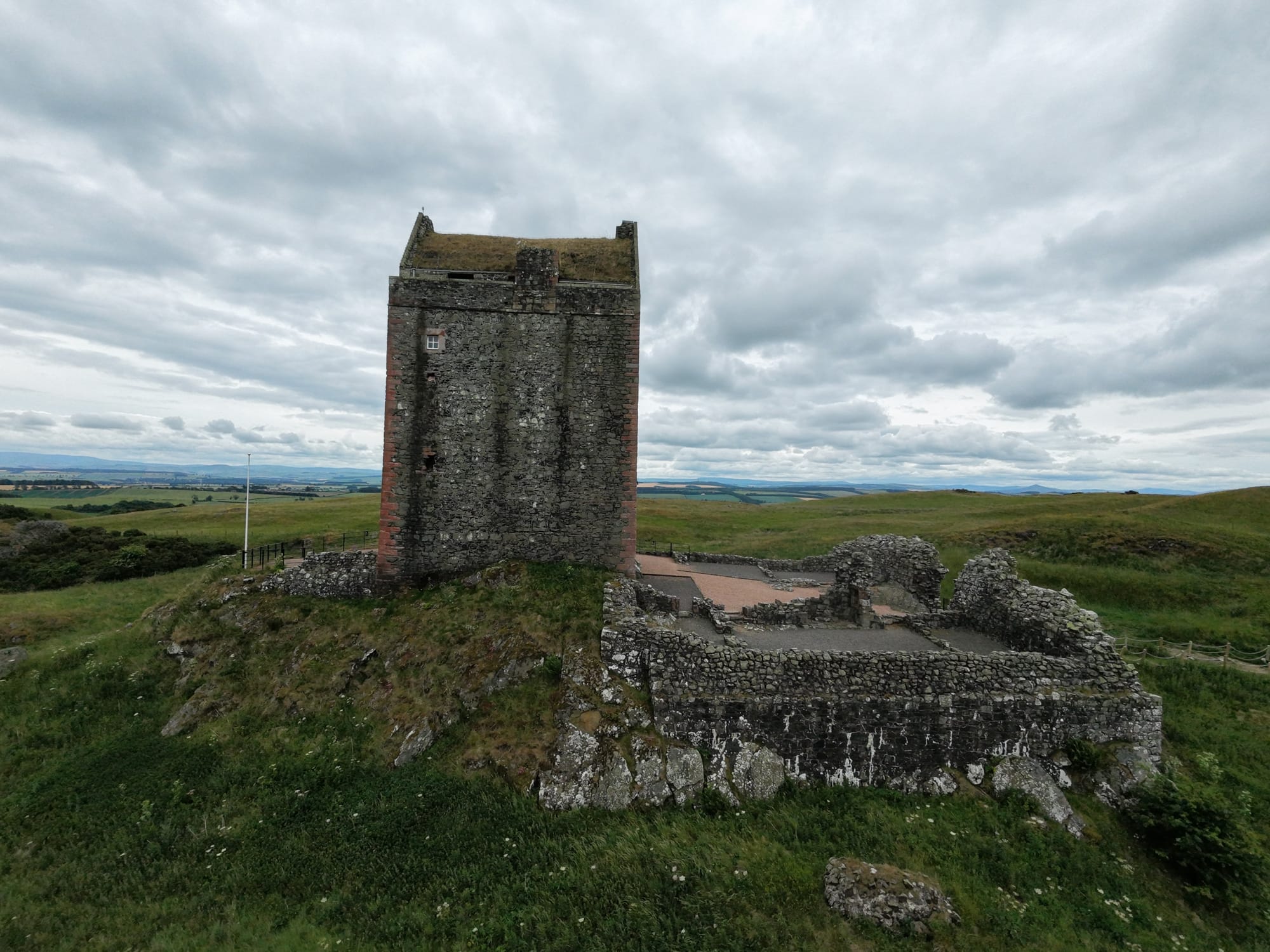
He immortalised the site in his poem Marmion, and his lifelong affection for the stories, ballads, and folklore of the border country was forged in the shadow of these very walls.
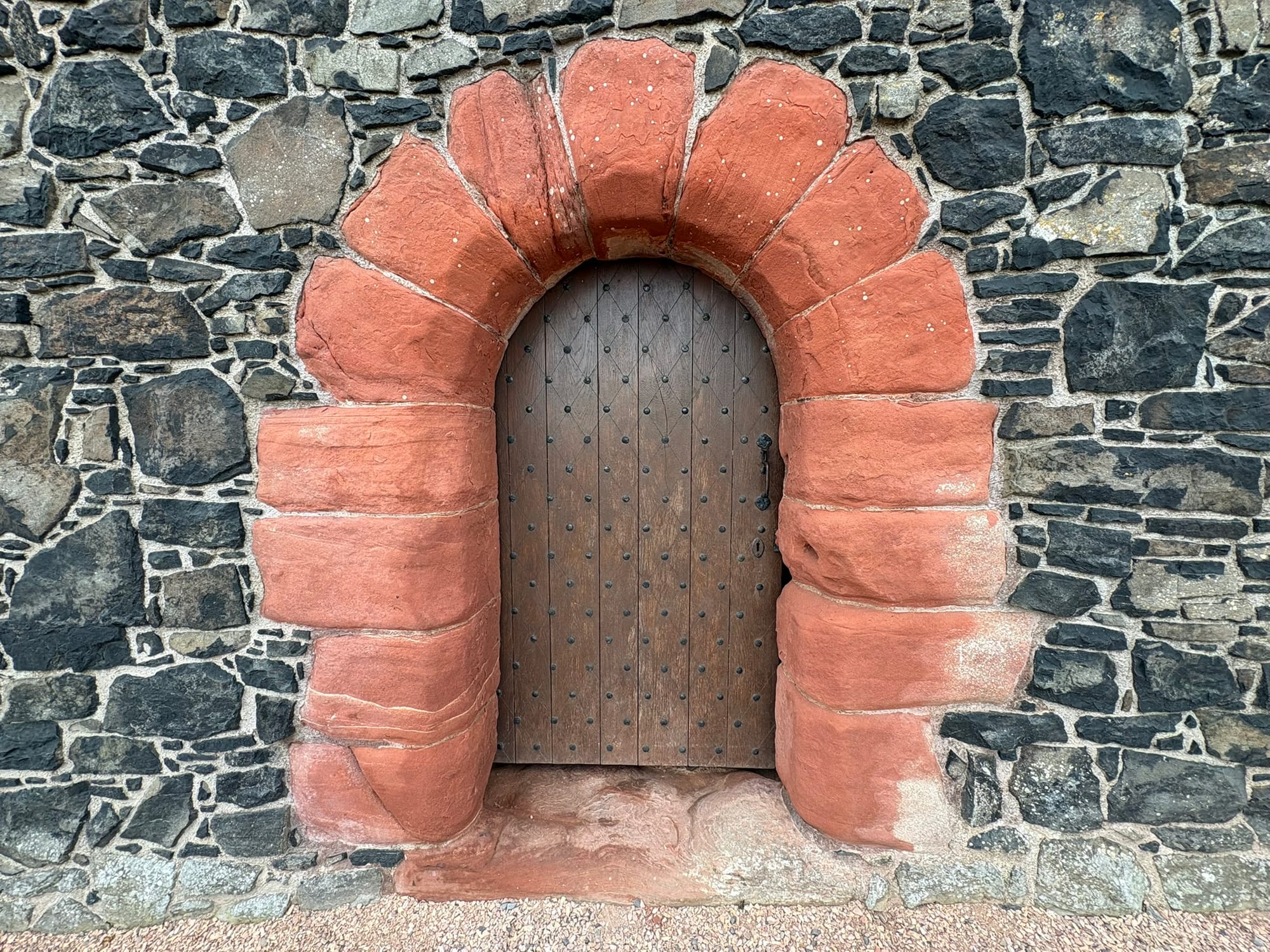
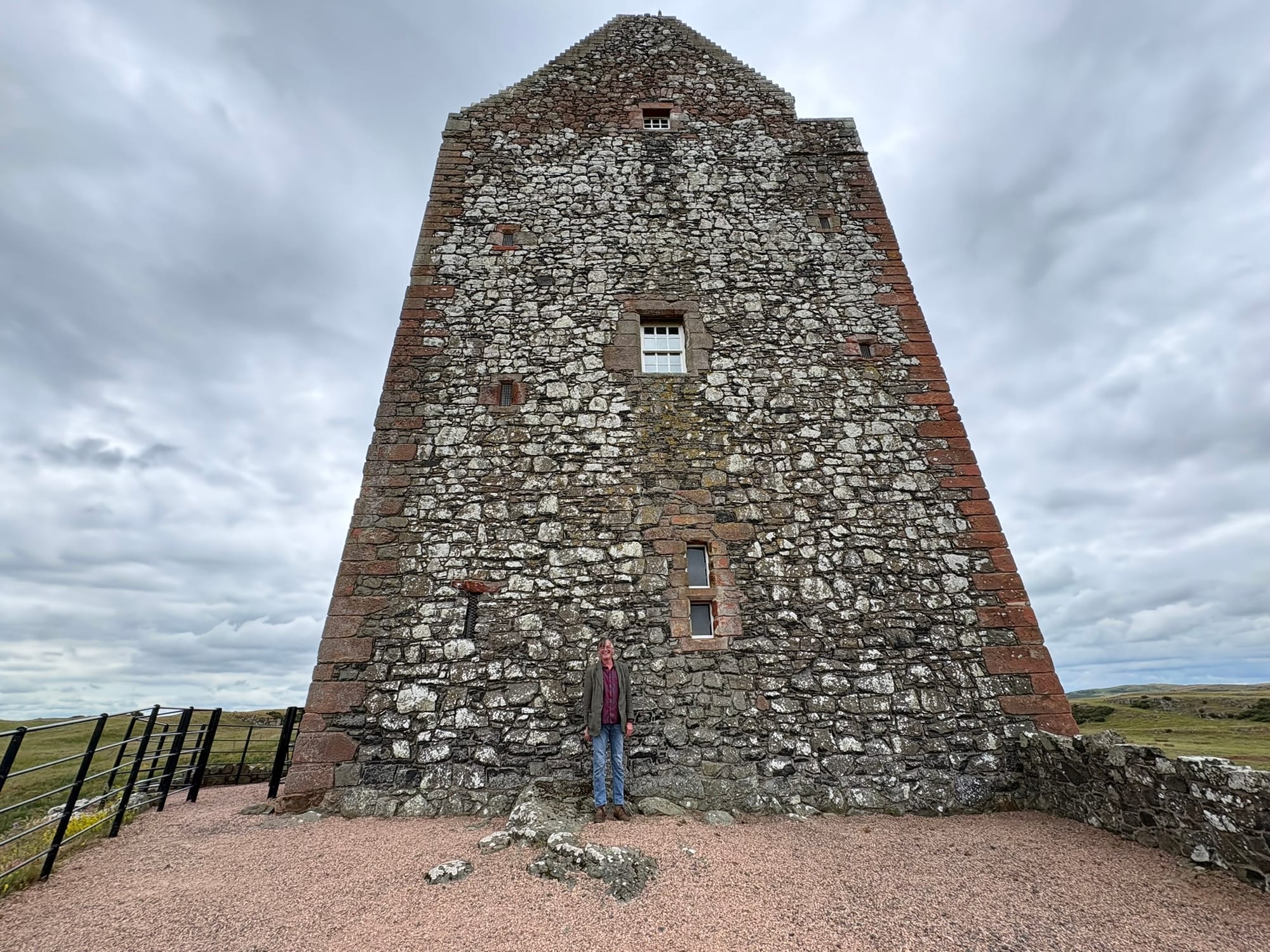
His connection to the site was so significant that his uncle later restored the tower around 1800 to ensure its preservation, and it even became a destination for the painter J.M.W. Turner, who visited with Scott in the author's later years to sketch the tower for Scott’s Poetical Works.
The Sentinel Today
Today, Smailholm Tower stands under the care of Historic Environment Scotland, having been extensively restored in the 1980s, with a traditional turf roof reinstated in 2010/11 to protect the masonry. Whether you are looking at the carved human face in the hall’s fireplace or gazing from the parapet walks where watchmen once stood, the tower remains a silent, stoic observer.
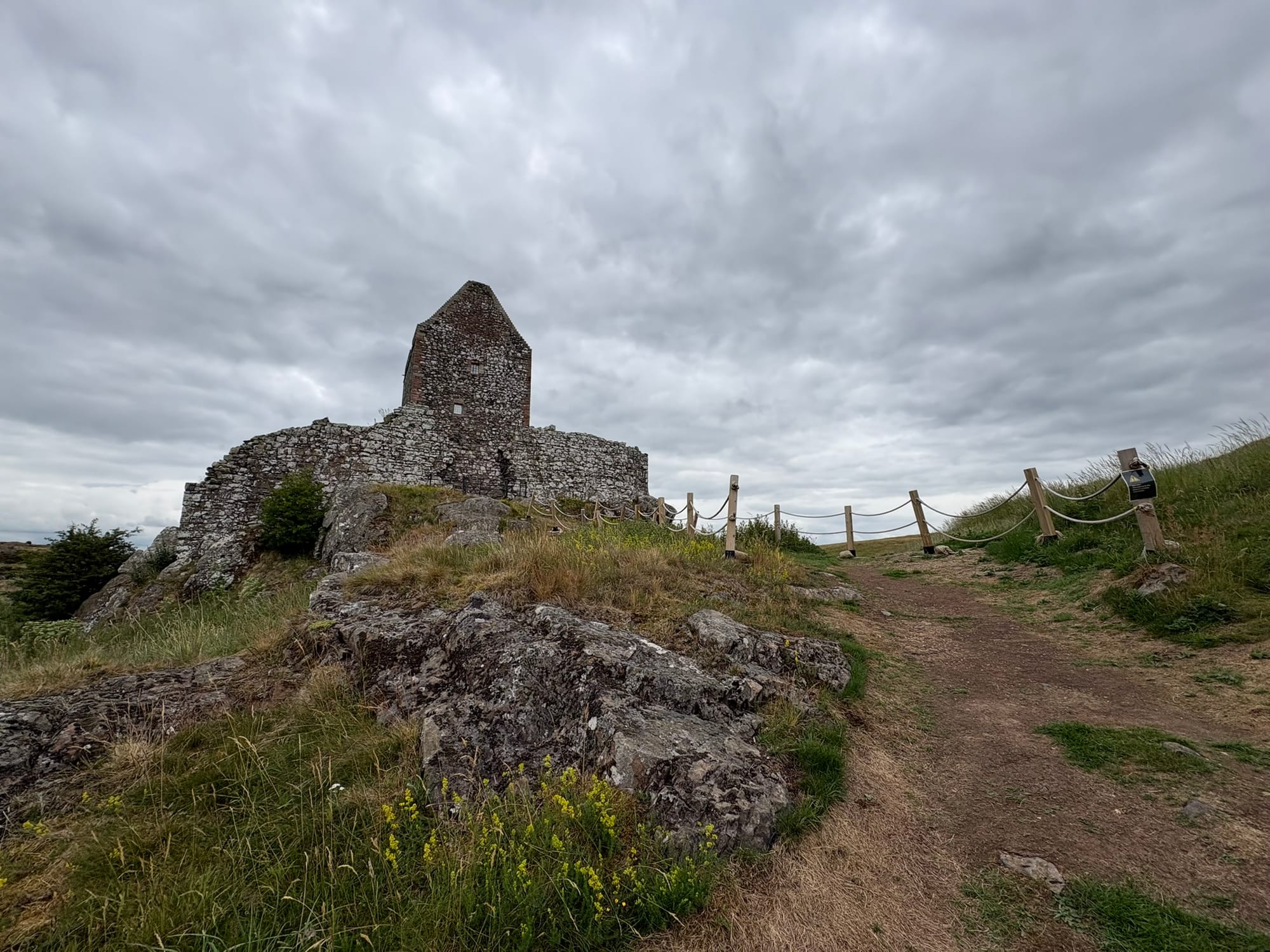
It stands now not as a weapon of war, but as a sentinel, preserving the layered, often violent, history of the Borders for those who make the climb to see it today. It reminds us that while the explicit threats of the 1500s have faded, the structures they built—and the power dynamics they cemented—remain deeply embedded in the soil of the region.