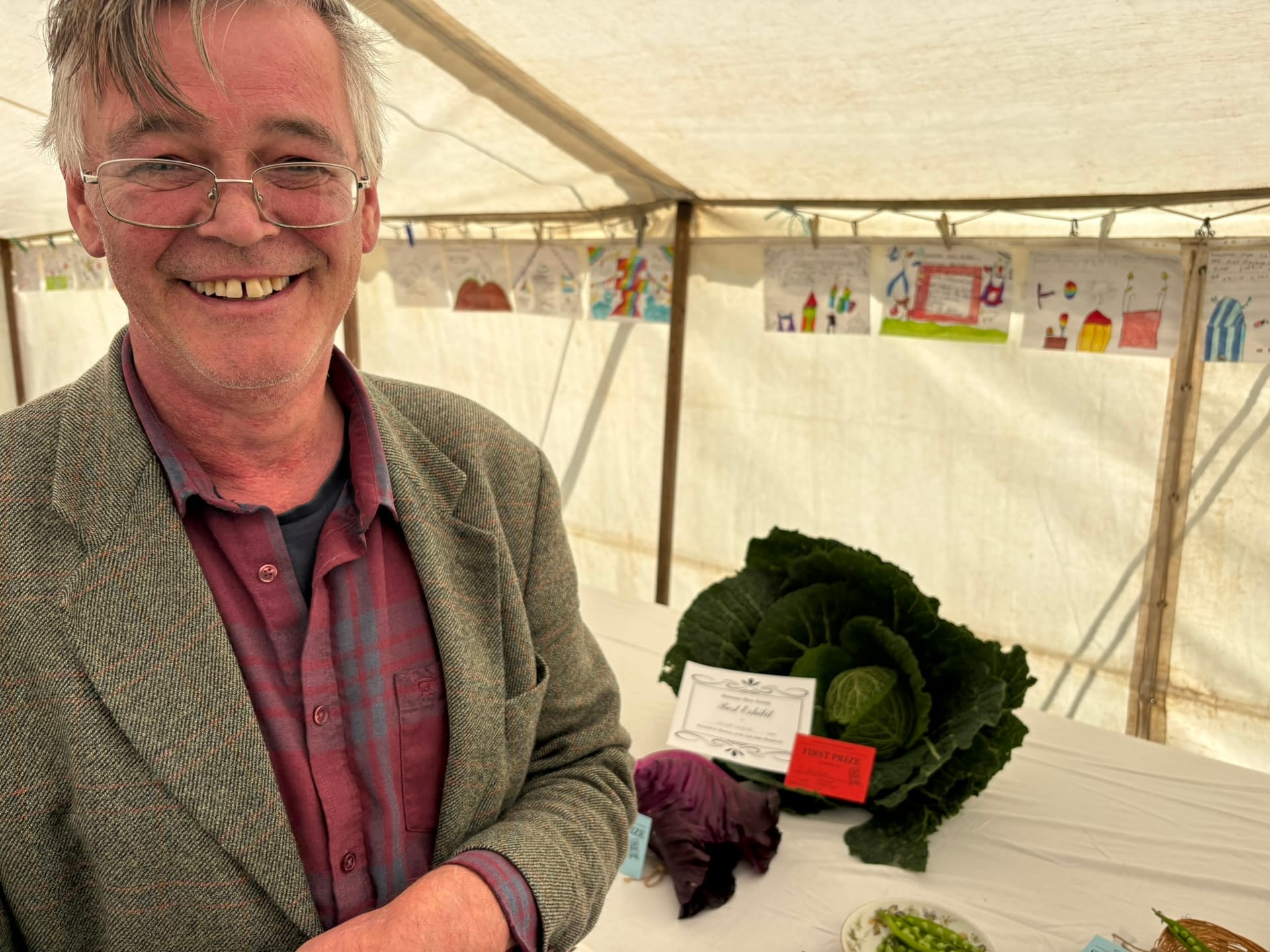
There is a distinct rhythm to life in the Scottish Borders, marked by the changing seasons, the stewardship of the land, and communities that come together with quiet resilience and deep-rooted pride. At the heart of this calendar sits the Roberton Show—an annual fixture that has been running for over 70 years since its first sheep show event back in 1953. Held right down in the Snoot Field, it captures the true essence of rural life in the Borthwick valley, just up the road from Hawick.
For anyone who has ever argued over the ideal gauge for a jar of raspberry jam, scouted the best spot for a prize root vegetable, or simply enjoyed the sound of pipes carrying across the glen, the show is more than just a local exhibition. It is a living archive of community culture.
A Quiet Livestock Yard
At its core, the Roberton Show remains deeply rooted in the pastoral traditions of the Borders, though this year carried a notable absence. Out of an abundance of caution, the event organisers took the proactive step of self-imposing restrictions regarding bluetongue, meaning the familiar wooden folds stood empty and the usual bustle of sheep classes and judging rings was missing from the field.
Yet, even without the animals present, the agricultural spirit of the valley remained tangible. It was a day for practical engagement instead—including a visit to the livestock parasite information van, where leaning over glass-encased samples of different worms and flukes offered a sobering, fascinating look at the microscopic battles fought behind the scenes of every healthy flock. It is hard manual labour that keeps these hills productive, and the gathering still offered a welcome space to pause, study the science of the soil and stock, and share notes on the realities of farming life.
Inside the Industrial Tent: Creativity and Community
Step into the industrial and craft tents, however, and you encountered a very different kind of intensity. Arriving at 9:00 AM to beat the rush drops you straight into a glorious, unorganised scramble, only to realise the judging isn't until 1:00 PM. Nobody quite knows where to go, class cards are mislaid, and everybody else inside the tent is too deeply absorbed in positioning their own prize roots and greens to offer much guidance.
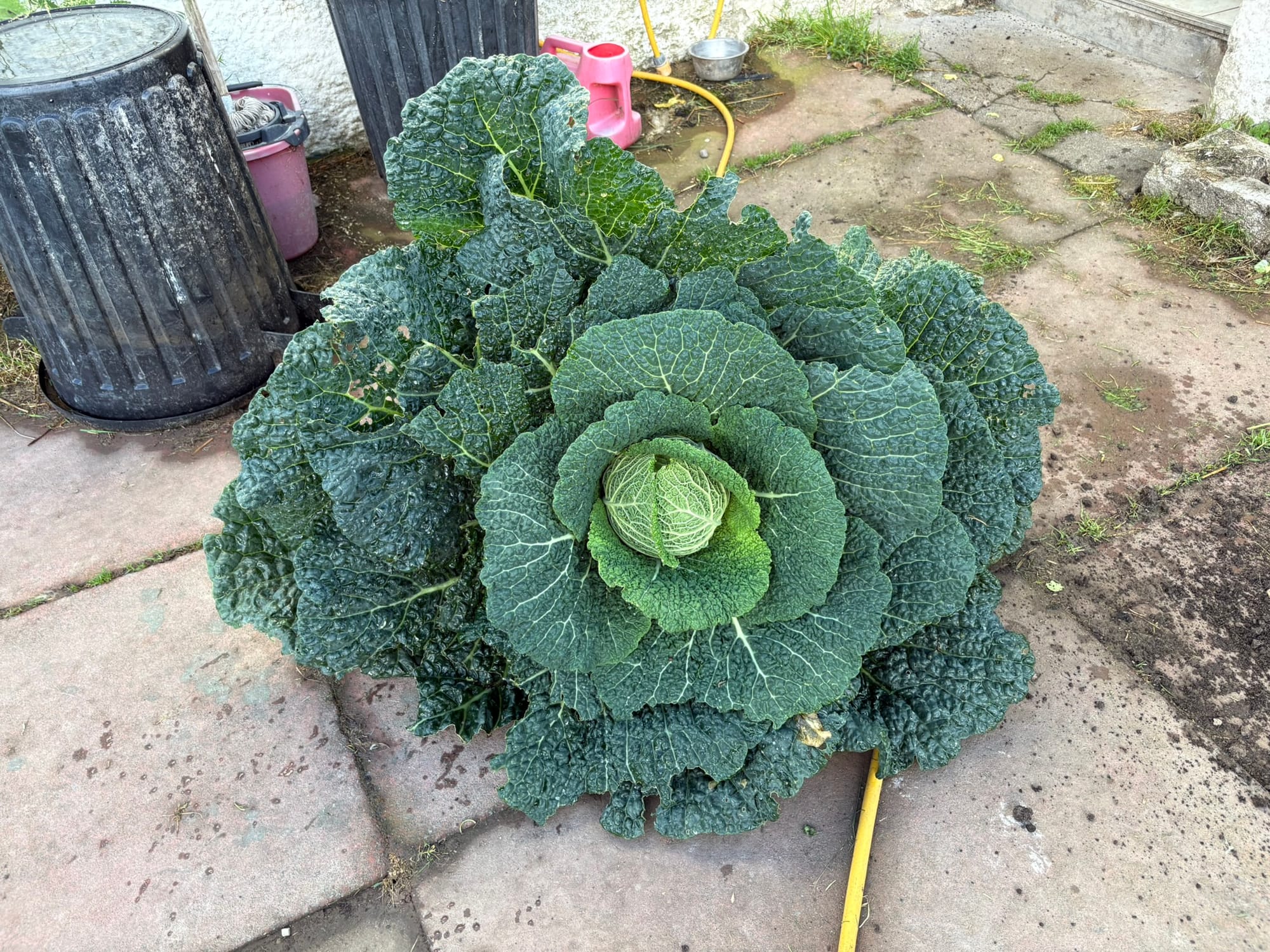
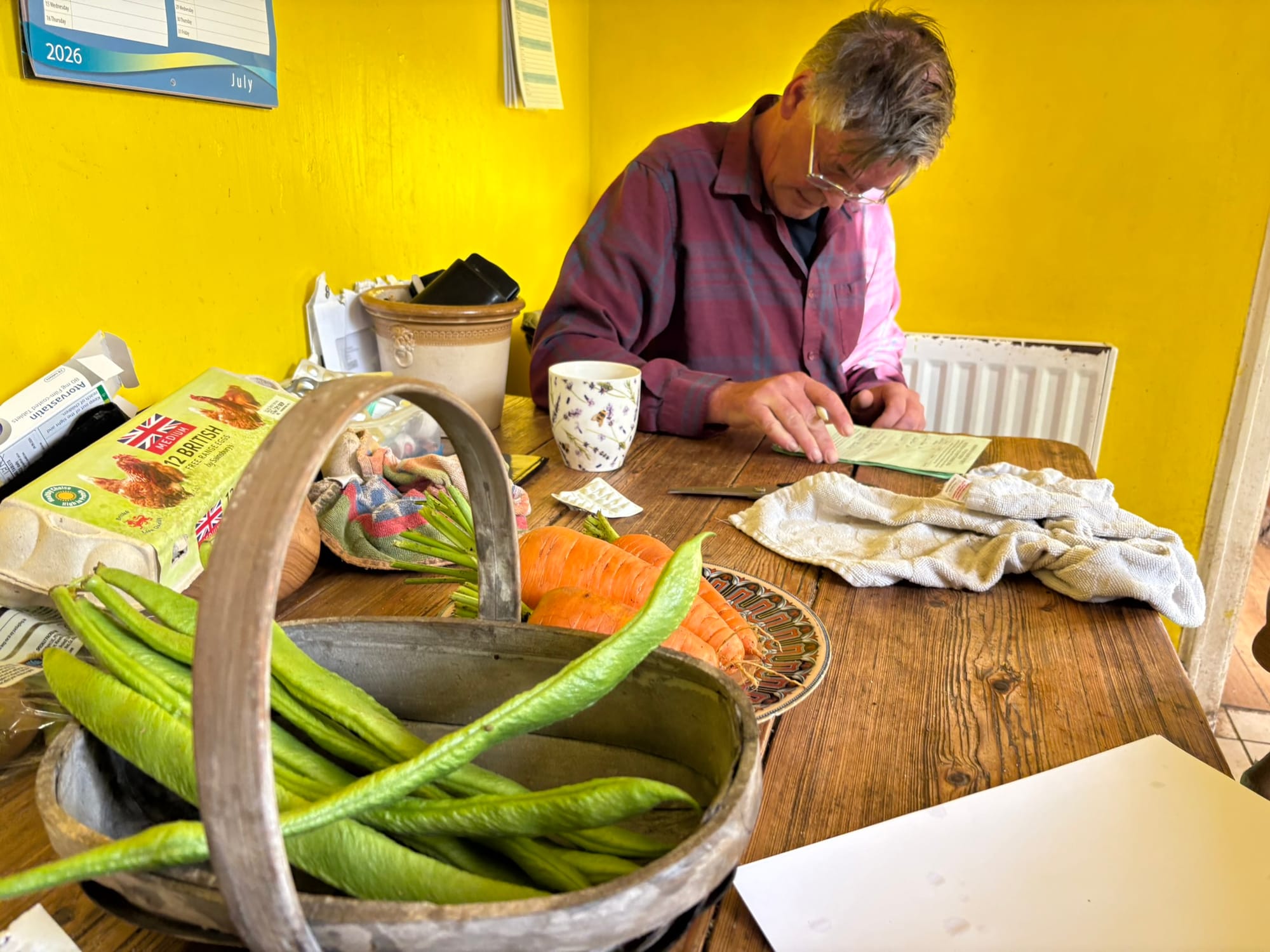
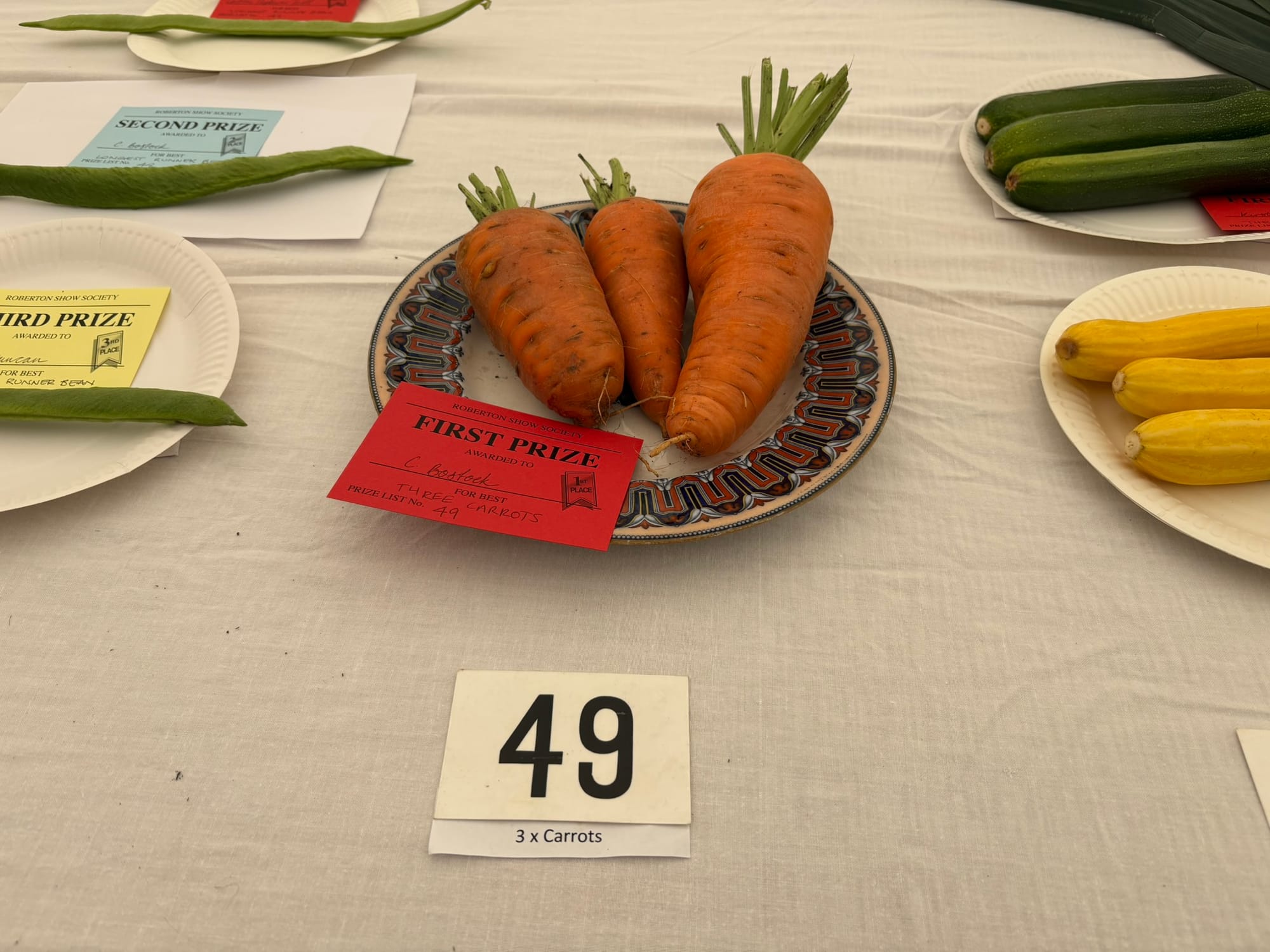
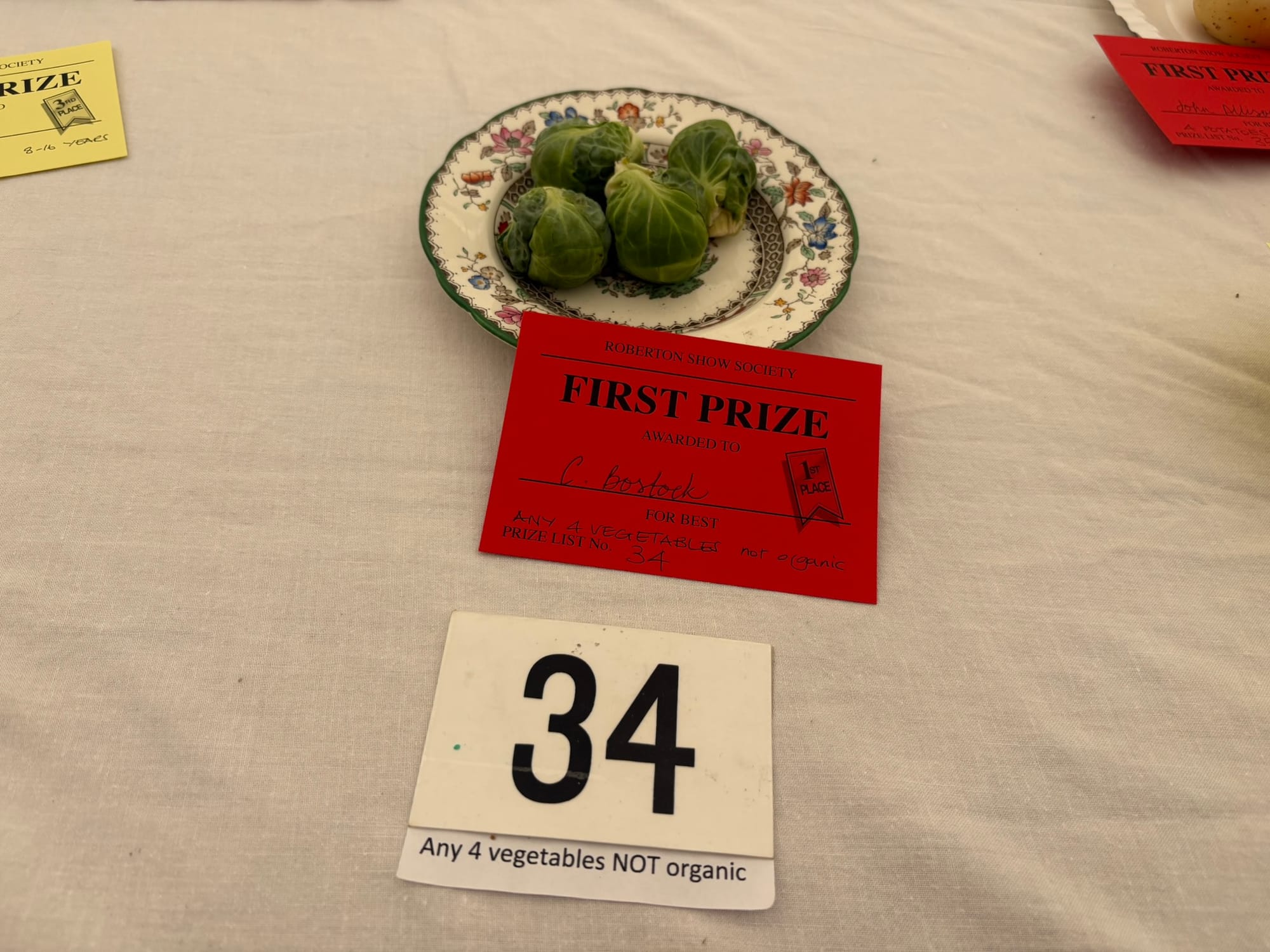
Once you’ve successfully staged your eclectic haul—a solitary, dignified cabbage, three proud carrots, a very deliberate pairing of one long bean alongside five of its peers, a pair of matched onions, and a neat quartet of Brussels sprouts—you are left with a four-hour gap of pure limbo before the 1:00 PM judging.
That leaves plenty of time to wander the rest of the tent, which is packed to the seams with every traditional competition imaginable. The perimeter tables and display boards are a riot of texture and colour: intricate hand-knitted items, classic fruit cakes and golden sponges cooling on wire racks, vibrant children's pictures, and a moving photographic gallery documenting everyday community life across the valley.
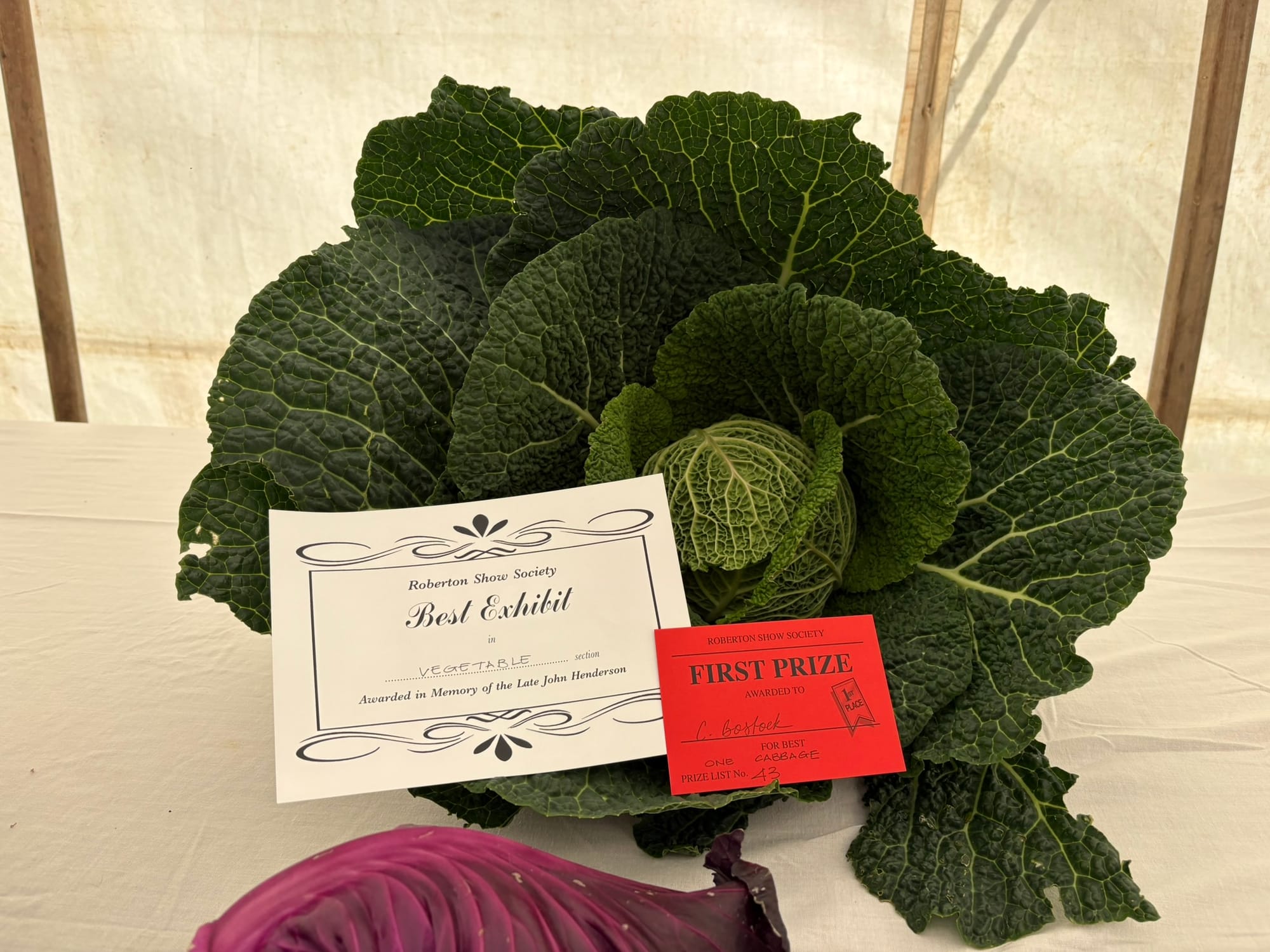
When the judging finally wraps up, the results bring their own quiet triumphs: the solitary cabbage takes home best vegetable exhibit, while the three carrots and the four Brussels sprouts both march off with well-deserved first prizes. By the time the tables groan under the combined weight of crafts, bakes, and award-winning garden produce, the collective sense of achievement is palpable.
Nearby, the floral art and cut flower sections display an extraordinary level of patience and artistry. Every entry—whether it is a dahlia grown against the odds, a carefully stitched quilt, or a striking rural photograph—tells a story of hours spent working quietly at home, perfecting a skill passed down or learned out of sheer creative curiosity. It is a brilliant reminder that rural life often breeds immense resourcefulness and artistic expression.
Music, Mirth, and the Local Character
No Borders gathering would be complete without its distinct soundtrack and social touchstones. The familiar, stirring sound of the Hawick Scot Band carries across the field this year, anchoring the day with pipes and rhythm. Add in the cheers from the dog agility rings, the flutter of two numbers worth of losing tombola tickets, and the steady chatter around the stalls, and you have the true audio texture of the valley.
While the Reiver tent had always been a fixture of previous visits, it was easily skipped this time around. Historical and heritage groups are meant to celebrate shared culture, but an underlying unease around how easily reactionary politics can seep into traditional spaces makes walking right past a simple, necessary way to draw that line.
Instead, attention shifted to the canteen tent for a well-earned breather with a hot cup of coffee and a slice of cake to savour the morning's triumphs. Outside on the Snoot Field, the weather held out kindly for the crowds. For a mere 5 pounds entry fee, under a canopy of grey, cloudy skies and a brisk, breezy air, the temperature remained comfortably moderate—ideal conditions for wandering the show without melting in the sun or dodging downpours.
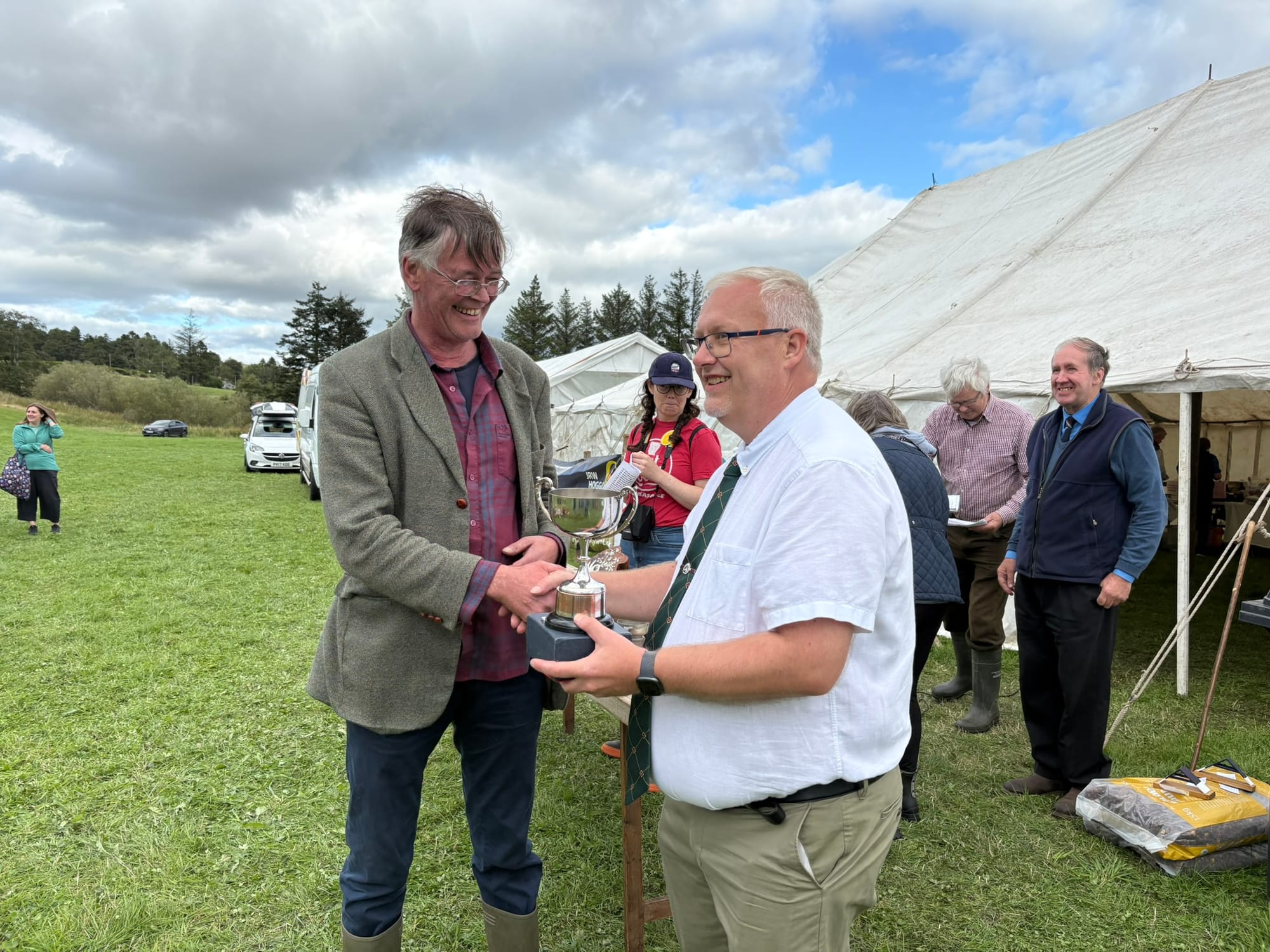
As the afternoon wound down, trophies were handed out and heartfelt thanks were given to everyone who made the day possible. With the tents coming down, the best vegetable exhibit didn't even need to make the journey back home—the award-winning cabbage was happily handed off to a friend as a parting gift from the harvest.
It is a place where neighbours catch up across parishes, children race from the bouncy castles to the ice cream vans, and everyone you meet greets you with genuine warmth. The Roberton Show doesn't attempt to be a glossy, corporate commercial expo. Its charm lies precisely in its unpretentious, community-driven scale. It belongs to the bakers, the gardeners, the local volunteers, and the land-workers who pitch in year after year to set up the venue, bake the sponges, and keep local traditions vibrantly alive through whatever challenges the seasons bring.
As fields green and the year turns, gatherings like the Roberton Show remind us why these hyper-local spaces matter so much. They ground us in place, honour the labour of the land, and give communities a chance to look at what they can grow, make, and achieve together.