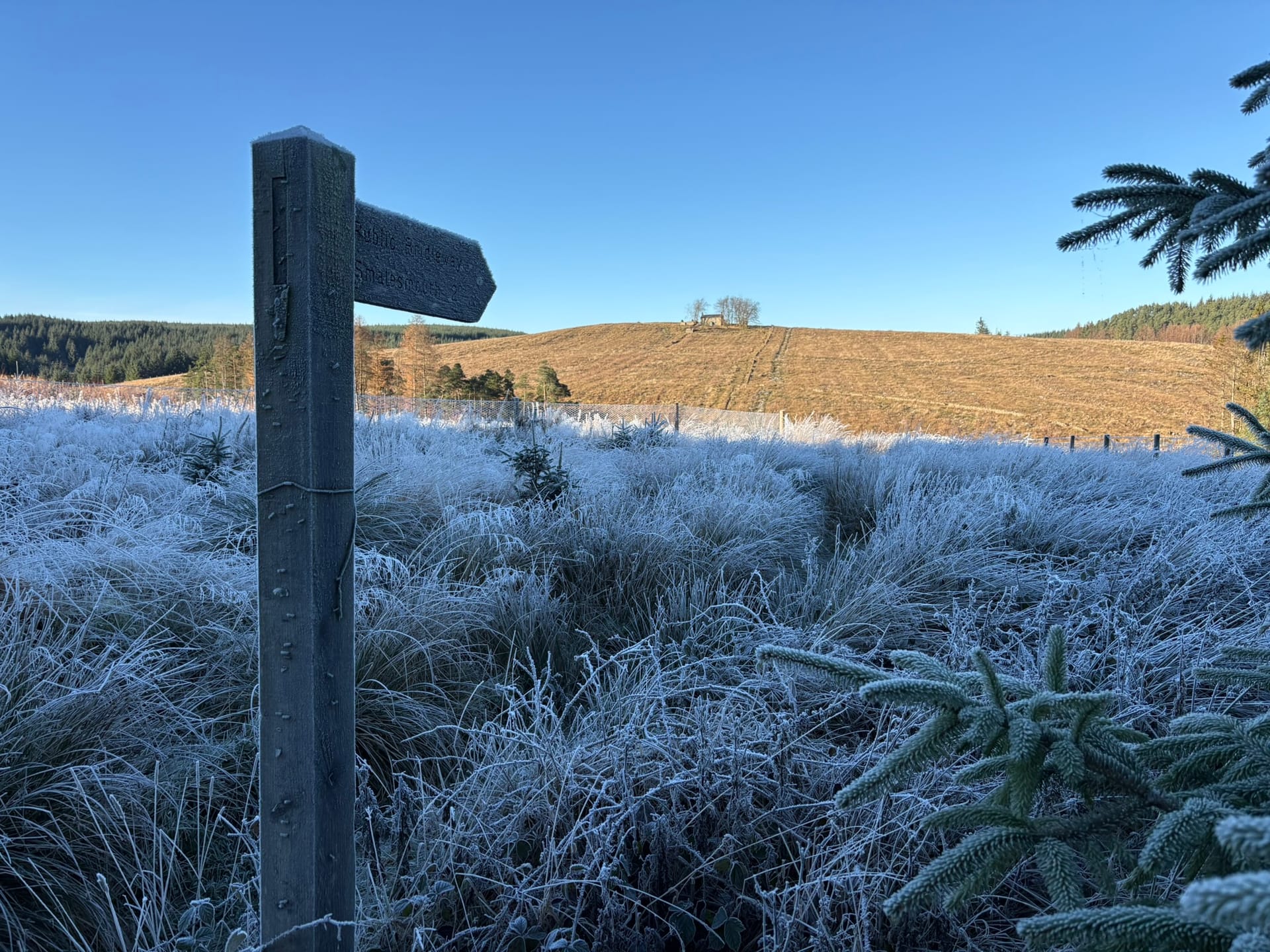
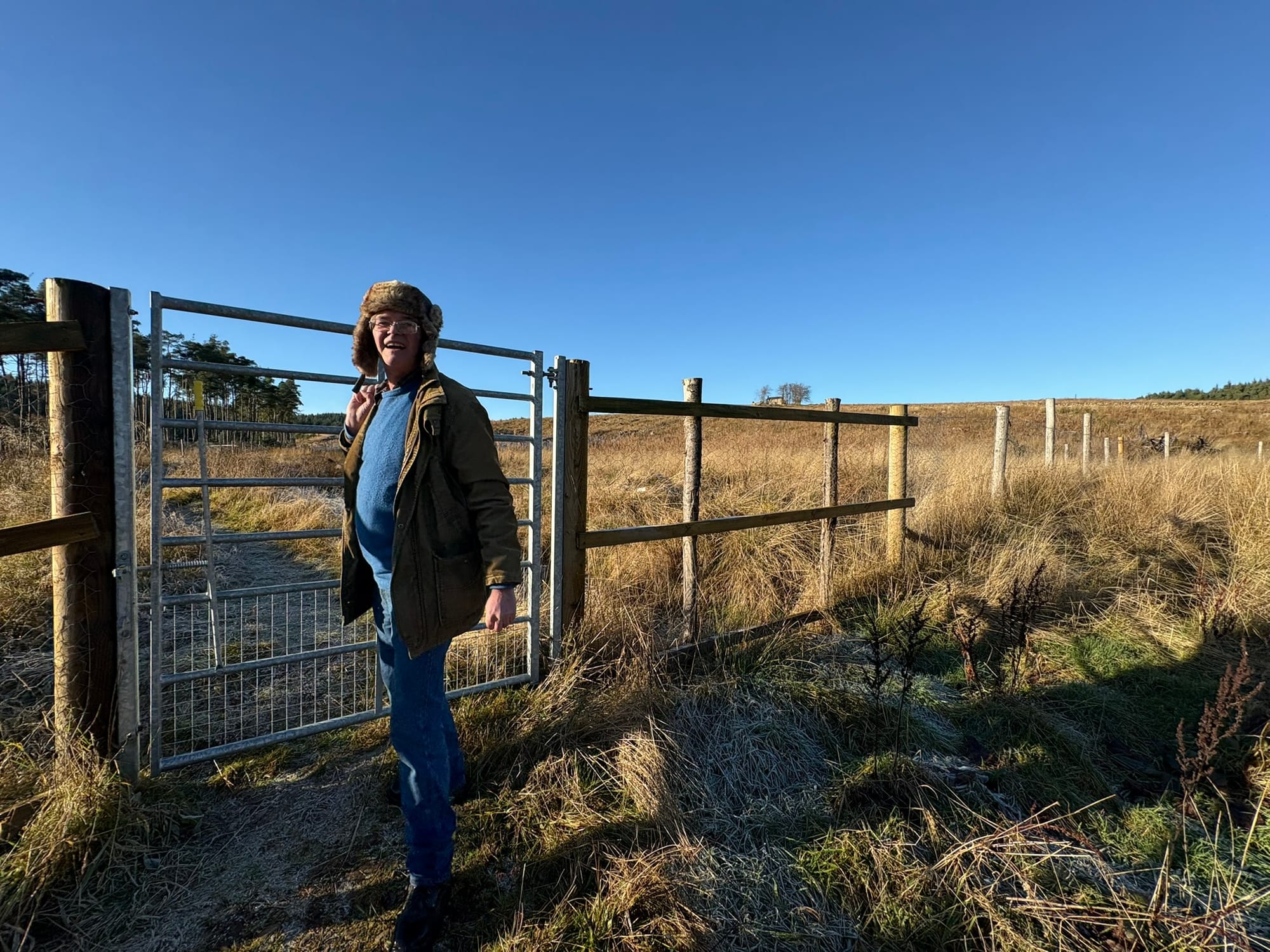
Starting out on a crisp morning with the grass frozen at minus 8°C and a sunrise stop at Carter Bar, Charlie, Sam, and I headed up to Roughside Bothy on the edge of Kielder Forest for a cold-weather visit, hot food, and a walk around the old farm buildings.
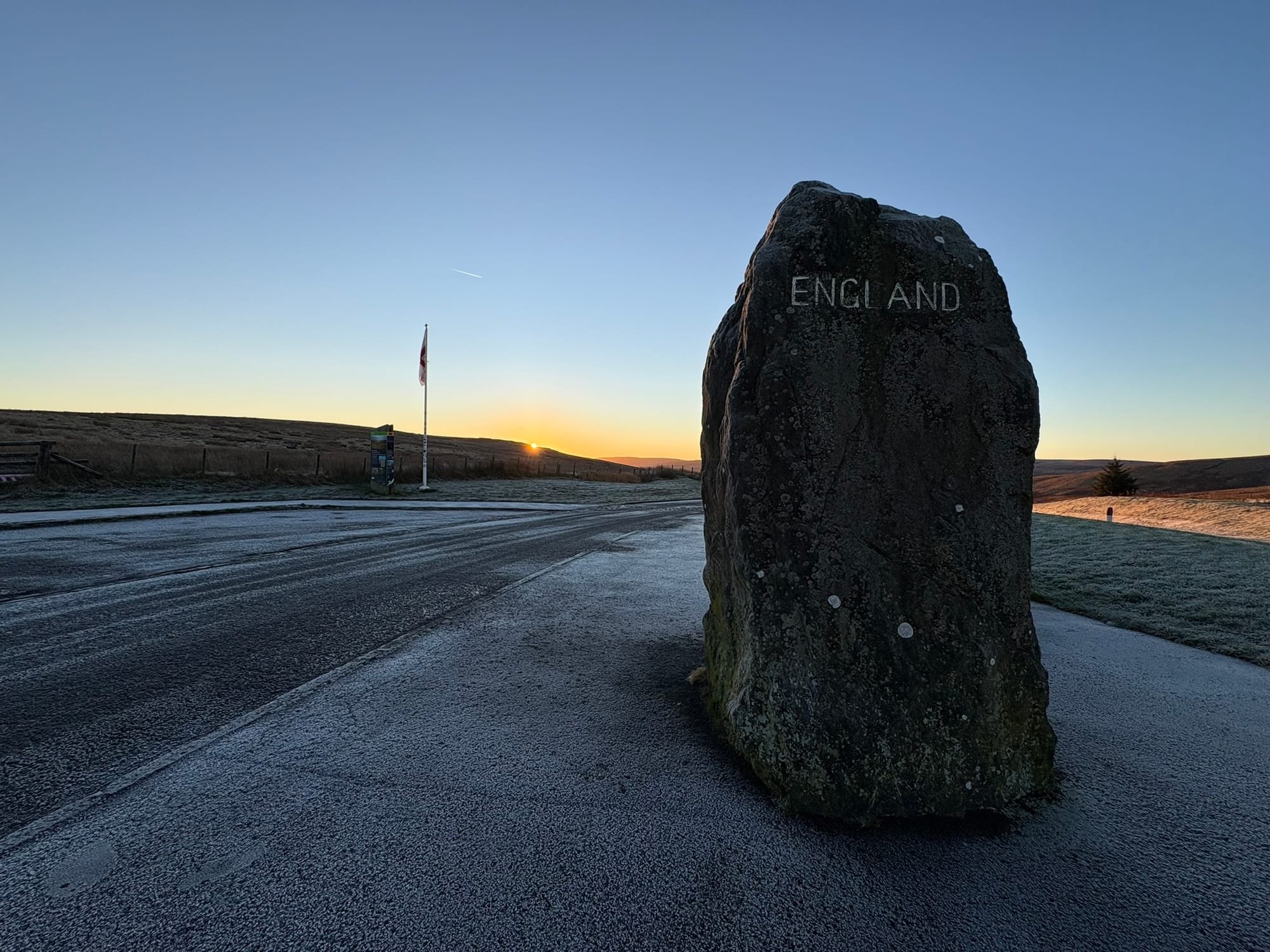
Because we needed to get back to feed the sheep before dark, it was a daytime trip rather than an overnight stay.
Arrival and First Impressions
After picking up supplies and coffee—including a stop in Bellingham—we drove up to the pull-over and walked across frozen grass and boggier patches toward the shelter. Coming back here always brings memories of walking the Pennine Way solo, weary and wet through, when Roughside was still hidden among the trees and offered quiet sanctuary.
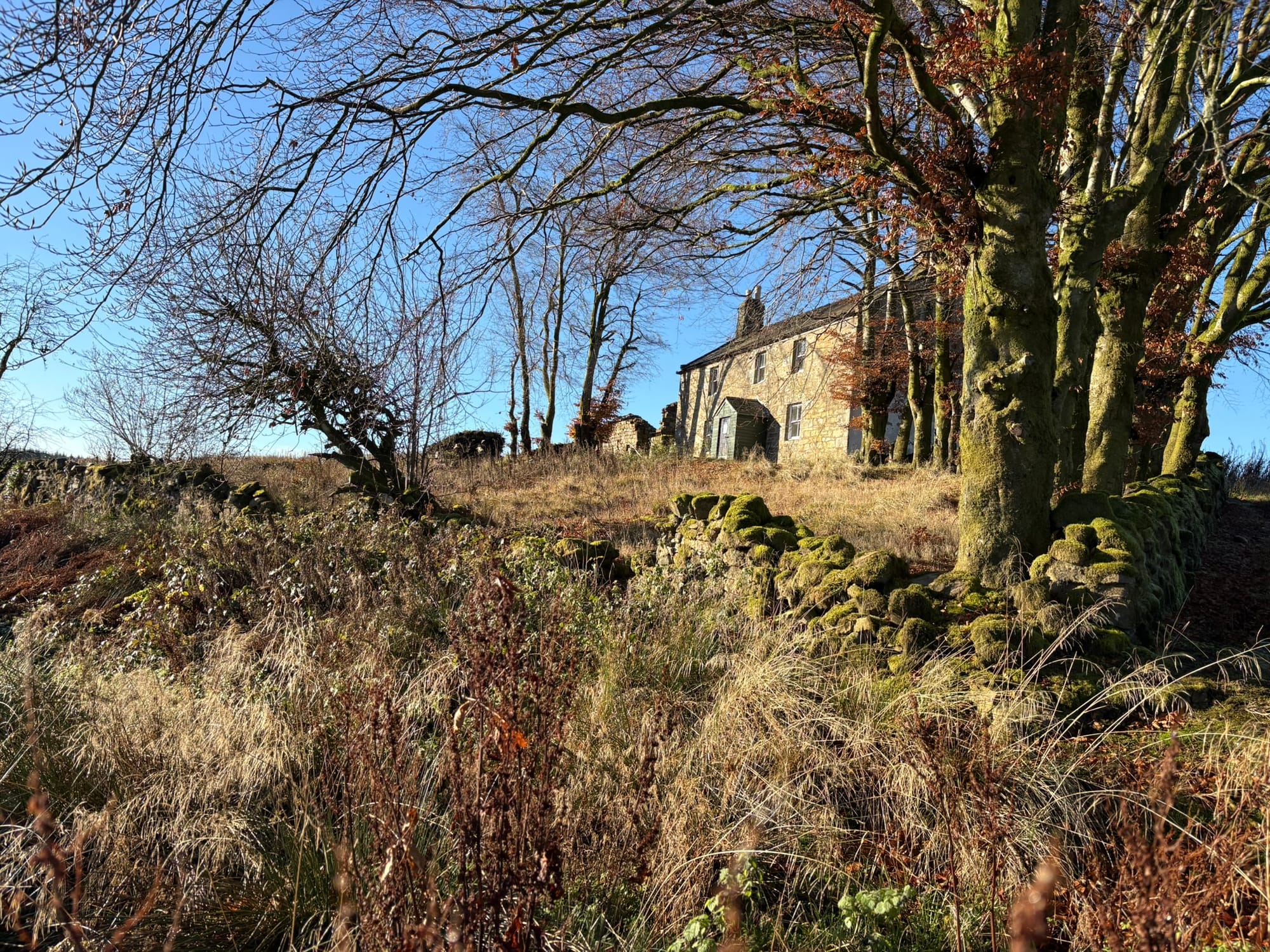
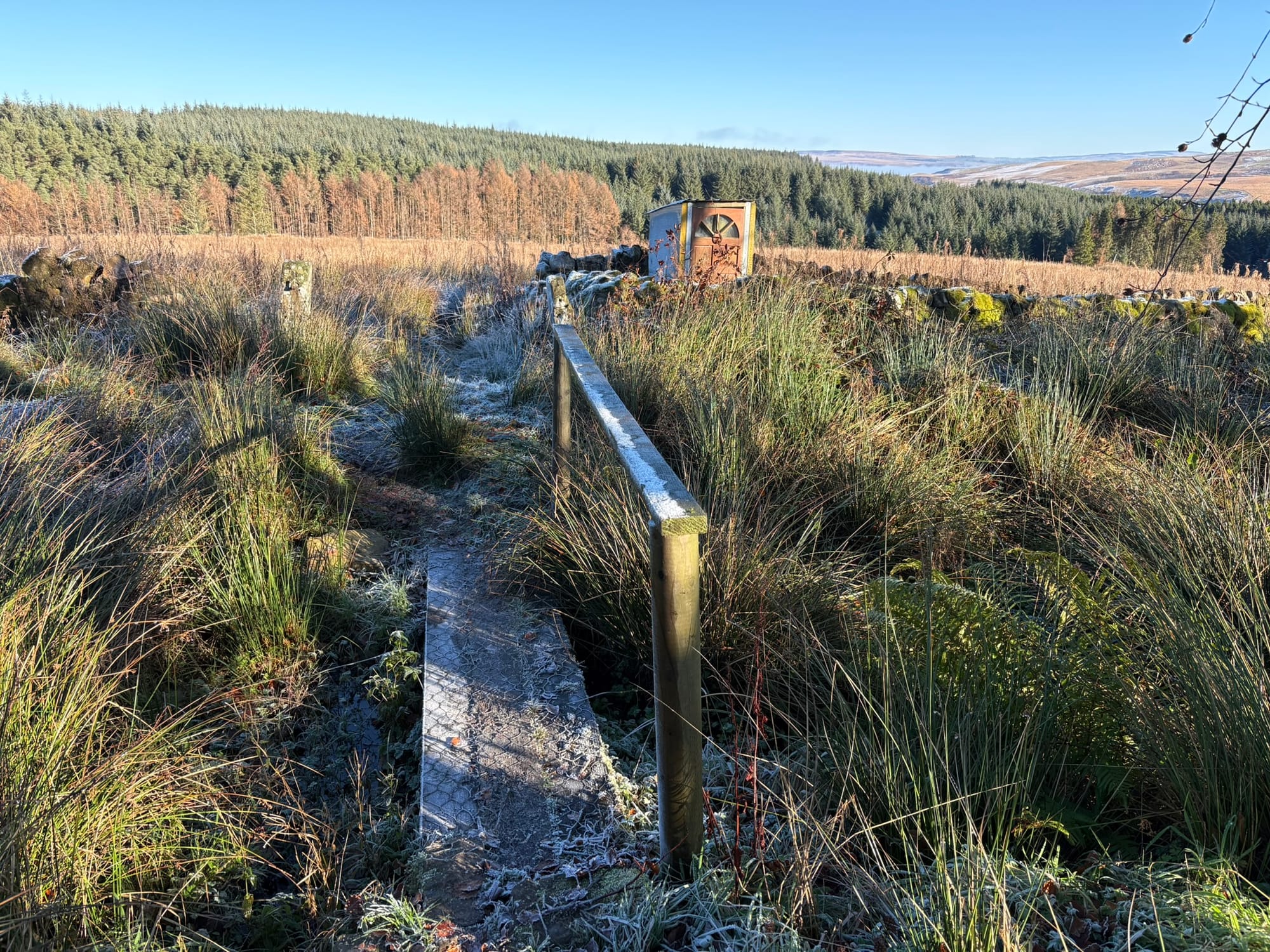
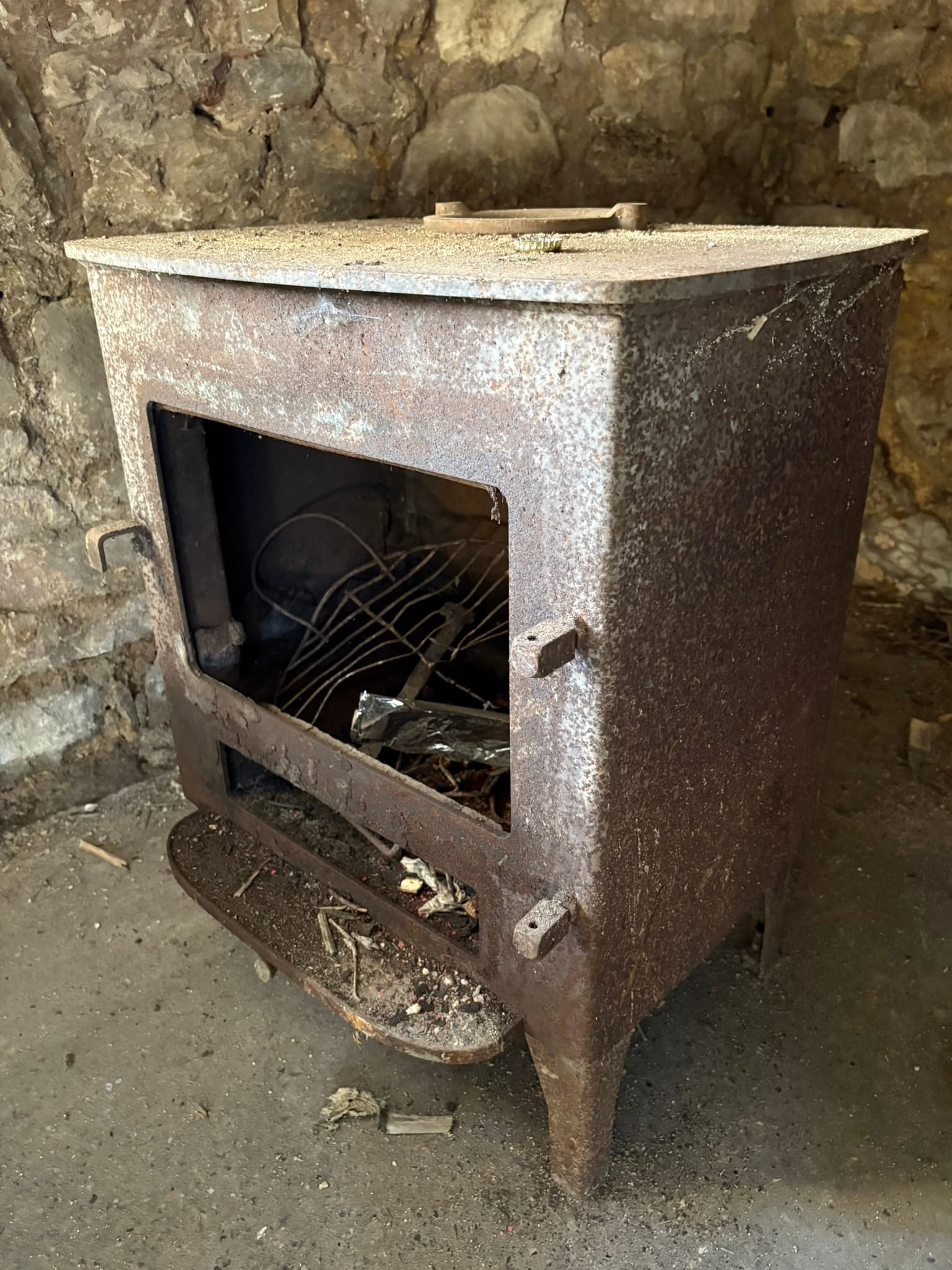
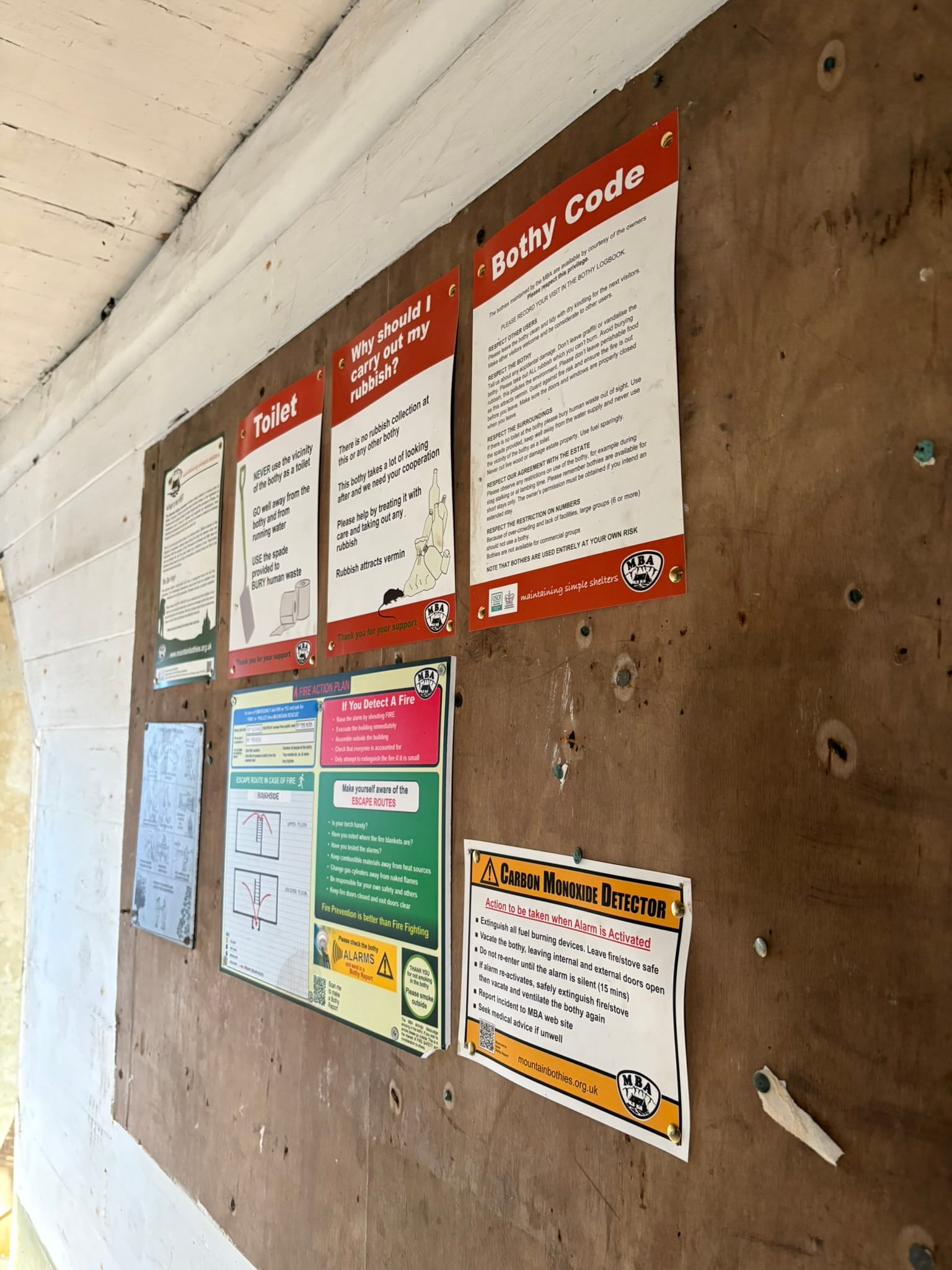
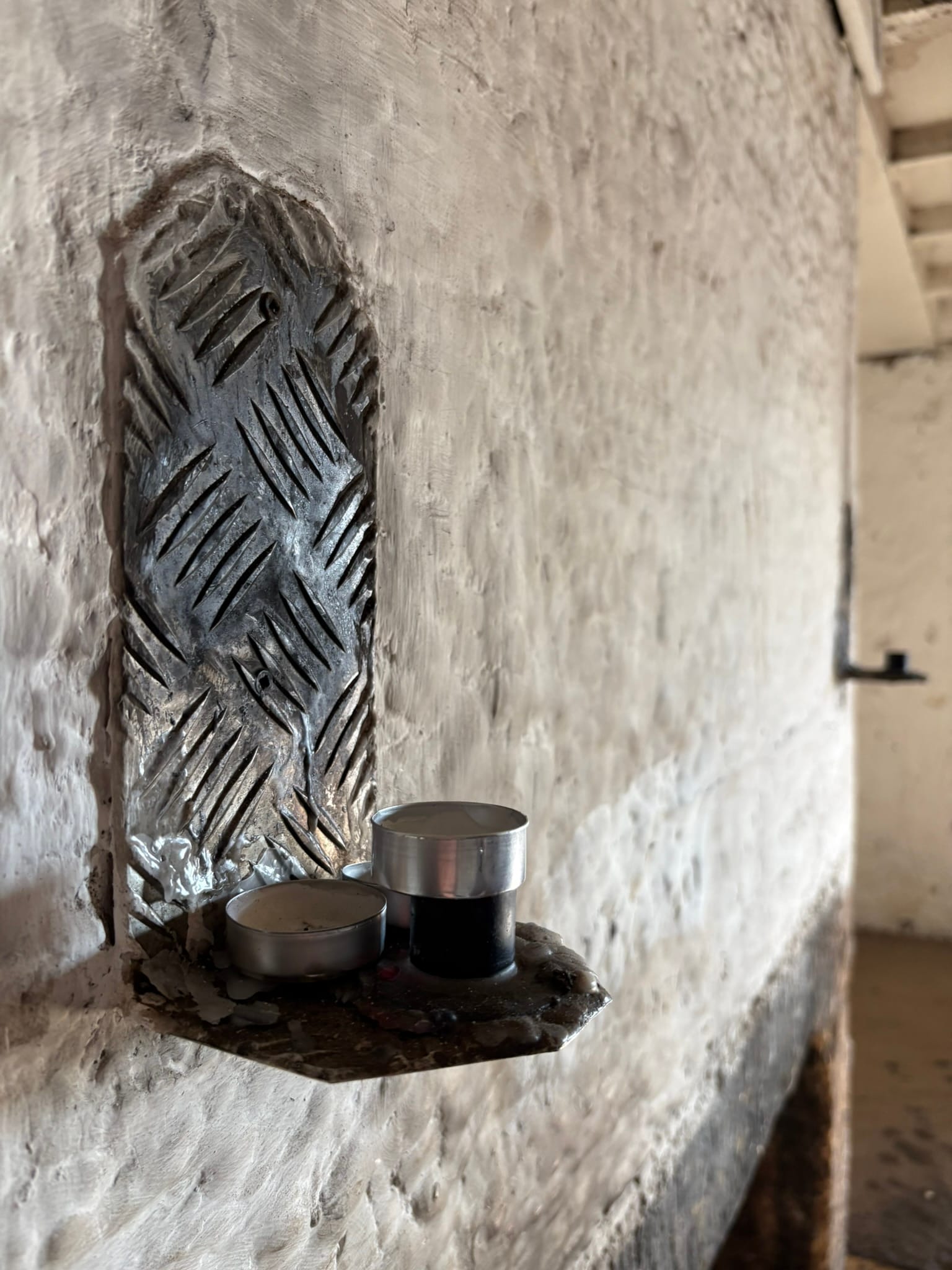
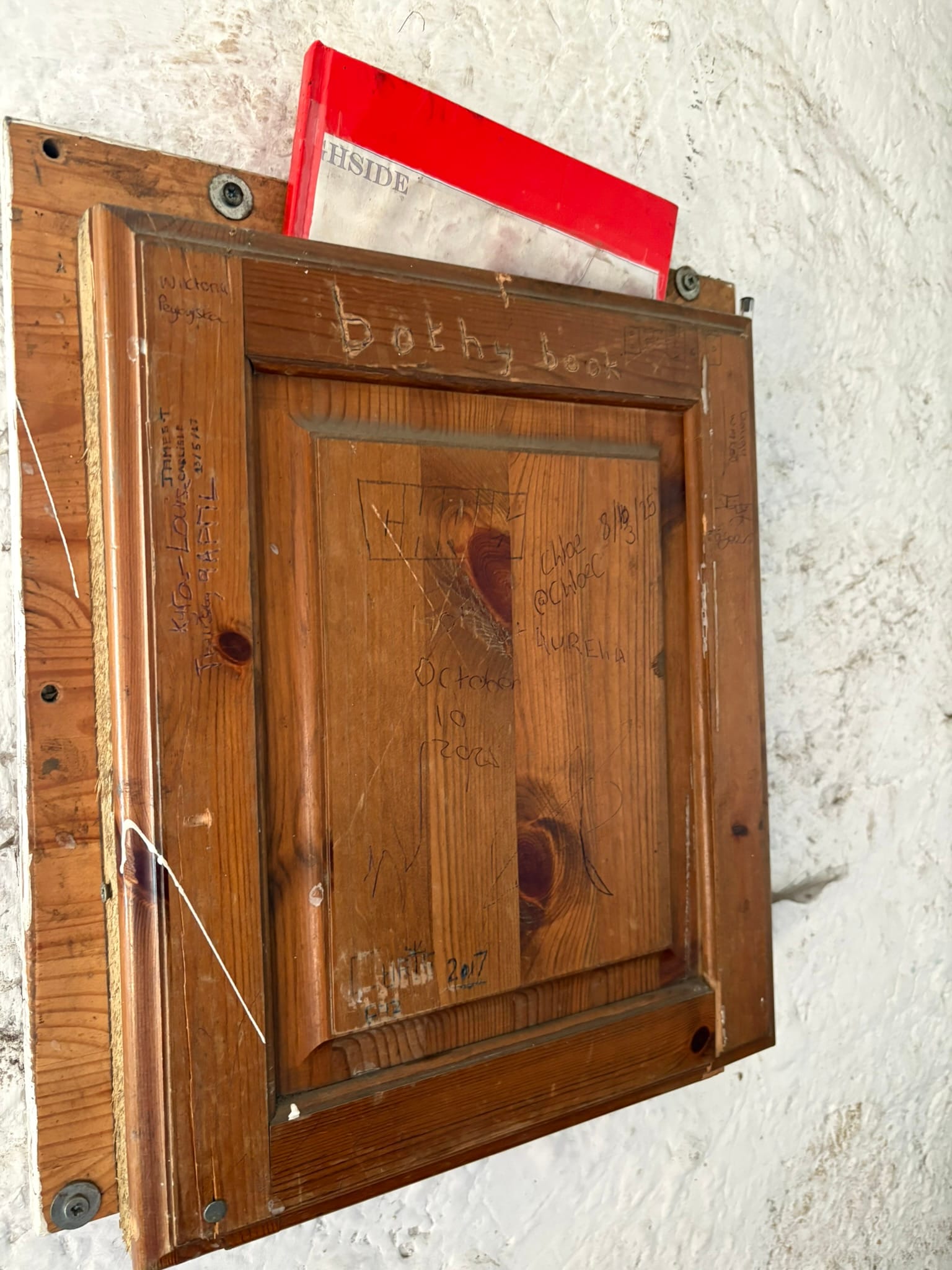
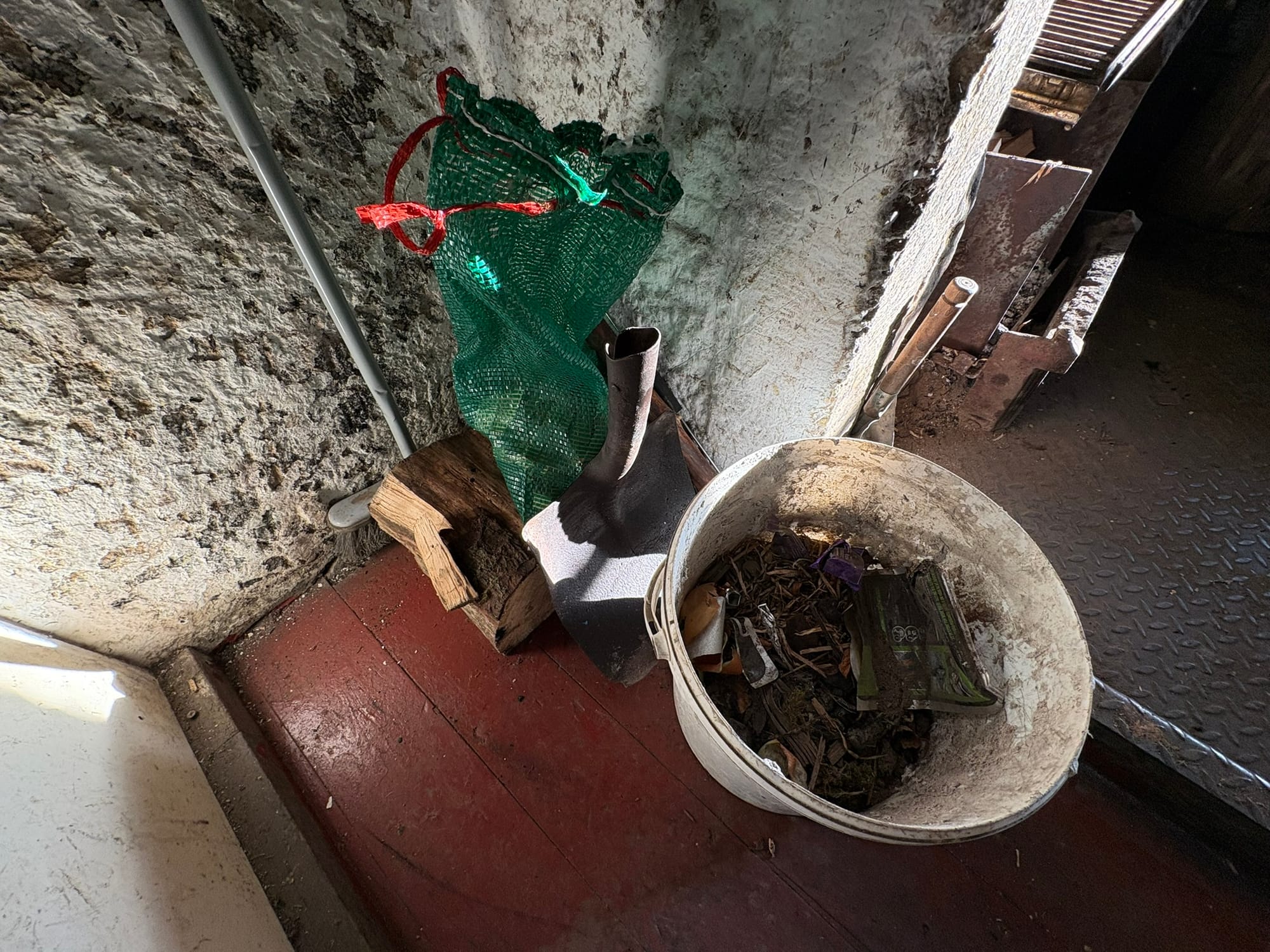
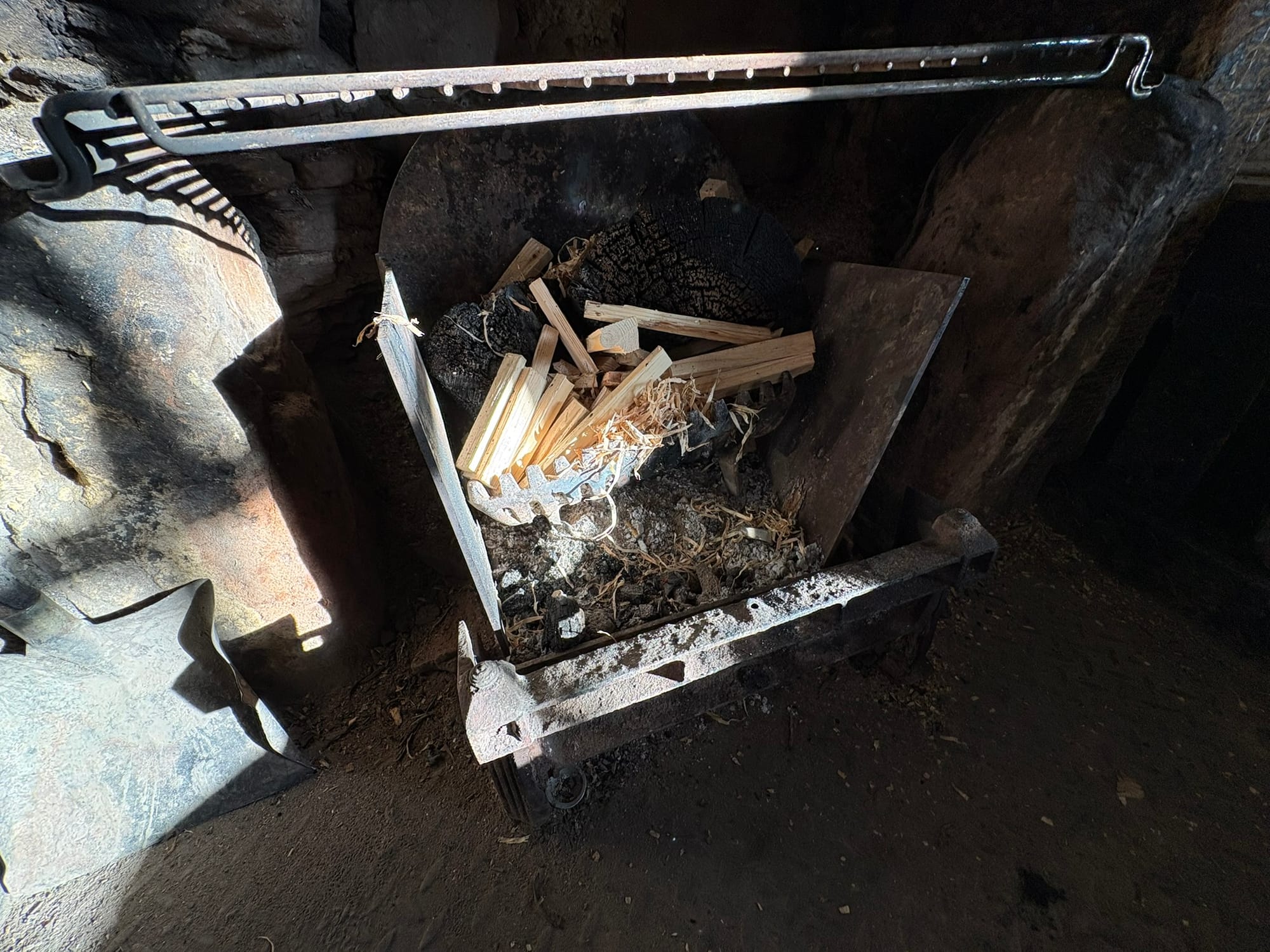
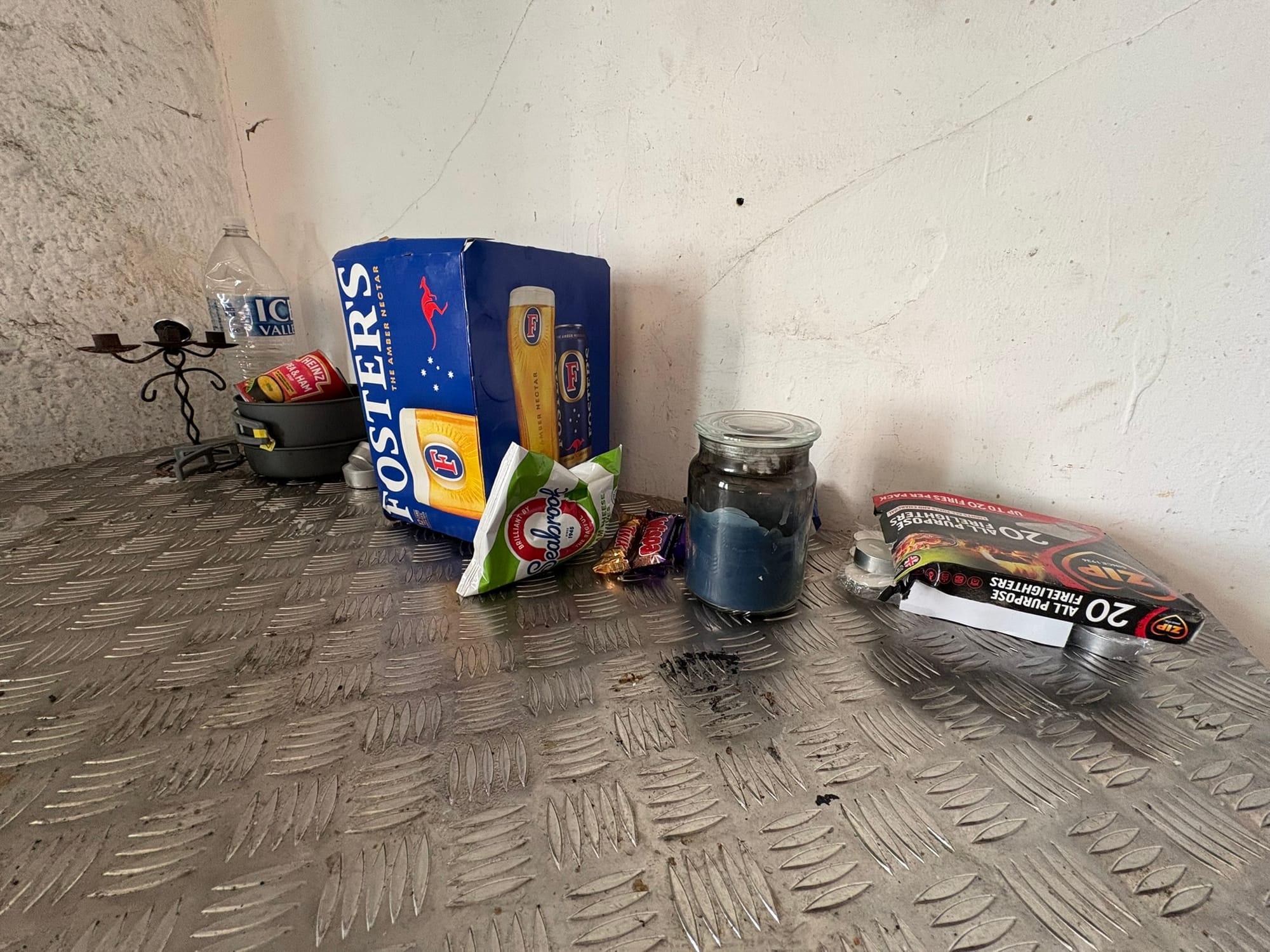
Exterior approach and interior details at Roughside Bothy near Bower—from the frosted plank bridge and stone farmhouse exterior to the MBA Bothy Code board, metal candle sconce, wooden bothy-book box, and a hearth prepped with dry kindling.
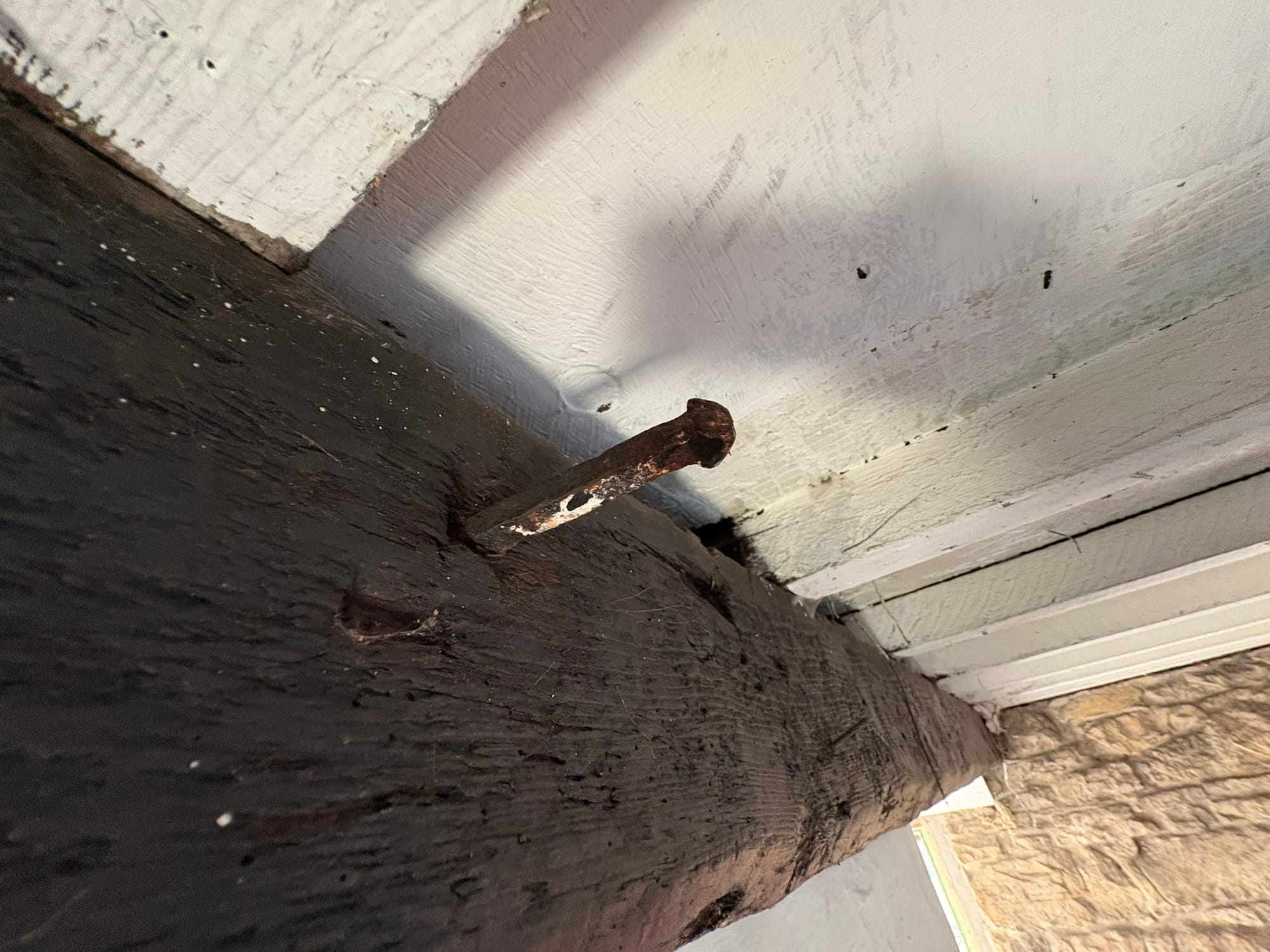
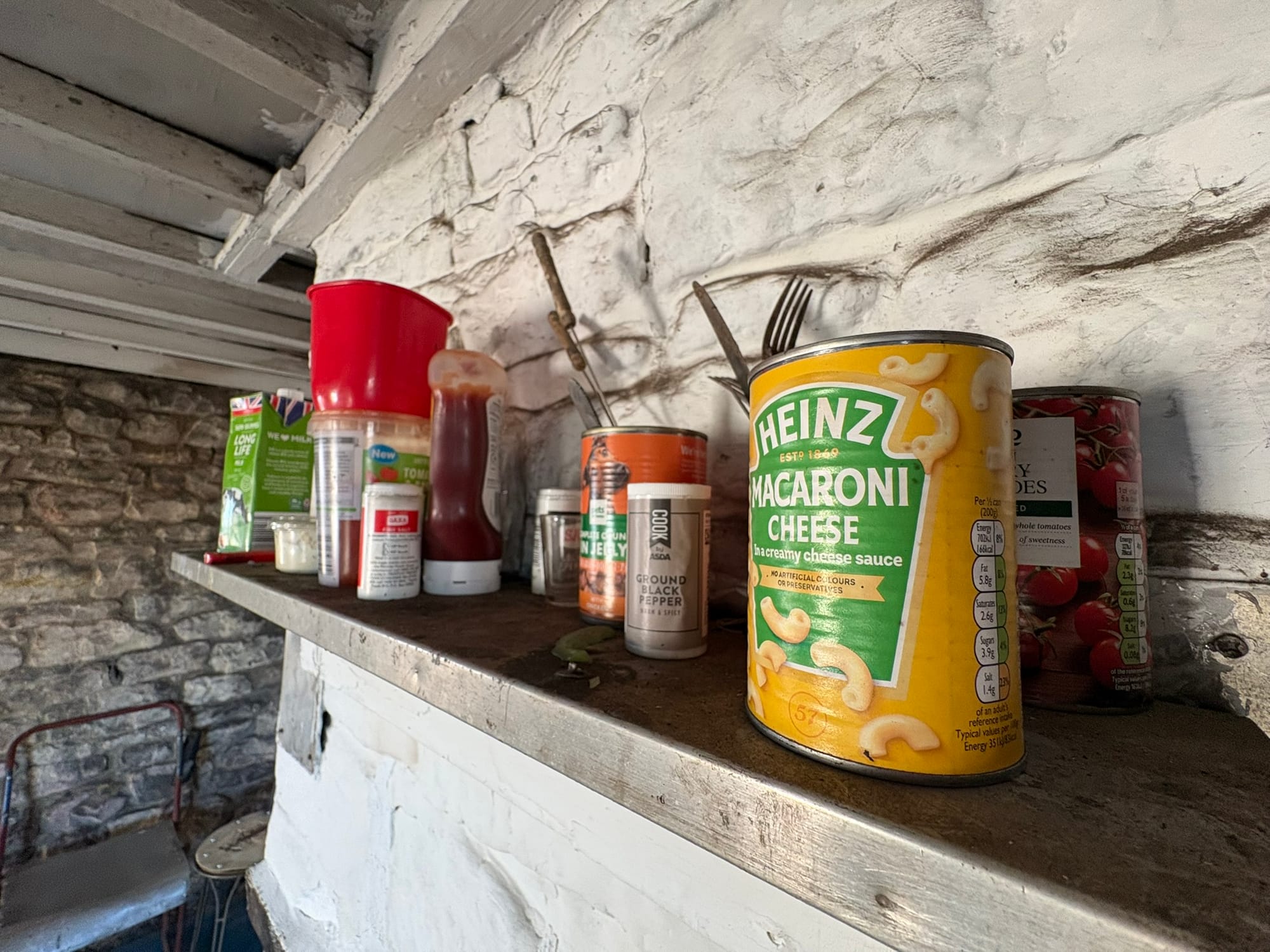
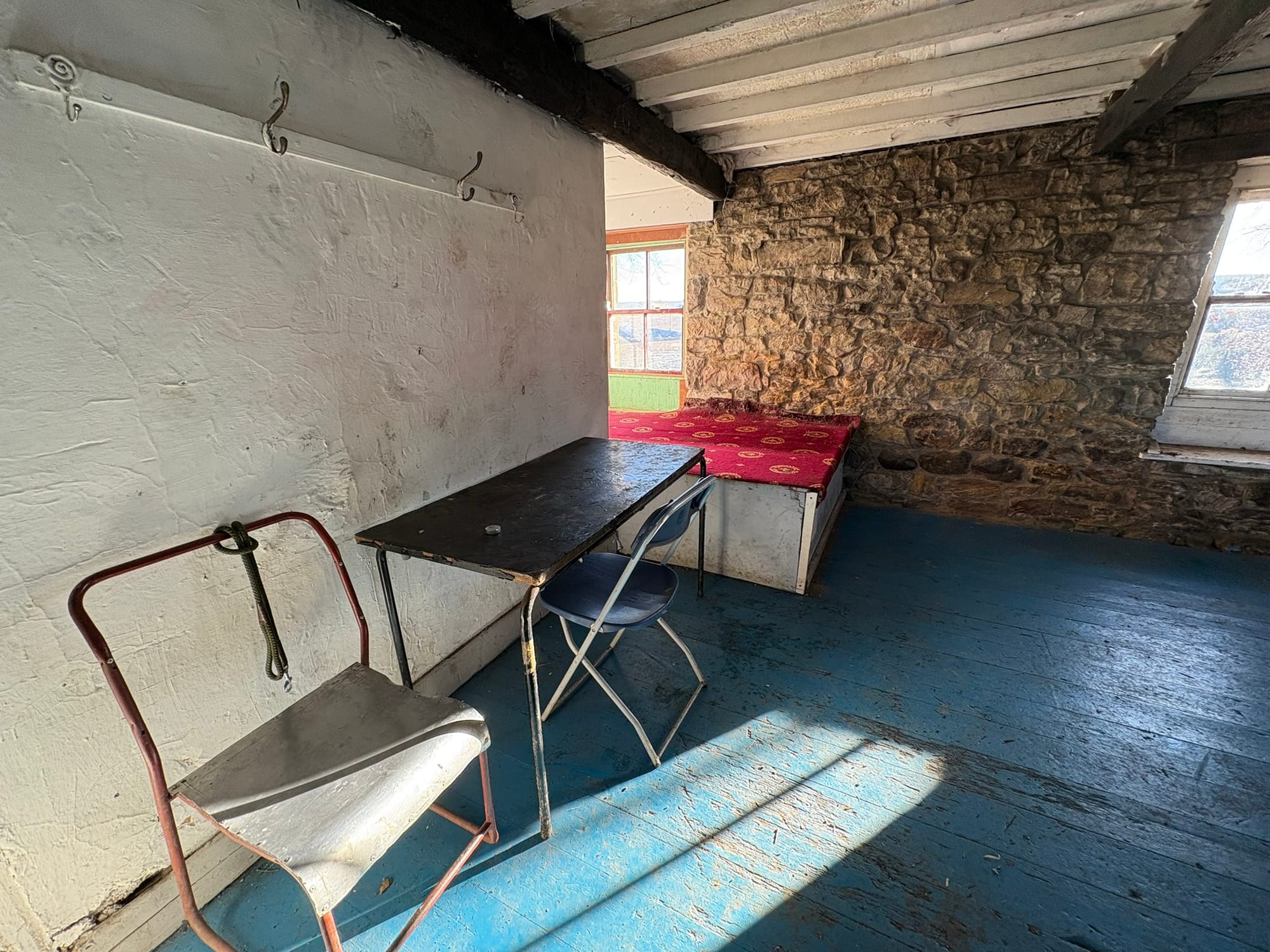
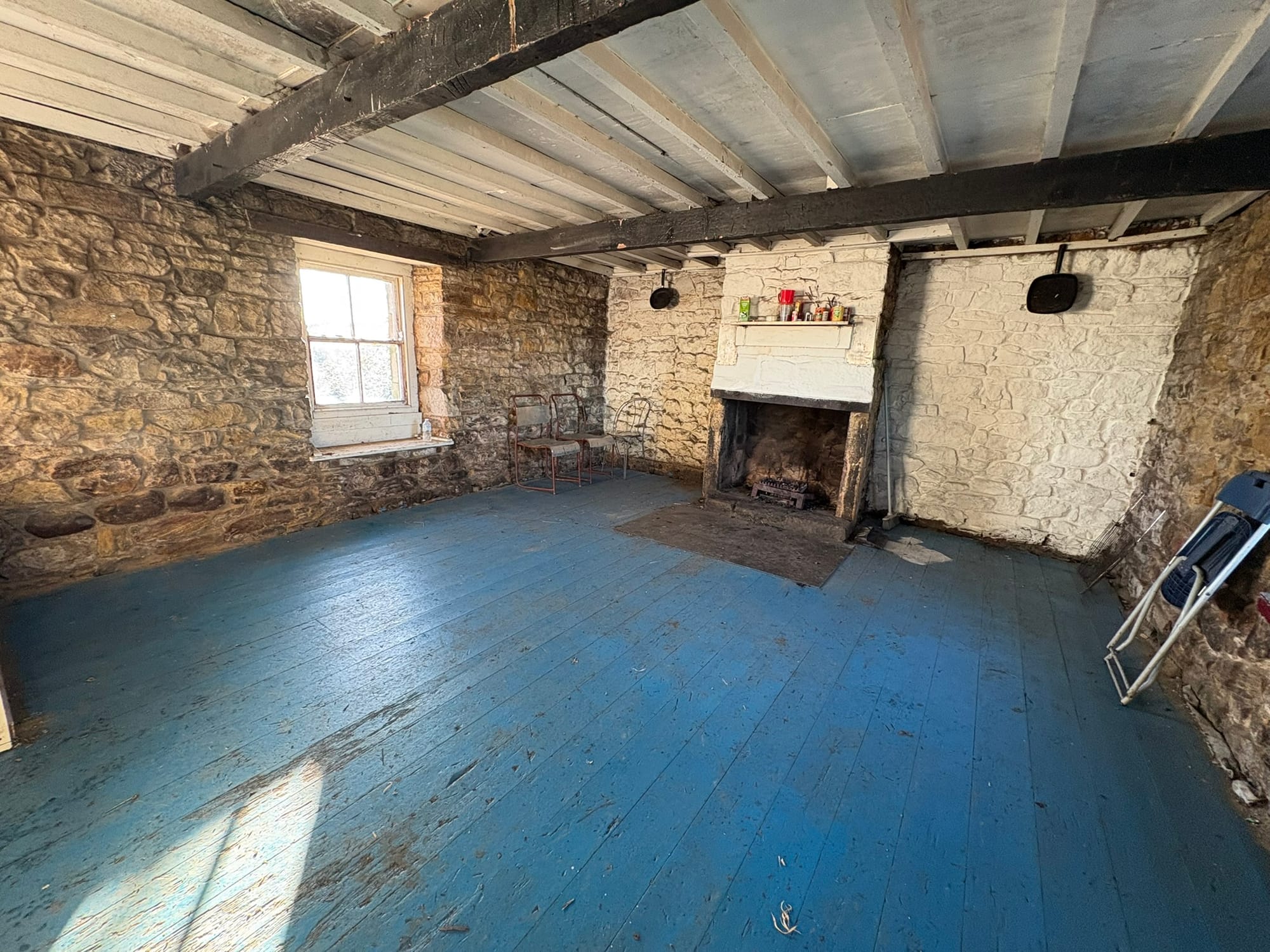
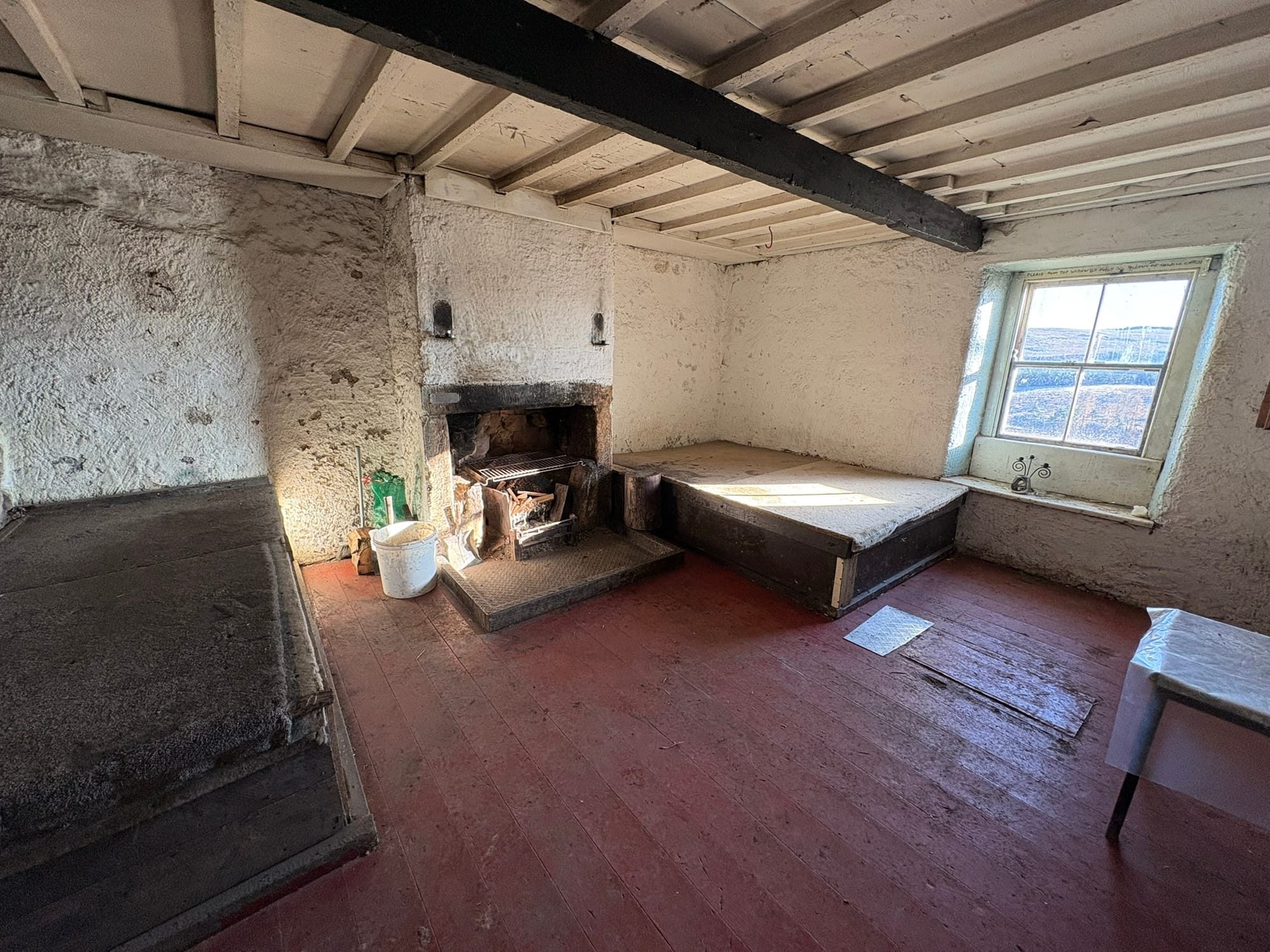
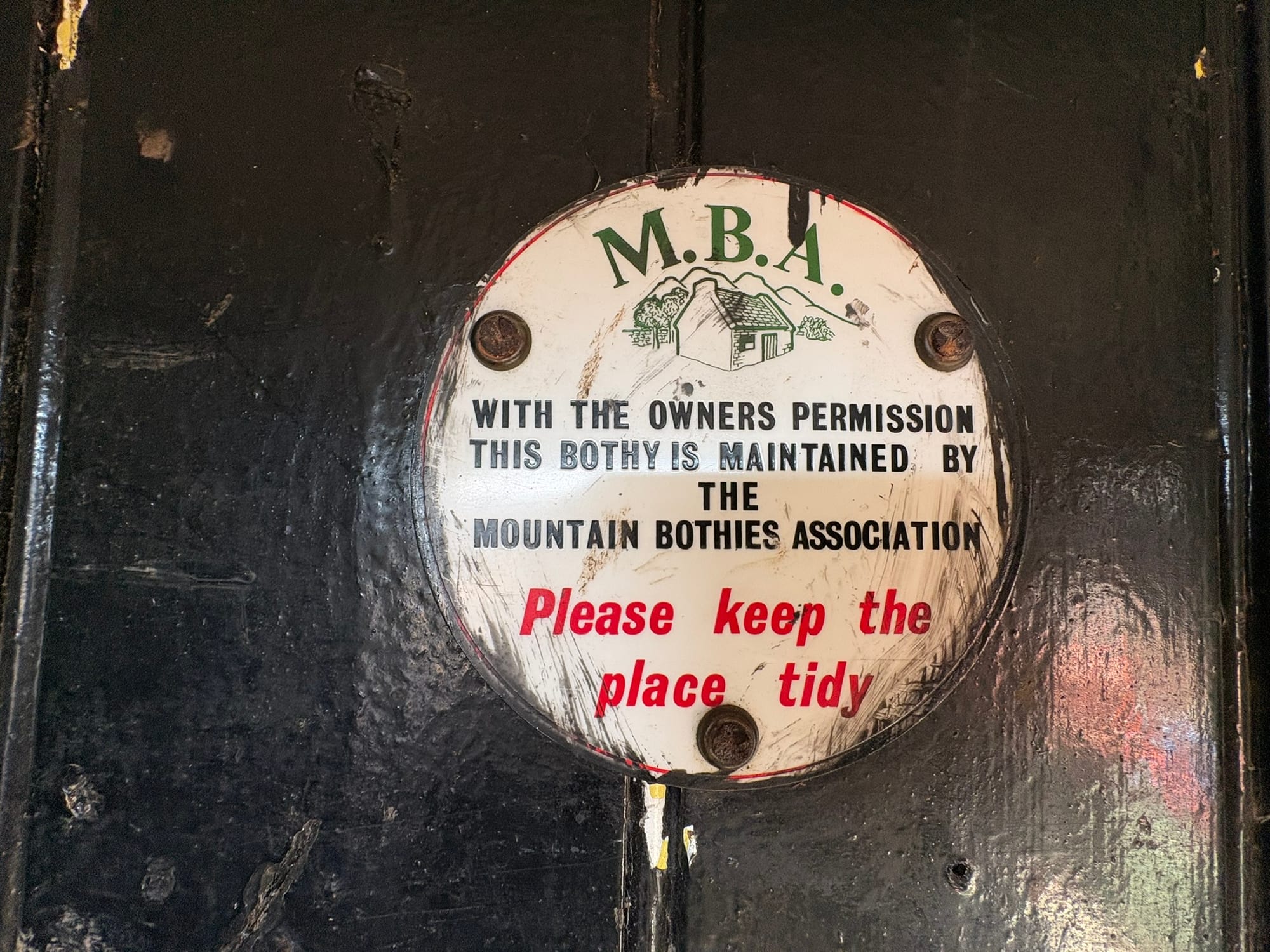
Upstairs living quarters at Roughside Bothy: original hand-forged ironwork and ceiling joists, a shelf of left-behind rations, the two main sleeping and hearth rooms with painted floorboards, and the Mountain Bothies Association plaque by the door.
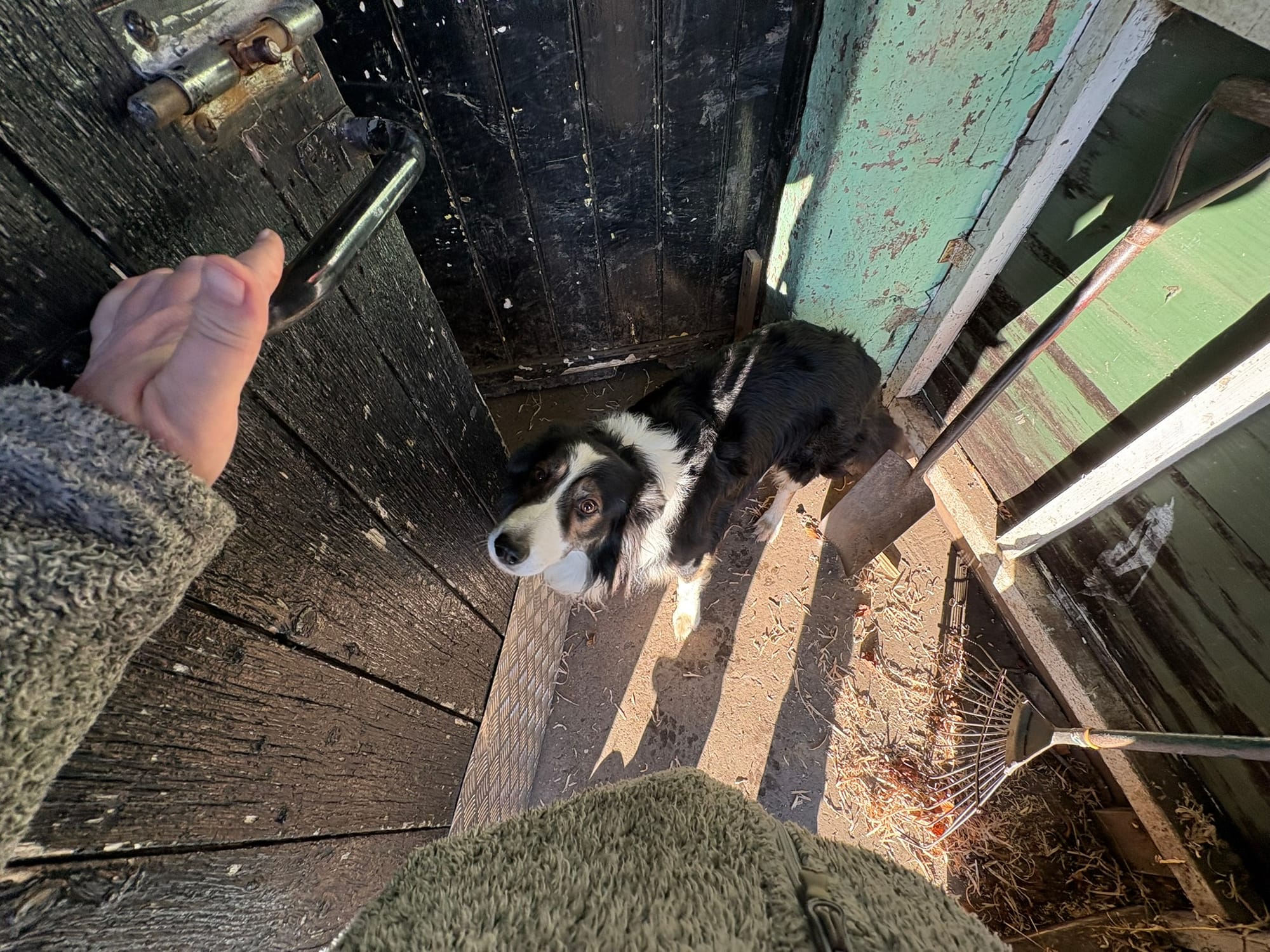
Inside, Charlie quickly got a fire going in the wood-only stove (noting that coal must not be used so it does not damage the stove). Practical supplies and notes left behind—such as the bothy book, nightlights, food items, and tools like a bow saw, axe, and portable saw—show how people look after the space for the next person coming off the hill.
A Brief History of Roughside
Long before Roughside became a walkers' refuge, it was a working upland smallholding in Greystead parish, roughly three miles south-east of Falstone.
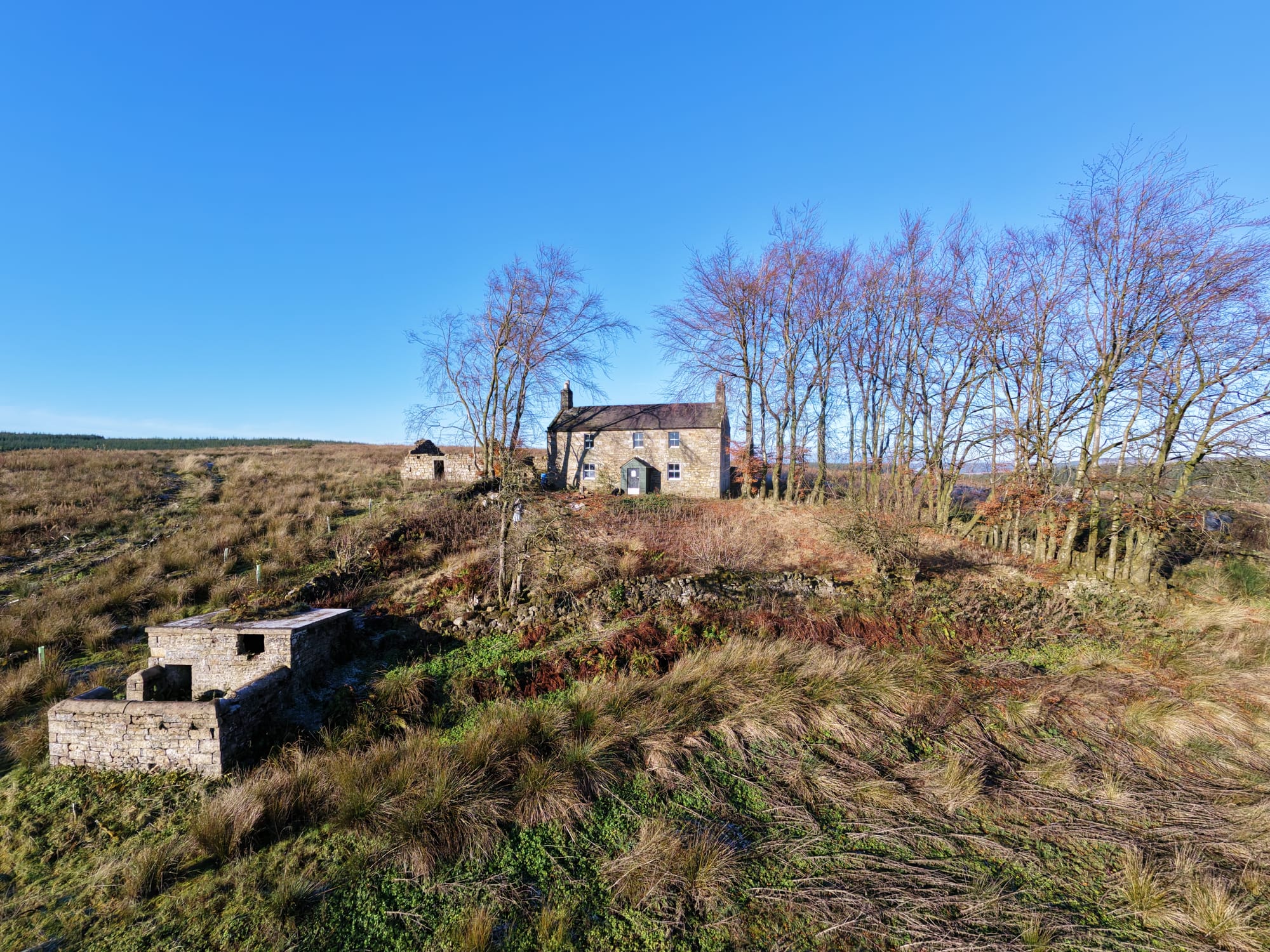
The place-name itself reaches back to at least the mid-14th century (Rughside in 1357), sitting in classic Border reiving terrain—a history still legible in the heavy recessed stonework and ironwork of the outbuildings designed to resist a pry bar.
- From Hill Farm to Timber Plantation: A farmstead has stood on this site since at least 1767. Well into the mid-20th century, aerial and archival views show Roughside sitting in open grazing fields with dry-stone walls rather than woodland. As the Forestry Commission expanded Kielder Forest across the surrounding moorland after the 1920s and 1950s, remote upland farms like Roughside were gradually vacated and swallowed by dense Sitka spruce plantations—leaving the two-storey stone farmhouse hidden deep in the trees until recent felling opened up the hillside again.
- Preserved as a Public Refuge: Rather than letting the farmhouse collapse into ruin, the building was taken on by the Mountain Bothies Association (MBA) (founded in 1965) and maintained by volunteer wardens as an unlocked, free shelter for walkers and cyclists crossing Kielder and the Pennine routes.
Reading the Old Farmstead
Walking around the surrounding structures with Charlie makes that agricultural past easy to read:
- The Pigsty: A sturdy, southern-facing stone shelter with a solid roof—built during an era when every upland smallholding kept pigs for winter subsistence.
- The Barn and Outbuildings: Stone lintels, recessed ironwork on the doors, old brickwork stamped from local yards like Mickley, and attached outhouses that reflect a self-contained mixed hill farm.
Cold-Weather Gear Lessons
A brief gear check showed how small mishaps happen in winter conditions—a water bottle leaking inside a rucksack and forgetting spare cups. Practical takeaways from the trip:
- Keep electronics and batteries in waterproof bags and line your rucksack so dry clothes and sleeping gear stay protected.
- Wash pots promptly after trips so dampness and mould do not build up in your pack.
- Run through a checklist before setting off.
Off-Grid PMR446 Radio Overview
Mid-film, I break down PMR446 radios (using my Midland G18 Pro NC alongside Charlie's Midland G9 Pro) as an accessible, license-free way to stay in touch outdoors—much like the old CB radio days:
- Pricing and Weather Ratings: Entry-level pairs cost around £20–£30, while rugged outdoor models range higher depending on build quality and water resistance (from splash-proof ratings to full IP67 submersion protection).
- Channels and Range: Units feature 16 channels—commonly using Channel 8 as a call channel before moving to a clear channel—with line-of-sight range reaching roughly 10–12 km from high ground, or closer to 4–5 km in wooded or uneven terrain.
- Safety and Privacy: Because analogue PMR446 transmissions can be overheard by anyone nearby, never broadcast your exact location or state that you are alone in remote areas.
Bothy Etiquette and Leaving It Clean
Over hot bacon butties and coffee in the cold, the conversation turns to bothy culture. Too often, content creators treat bothies like boutique hotels or complain about working countryside land. These shelters exist because Mountain Bothies Association volunteers work hard to maintain them—not to furnish hotel expectations.
Respect the land, keep dogs on leads around livestock, and always pick up after them so sheep are protected from parasites. Before heading back down the hill, we cleaned up, checked the fire, and left the bothy ready for the next traveller.