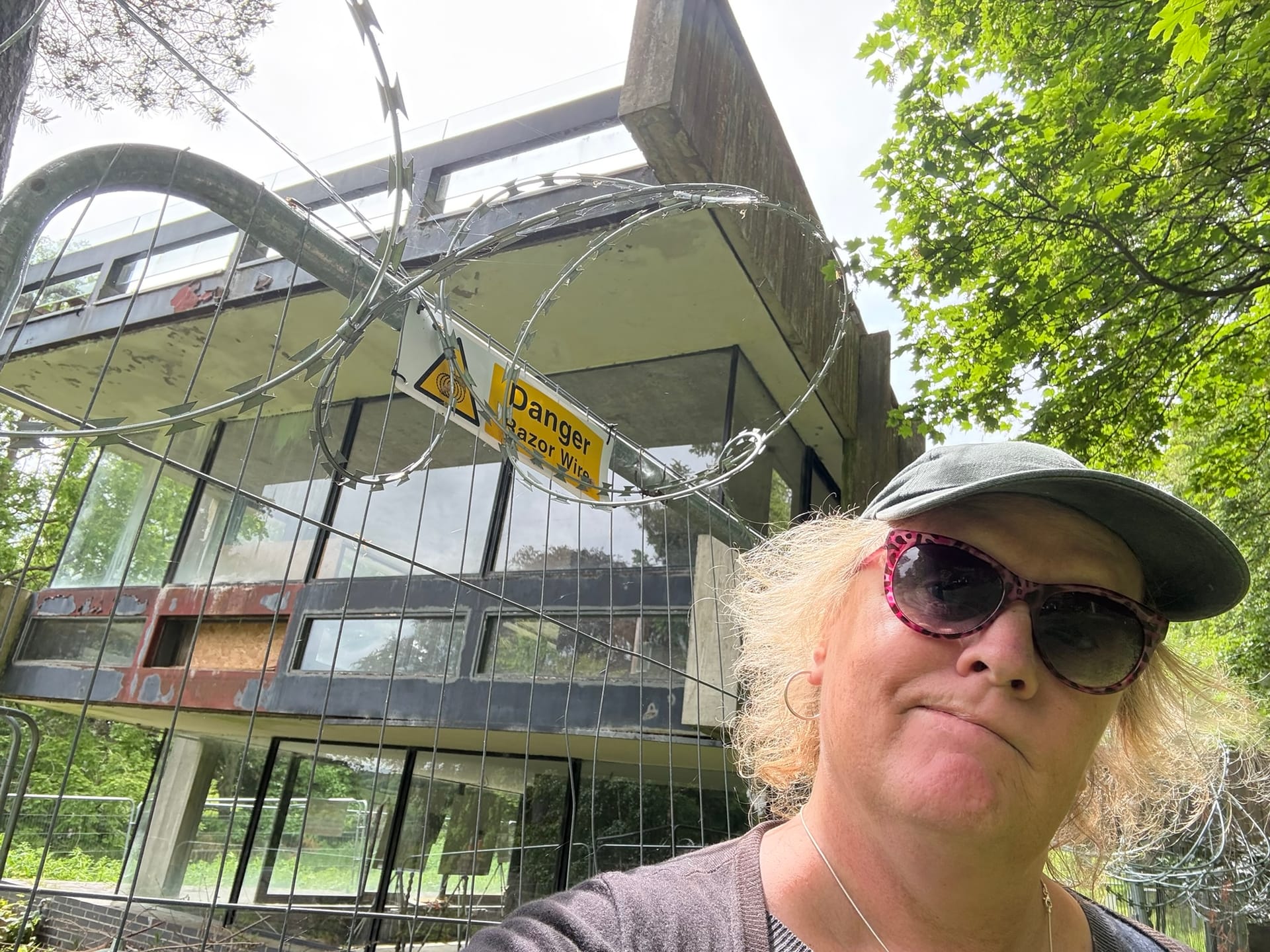
(Sociologically, this critique functions as an institutional and spatial analysis of architectural decay, utilising a diagnostic, observational framework)
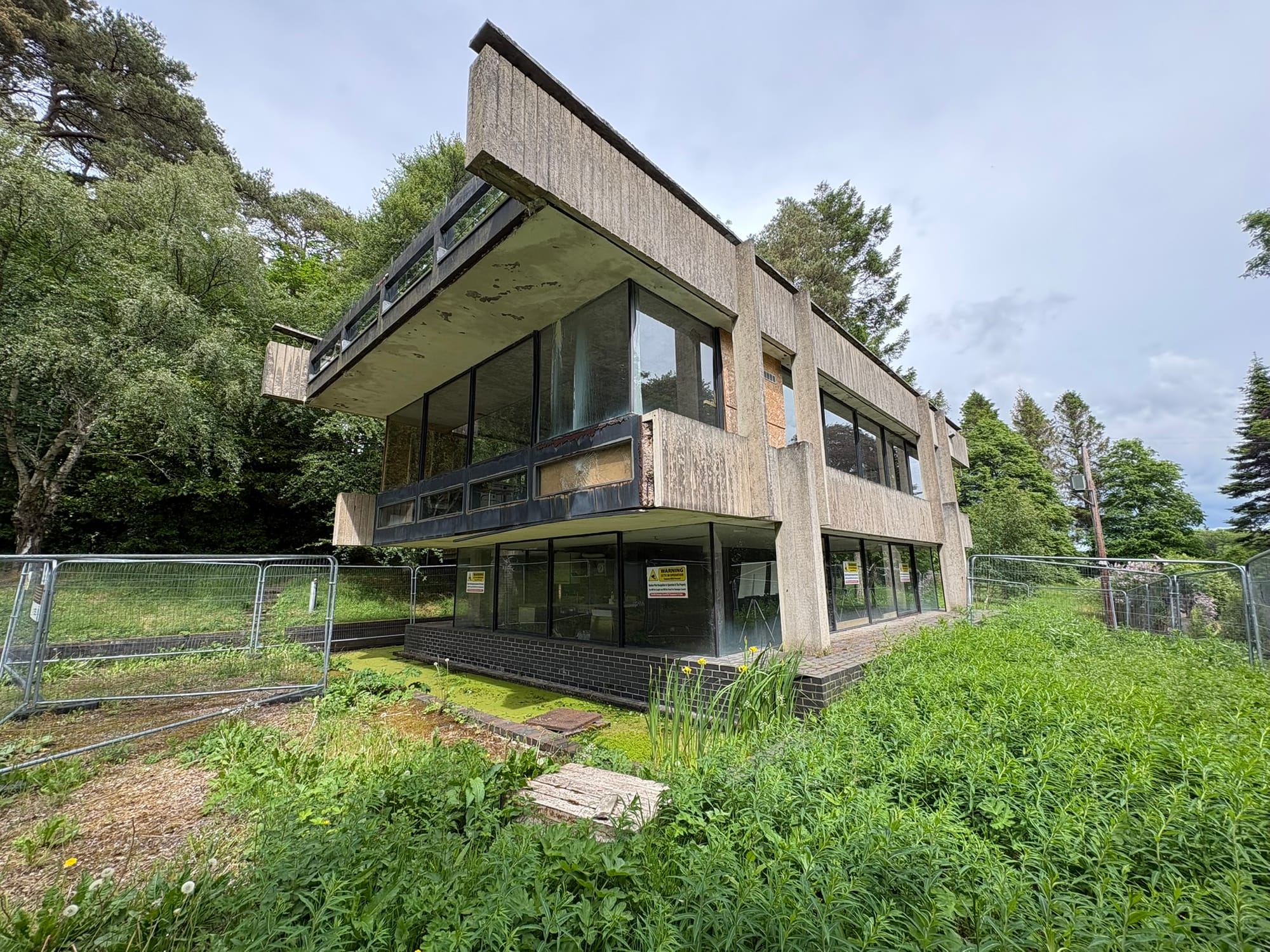
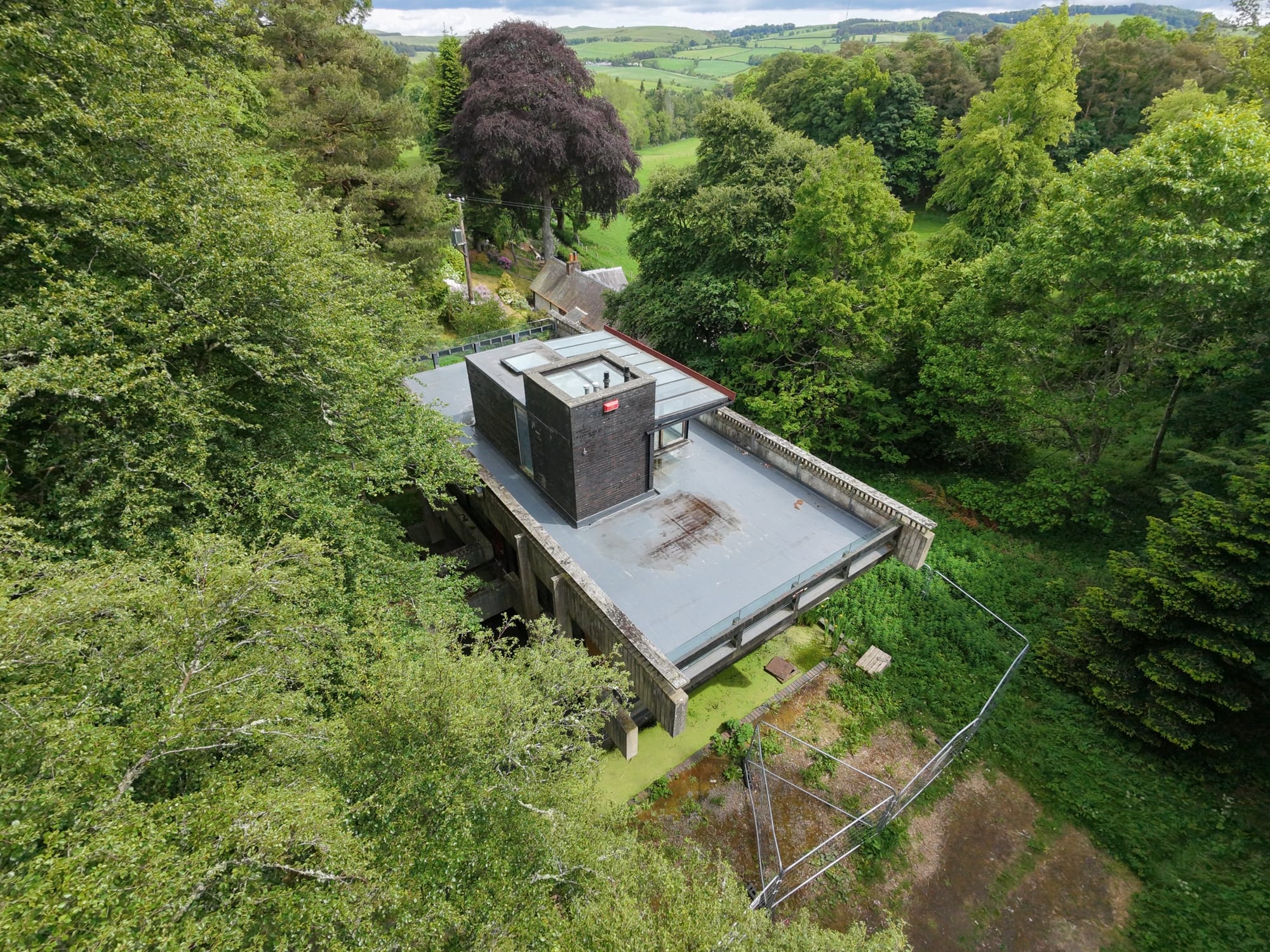
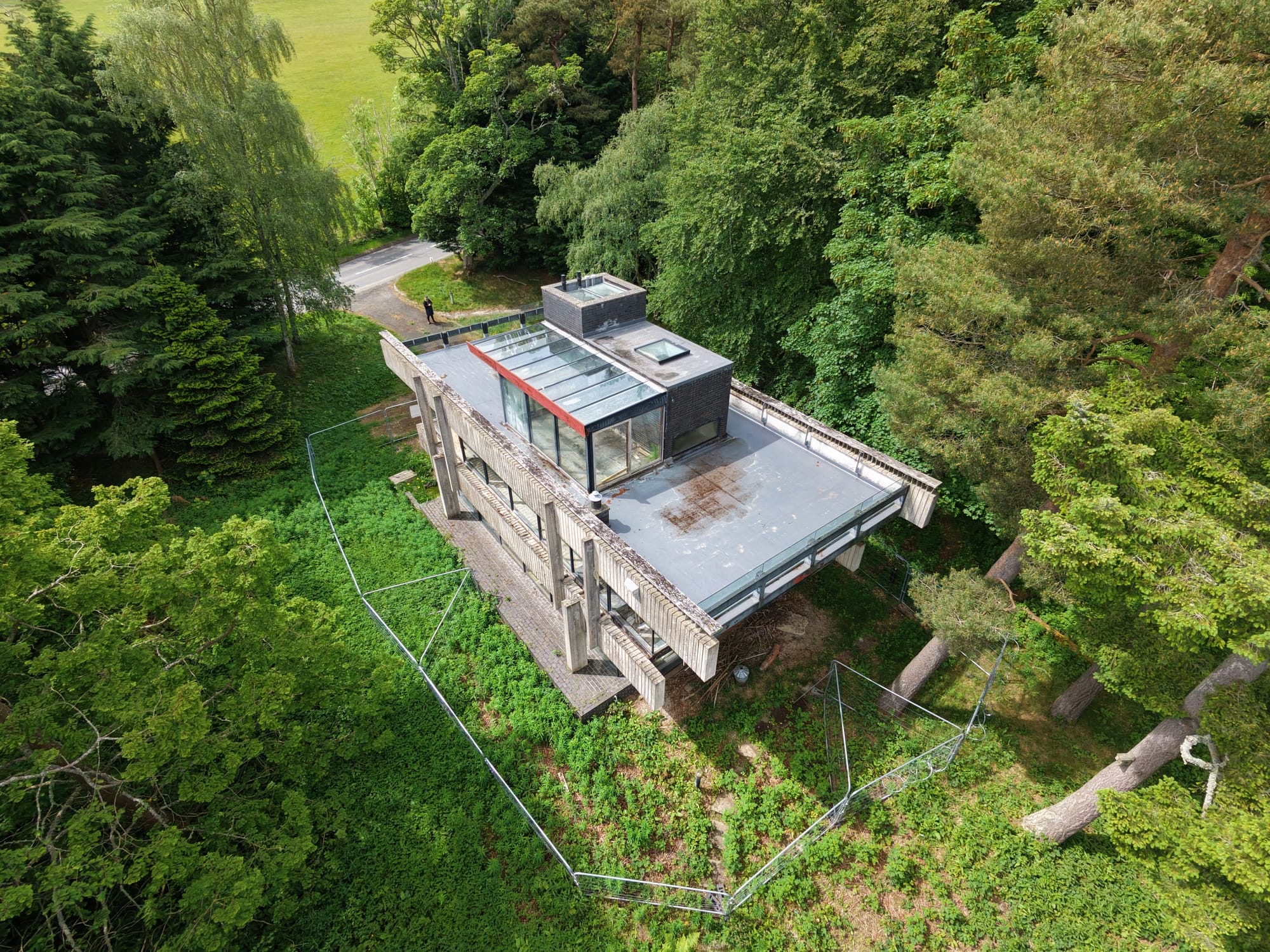
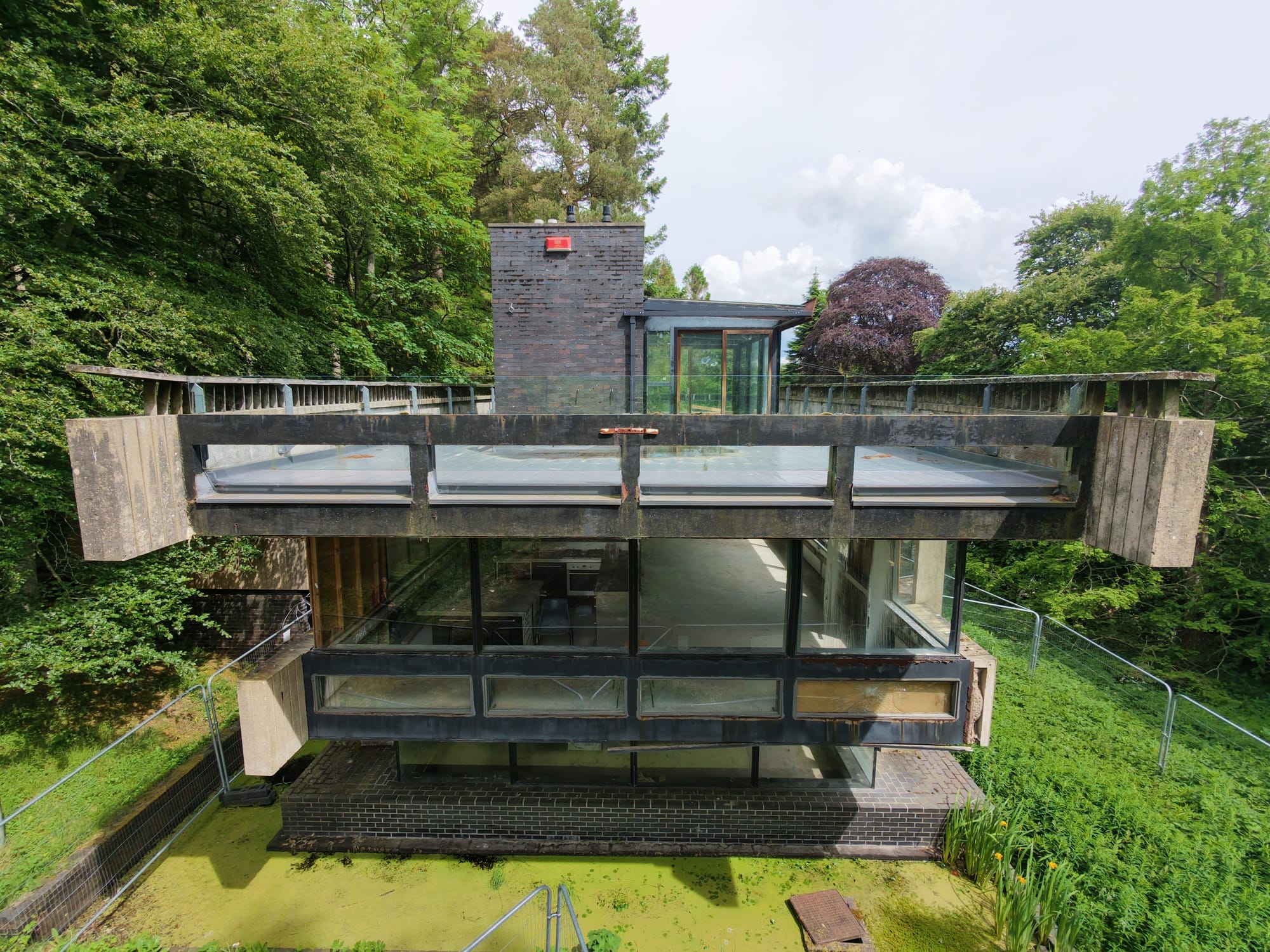
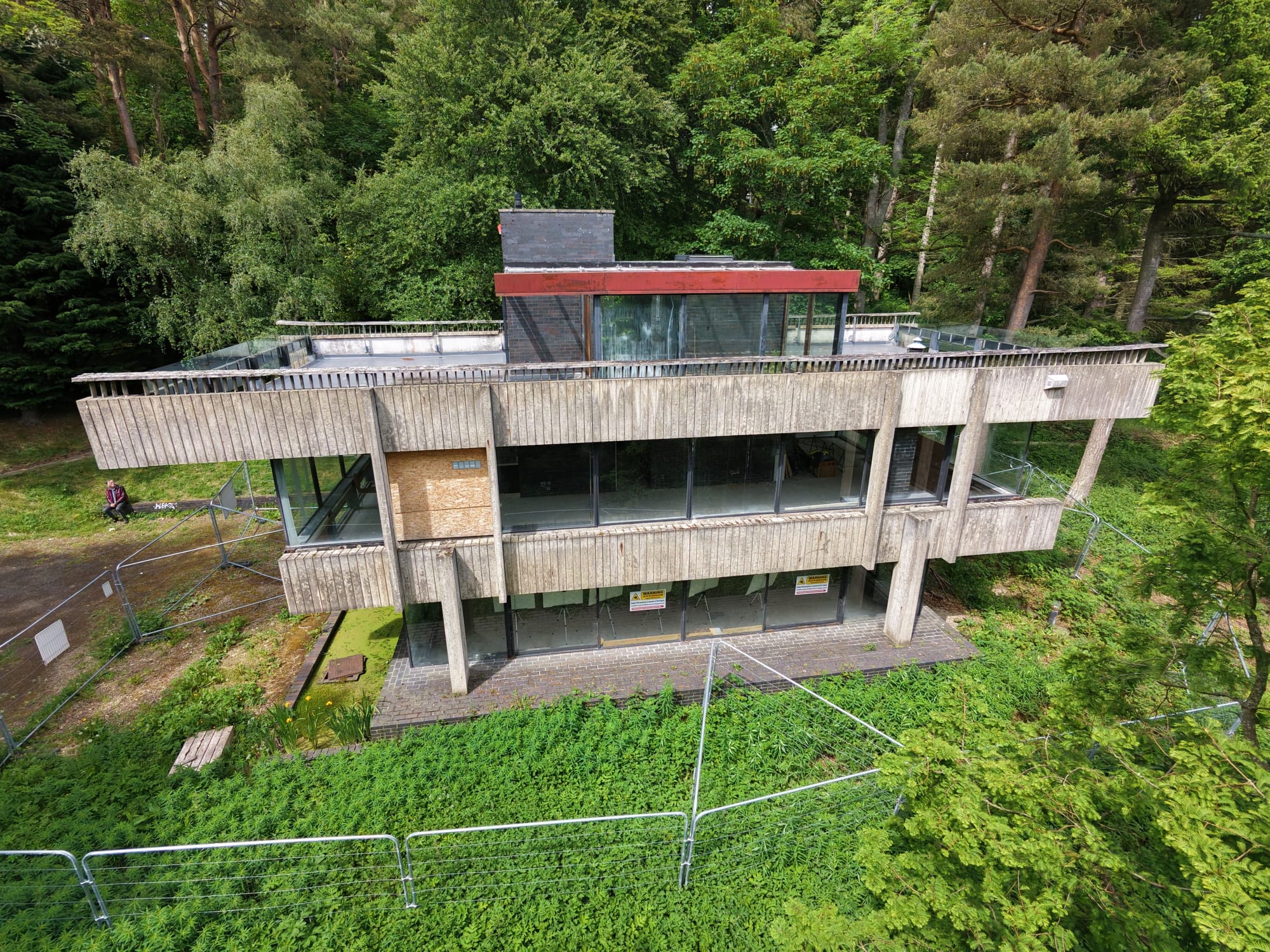
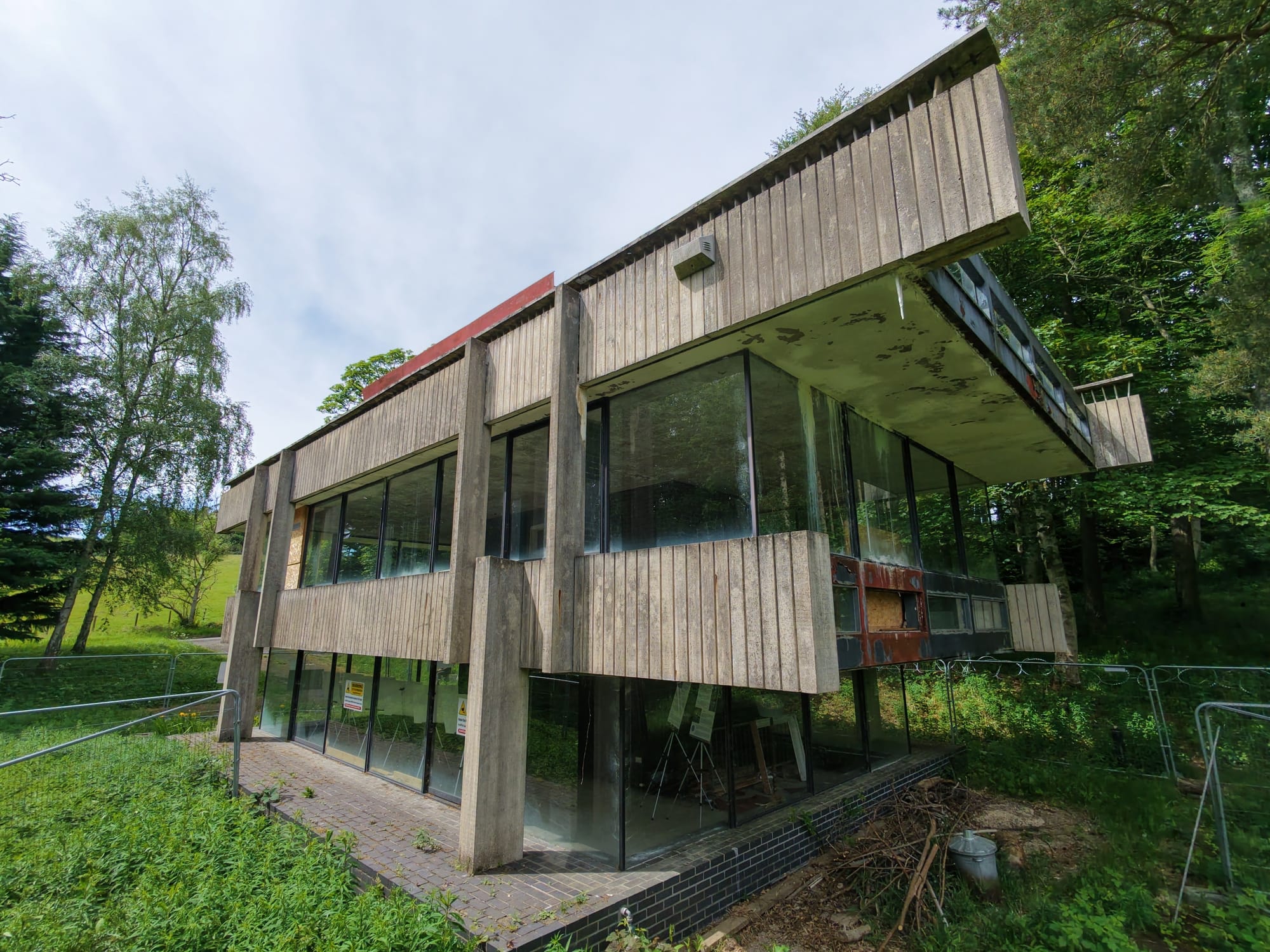
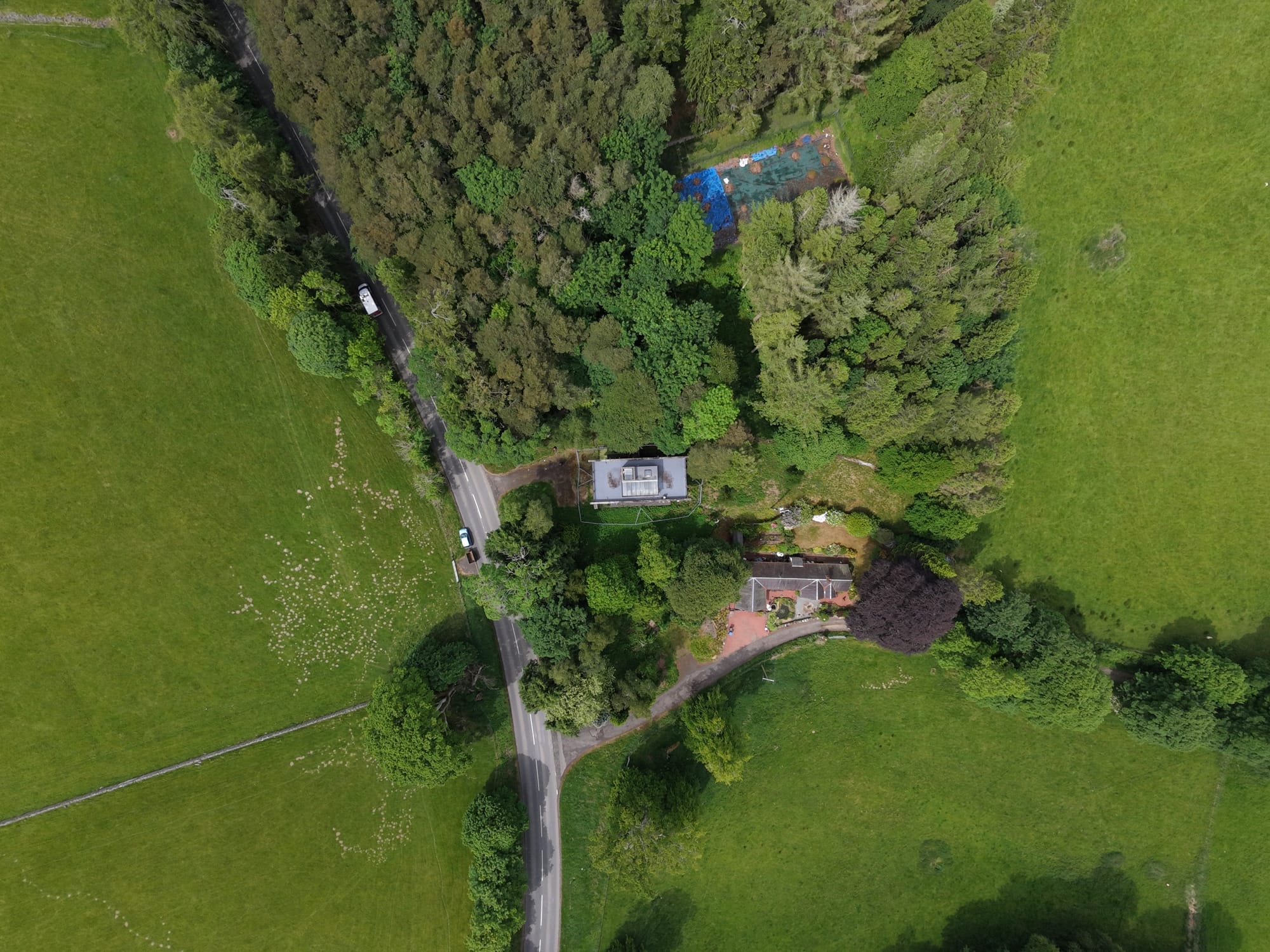
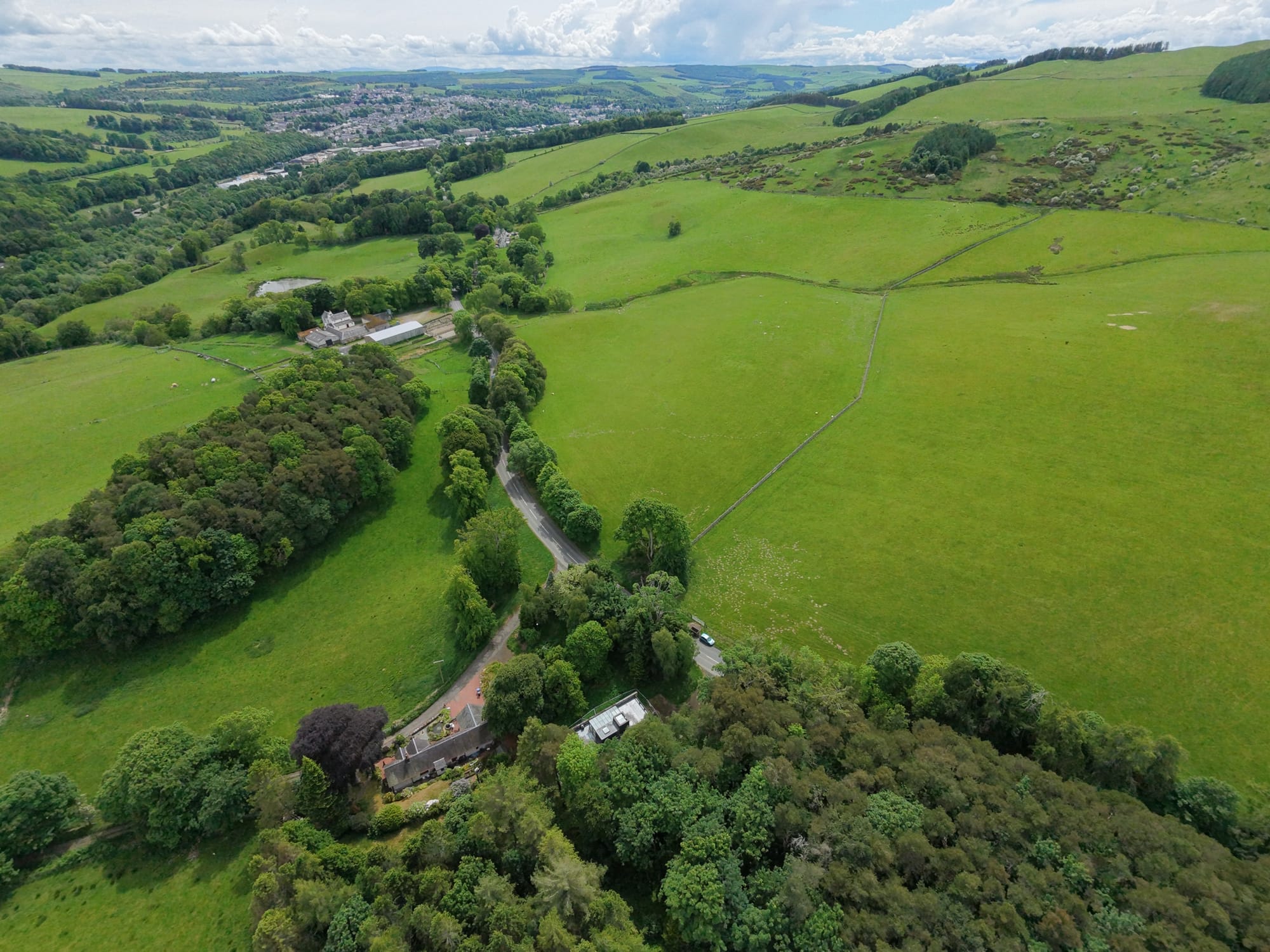
To understand the weight of this decline, one must look at the origin of the site, where the architecture was intended to be an extension of the landscape itself. In 1972, textile designer Bernat Klein commissioned architect Peter Womersley to build a dedicated studio on the High Sunderland estate—a workspace that would mirror the modernist, light-filled aesthetic of his 1957 home located just a hundred meters away. The studio was not merely a building but a vessel for Klein’s creative process, designed to capture the changing light and colour of the Scottish Borders woodland that served as his primary inspiration. However, the tragic irony lies in how this site, originally conceived as a sanctuary for transparency and artistic harmony, has spent over two decades languishing on the Buildings at Risk register, slowly succumbing to the elements and vandalism until it became defined by the very isolation it was meant to transcend.
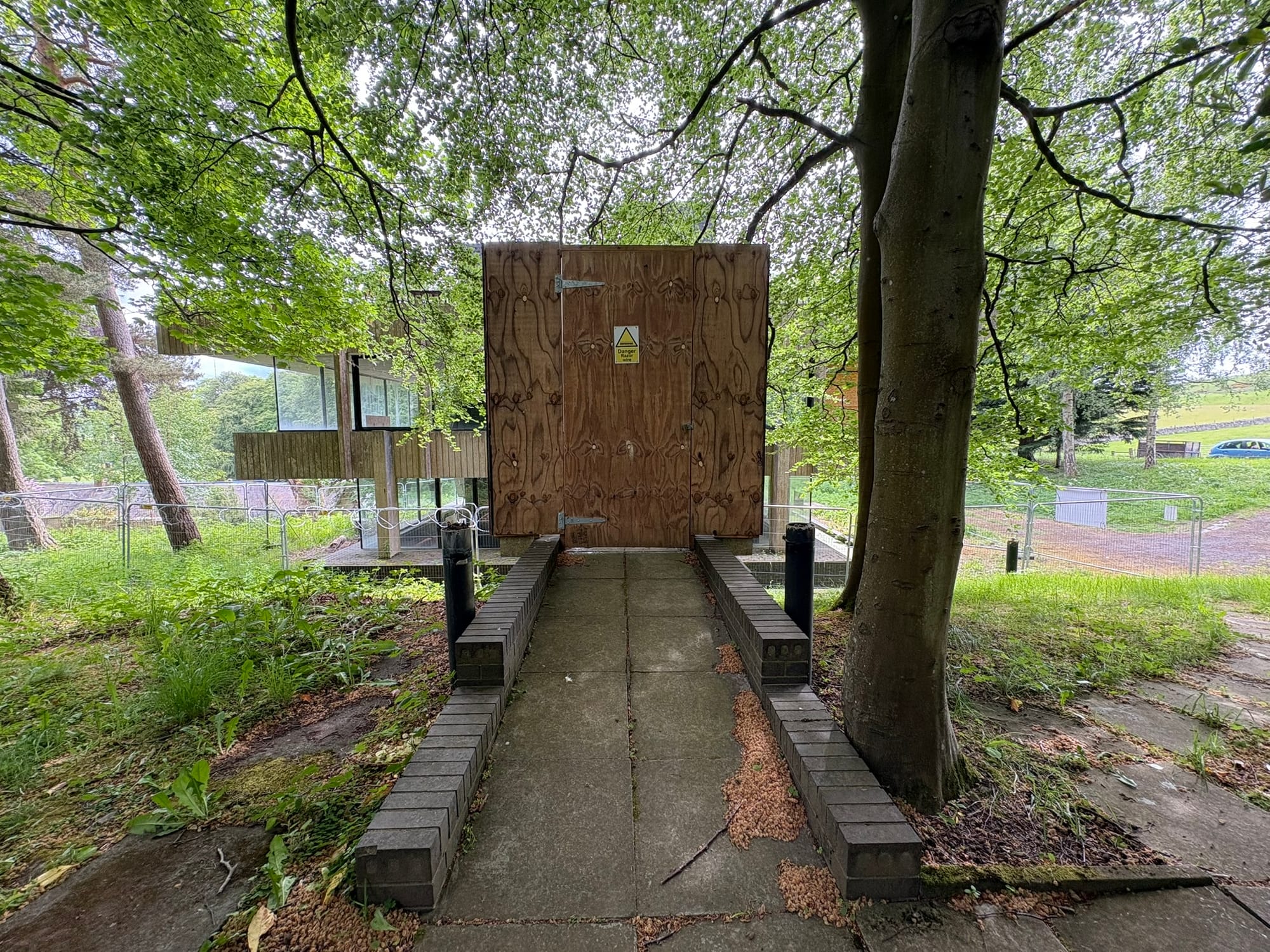
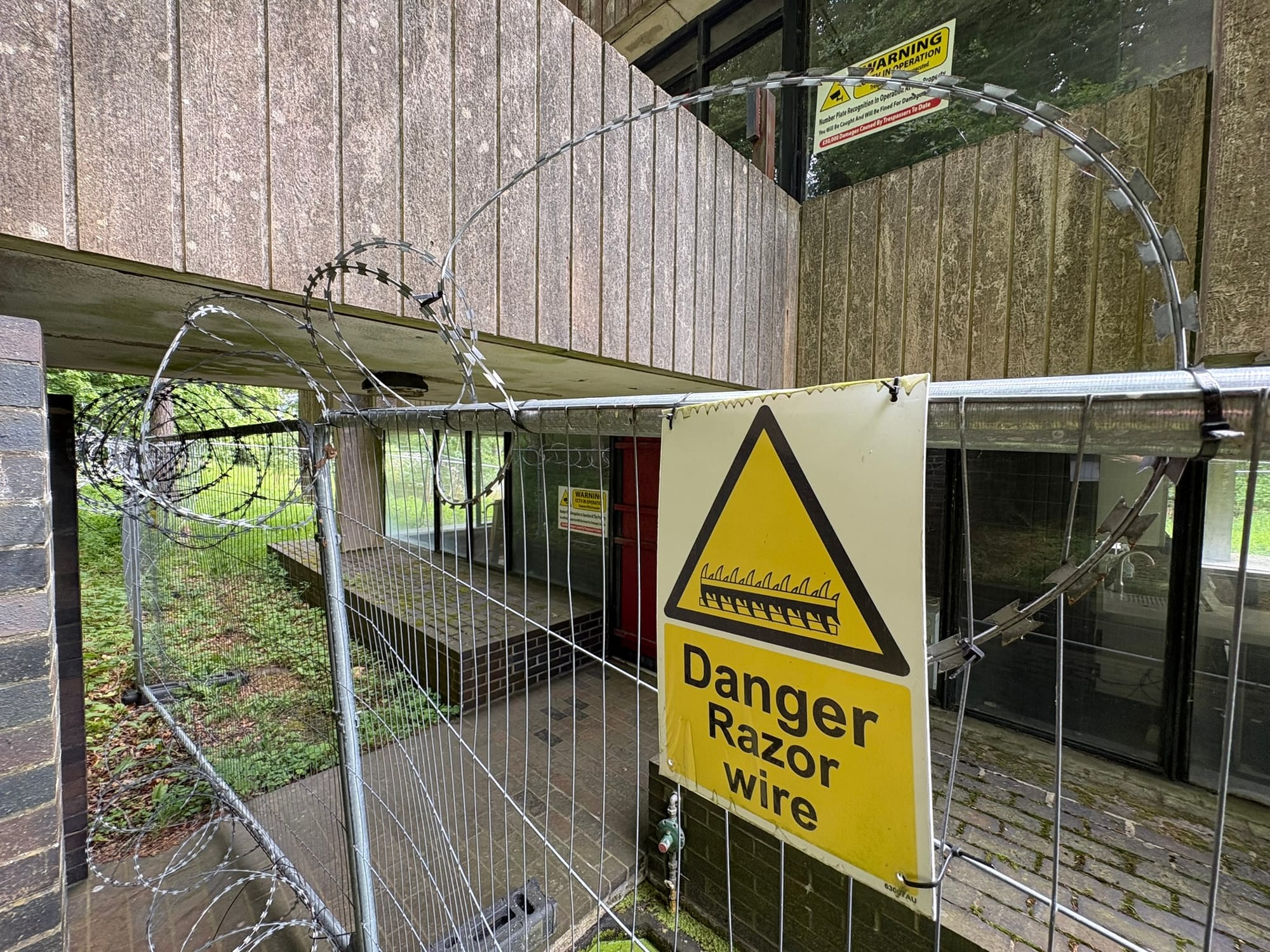
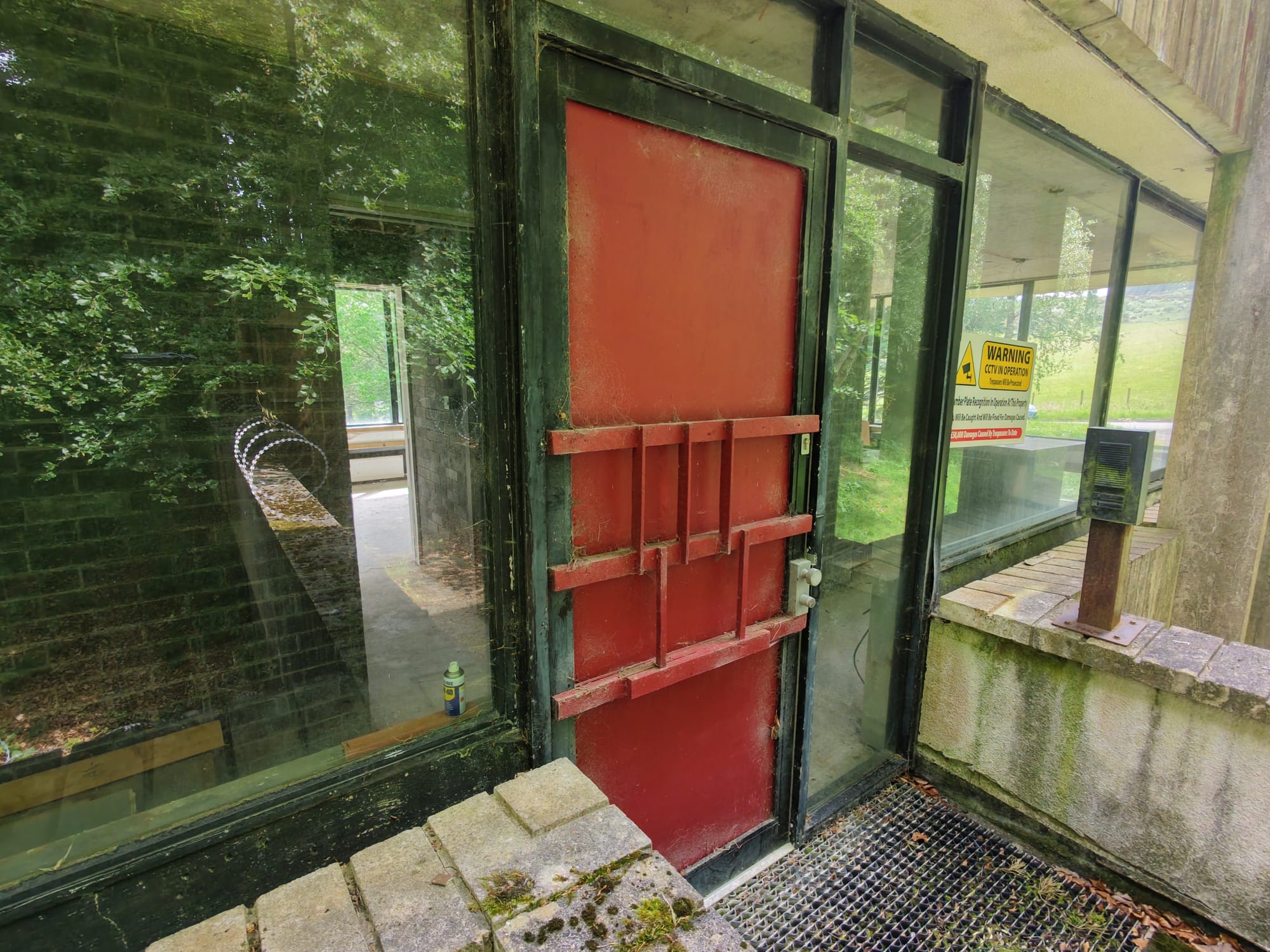
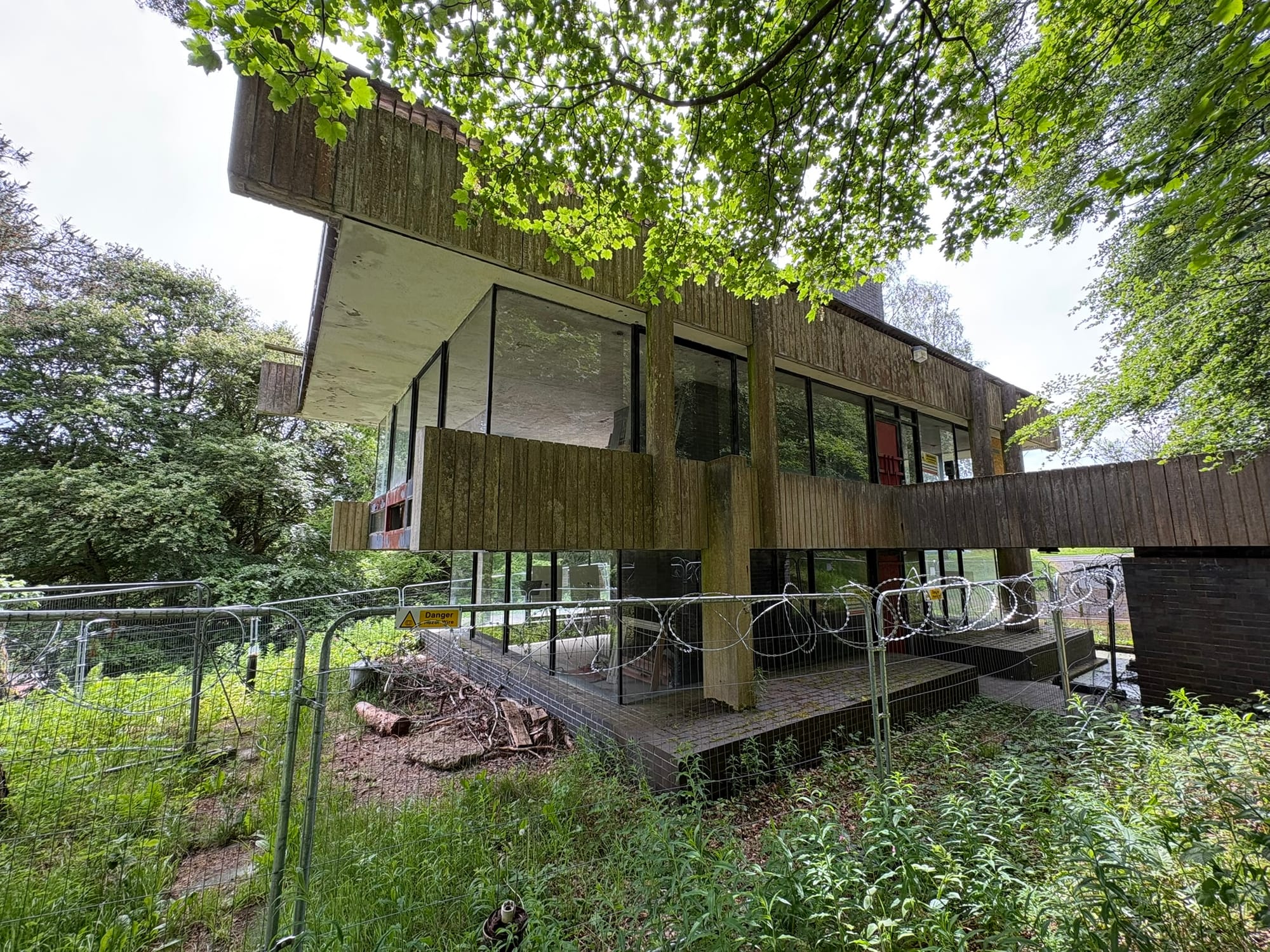
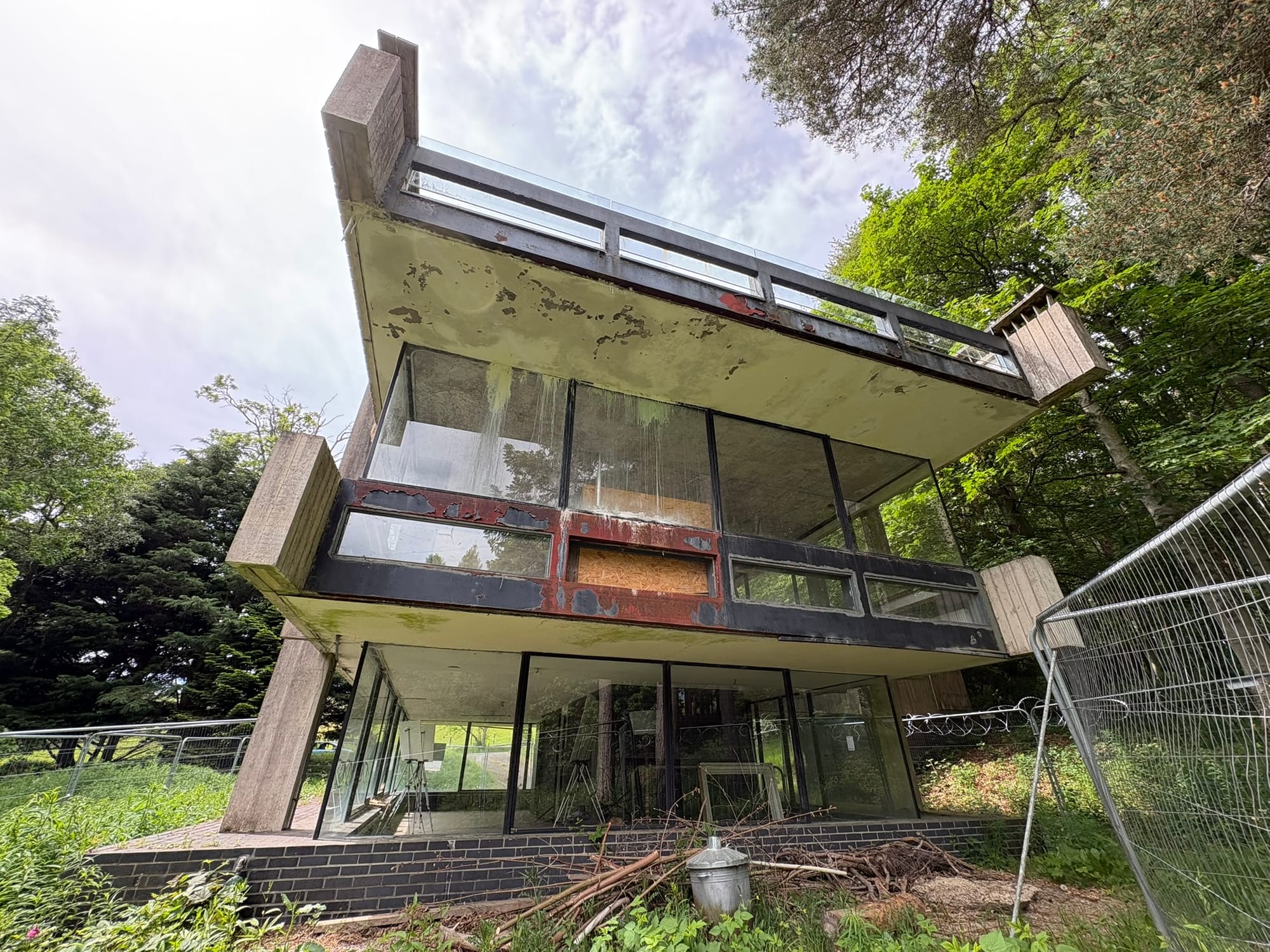
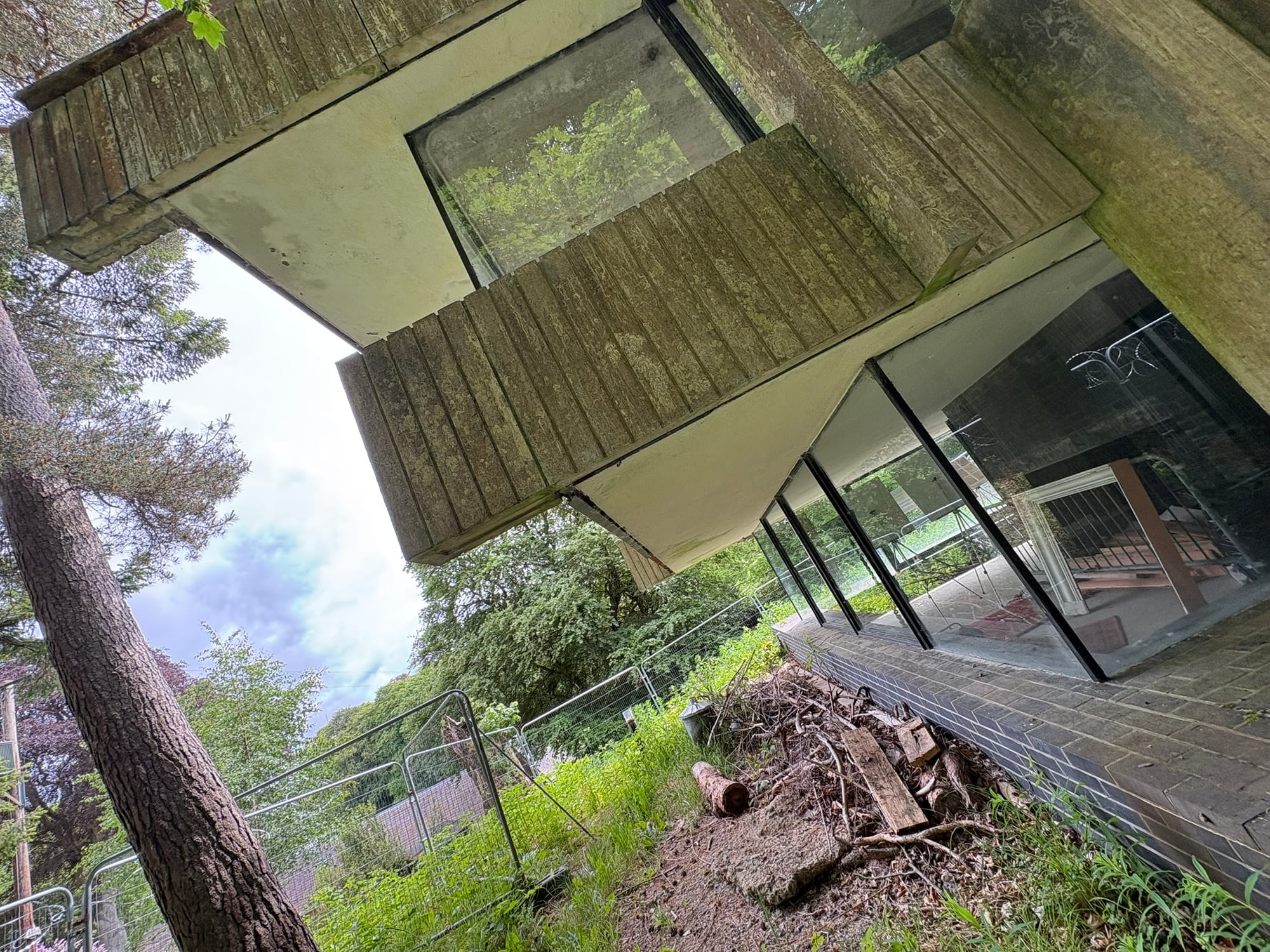
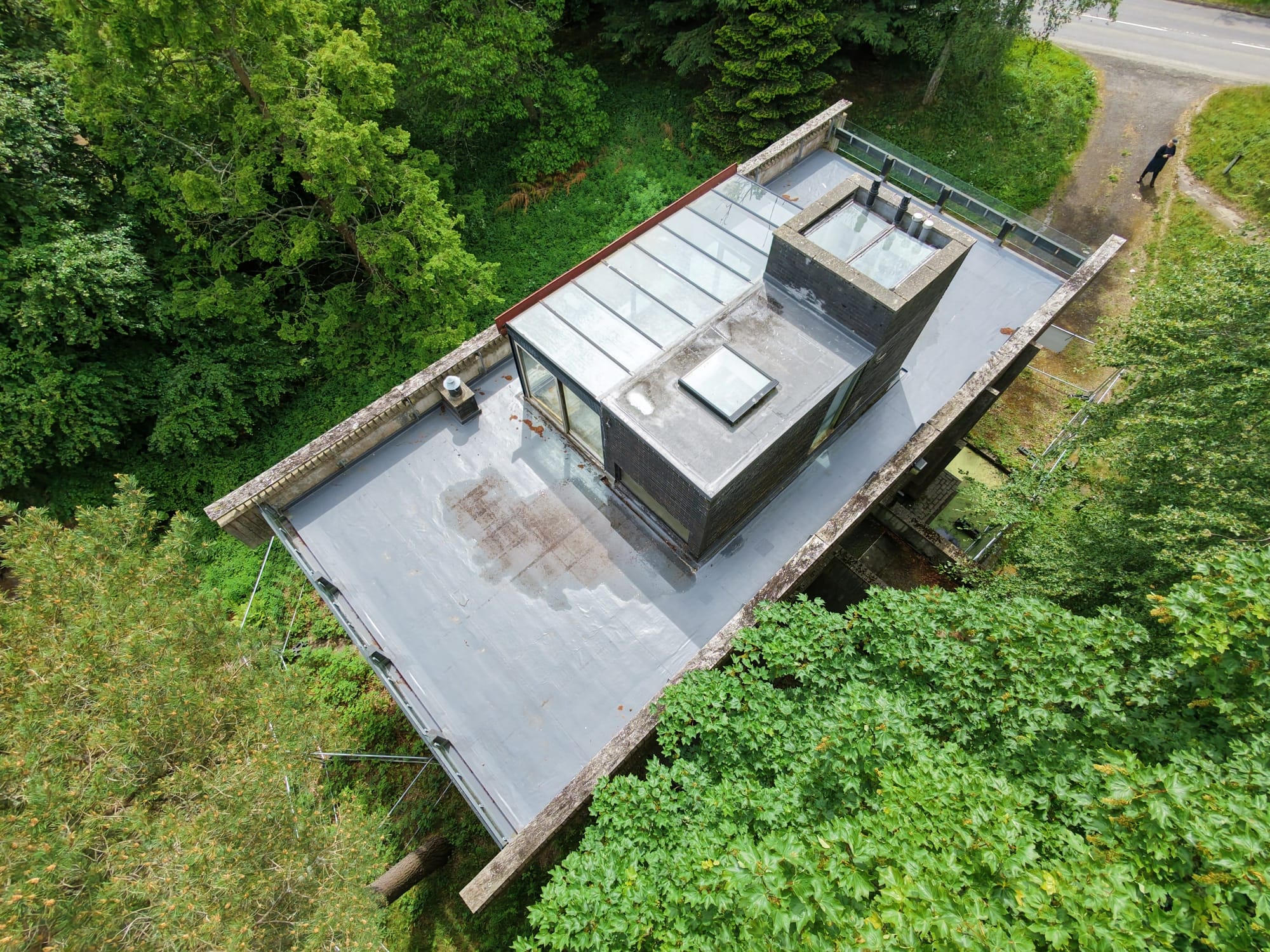
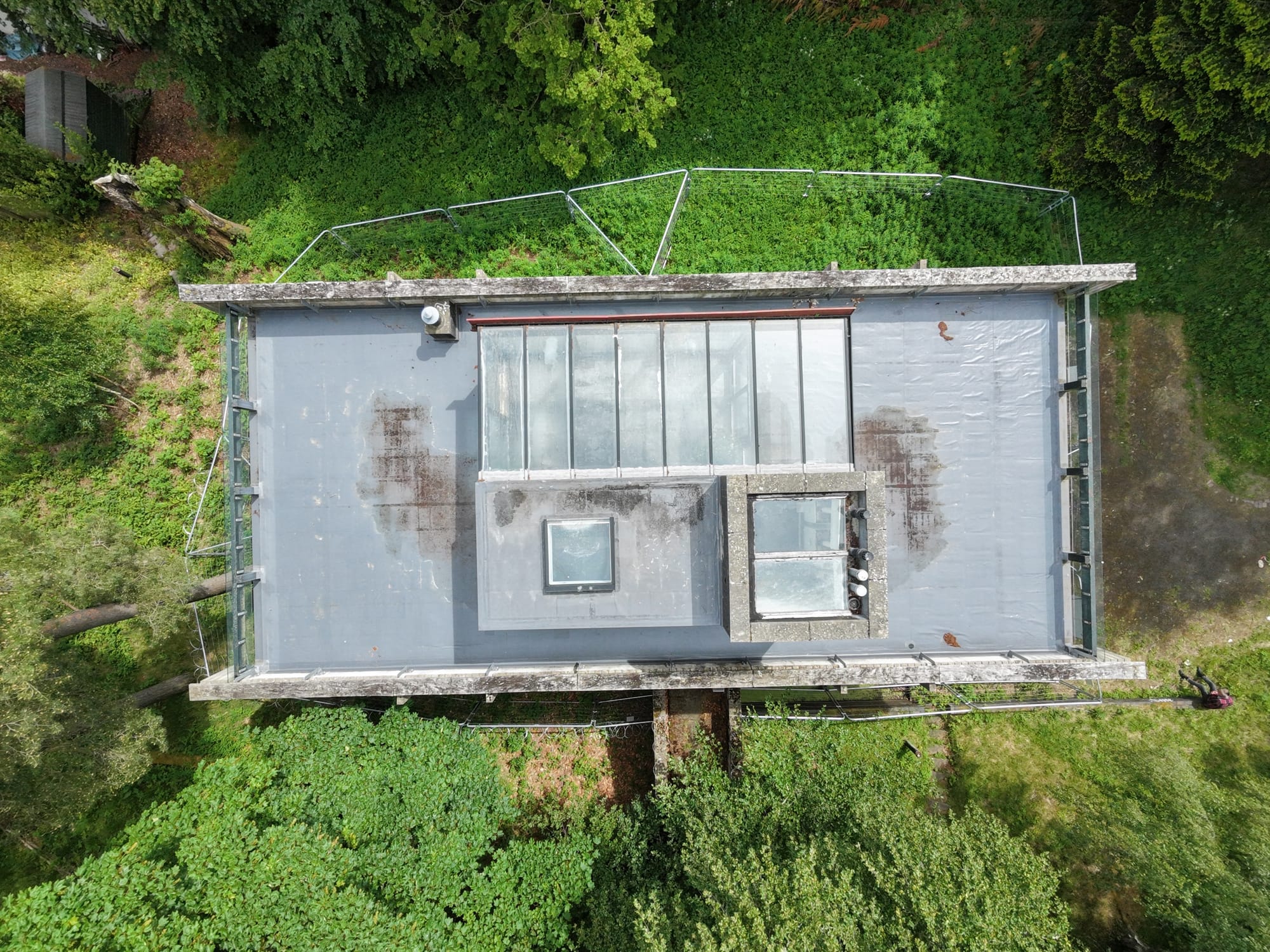
The studio’s design was a masterclass in the intersection of form and function, built to serve as a catalyst for Klein’s work in high-end textiles. Womersley envisioned the structure as a "sculpture of concrete," utilising a modular timber and glass system that allowed the woodland to become a literal extension of the workspace. By creating an interior that prioritised expansive, unfiltered light, the studio was purposefully engineered to facilitate a hyper-sensitive approach to colour theory and pattern design. It sought to accomplish more than just shelter; it was designed to be an immersive environment where the boundary between the artist’s process and the external, ever-changing environment of the Scottish Borders was rendered nearly invisible. This ambition for total transparency is precisely what makes the current, heavy-handed fortification of the site feel like such a profound architectural betrayal.
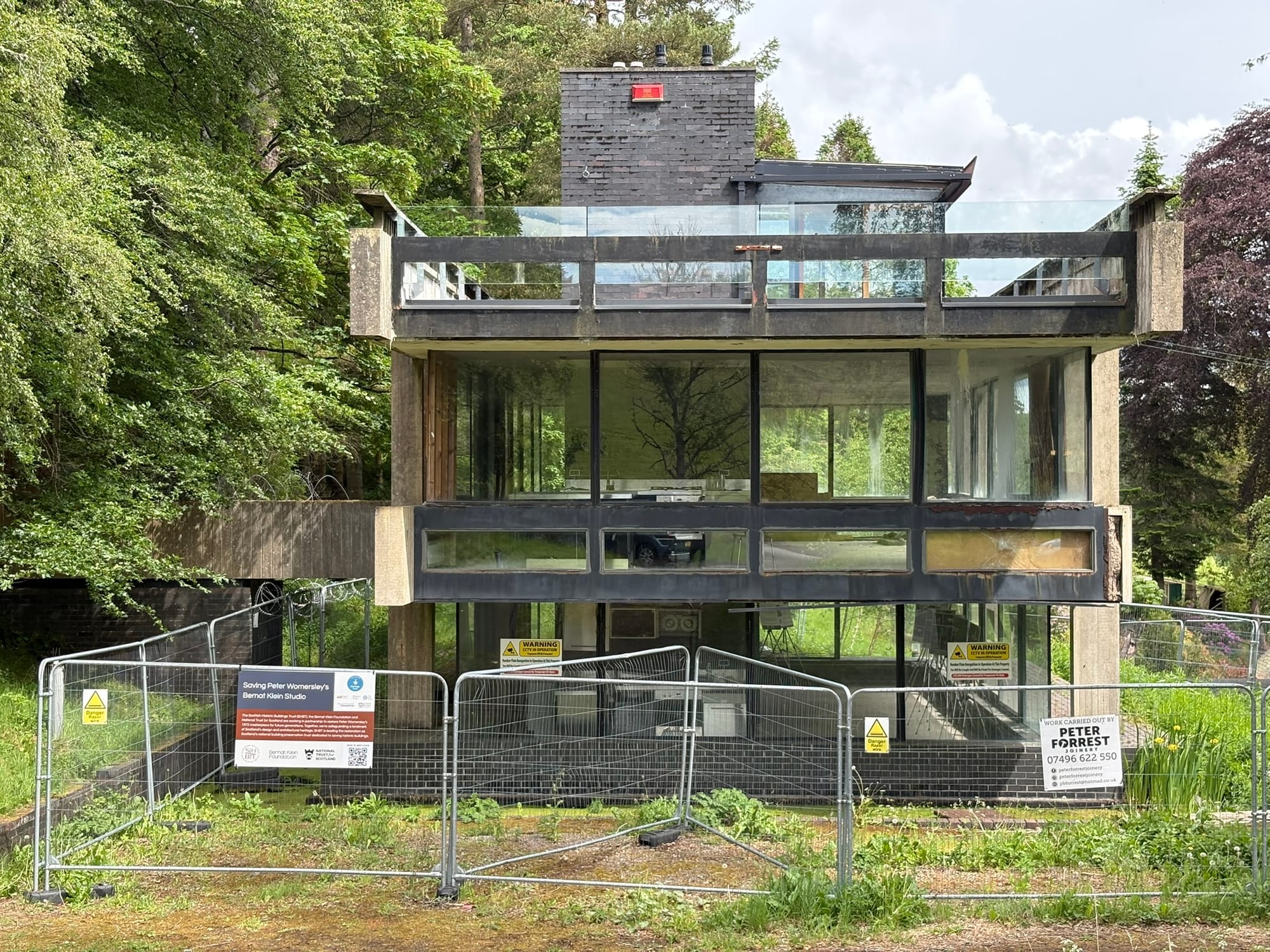
The recent transition of the Bernat Klein studio from a site of neglected abandonment to one of active restoration marks a decisive turning point for the High Sunderland estate. In July 2025, a coalition—led by the Scottish Historic Buildings Trust, the Bernat Klein Foundation, and the National Trust for Scotland—successfully acquired the studio at auction for £279,000, bolstered by a crowdfunding campaign that secured over £30,000 in its opening week. The restoration project, currently spearheaded by the Scottish Historic Buildings Trust, intends to reinstate the building as a design studio while creating a permanent home for the Bernat Klein Foundation to facilitate exhibitions and community workshops. The project is currently in the stabilisation phase, focusing on urgent repairs to the concrete cladding and roof, which is being supported by a £245,000 grant from The National Lottery Heritage Fund. While full restoration designs are in development with total costs projected to exceed £2.5–£3 million, the collaborative rescue effort has already received national recognition, including a nomination for "Partnership of the Year" at the 2026 Museums + Heritage Awards. This endeavour aims to move beyond simple structural repair, serving as a model for modernist preservation that reconnects the studio's architectural and creative legacy to the public.
While Bernat Klein was not a political figure in the traditional partisan sense, his life and design philosophy were fundamentally shaped by the geopolitical trauma of the 20th century. Born in Yugoslavia into an Orthodox Jewish family, he experienced the profound impact of the Holocaust, which resulted in the death of his parents and most of his family in Auschwitz. During the Second World War, he served the British war effort as a translator for the Ministry of Information, leveraging his linguistic skills. In his later life, he adopted a liberal, atheistic world-view that emphasised gentle authority and personal freedom within his family. Professionally, his "political" impact was expressed through his belief in design as a social good; he championed the idea that well-designed, colour-coordinated clothing should be accessible to all, and his views on the longevity of design are often viewed as precursors to contemporary sustainability and "slow design" movements.