(The term "toxic." through a sociological lens, it is not merely an emotive descriptor; it refers to a specific type of community dysfunction where the social ecosystem has become self-poisoning)
My perspective of Ancrum is shaped by a significant transition: on June 3rd, 2024, I ended nearly thirty-three years of homelessness by signing a secure tenancy agreement with the Scottish Borders Housing Association. Upon entering this community, I began to observe the intricate mechanics of its social architecture. I frequently encountered a pervasive "politeness bias"—a tactic where challenges to established norms are dismissed as personal "impoliteness" or "unfriendliness" to avoid addressing legitimate structural concerns. ¹ Despite this atmosphere of cultural stagnation and rigid social expectation, I have worked to cultivate a genuine sense of sanctuary within my home. ²
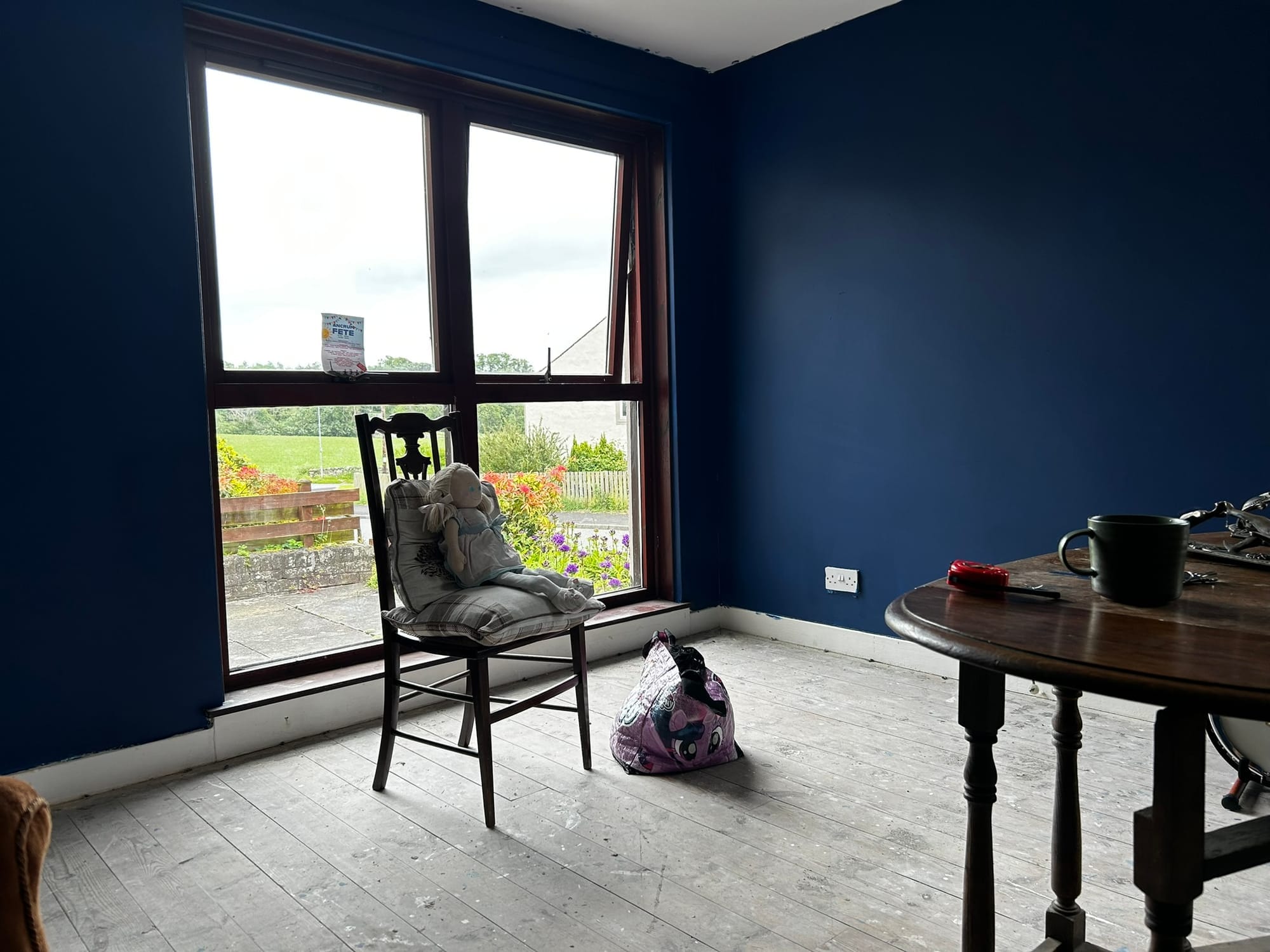


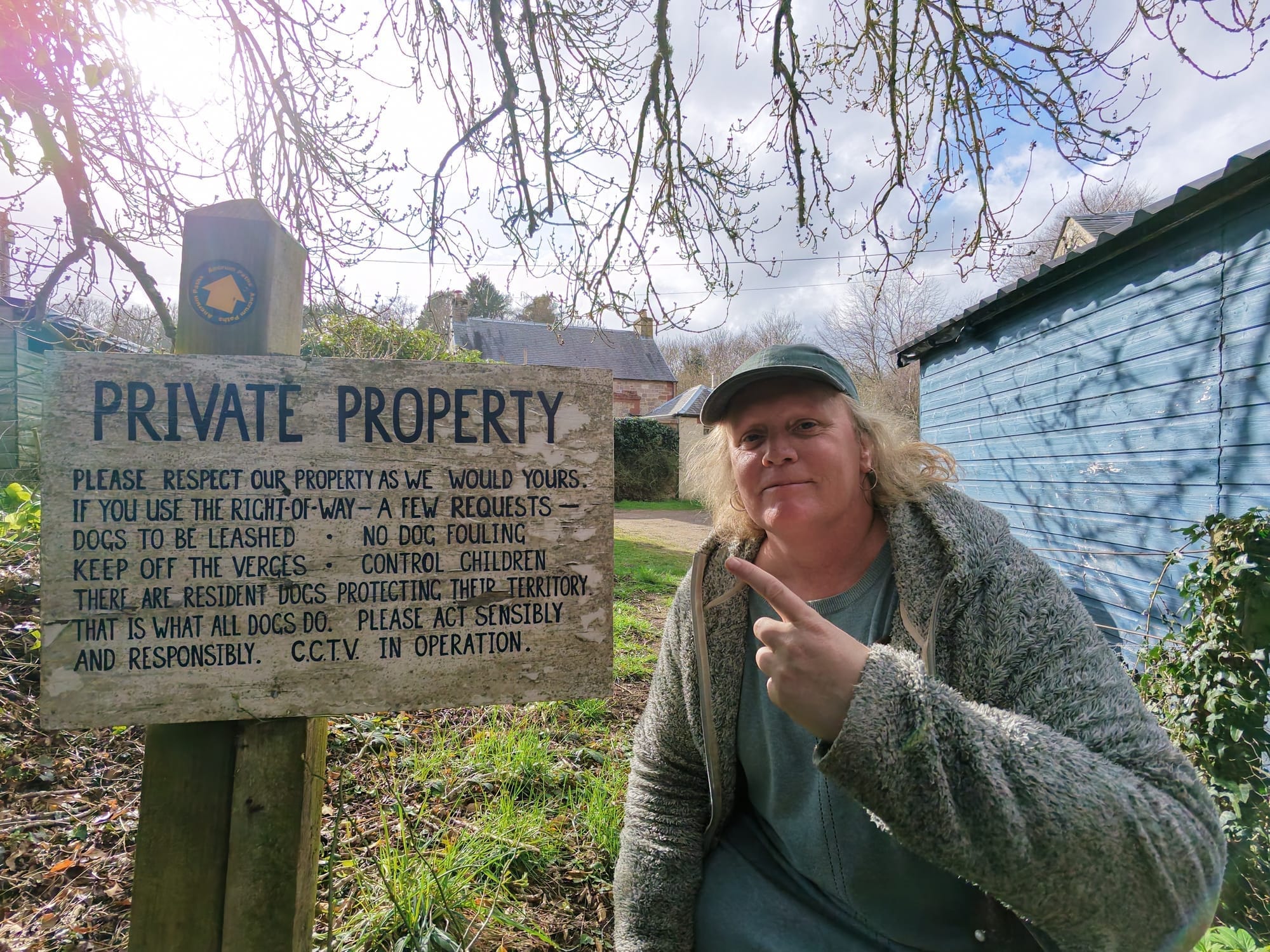
My transition into a new home commenced with a sense of cautious optimism. The freshly painted blue walls of the living room remained bare, anticipating the arrival of furniture. A small flyer for the upcoming Ancrum Village Fete, displayed in the window frame, served as a modest emblem of hope. Observing the shared community space, I remained convinced that this event could mark my integration into village life. However, while the broader community projected an appearance of inclusion, authentic solidarity emerged on a more personal scale. During the demanding move, Charlie appeared fatigued yet determined. His mud-stained boots and steadfast presence embodied the essential support system necessary to establish stability in an otherwise indifferent setting. His efforts formed the tangible basis for my new life, in contrast to the detached politeness of the wider village. The emotional intensity of this transition was considerable. In those initial days, my own portrait captured a period of significant vulnerability, illustrating the surreal and overwhelming experience of moving from years of instability to the concrete reality of a secure home. This threshold was characterised by a persistent disbelief that such a sanctuary could finally be attained.
Living within this closed ecosystem, I experience a stark contrast between the village's projected "happy family" narrative and my own reality. In this overwhelmingly homogenous and privileged environment, community boundaries are maintained through subtle, exclusionary practices. Social exclusion here frequently operates through projective identification, a process in which the collective anxieties and unspoken fears of the community are offloaded onto the "outsider," re-framing their presence as an unwelcome blemish on an idealised world. ³ The impact of this environment is felt in daily, accumulating pressures—invisible burdens carried in silence—manifested in specific, performative behaviours: conversations that abruptly cease when I enter the local shop, the deliberate avoidance of eye contact, and a systematic exclusion from local social life. ⁴
The mechanisms of this exclusion operate with notable efficiency. When I first encounter someone, they present themselves as a blank canvas; however, upon their return, that canvas is invariably marked by harsh characterisations and unfounded assumptions, pre-conditioned by the village’s insular gossip network. Even after two years of residency, genuine friendship remains distant—always visible, yet systematically unattainable. I arrived in Ancrum with optimism, believing I could establish an independent sense of happiness without succumbing to communal despair. This belief was irreversibly disrupted when a local shopkeeper quietly remarked, "This village has only ever been nice to you." ⁵ This statement reveals the underlying violence of the "politeness bias," wherein superficial pleasantries are used to obscure and invalidate the structural hostility I face every day. ⁶
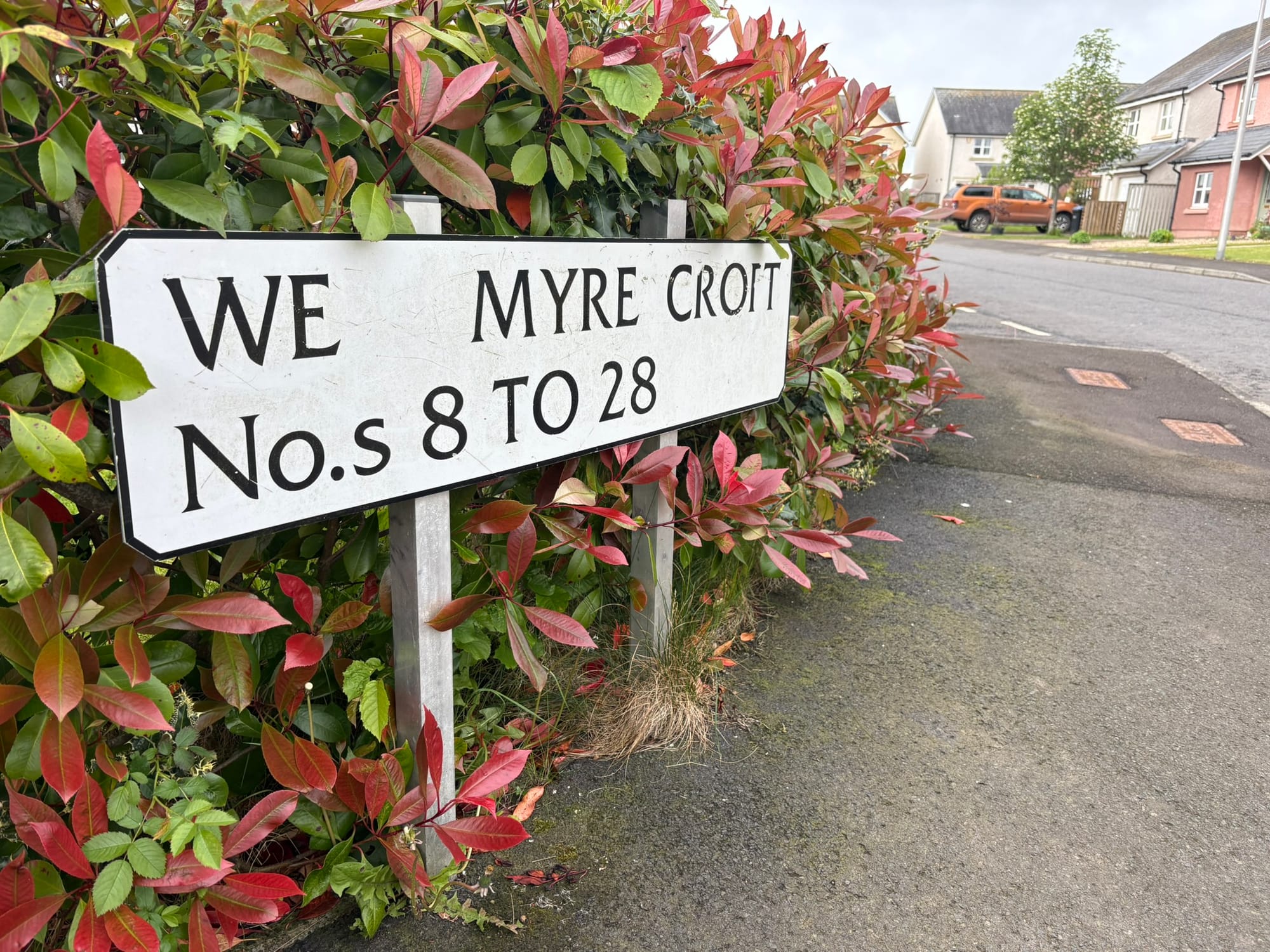
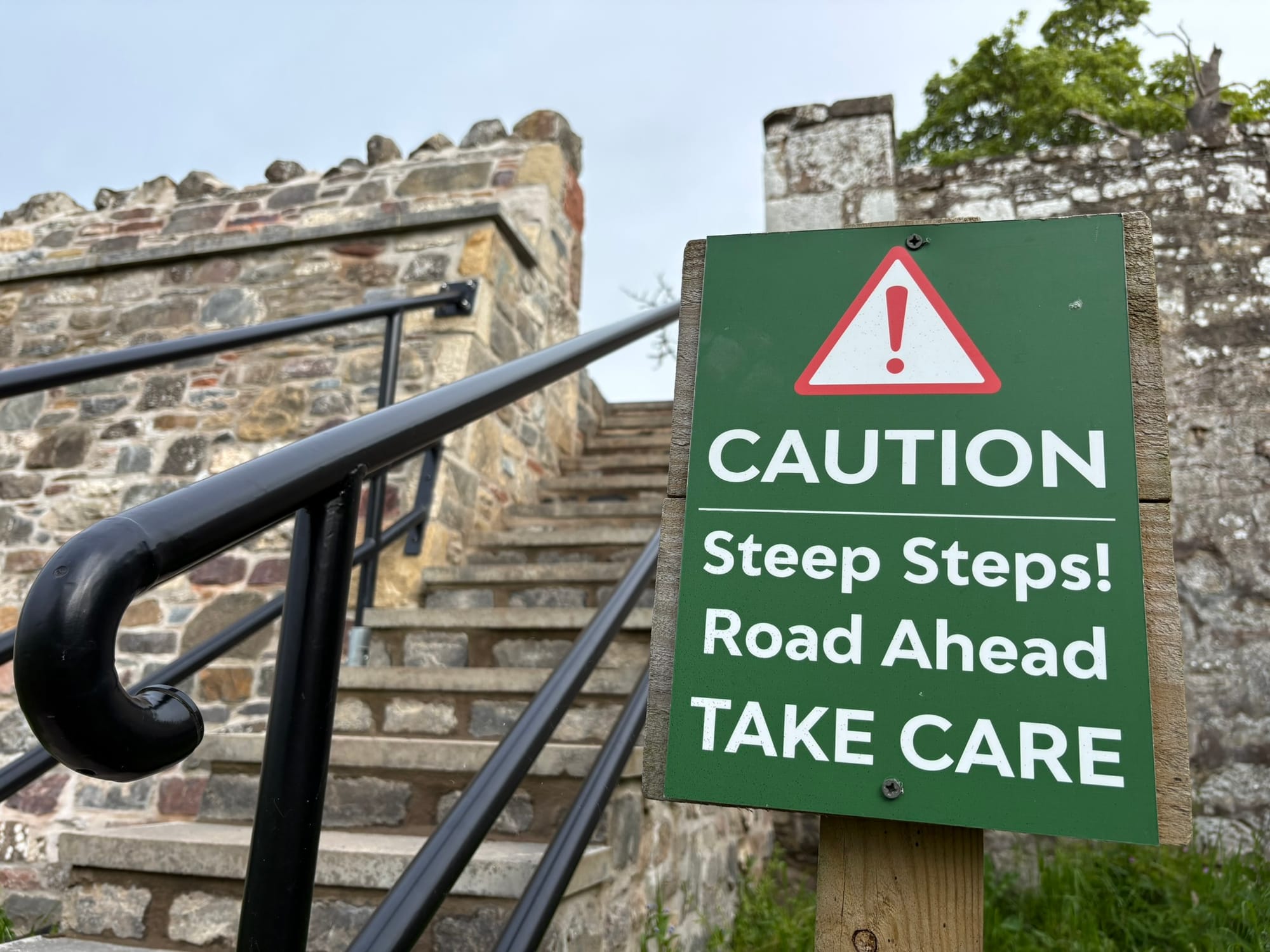
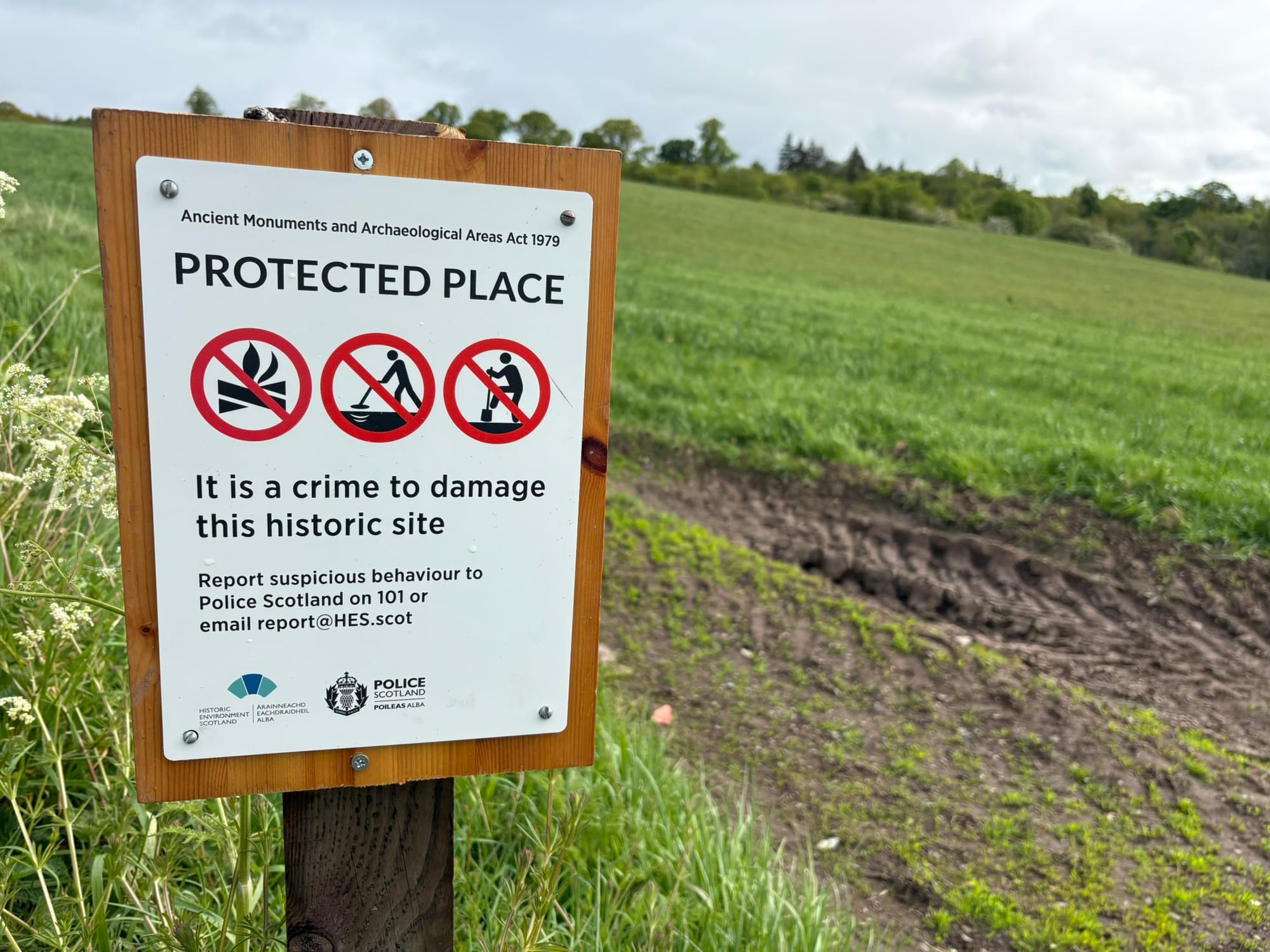
The structural decay of the village’s social fabric is clearly reflected in its institutional spaces. Ancrum’s only pub, the Cross Keys, remained closed after the winter holidays, leaving residents disconnected and increasingly insular. During my time in the establishment, the atmosphere often resonated with displaced grievances. For example, a local once expressed intense political opposition to the use of gender pronouns—a clear indicator of how systemic frustration is redirected toward broader cultural shifts when individuals struggle with a perceived loss of control over their immediate socioeconomic environment. ⁷ In a healthy social ecosystem, a pub functions as a crucial space for communication, where diverse perspectives moderate extreme views. Here, however, that potential is replaced by a collective echo chamber. This internal conflict was vividly illustrated when a wife and daughter pleaded with a man to return to the warmth of their home; he turned away, his crisis of masculinity compelling him to remain in the cold, isolated company of collective resentment. ⁸
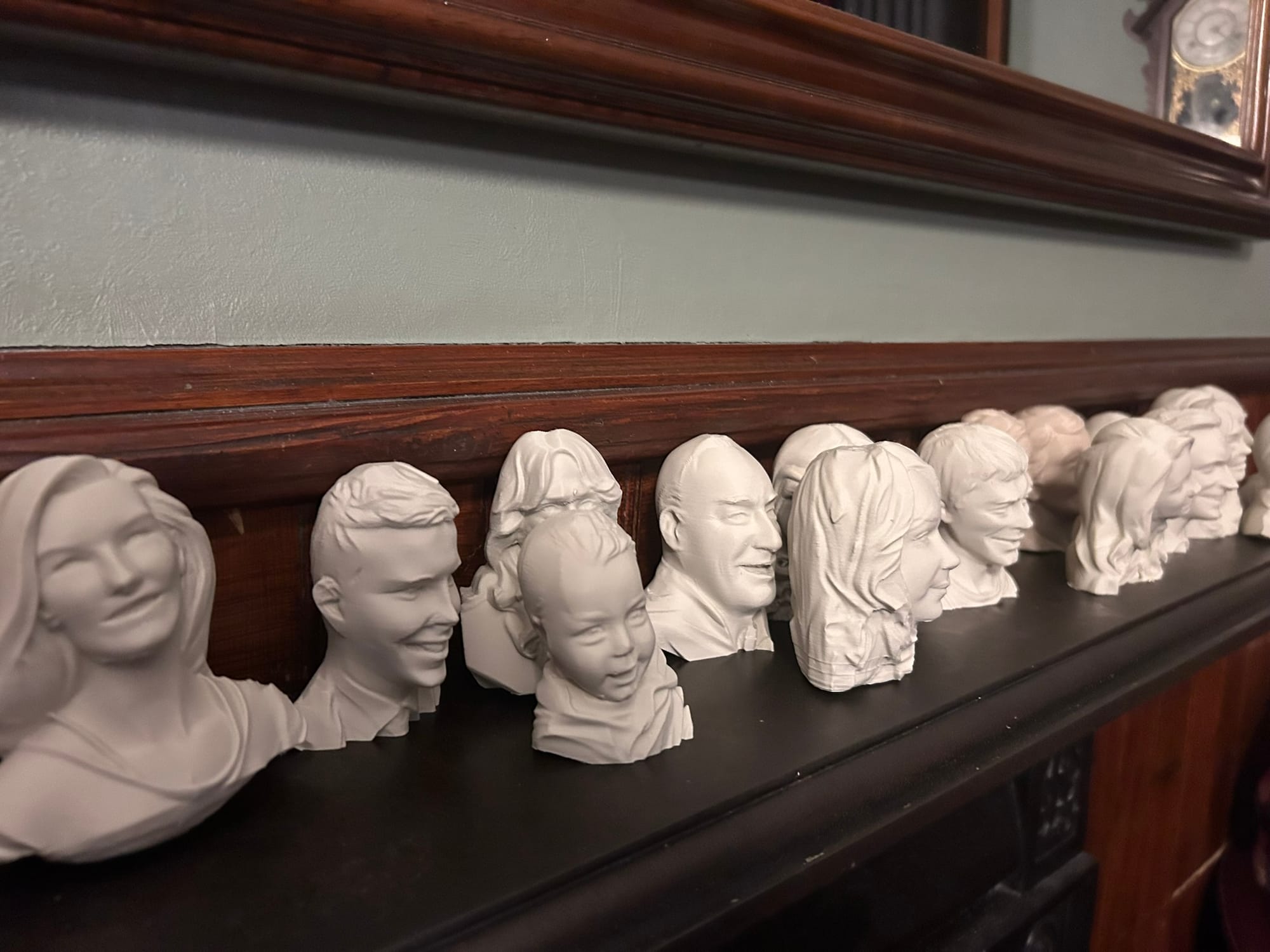
My experience at this so-called "last chance saloon" ended abruptly when a regular loudly objected to my tartan scarf, using the concept of cultural appropriation to stigmatise my presence. For all he knew, that fabric represented the warmth of a partner or the laughter of a friend, woven with personal memories entirely beyond his knowledge. Although the community often dismisses such hostile interactions as "harmless teasing" or "mere insensitivity," the reality was a calculated enforcement of social boundaries. This left me uneasy enough to leave the venue, inadvertently forgetting the scarf in my haste. This antagonism is not isolated; 18% of Scottish Borders residents are England-born, and many report adopting deliberate silence in public venues to avoid the persistent antagonism triggered by their speech. ⁹ In such a toxic environment, the public house ceases to be a sanctuary and instead becomes a stage for the aggressive policing of local identity. ¹⁰

This friction is not a recent phenomenon but rather reflects a documented historical insularity. The establishment’s own website preserves a historical writer’s account: "I took up my lodgings that night in a small, miserable inn in the village of Ancrum, of which people seemed alike poor and ignorant." This longstanding tension between the community’s public image and its underlying social reality is further supported by local ministers in the 1841 Statistical Account of Roxburghshire, who asserted that the pub’s "influence on the morals and circumstances of those in their immediate neighbourhood, who are in the habit of frequenting them, is very injurious." More than a century later, the systemic vulnerability of these local institutions is evident in the Cross Keys being listed for sale at £235,000, which prompted the contemporary community initiative "Ancrum Forward" to organise a buyout requiring individual investments of £5,000. However, a substantive revitalisation of the venue necessitates a complete departure from these entrenched historical patterns and the prevailing dynamics of collective gaslighting. ¹¹
A new direction should be guided by an external party unconnected to longstanding local disputes. The introduction of an outsider into the management structure might promote authentic, structural inclusivity, effectively dismantling a commercial model that failed precisely because it tolerated intolerance to preserve a narrow, insular clientele. This systemic failure is especially notable given the current landlady's non-judgmental and open-minded approach—an exception that highlights the rule. However, the belief that xenophobia is not widespread within the community becomes increasingly untenable when superficial politeness primarily serves as a sophisticated façade. In this context, an implicit social hierarchy, maintained by closely linked networks that foster exclusivity, determines who is accepted and who remains marginalised, thereby protecting a tightly regulated communal consensus. When the idealised rural image is challenged by historical realities or contemporary criticism, a pattern of collective denial reliably emerges to protect the brand. ¹²

The psychological impact of this claustrophobic environment is exemplified by the increasingly erratic behaviour of a neighbour residing directly across the street. Initially regarded as approachable, her demeanour shifted dramatically toward deep-seated paranoia and hostility, exemplified when she nearly struck an outsider with her vehicle. Her efforts to control the local space soon intensified from hostile glances to overt surveillance. She was observed installing a specialised listening device in her upstairs window—an explicit attempt to monitor neighbourhood interactions. This conduct does not reflect organic social withdrawal, as she continues to receive external visitors; instead, it represents a systematic, technology-driven fortification of private territory against the very village ecosystem she seemingly upholds. Her persistent use of dark sunglasses and headphones functions as a deliberate sensory barrier, while her aggressive door-slamming and the installation of plastic devices to deter local wildlife signal a calculated hostility toward the natural environment. Her behavioural trajectory serves as a diagnostic model of how the subtle, pervasive pressures of this environment fracture an individual’s sense of security, forcing a retreat into a state of total, defensive isolation. ¹³
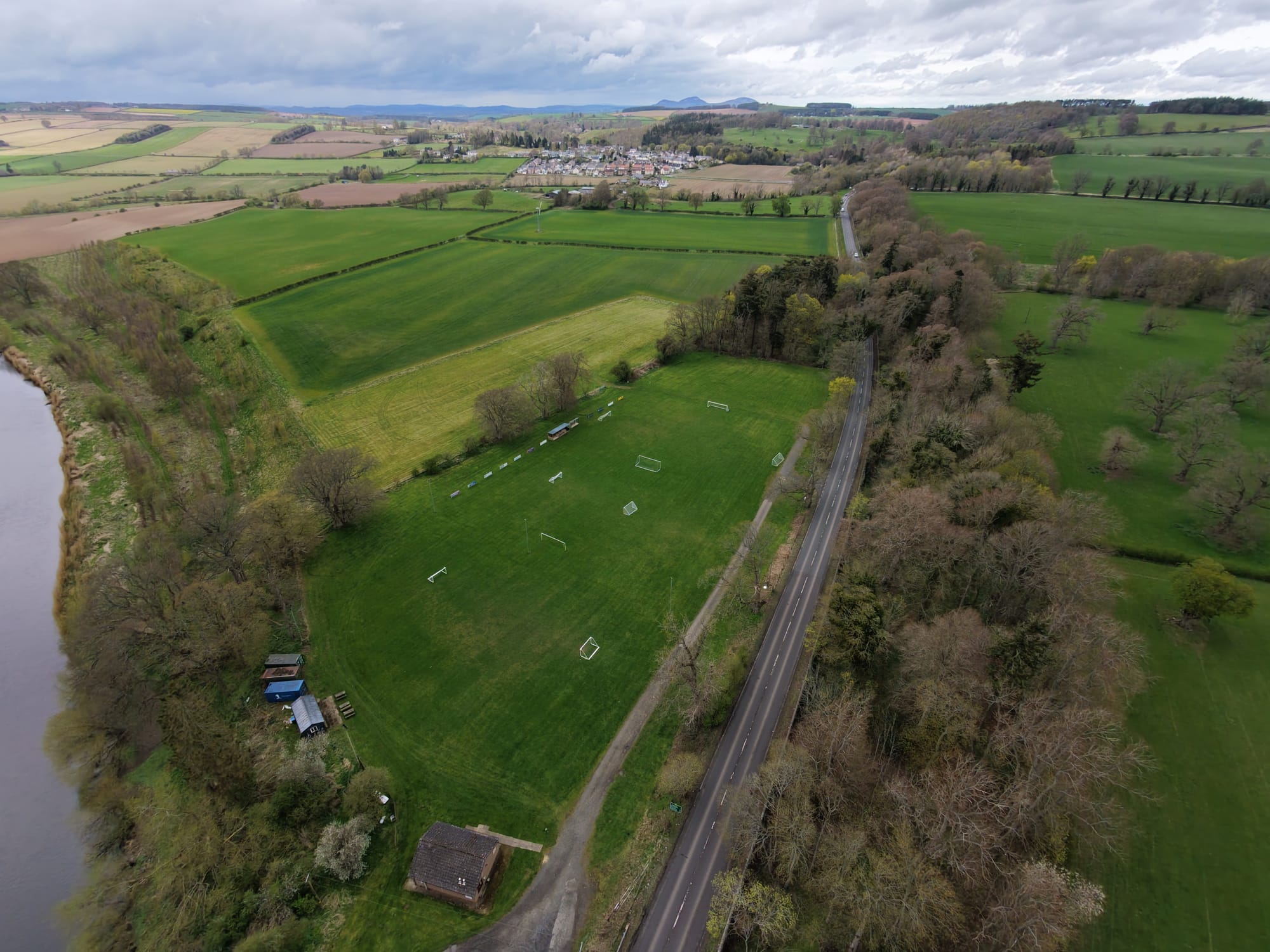
The strict enforcement of the community’s consensus is fundamentally anchored in the regulation of physical space. Local anxieties concerning territorial boundaries often manifest as persistent, systemic disputes over vehicular parking—an issue so acute that regional public transport services have occasionally been suspended due to blocked thoroughfares. While long-term residents navigate these spatial dynamics through unwritten social codes, such friction disproportionately penalises outsiders. Attempts by external observers to engage with the formal civic apparatus on matters of pedestrian safety and road speed further reveal the performative nature of local governance. When an external party was invited to address these traffic concerns at an Ancrum Community Council meeting, the proceedings shifted rapidly from procedural formality to overt collective intimidation. The presentation was abruptly interrupted by the coordinated arrival of a dominant local faction—an intervention that occurred only days after the annual 'Hand Ba’' custom. This ritual, which commemorates a match traditionally played with a severed head, provides a historical backdrop of xenophobic violence that haunts contemporary interactions. The faction entered the forum not to engage with safety concerns, but to demand the installation of recreational goalposts on the highly restricted village green, effectively asserting their claim over the public commons. ¹⁴
When an outsider raised a measured objection, noting that the topography already included a dedicated football pitch and that the green was unsuitable for expansion, a synchronised silence followed. The dissenting voice was promptly dismissed from the floor under the pretext of procedural closure. By the following morning, the predetermined installation was publicly announced on social media. This form of digital erasure is systematically employed to enforce conformity within the community’s virtual infrastructure. When alternative perspectives are introduced in these spaces, responses rarely take the form of reasoned counter-arguments. Instead, a coordinated wave of hostile reductionism emerges, often exemplified by populist assertions that dissenting voices simply "fail to understand what the collective desires." As aggressive digital replies accumulate, the environment becomes increasingly untenable, ultimately resulting in the complete withdrawal of dissenting participants from the formal Ancrum Community Council digital platforms. ¹⁵
Although officially designated as 'removable,' these expansive goalposts have remained anchored in the village green since their initial installation, thereby establishing a permanent structural framework that enables the selective enforcement of local space. This persistent occupation creates a constant source of tension in daily village life. When residents attempt to use the common ground for informal activities such as picnics, the extensive boundaries of the pitch inevitably encroach upon these gatherings. If a stray football disrupts such an event, the spatial arrangement ensures that subsequent interactions are driven by a pronounced sense of entitlement. Instead of a neighbourly apology, the design of the space encourages those occupying the pitch to assert institutional authority, often implying they hold 'exclusive permission from the council' to dominate the turf. This appeal to bureaucratic authority exemplifies a hegemonic strategy: a legal permit functioning not merely as a right to play, but as a sophisticated tool for exclusion. By invoking council approval, these individuals acquire the structural power to marginalise unstructured leisure, effectively transforming the shared green into a regulated domain where informal users are treated as mere trespassers. ¹⁶
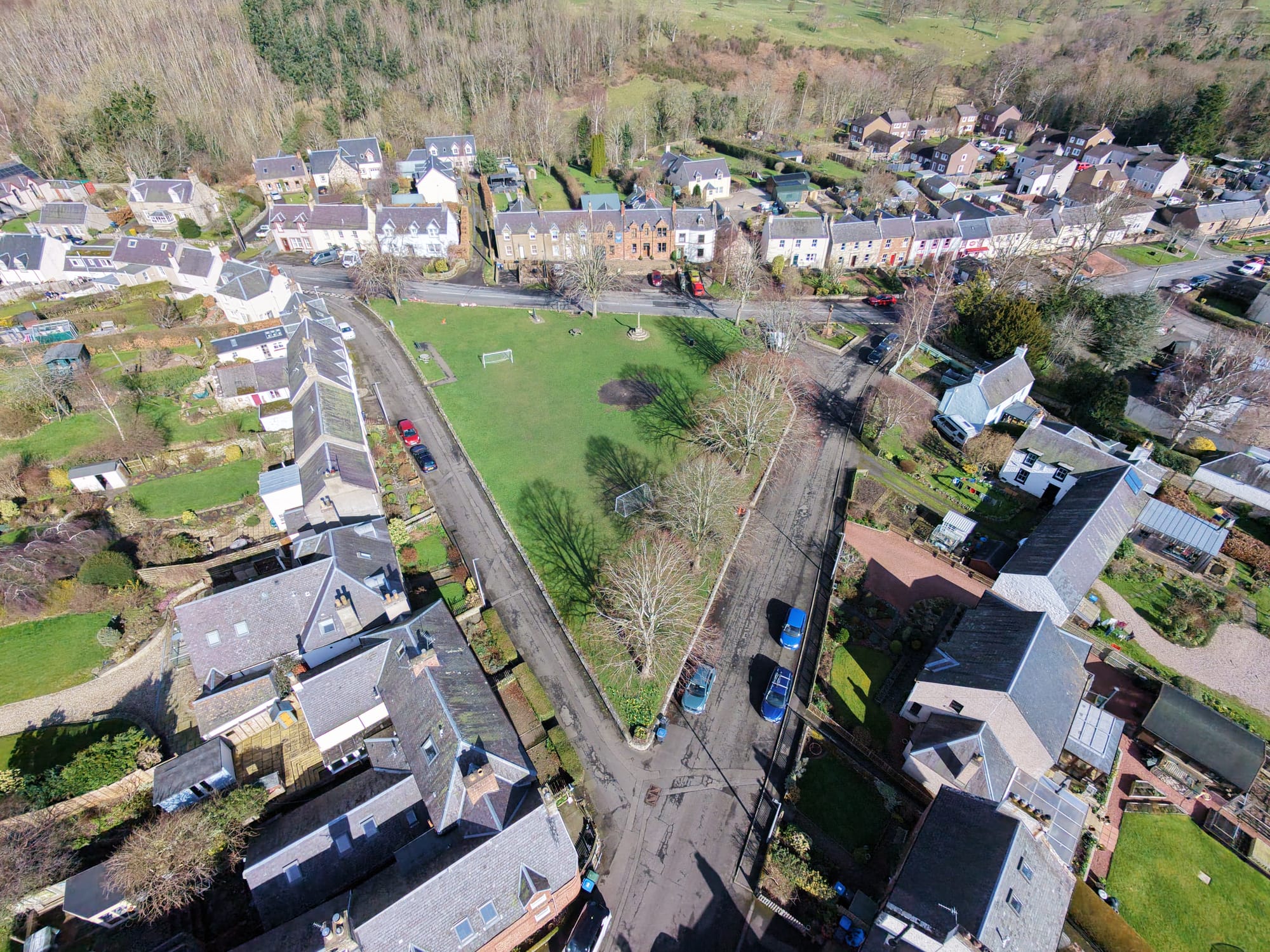
The structural fragmentation of the village is both physically and ritually institutionalised through the annual Hand Ba' game. This tradition divides the population into two adversarial factions, the 'Uppies' and the 'Downies,' based solely on an individual's geographical position relative to the historic Mercat Cross. From an anthropological perspective, this ritual serves as a mechanism for formalised factionalism. Although promoted as a celebration of local heritage, the game reinforces a tribal 'Us vs. Them' psychology. Similar to the subversion of the Lilliard cross, the modern village has inverted the original purpose of the Mercat Cross. Rather than serving as a monument to civic unity—traditionally an Enlightenment symbol of convergence, trade, and legal reconciliation—it has been repurposed as the rigid boundary of a turf conflict. The Mercat Cross now functions as a permanent, physical marker that mandates tribal affiliation, institutionalising a persistent, oppositional mentality at the village's centre. The physical dynamics of the game, which allow a collective scrum to commandeer public streets and domestic thresholds, normalise spatial dominance. This ritualised territorial contest provides psychological conditioning for contemporary social mobbing, training generational inhabitants to perceive the civic commons not as a space for shared prosperity and universal rights, but as a battleground where a dominant group may suppress, isolate, and exclude independent individuals. ¹⁷
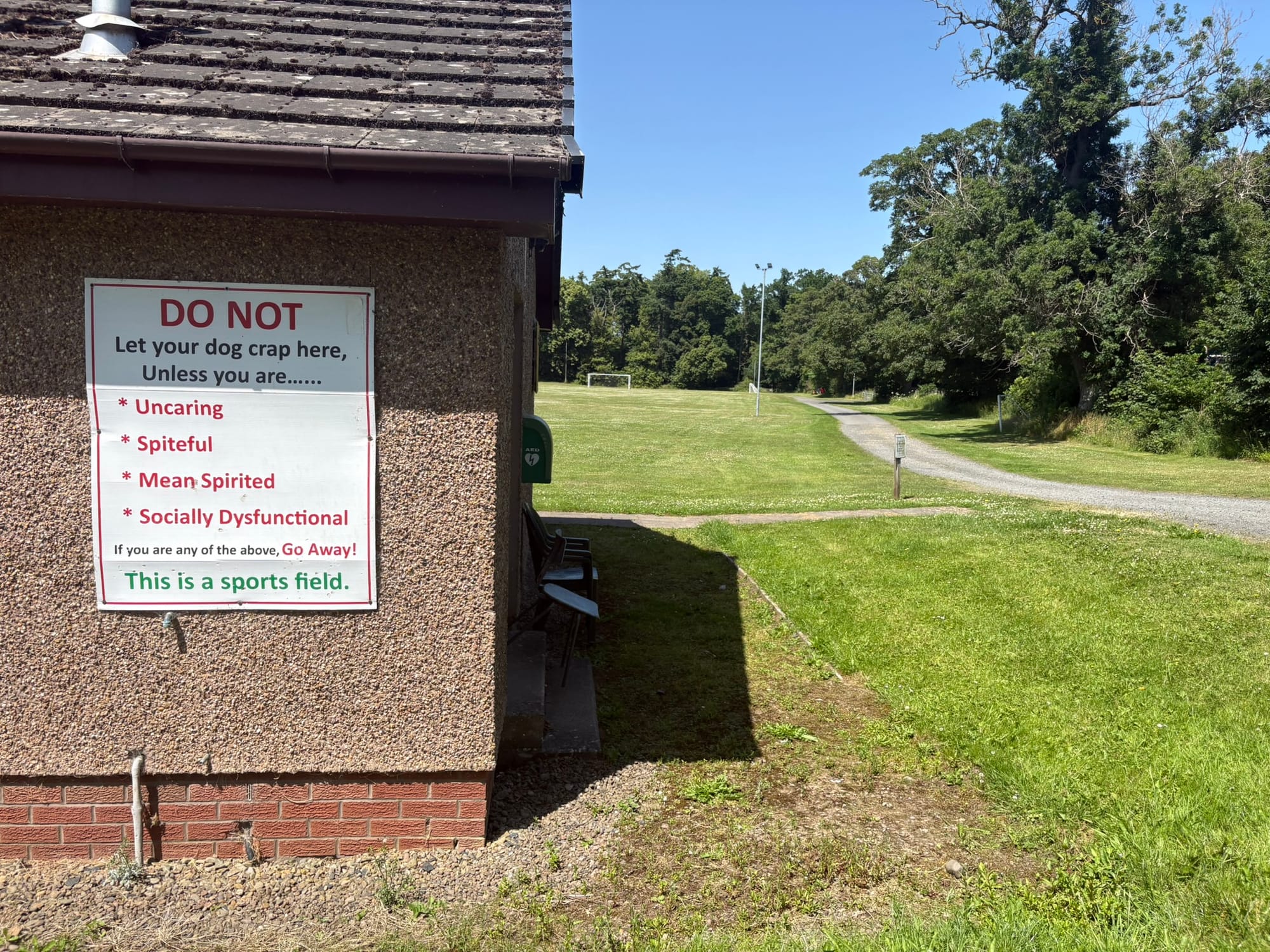
This conditioning finds its everyday expression in the hyper-policed physical manifestations of local social capital found across the village's contemporary community utilities. At spaces like the Ancrum football pitch, the stewardship of shared infrastructure is routinely monopolised by an entrenched in-group who position themselves as the self-appointed arbiters of community legitimacy. When these gatekeepers encounter behavioural or spatial deviance, their response bypasses standard statutory remedies in favour of weaponised psychological warfare. By erecting vernacular signage that explicitly pathologises non-compliance—categorising the offender through moral absolutes like "spiteful" or "socially dysfunctional"—the gatekeepers perform a public ritual of boundary maintenance. The ultimate mandate to "Go Away!" reveals the true, defensive nature of village social capital: it is a finite resource protected through aggressive territorialisation, converting a public recreation ground into a panopticon of informal social control where the right to occupy space is entirely contingent upon submission to the local moral hierarchy.
The transition from internal reflection to public dissemination inevitably intensifies the conflict between the isolated individual and the insular rural environment. After a period of literary inactivity, the adoption of 'In Real Life' (IRL) videography on a public digital platform enabled an unfiltered critique of the structural conditions within the Scottish Borders. Historically, documentation—whether through private journals or public blogs—serves as a crucial tool for navigating systemic exclusion, particularly for those who have experienced the profound marginalisation of homelessness. However, the emergence of a visible, recorded critique consistently provokes a forceful response from the established defenders of the community's idealised image. The publication of a localised digital documentary examining the structural dynamics of Ancrum resulted in swift economic and infrastructural reprisals, demonstrating that in this ecosystem, to witness is to be targeted. ¹⁸
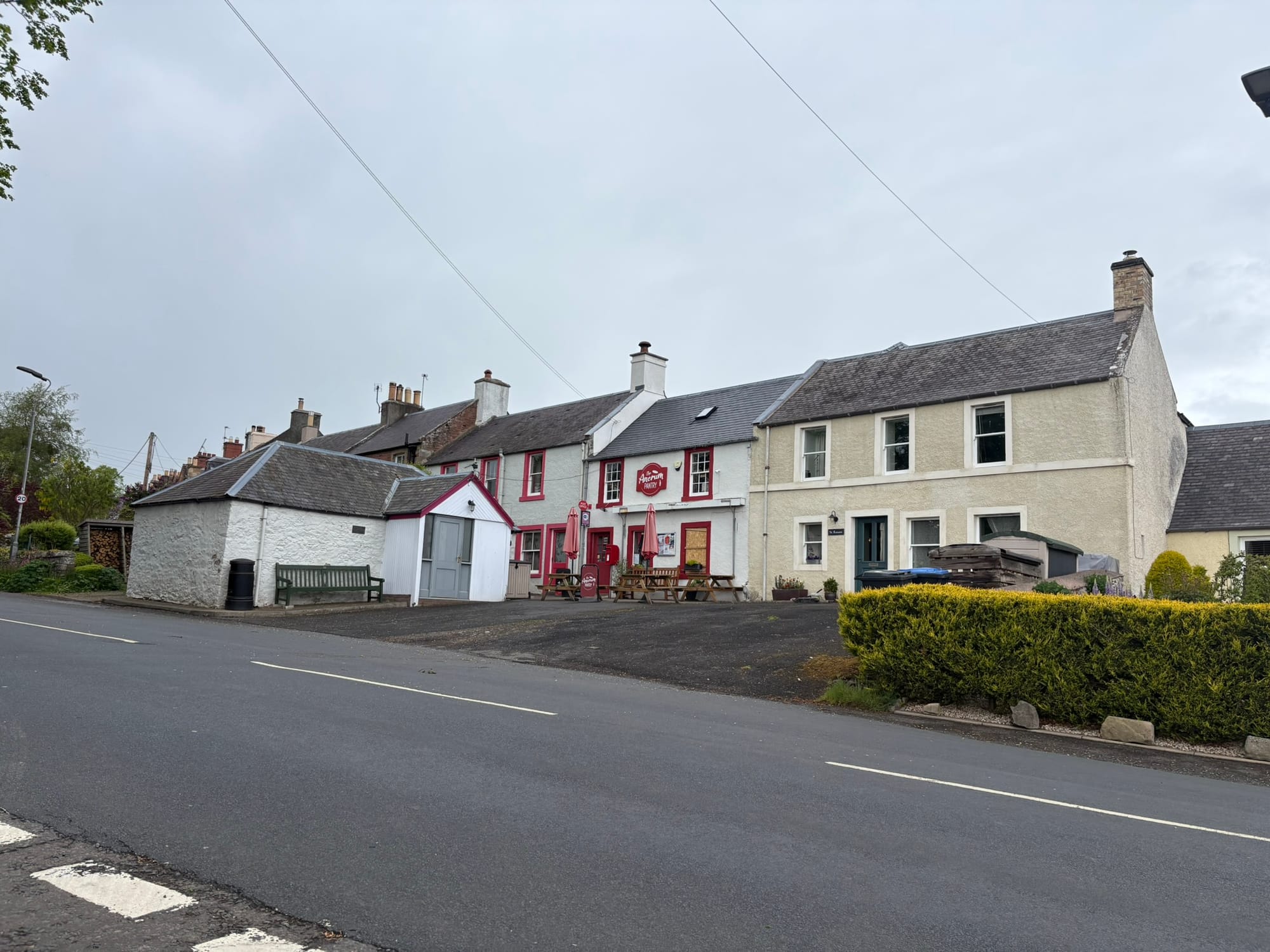
The proprietor of the local commercial monopoly sought to leverage access to essential domestic utilities—specifically prepayment electricity and gas top-ups—by demanding the immediate censorship and removal of media content under the threat of service denial. For two weeks, this ultimatum necessitated an eight-mile journey to a neighbouring jurisdiction to obtain basic household energy, a systemic vulnerability that was only mitigated through the subsequent installation of digital smart-metering infrastructure. The use of a prepayment utility meter as a tool for coercion constitutes a profound overreach, effectively converting an essential public service into a mechanism for behavioural control and enforced self-censorship. To justify this economic exclusion, the commercial hierarchy advanced unsubstantiated allegations of 'behavioural deviance,' which were credibly refuted by witnesses present. ¹⁹
The irony inherent in localised policing becomes more pronounced when juxtaposed with the formal accolades awarded to such actors, as civic 'community service' awards often serve to obscure deeply exclusionary practices. At the macro-institutional level, the instability of state-sanctioned honours is well documented, as demonstrated by periodic state forfeitures and the revocation of titles from compromised individuals. The progression from the institutional stigma of homelessness to the localised hostility of the village panopticon underscores a key sociological insight: within closed communities, boundary policing is enacted not only through subtle social exclusion, but also through deliberate, coordinated efforts to undermine the material survival of outsiders. ²⁰
Observers familiar with the atomised anonymity of urban centres, where neighbourly interaction is minimal, may find the dynamics of landscapes populated by intergenerational dynasties structurally opaque. In communities such as Ancrum, the enduring continuity of specific family lineages fosters entrenched social closure, provincialism, and a pronounced culture of 'othering.' Within this context, in-group favouritism, status quo bias, and strict gatekeeping operate as institutionalised barriers to entry. This monopolisation of social capital is particularly evident during public cultural exhibitions, such as those hosted by the Ancrum Heritage Society. Rather than objectively preserving regional history, these forums serve as mechanisms for validating insider status. The community utilises its historical narrative to ensure that only pre-vetted, generational insiders maintain the networks that confer local power and structural influence. As a result, newcomers are relegated to the social periphery. The village thus becomes more than a geographic place of residence; it becomes a highly regulated stage where the dominant class enacts a curated version of 'the good life.' ²¹
To care for a community space or tradition without a license from the old guard is viewed as an insurgency. The gatekeepers view the village not as a living ecosystem, but as a museum to be curated and a fiefdom to be ruled. Independent initiative is immediately reframed as trespassing, an insult to their decades of stewardship. Inclusion is a gift they dispense, never an entitlement; to bypass them is to commit the ultimate sin of assuming the village belongs to everyone who lives in it.
Within this rigid theatrical framework, any individual who rejects the established script or fails the insular casting process is not merely identified as a critic, but is constructed as an existential threat to the entire production. The psychological effectiveness of this pervasive containment is evidenced by the environment's systematic conditioning of outsiders to voluntarily self-exclude. For example, during a local archaeological excavation, an attempt by an external observer to engage with the public research site was immediately repelled—not through overt hostility, but through a pronounced display of non-verbal aversion. Upon noticing the outsider's interest, the local organiser exhibited genuine apprehension, displaying visible, physical fear of proximity. Rather than forcing an interaction, the observer withdrew. In retrospect, this retreat exemplifies 'anticipatory socialisation' within a hostile context. By rapidly interpreting these unwritten defensive social cues, the outsider is compelled to pre-emptively alter their behaviour, internalising the community's exclusionary preferences to forestall conflict. This defensive self-censorship demonstrates that the village panopticon operates most efficiently when active enforcement is unnecessary; the mere projection of local anxiety is sufficient to induce the outsider to regulate their own boundaries and withdraw from the shared environment. ²²
The effectiveness of a hostile social architecture is determined not only by the civic or digital exclusion of outsiders but also by the profound somatic and psychological impact on the individual. Extended exposure to an environment characterised by hyper-vigilance, economic retaliation, and lateral surveillance induces a persistent state of low-grade trauma within the human nervous system. In such a context, routine movement through physical space is no longer neutral; it becomes a psychologically fraught endeavour. This ongoing neurological stress often results in acute sensory distortions. When entering the village streets, an observer may experience a physiological response akin to systemic shock, where the visual environment appears intensely and overwhelmingly bright. This heightened perception of light is a somatic manifestation of hyper-awareness: the nervous system, locked in a continuous fight-or-flight state, struggles to process environmental stimuli while remaining preoccupied with the persistent, perceived threat of constant social observation. ²³
Rather than representing a localised anxiety, sensory blinding signifies a profound psychological displacement. When public spaces within a community are systematically manipulated to project exclusion, the physical environment begins to reflect this hostility, effectively repelling the observer’s gaze through intense illumination. Coupled with the compelled self-exclusion evident in civic and cultural forums, these severe psychological symptoms serve as a definitive diagnostic indictment of the rural ecosystem. This phenomenon illustrates that the 'politeness bias' and the constructed facade of rural idyllic life are sustained by an undercurrent of structural violence so pervasive that it disrupts the fundamental perceptual and physiological security of individuals marginalised at the periphery. Ultimately, this systemic psychological containment is enacted through emotional mechanisms, with the dominant insular hierarchy operating as a collective puppeteer. ²⁴
Instead of employing overt coercion, the community enforces its rigid boundaries by manipulating localised social anxiety. By exploiting the universal fear of public exposure, social awkwardness, and systemic rejection, the village apparatus converts internal emotional vulnerabilities into external mechanisms of behavioural control. Outsiders are not simply excluded; they are subtly directed into self-censorship and withdrawal by a social ecosystem adept at manipulating psychological discomfort. This form of invisible control becomes most apparent when individuals enter public spaces. When localised social and economic gatekeeping fails to achieve complete self-censorship, the insular hierarchy escalates its response by weaponising state authority and public institutions. This escalation is exemplified by the deliberate mobilisation of law enforcement against independent digital media production. Although the observer maintained full legal compliance—including possession of valid Civil Aviation Authority (CAA) Operator and Flyer credentials and strict adherence to spatial parameters verified by official aviation telemetry software—the community implemented a coordinated strategy of bad-faith reporting to prompt police intervention. ²⁵
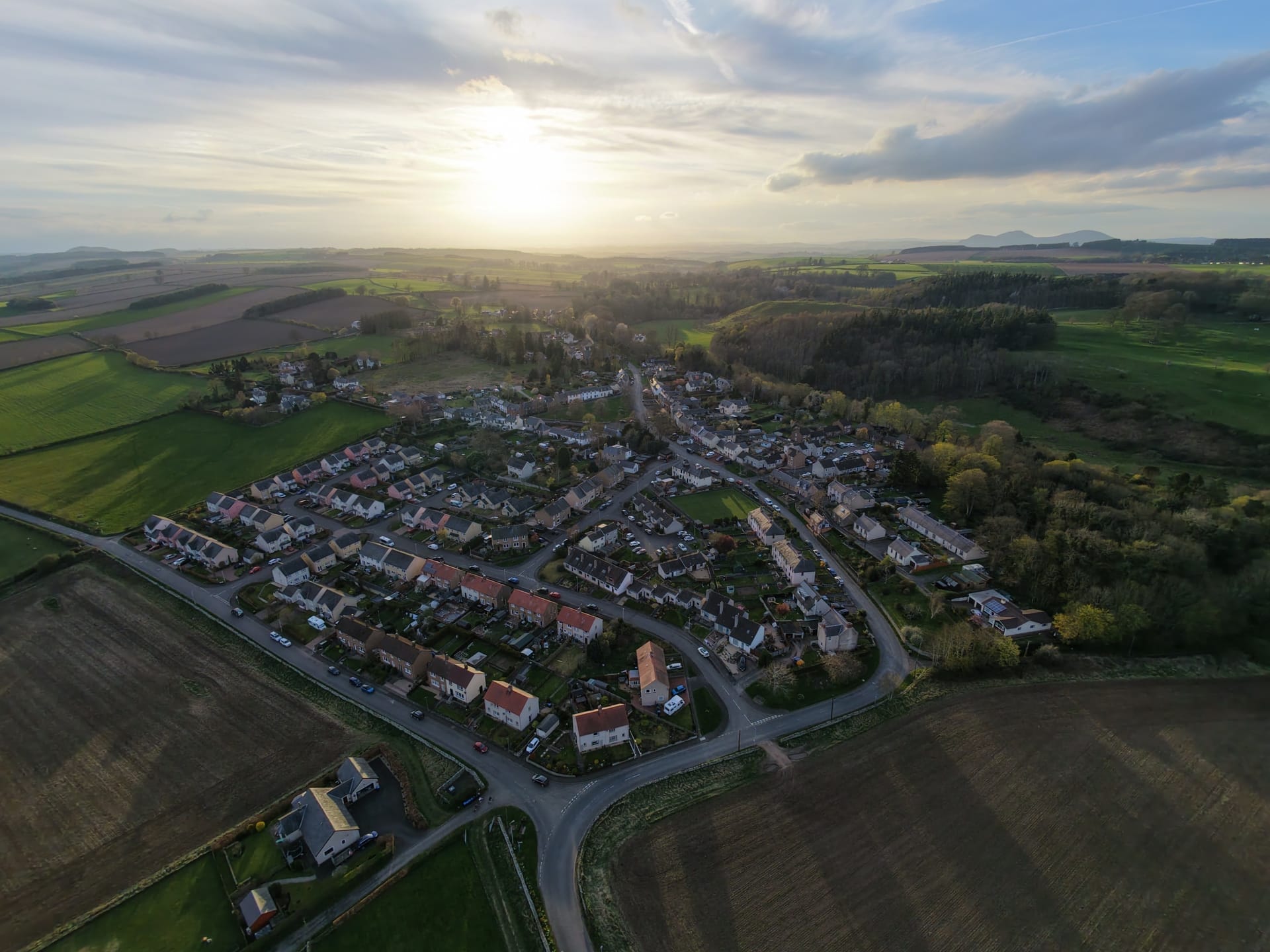
The initial institutional intervention occurred when local law enforcement visited the observer's residence, citing anonymous community complaints concerning drone videography. Upon review of the 4K creative output, the authorities disregarded statutory legal frameworks, replacing objective aviation law with a subjective, localised moral judgment—categorising the creative activity as a systemic 'invasion of privacy.' To reduce local tensions, the observer adopted a policy of voluntary over-compliance, limiting subsequent drone flights to altitudes above 100 metres and strictly avoiding restricted geographic zones. Despite these precautionary measures, this concession was promptly followed by further escalation. After a routine drone flight over the public village green, a specialised school liaison officer was dispatched to the residence on behalf of the local primary school administration. This response reveals a highly coordinated 'complaint loop,' in which public educational and law enforcement infrastructures are appropriated by a closed community to function as private border-policing mechanisms. The drone, serving as an objective and elevated means of geographic documentation, is regarded by the village panopticon as an unacceptable counter-surveillance threat. Within a system where the dominant group maintains exclusive authority to monitor and discipline, any independent and legally sanctioned aerial perspective is systematically criminalised to preserve the regime's insularity. ²⁶
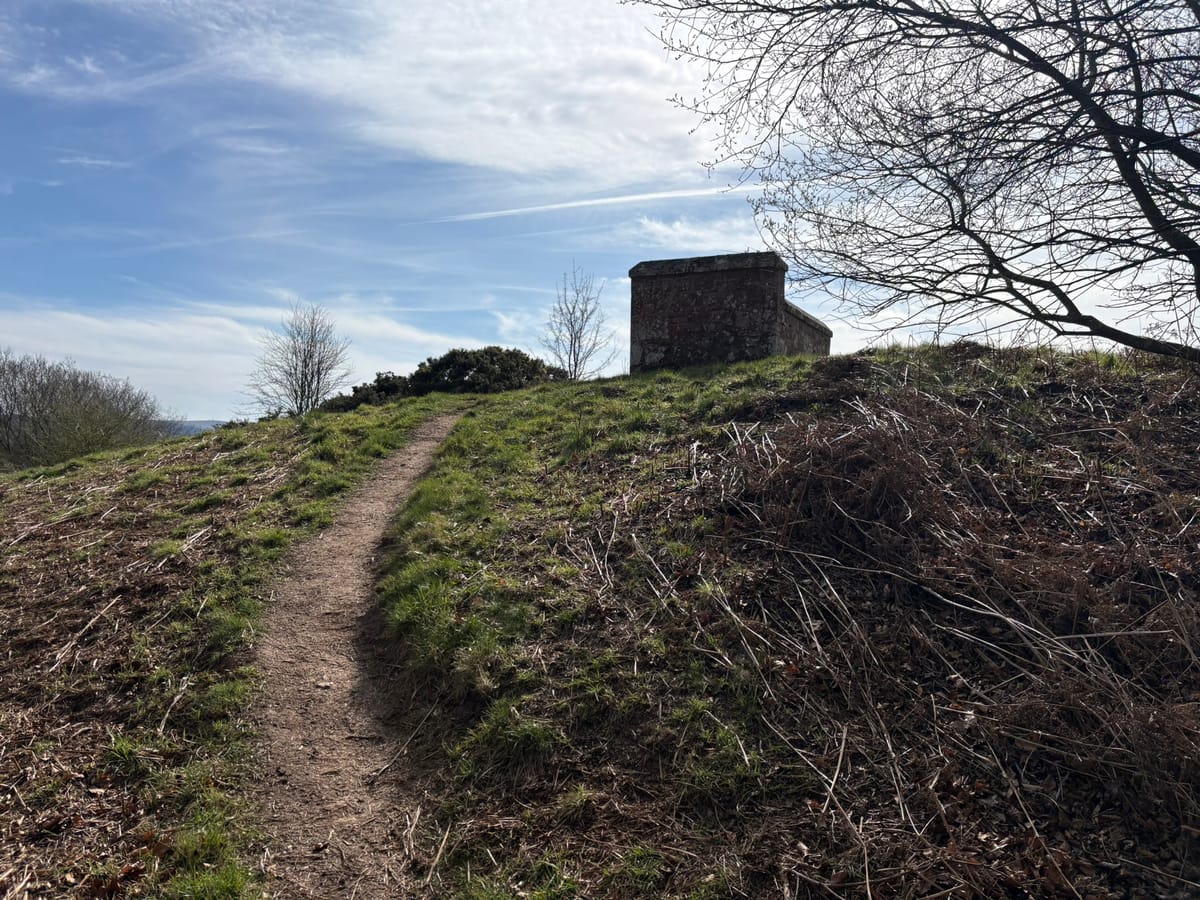
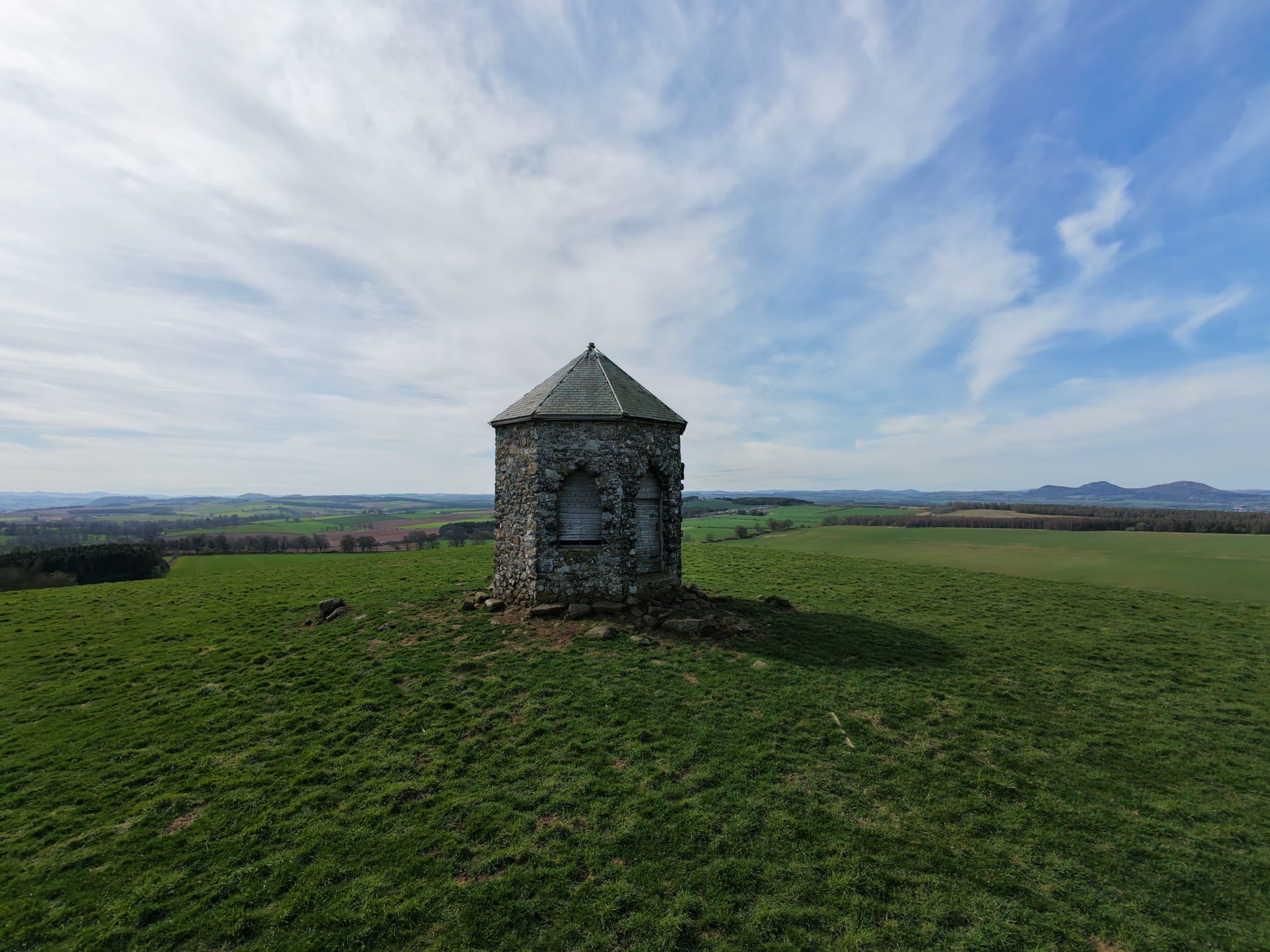
The pronounced community resentment toward the use of aerial drone photography reveals a contemporary conflict regarding spatial visibility. Historically, the ability to conduct long-range, panoramic surveillance was the exclusive prerogative of the ruling class, as exemplified by the octagonal structure of Baron’s Folly. The advent of consumer drone technology has significantly broadened access to this perspective, enabling residents to transcend physical boundaries and document the landscape with objectivity. Within an insular, gate-kept community hierarchy, this technological advancement is often characterised as 'visual decadence'—a form of unauthorised digital sophistication that challenges the established monopoly on surveillance. The community’s rejection of drone usage functions as a defensive response to the increasing democratisation of data. Because the aerial lens offers an unmediated, empirical record of village geography, it undermines the ability of dominant social factions to conceal their informal enforcement mechanisms, thereby transforming a tool of artistic expression into a contested arena for human rights and narrative control. ²⁷
This escalation by institutions reveals a classic example of 'punishment by process.' Within this disciplinary context, the primary aim of the local hierarchy is not to establish a statutory legal violation—which is unattainable given the operator's scrupulous compliance—but rather to repurpose the state's administrative machinery as an instrument of sustained psychological attrition. The technical specifications of the media apparatus, specifically the DJI Neo 2 drone equipped with a wide-angle lens and operated at a verified altitude of 100 meters, demonstrate that only macro-level, topographical data are collected. At this altitude, optical limitations render individual human activity, facial recognition, and domestic intrusion technically impossible; the lens records only a distant, generalised abstraction of the village layout. Consequently, the involvement of law enforcement and educational authorities is entirely disconnected from any legitimate defence of privacy. Rather, the repeated and orchestrated presence of state actors at the outsider's residence functions as a performative psychological sanction. In this context, the procedural mechanisms themselves become the punishment, manifesting as an exhausting and invasive cycle of bureaucratic friction intended to induce emotional exhaustion and subdue the independent creator through systemic fatigue. ²⁸

A stark, literal manifestation of this spatial policing can be found embedded directly within the village geography: the localised "Keep Ancrum Beautiful" signage. Ostensibly erected to manage routine pet waste, the visual infrastructure betrays a much deeper, more adversarial psychological undercurrent. Featuring a disembodied, unblinking pair of eyes staring down at the public path, the graphic choices rely heavily on panoptic mechanics to induce a state of permanent hyper-vigilance among passers-by. The accompanying text—“Just because YOU can’t see them, doesn’t mean WE can’t see them!”—unabashedly formalises a sharp binary divide between the observed individual ("You") and an ominous, invisible collective ("We"). By explicitly warning that "village volunteers will be on hand to offer advice," the infrastructure effectively redefines volunteering from an act of community enablement into a mechanism of roving civilian enforcement. This weaponisation of soft, civic-minded language to sanitise active surveillance perfectly illustrates how everyday public spaces are transformed into policed zones of permanent suspicion.
The most intimate form of spatial policing manifests at the threshold of the home. In an effort to ensure physical security and maintain an objective record of events within a hostile community, a fixed CCTV camera was installed to monitor the residents’ private front door and patio. The subsequent ridicule of this security measure by immediate neighbours reveals a central psychological tactic of community mobbing: the inversion of the roles of victim and offender. By portraying a standard, legally compliant home defence tool as 'laughable,' the dominant social group seeks to pathologise the targeted individual's pursuit of safety. This group employs psychological polarisation, aiming to isolate the resident and render their attempts to establish basic physical boundaries irrational. Such mockery serves a deliberate tactical function: it undermines the legitimacy of the resident's self-protection, perpetuates the home’s vulnerability to informal community surveillance, and erodes the resident's psychological resilience. ²⁹
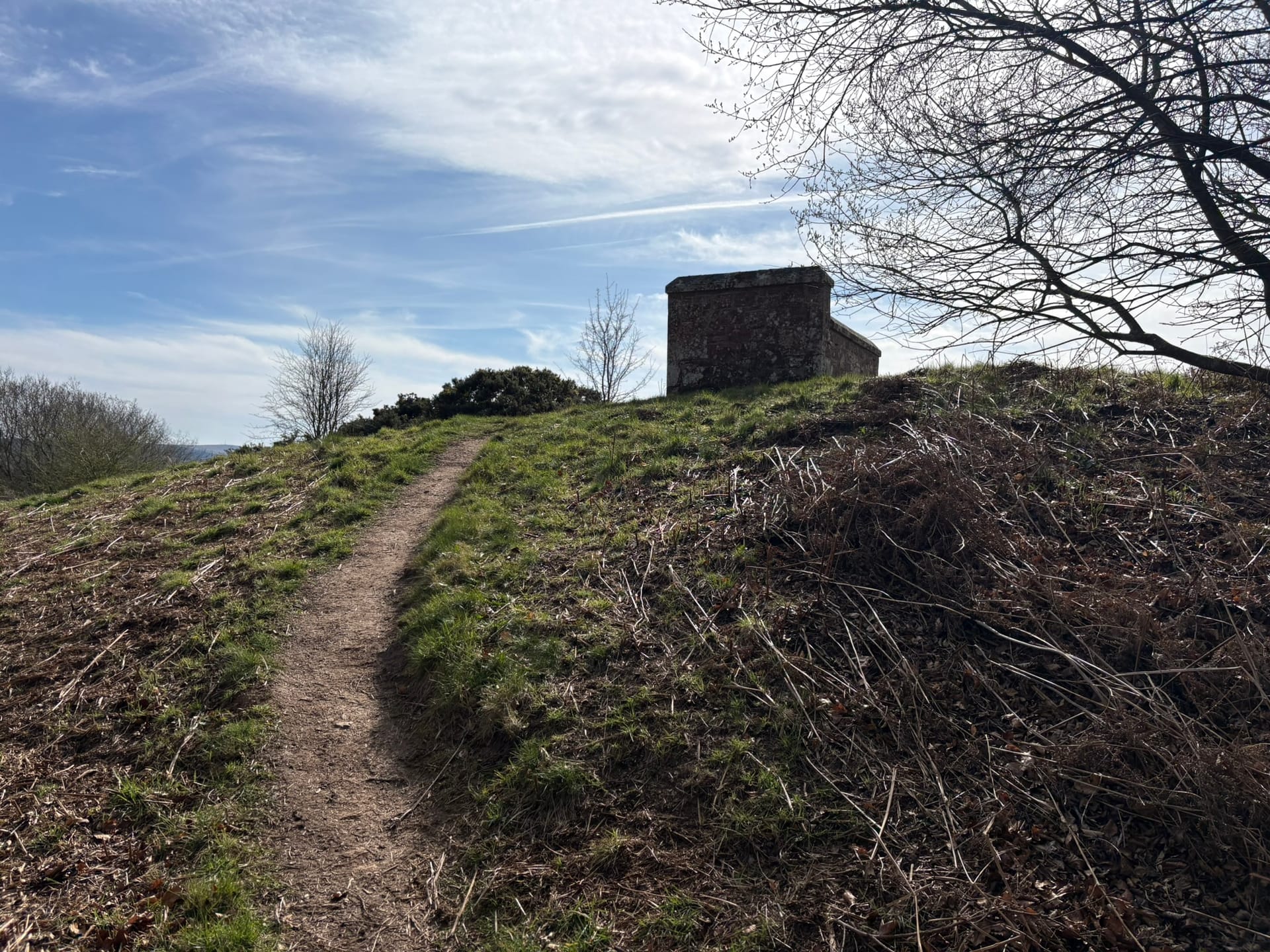
A comprehensive analysis of the psychological dynamics underlying the village's phobia requires examination of the monument to 'Maid Lilliard of Maxton.' Although local tradition venerates her as a heroine of the 1545 Battle of Ancrum Moor, official documentation on the site’s information board clarifies that Maid Lilliard is a fictional figure, derived from old ballads and later synthesised into local mythology. The authentic history of the landscape is far more instructive. Prior to the battle, the site featured the Lylliot Cross, a medieval boundary stone established by monks as a meeting point for Scottish and English representatives to resolve disputes and facilitate peaceful reconciliation. This contrast highlights a significant aspect of the community’s current pathology: the village has deliberately marginalised its genuine historical legacy—a legacy defined by diplomacy, boundary negotiation, and mutual peace—in favour of venerating a violent, fictional narrative rooted in xenophobia. By invoking an invented figure to legitimise contemporary practices of exclusion, surveillance, and gatekeeping against outsiders, the dominant social group demonstrates that its 'tradition' is a recent fabrication. In effect, they enforce present-day boundaries based solely on myth. ³⁰
The prevailing spatial control methodology in this landscape is grounded in the historical precedent of 'punishment by process.' This dynamic is physically embodied by the deliberate engineering of the valley’s high points. The Waterloo Monument, while frequently mythologised as a mere commemorative victory pillar, functions in practice as a functional lookout tower, strategically sited within a quarter-mile of the Baron’s Folly. To classify the tower on Peniel Heugh as a 'monument' is to accept the architecture’s own propaganda. In function and form, it is an elevated lookout—a strategic vantage point for observing the valley floor. The nomenclature of 'monument' serves as a necessary disguise, masking the structure's true intent as a mechanism of surveillance with the veneer of historical commemoration. This performative architecture teaches us that the most effective tools of control are those that hide their function behind the shield of public virtue—a 'disguise' that the village’s contemporary elite have masterfully internalised, masking their own localised surveillance and exclusionary gatekeeping as 'community standards' or 'heritage preservation.' By occupying the high ground with this dual-surveillance nexus, the architecture establishes a permanent, unblinking gaze over the valley floor. This is not merely history; it is a blueprint for the contemporary "distributed panopticon." The modern village elite, in their obsessive gatekeeping and performative moral surveillance, are not inventing a new mode of social exclusion; they are merely digitising the historical precedent of the watchtower, ensuring that the inherited gaze of the past continues to enforce social conformity in the present. ³¹
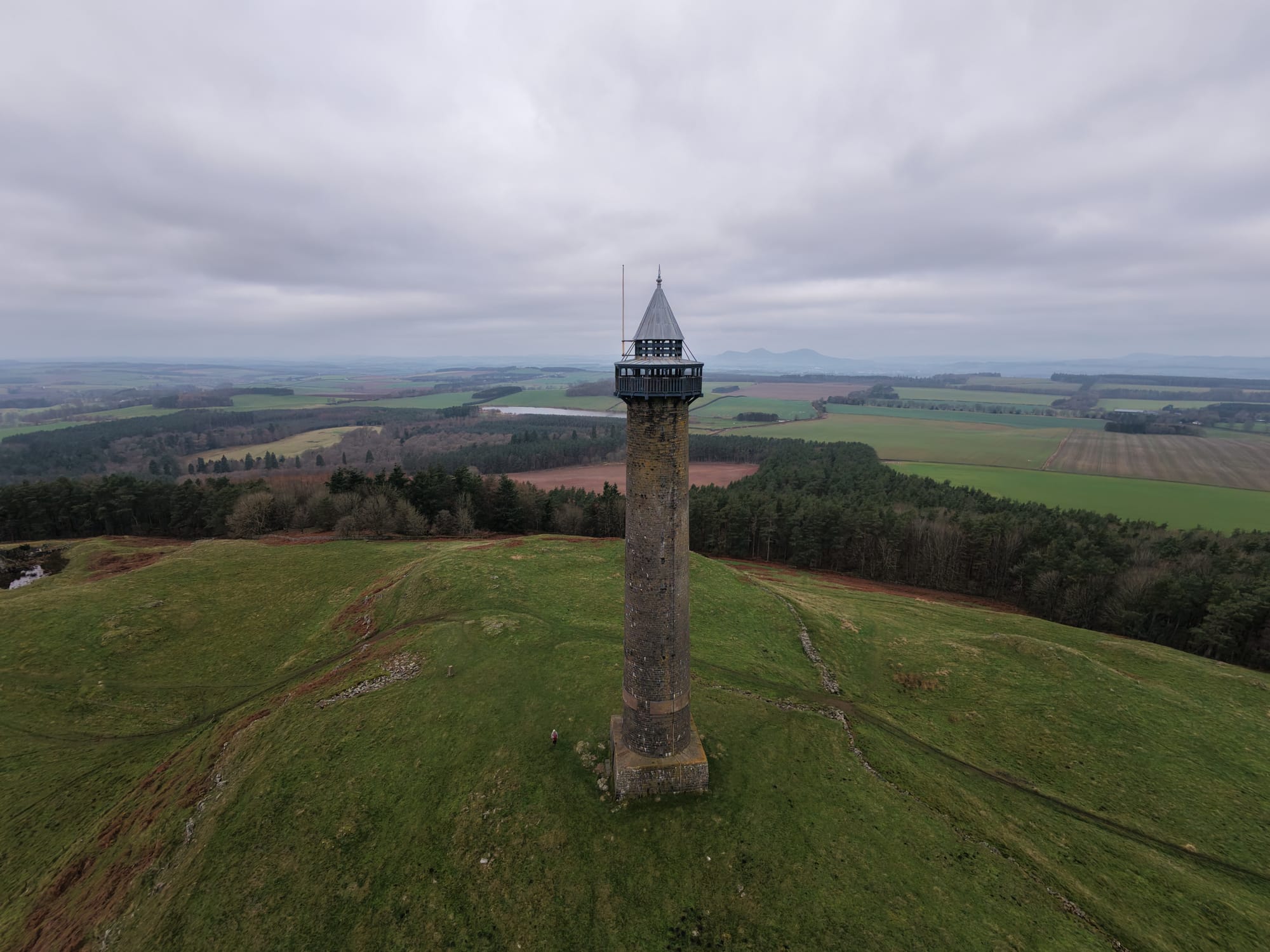
This architecture of control was not merely inherited; it was bought. Archival records reveal that during its construction, the Marquess of Lothian paid "extra incentive wages" to local labourers specifically to prevent them from tending to their own harvests, effectively monopolising the village’s labour to accelerate the rise of his own observatory. By commodifying the time of those he sought to survey, the Marquess ensured that the monument’s foundation was laid upon the disruption of the local agricultural economy—a chilling early example of the "class privilege oversight" that persists today. The contemporary social pathology of the village cannot be understood merely as localised friction; it is a direct, transgenerational echo of a historically repressive landscape. For centuries, the valley was engineered to enforce submission through the omniscient, top-down surveillance of landed power. Generations of residency under these asymmetric power structures have led to the internalisation of the oppressor's mechanisms. Lacking a literal feudal authority to govern them, modern inhabitants have decentralised the gaze—transforming the village commons into a distributed panopticon where hyper-vigilance, threshold mockery, and social gatekeeping are weaponised against the outsider.
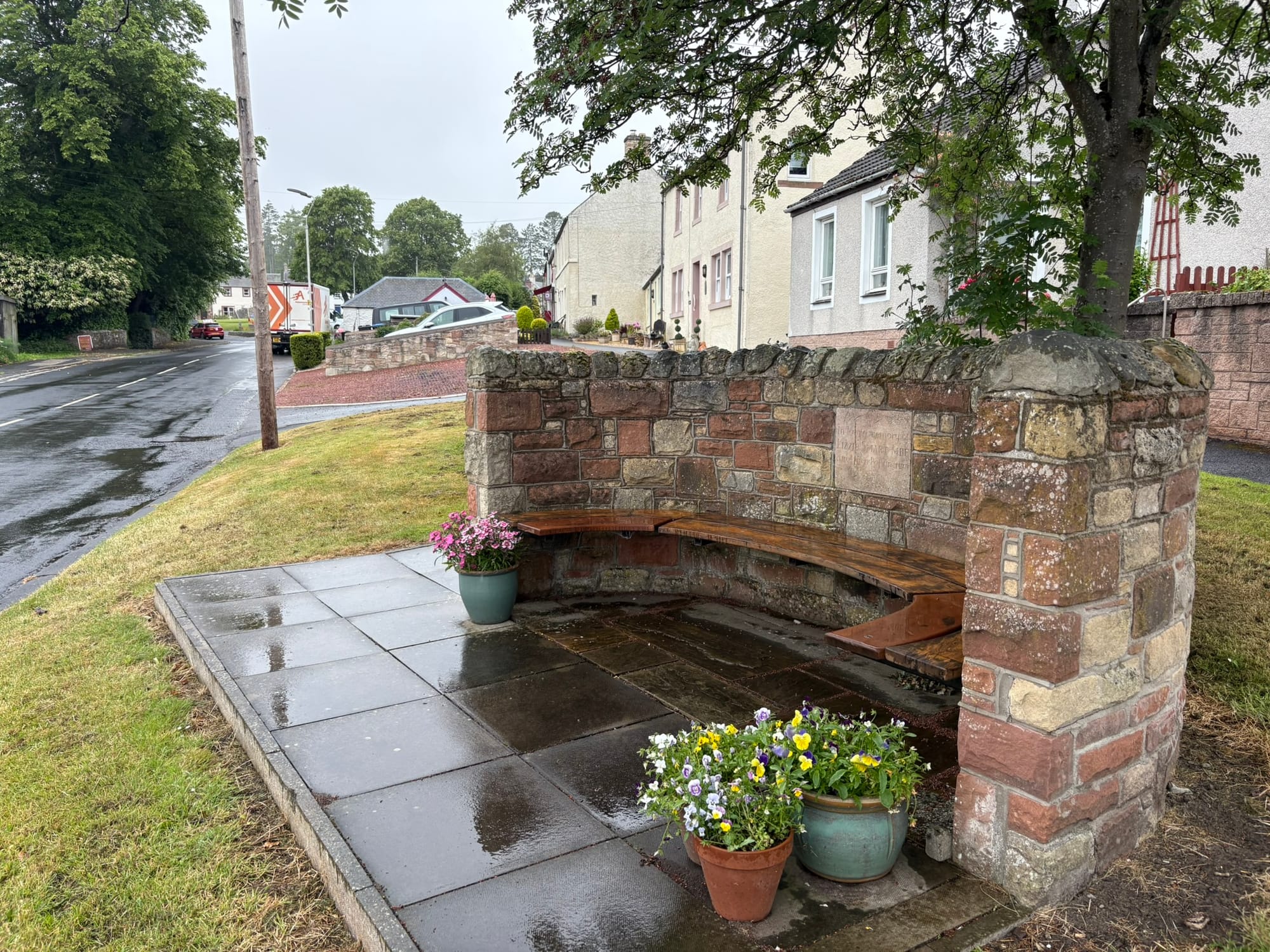
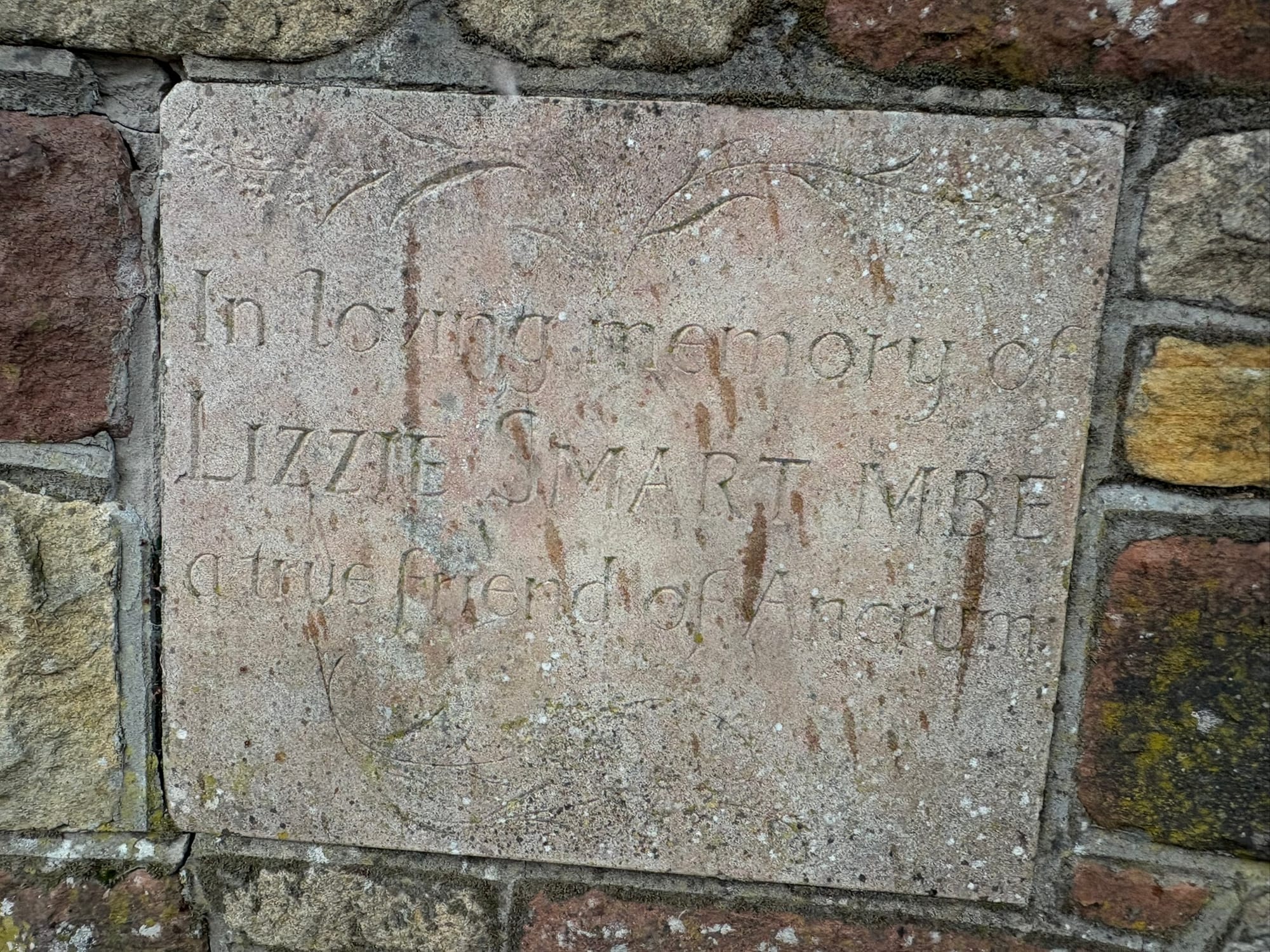
The inscription "a true friend of Ancrum" is a masterclass in performative public virtue. By canonising a single individual with the definitive label of "true," the village does not merely mourn; it legislates. This stone carving acts as a moral boundary marker, implying that to be accepted—to be "of" the village—one must adhere to an exclusionary performance of local identity. It transforms a place of rest into a site of social sorting, where the living are perpetually compared against a carved, static ideal. Like the watchtower on the hill, this memorial ensures that the "gaze" of the community is always active, categorising residents into "true friends" and "outsiders," and ensuring that the village remains a space where belonging is not a right, but a status that must be constantly performed to avoid being found wanting. This brings the "chilling" reality to the forefront. It shows that the "Toxic Village" isn't just about looking down from a high hill; it’s about the way the village defines what a "good person" looks like at eye level, ensuring that anyone who doesn't fit the mold feels the pressure of that "true" label every time they walk past.
The "Toxic Village" is not merely a social construct; it is a meticulously engineered environment. While the Waterloo Monument provides the macro-level blueprint for observation, the modern village manifests this control through a granular, street-level network of micro-surveillance. This system relies on performative public virtue, where the aesthetic maintenance of the commons, the strategic placement of memorial benches, and the insistent signalling of 'private' thresholds are utilised as tactical nodes of monitoring. This reach extends into the very play of the young; the 'Lizzie Smart Memorial Ba',' for instance, is not merely a tribute, but a pedagogical tool that integrates the village's curated, trauma-informed history into the landscape. By forcing the next generation to compete for a relic that honours an "insider" ideal, the village ensures that its exclusionary heritage is not just observed, but actively defended through ritualised play. By dressing this gatekeeping in the soft, appealing mask of civic care, the village ensures that conformity is not just demanded; it is performed, monitored, and maintained by the very people who reside within the panopticon’s walls. Trapped in a psycho-geographic loop, the community desperately polices a fictional heritage of conflict, failing to realise that the machinery they maintain is exactly what keeps the village in a state of terminal decline. ³²

The annual arrival of the Callant and his mounted entourage—a group whose insider status is determined by birth and parish registry—perpetuates the accumulation of local social capital. The Callant’s speeches revive subtle village biases, using traditional pageantry to delineate boundaries within the contemporary audience. This recurring ritual reinforces localised nationalism and affirms communal identity at the expense of outsiders, particularly recent arrivals or those identified as English. The event allows local gatekeepers to legitimise exclusivity, transforming a historical tradition into an enactment of geographic determinism in which mere presence signifies enduring exclusion.
This performative public virtue is not limited to the adults; it is also embedded in the growth of the young. By marking saplings with commemorative plaques—linking specific school activities to permanent, state-sanctioned markers of local tradition—the village effectively 'roots' its exclusionary heritage into the landscape itself. This ensures that the next generation is not merely inhabiting the village, but is actively participating in the maintenance of its historical identity. It is a subtle, yet pervasive, form of indoctrination, where even the planting of a tree becomes a tactical node for preserving the 'inherited gaze.' The fact that such markers are defended with the same proprietary intensity as the village boundaries reveals the true nature of this 'pastoral' culture: it is a closed system that treats both memory and ecology as assets to be policed, ensuring the continuity of the psycho-geographic loop.
The rhetoric in these speeches elevates exclusion from a social practice to a moral imperative, positioning the village as a site of historical and communal perfection. When articulated by the Callant, the invocation of 'perfection' functions as an ideological shield, establishing a standard that retrospectively frames critique, dissent, or cultural difference introduced by outsiders as acts of defilement. The ritualistic repetition of such praise fosters collective amnesia, recasting the village’s hostilities as a duty to protect an untainted heritage. Through participation in this annual canonisation, gatekeepers transform the notion of perfection into a strategic instrument of 'polite bias'—a mechanism that silences newcomers by suggesting that any friction they encounter reflects a deficiency in their own character rather than evidence of systemic hostility within the community. ³³
An analysis of the lyrics of Ancrum Toon, which the Callant reads or sings during his annual visit, reveals a literal script for the village's polite bias. The text exemplifies the ideological dualism under critique by concealing structural exclusion within the romantic imagery of a pastoral paradise. The opening verses establish the village as a flawless, Eden-like sanctuary:
"But I've a scene / Before my een / That can a' others croon... / Like rustic queen, the village green / Is fringed by leafy trees..."
This passage exemplifies the lyrical construction of the "perfect village" ideology. By presenting Ancrum as a timeless, pristine "rustic queen," the song establishes a psychological boundary. When the space is depicted as a completed masterpiece of heritage, any modern influence, social change, or cultural critique is not regarded as progress but rather as contamination. Gatekeepers employ this romanticised notion of "perfection" to suggest that the presence or differing perspective of outsiders constitutes a flaw within an otherwise unblemished landscape.
"A mystic tale breathes ower the vale... / O' coats o' mail, an' piercing wail, / An' English raid, an' death. / An' how her fame / To Lilliard came..."
At this point, the underlying bias becomes explicit, revealing its exclusionary nature. By referencing Lilliard, the legendary heroine of the 1545 Battle of Ancrum Moor, who resisted the English, the ritual introduces the legacy of anti-English border conflict into the present-day context. This act constructs a zero-sum framework of belonging, suggesting that the land is considered "sacred" because it was secured through the sacrifice of native blood to repel the English. Consequently, when a contemporary English individual or an "incomer" listens to this narrative on the green, the song positions them not as a neighbour, but as the inheritor of the historical adversary. ³⁴
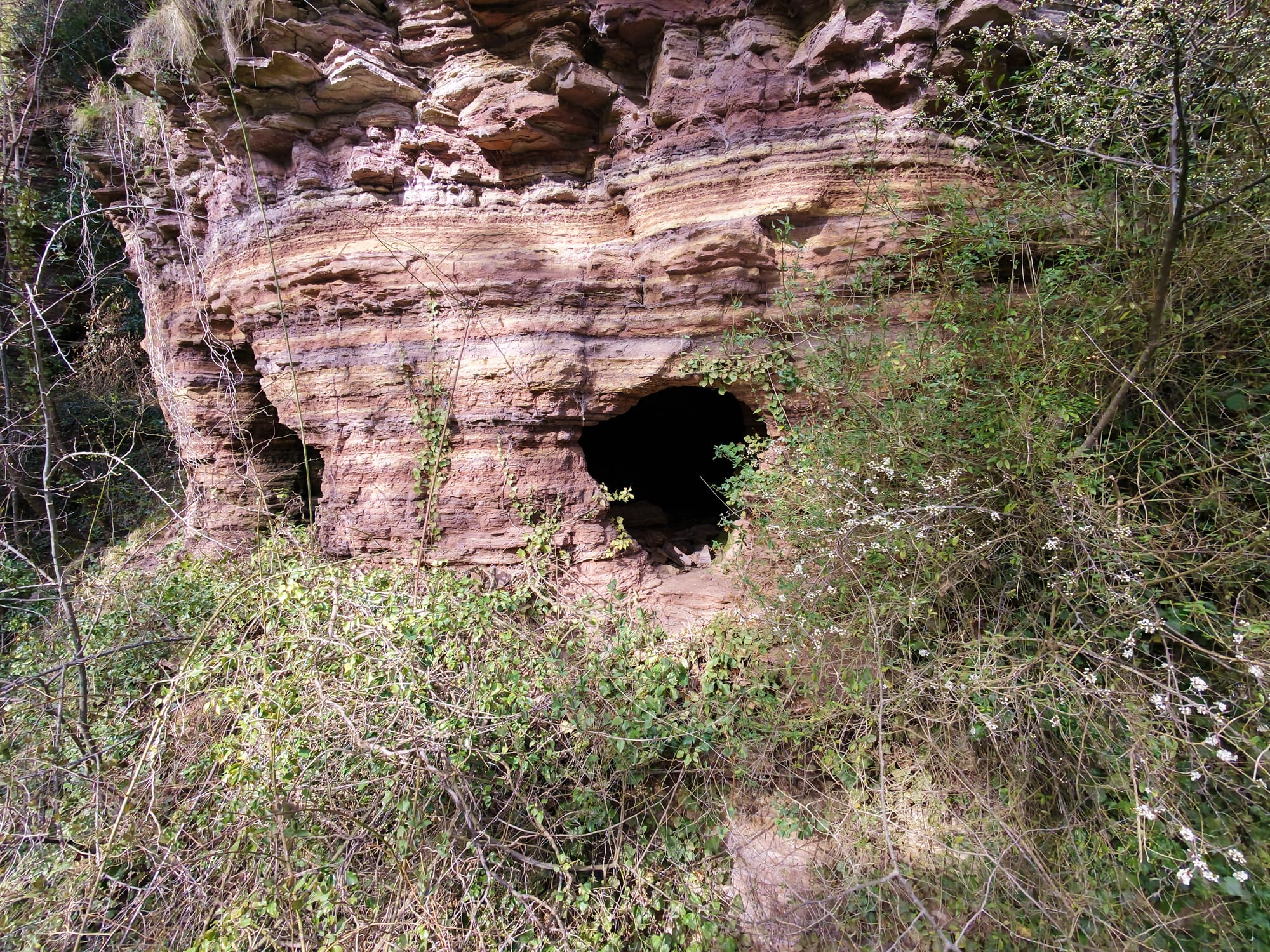
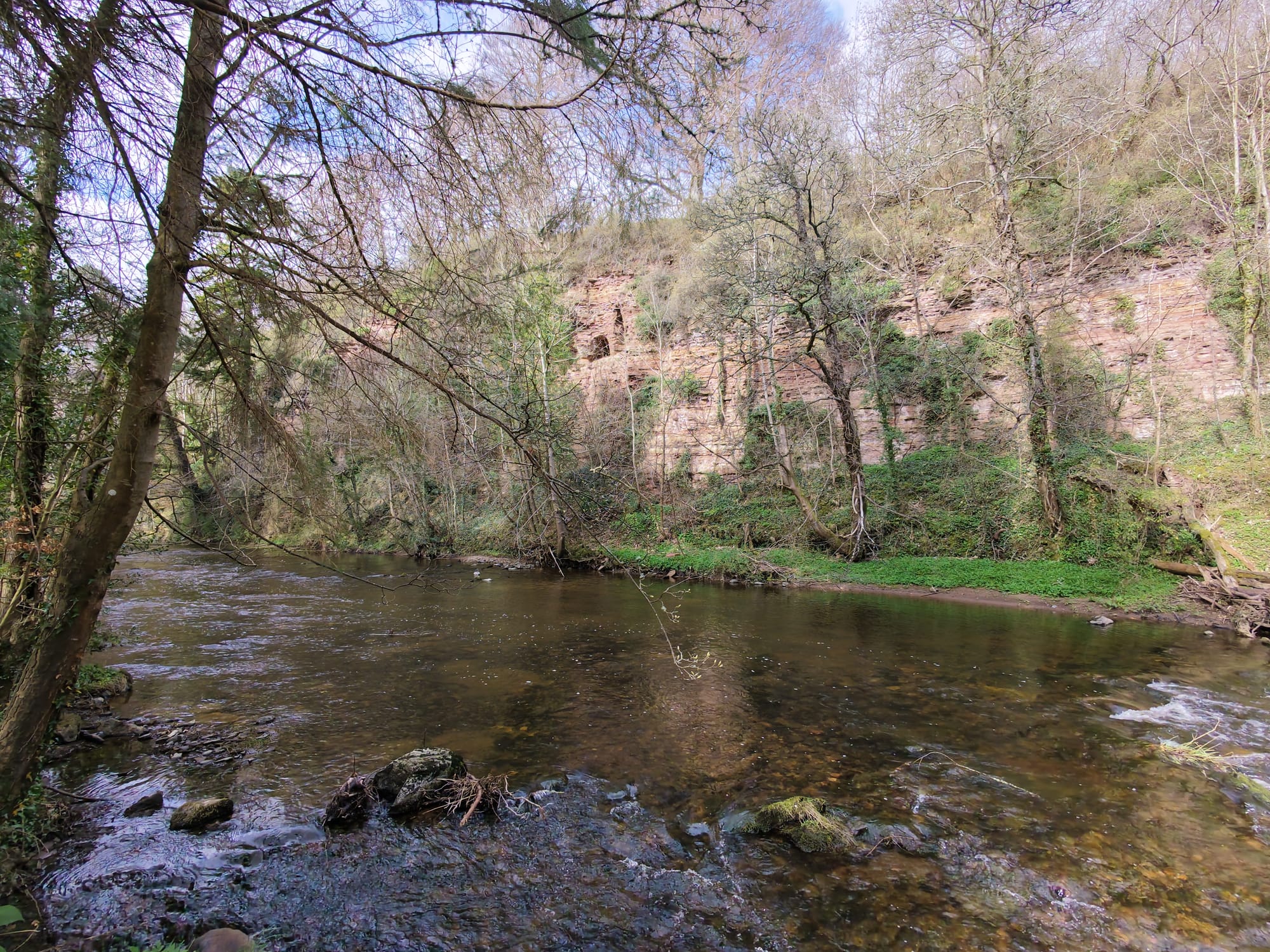
Ultimately, the empirical data gathered across this landscape—from the subverted stones of the historic crosses to the physical fractures of the civic core—reveal an absolute structural law: this community is incapable of achieving genuine inclusivity. It functions as an insular closed loop, engineered not to foster human flourishing or shared rural prosperity, but strictly to propagate a fossilised identity. Admission to the civic commons and the 'good things' of village life carries a non-negotiable cost: the total surrender of individual autonomy and the active participation in a manufactured historical myth of conflict. To maintain an independent gaze, to utilise modern creative technology, or to seek open, un-policed human connection is to violate the stagnation contract. Forced to choose between evolution and preservation, the dominant social faction chooses the fossil. They deploy a primitive machinery of localised social militancy—from threshold mockery to performative ritual shaming—to punish the independent observer. Yet, this aggressive defence of an illusion is a form of cultural suicide. By systematically purging the diverse perspectives and generative energy required for true community well-being, the village elite have transformed their home into a psychological garrison. They remain trapped in a time loop of their own making: fiercely guarding the gates of a kingdom built on air, while the reality of their self-inflicted isolation fractures the very ground beneath their feet. ³⁵
Sociologically, these agitators and gatekeepers are acting out of absolute scarcity. They tolerate no variance because their entire identity and self-worth are tied to being the "face of the village." The moment an outsider displays genuine independence—someone who doesn't need their validation, doesn't care about being "vetted," and has the capability to broadcast an unscripted reality—it exposes just how small and localised their power truly is. They aren't gatekeeping a kingdom; they are guarding an illusion.
The silence of this village is not merely a lack of conversation; it is a meticulously maintained infrastructure of repression. This community operates as a self-policing apparatus, a micro-fascist structure where the residents have, in effect, deputised themselves to enforce a singular, sanitised reality. By weaponising the label of 'anti-social behaviour' against any individual who refuses to perform the expected script, the village attempts to override its own inherent toxicity with a fabricated collective virtue. It is a brutal, calculated manoeuvre to protect a commodity: the property value of the 'ideal' landscape. They do not merely shun dissent; they treat individual autonomy as a contagion that threatens their stratified, high-value image. In this environment, the truth is not a dialogue—it is a casualty of a collective will that demands total conformity to its own exclusionary silence. ³⁶
The structural analysis of Ancrum’s localised ecosystem unmasks a chilling reality: the rural idyll is not a passive geographic setting, but an actively policed, performative regime. What surfaces on the exterior as 'community spirit' or 'rural charm' operates internally as a highly sophisticated apparatus of social closure, designed to protect intergenerational networks and eliminate external critique. The trajectory of the outsider within this space reveals a relentless, multi-layered strategy of containment. When a dissenting voice disrupts the required collective consensus, the village deploys an escalating sequence of disciplinary measures:
- Civic Erasure: Public forums and digital community council platforms are rapidly mobilised to silence alternative perspectives, prioritising a pleasant social facade over the constructive resolution of structural conflict.
- Economic and Infrastructural Warfare: Local commercial monopolies are weaponised to threaten basic domestic survival, utilising the control of essential prepaid utilities as a leverage tool for forced self-censorship.
- Punishment by Process: The administrative machinery of the state—including law enforcement and educational liaison infrastructures—is actively hijacked via bad-faith complaint loops, transforming legal, macro-level landscape videography into an engineered psychological penalty of attrition.
Ultimately, this systematic containment functions as an invisible puppeteer, pulling the strings of localised social anxiety to force the outsider into voluntary self-exclusion. The somatic and psychological toll of this hyper-vigilant terrain—where the very streets manifest an over-saturated, blinding intensity—indicts the closed ecosystem as a site of structural violence. By decoding the unwritten rules of this panopticon, the observer is compelled to police their own boundaries, internalise the community’s exclusionary desires, and vanish from the shared landscape. ³⁷
Toxic Village stands as a definitive diagnostic model of the modern rural panopticon: a space where history is monopolised, 'niceness' is weaponised for behavioural conformity, and the independent lens must be criminalised to preserve the fragile, insular illusion of 'the good life.'
What began as an independent sociological critique was transformed by the village’s own hostility into a rigorous exercise in action research. By attempting to suppress the independent observer, the insular hierarchy inadvertently provided the empirical data necessary to validate a comprehensive diagnosis of their own pathology. Each act of bad-faith reporting, each attempt at utility-based coercion, and each instance of performative ritual shaming served as a documented datum in the structural analysis of the 'Toxic Village.' In their desperate, iterative attempts to maintain control, the community did not silence the investigation; they acted as the primary drivers of it, forcing the observer to move from distant documentation to an active, evidence-based synthesis. This outcome represents a final irony: the very mechanisms the village deployed to protect its insular status are the same mechanisms that guaranteed its exposure. ³⁸
Footnotes
- This "politeness bias" functions as a form of repressive social management. By pathologising dissent as a failure of interpersonal etiquette, the community preserves its internal cohesion at the expense of external critique. This phenomenon is closely related to the weaponisation of "civil inattention," as analysed by Goffman, E. (1963). Behavior in Public Places: Notes on the Social Organization of Gatherings. Free Press. Goffman explores how social order is maintained through ritualised performances that discourage non-conformity.
- The cultivation of a domestic sanctuary as a counter-strategy to a hostile environment is an act of "place-making" that asserts agency against social marginalisation. See: Tuan, Y.-F. (1977). Space and Place: The Perspective of Experience. University of Minnesota Press. Tuan argues that "place" is a centre of felt value, and the deliberate construction of domestic sanctuary acts as a psychological buffer against the "space" of an antagonistic community.
- Projective identification is a psychological defence mechanism where a group or individual projects unwanted aspects of the self onto an "other." In social settings, this functions to consolidate in-group identity by scapegoating the perceived outsider. See: Klein, M. (1946). "Notes on Some Schizoid Mechanisms." International Journal of Psycho-Analysis. Klein posits that this mechanism is used to rid the self of unwanted internal conflict, which, when applied at a group level, creates the "us versus them" dichotomy essential for maintaining insular social structures.
- The use of "micro-aggressions"—such as the cessation of conversation or the avoidance of eye contact—is a tactic of "social ostracism" intended to communicate exclusion without engaging in direct verbal confrontation. See: Williams, K. D. (2007). "Ostracism." Annual Review of Psychology. Williams demonstrates that social ostracism functions as a potent form of non-verbal violence, designed to diminish the target's sense of belonging and social efficacy by rendering them invisible within the community space.
- The pre-conditioning of social encounters through informal information networks is a process of "reputation management" that serves as a pre-emptive strike against the outsider. See: Burt, R. S. (2005). Brokerage and Closure: An Introduction to Social Capital. Oxford University Press. Burt identifies how closed networks (cliques) use gossip as a control mechanism to standardise the perception of newcomers, ensuring they are categorised and contained before they can establish independent relationships.
- The shopkeeper's assertion represents "epistemic injustice," a concept developed by Fricker, M. (2007). Epistemic Injustice: Power and the Ethics of Knowing. Oxford University Press. Fricker defines this as a wrong done to someone specifically in their capacity as a knower; by telling the outsider that the village is "nice," the shopkeeper is invalidating the outsider's lived experience of structural hostility, effectively gaslighting them into doubting their own reality and perspective.
- The displacement of localised socioeconomic anxiety onto abstract "culture war" issues is a recognised mechanism of political polarisation. See: Hochschild, A. R. (2016). Strangers in Their Own Land: Anger and Mourning on the American Right. The New Press. Hochschild describes this as the "deep story," where feelings of economic marginalisation are articulated through symbolic opposition to changing social norms, serving as a defence mechanism against perceived status loss.
- The pub's transformation from a public sphere of discourse into a private enclave of resentment aligns with the decline of what Habermas, J. (1989) identifies as the The Structural Transformation of the Public Sphere. MIT Press. When institutions lose their capacity to act as neutral forums for deliberation, they collapse into echo chambers where conformity to the dominant ideological narrative becomes the primary condition of entry and survival.
- The adoption of "strategic silence" by migrant populations within a host community is a survival mechanism to mitigate the risk of social or physical confrontation. See: Pavlenko, A. (2001). "How Good Are You with Languages? Language and Identities in Post-Soviet Narratives." TESOL Quarterly. Pavlenko explores how linguistic markers—such as accent or dialect—are often weaponised by dominant groups to enforce a hierarchy of "belonging," forcing the outsider to suppress their identity to maintain personal safety.
- The weaponisation of symbols like tartan to define "insider" versus "outsider" status is an example of "invented tradition" used for the purpose of exclusionary nationalism. See: Hobsbawm, E., & Ranger, T. (1983). The Invention of Tradition. Cambridge University Press. Hobsbawm argues that such traditions are frequently manufactured to provide a sense of continuity and group cohesion, which in localised contexts, is used to justify the aggressive policing of who is perceived to "belong" to the cultural landscape.
- The persistent characterisation of the village as "insular" over centuries suggests a "path dependency" in social organisation, where institutional practices (such as exclusionary tavern culture) become self-reinforcing over generations. See: Pierson, P. (2000). "Increasing Returns, Path Dependence, and the Study of Politics." American Political Science Review. Pierson posits that once certain social or institutional trajectories are established, they become increasingly difficult to shift, explaining why contemporary community buyouts often struggle to fundamentally alter the underlying social atmosphere without a radical break from historical precedent.
- The protection of a "communal brand" through collective denial is a form of institutional impression management that obscures systemic social exclusion. See: Hochschild, A. R. (2003). The Managed Heart: Commercialization of Human Feeling. University of California Press. Hochschild demonstrates how the requirement to maintain a specific "service" atmosphere often forces individuals to suppress genuine dissent, while the institution itself utilises "emotional labour" to sanitise its public identity, effectively silencing critiques that threaten the established social hierarchy.
- The transformation of domestic space into a site of surveillance and sensory gating is a reaction to the perceived breakdown of community trust, often leading to what is termed "fortress mentality." See: Marcuse, P. (1997). "The Enclave, the Citadel, and the Ghetto: What Has Changed in the Post-Fordist U.S. City." Urban Affairs Review. While Marcuse focuses on urban planning, the application of "fortress" architecture—whether through literal hardware or behavioural withdrawal—serves as a defence against a social environment that the individual perceives as increasingly predatory, resulting in the "securitisation" of personal life.
- The use of physical space and local traditions as tools of intimidation is an example of "territorial control" utilised to reinforce social hierarchy. See: Lefebvre, H. (1991). The Production of Space. Blackwell. Lefebvre argues that space is never neutral but is instead a "social product" shaped by those who hold power, who utilise architectural and geographic interventions to define the limits of who belongs and who is excluded from the public sphere. The invocation of violent historical ritual in modern civic forums serves as a "symbolic boundary," asserting that the power to regulate space remains the exclusive domain of those who claim indigenous status through such traditions.
- The transformation of digital platforms into tools for silencing dissent is a phenomenon of "online gated communities," where virtual spaces are curated to mirror the exclusionary practices of the physical environment. See: Sunstein, C. R. (2017). #Republic: Divided Democracy in the Age of Social Media. Princeton University Press. Sunstein highlights how the mechanisms of digital echo chambers, coupled with deliberate suppression of non-conforming viewpoints, effectively insulate the dominant group from critique, forcing dissenting voices into a cycle of "self-censorship" or total withdrawal.
- The conversion of public space into a privately-dominated domain via bureaucratic permitting is an example of "spatial enclosure." See: Mitchell, D. (2003). The Right to the City: Social Justice and the Fight for Public Space. Guilford Press. Mitchell argues that the privatisation of public areas through restrictive ordinances and formal permits functions to sanitise these spaces, effectively removing those whose presence is deemed "out of place" by the dominant group. In this context, the appeal to "council permission" acts as a symbolic weapon that redefines the public green from a common good into a site of restricted privilege.
- The inversion of a monument's intended function—from a symbol of civic reconciliation to a marker of factional division—is a process of "symbolic reappropriation." See: Connerton, P. (1989). How Societies Remember. Cambridge University Press. Connerton argues that communal rituals serve as a "performative memory," which, when centred on antagonistic tribal structures, effectively hardens social divisions by embedding them into the physical and sensory landscape of the village. The transformation of the Mercat Cross into a boundary marker demonstrates how historical symbols are continuously re-negotiated to serve contemporary exclusionary agendas.
- The phenomenon of "counter-surveillance" through digital documentation poses a direct challenge to the "monopoly on narrative" held by insular communities. See: Foucault, M. (1975). Discipline and Punish: The Birth of the Prison. Vintage Books. Foucault’s analysis of the Panopticon highlights how power is maintained through a unidirectional gaze; when the outsider or marginalised subject turns the camera back on the community, they disrupt the power dynamics of the observation, prompting the dominant group to use economic and social sanctions to reassert their control over the public narrative.
- The exploitation of essential utility access as a lever for silencing dissent is a form of "extralegal regulation." See: Shklar, J. N. (1986). Ordinary Vices. Harvard University Press. Shklar observes that when dominant actors utilise their control over basic life-sustaining resources to enforce ideological conformity, they transition from social gatekeeping into active coercion. By labelling the target as "deviant," the actor employs a classic delegitimisation strategy designed to isolate the victim from community support, thereby ensuring that the coercive action is perceived by the public not as an abuse of power, but as a necessary enforcement of local social standards.
- The divergence between public recognition (awards) and private practice (exclusion) is a classic study in the "masking of power." See: Lukes, S. (2005). Power: A Radical View. Palgrave Macmillan. Lukes argues that power is most effective when it is invisible or when it successfully disguises its coercive nature as "community spirit" or "service." By institutionalising the exclusionary actor, the community validates its own internal standards and creates a defensive shield against outside criticism. This process of "credentialing" the enforcers ensures that any attempt by the outsider to highlight material harm—such as the restriction of resources—is dismissed as a personal attack on a "respected community member."
- This monopolisation of social capital and the use of cultural heritage as an exclusionary filter is analysed in Bourdieu, P. (1986). "The Forms of Capital." In J. Richardson (Ed.), Handbook of Theory and Research for the Sociology of Education. Bourdieu argues that social capital is a resource linked to the possession of a durable network of institutionalised relationships of mutual acquaintance and recognition, which in closed rural systems, serves to restrict access to the "in-group" and solidify hierarchical control.
- The concept of "anticipatory socialisation" within a exclusionary framework illustrates how the power to exclude does not require constant exercise, as the subject eventually internalises the rules of the dominant group to avoid the psychic cost of rejection. See: Foucault, M. (1977). Discipline and Punish: The Birth of the Prison. Pantheon. Foucault’s core argument—that the most successful disciplinary regimes are those where the subject becomes the primary monitor of their own behaviour—perfectly describes this phenomenon. The outsider, sensing the community’s "non-verbal aversion," effectively becomes their own jailer, policing their movements and presence to align with the unstated desires of the collective, thereby rendering the external enforcement of exclusion redundant.
- The somatic manifestation of social trauma, often characterised by sensory gating deficits and hyper-reactivity, is a key component of chronic stress in marginalised populations. See: Van der Kolk, B. (2014). The Body Keeps the Score: Brain, Mind, and Body in the Healing of Trauma. Viking. Van der Kolk explains that when an environment is perceived as a persistent source of threat, the nervous system remains in a chronic state of arousal. This "calibrates" the brain to scan for danger, often resulting in altered sensory processing—such as photophobia or exaggerated startle responses—as the individual's biology priorities survival over the neutral engagement with their surroundings.
- The orchestration of an environment to elicit specific physiological states in the "other" is a profound exercise of power, often theorised as the production of "atmospheres of exclusion." See: Anderson, B. (2009). "Affective Atmospheres." Emotion, Space and Society. Anderson posits that atmospheres are not merely subjective perceptions but are actively "enveloped" and projected by a collective to modulate the bodies of those within them. In this case, the manipulation of the village environment to induce sensory blinding and systemic shock functions to solidify the boundary between the "insider" and the "marginalised," proving that exclusion is not merely a social act, but a physiological one.
- The strategic use of administrative and law enforcement channels to harass political or social critics is a well-documented technique in "lawfare," where the intent is not to secure a conviction but to impose the high personal and psychological costs of the process itself. See: Comaroff, J., & Comaroff, J. (2006). "Law and Disorder in the Postcolony." Law & Social Inquiry. The Comaroffs demonstrate how local power brokers co-opt the machinery of the state to settle personal or community scores, effectively transforming the police into an unwitting instrument of exclusionary social policy. This "weaponised compliance" creates a chilling effect on independent documentation, as the target is forced to weigh the pursuit of their work against the recurring threat of state-sanctioned scrutiny.
- The appropriation of state infrastructure to neutralise perceived "counter-surveillance" is a signature of institutionalised parochialism. See: Haggerty, K. D., & Ericson, R. V. (2000). "The Surveillant Assemblage." British Journal of Sociology. Haggerty and Ericson argue that when diverse institutions—such as law enforcement, schools, and private local interests—integrate their data and disciplinary functions, they form a "surveillant assemblage." In this village context, the "complaint loop" ensures that any challenge to the local power structure is treated not as a matter of civil liberty, but as an administrative and social crisis, effectively insulating the dominant group from any objective, overhead, or independent scrutiny.
- The conflict over aerial perspective represents a fundamental struggle over "epistemic sovereignty"—the power to define the truth of a geographic space. See: Weizman, E. (2017). Forensic Architecture: Violence at the Threshold of Detectability. Zone Books. Weizman demonstrates how the mastery of aerial and remote sensing technologies allows marginalised actors to construct an independent "forensic" record of a landscape, which directly counters the official, state-sanctioned narrative. When a community forces the criminalisation of this technology, it is not protecting "privacy" in the conventional sense, but is instead attempting to maintain a "monopoly on the record," preventing an empirical verification of its own exclusionary practices.
- The strategy of "punishment by process" highlights the gap between legal legitimacy and administrative harassment. See: Feeley, M. M. (1979). The Process Is the Punishment: Handling Cases in a Lower Criminal Court. Russell Sage Foundation. Feeley argues that the informal costs of navigating the legal system—the time, the emotional strain, and the pervasive anxiety—often outweigh any formal penalty, making the "process" a highly effective tool for controlling individuals who challenge local power structures. When state institutions are mobilised for this purpose, they provide a cloak of authority to what is, in practice, a private campaign of social engineering.
- The pathologisation of defensive measures is a common tactic in the orchestration of "gaslighting" within small communities, where the goal is to make the target question their own perception of safety. See: Stark, E. (2007). Coercive Control: How Men Entrap Women in Personal Life. Oxford University Press. While Stark focuses on intimate partner violence, the framework of "coercive control"—which includes the systematic undermining of a person's autonomy and the mocking of their attempts to seek safety—is highly applicable to the mobbing dynamics observed here. By re-framing a protective measure as a symptom of the target’s "irrationality," the dominant group forces the individual into a double bind where exercising their rights appears evidence of their own deviance.
- The replacement of historical records with curated mythologies to support contemporary political or social agendas is an example of "invented tradition." See: Hobsbawm, E., & Ranger, T. (1983). The Invention of Tradition. Cambridge University Press. Hobsbawm argues that such traditions are often constructed to provide a veneer of continuity and legitimacy for current social hierarchies. By prioritising a fictional, xenophobic narrative over the empirical, diplomatic history of the Lylliot Cross, the community engages in an active process of historical distortion, essentialising their exclusionary practices as "ancestral" when they are, in fact, ideological constructs designed to justify current social gatekeeping.
- Regarding the 'Architecture of Deception' and the performative nature of surveillance: See Foucault, M. (1975). Discipline and Punish: The Birth of the Prison, for the transition of power into "invisible" apparatuses. The classification of the Waterloo Monument as a 'monument' rather than a watchtower demonstrates the concept of the "masking" of power, wherein functional surveillance structures are codified as civic heritage to gain public complicity. See also Scott, J. C. (1998). Seeing Like a State, for an analysis of how high-modernist and aristocratic projects utilise visual dominance to impose legibility and control over rural landscapes.
- Bourdieu, P. (1977). Outline of a Theory of Practice. Cambridge University Press. This citation underpins the concept of habitus—the internalised structures of the social world that lead agents to reproduce inherited power dynamics without conscious reflection. Supplemented by Fisher, M. (2014). Ghosts of My Life: Writings on Depression, Hauntology and Lost Futures. Zero Books, to frame the village’s "psycho-geographic loop" as a haunting: the collective, compulsive re-enactment of historical hierarchies that have lost their original administrative function but retain their punitive social effect.
- The use of heritage pageantry to enforce social stratification is a classic study in the manufacturing of "mythic unity." See: Anderson, B. (1983). Imagined Communities: Reflections on the Origin and Spread of Nationalism. Verso. Anderson posits that public rituals serve as "secular pilgrimages" that solidify the boundaries of the "imagined community." In the village context, the Callant acts as a symbolic anchor for these boundaries, ensuring that the history being performed is not an invitation to inclusion, but a reinforcement of the insider/outsider binary. The rhetoric of "perfection" functions as a form of "cultural gaslighting," where the systemic exclusion of the outsider is reframed as a protective response to a perceived existential threat to the community's integrity.
- The function of folk songs and communal lyrics as "mnemonic devices for social exclusion" is critical in reinforcing internal identity. See: Assmann, J. (2011). Cultural Memory and Early Civilization. Cambridge University Press. Assmann argues that cultural memory is often shaped by "foundational narratives" that rely on the memory of external threats to maintain internal cohesion. By embedding the narrative of anti-English conflict into a song performed annually, the community ensures that historical grievances are "updated" and applied to contemporary social relations, effectively ensuring that the "other" remains a permanent feature of the village's internal mythology.
- The terminal state of a community that prioritises the preservation of a fossilised identity over the demands of adaptation is characterised by what sociologists term "institutional entropy." See: Tainter, J. A. (1988). The Collapse of Complex Societies. Cambridge University Press. Tainter posits that as societies become more invested in the maintenance of elaborate, archaic structures—social, ritual, or bureaucratic—the energy cost of upholding these structures eventually outweighs the benefits they provide to the inhabitants. When the "garrison mentality" becomes the primary organisational principle, the community ceases to be a functional social body and becomes a rigid, brittle artifact, vulnerable to any pressure that requires genuine change. The "fracturing of the ground" is not a physical phenomenon, but the inevitable consequence of a social logic that has severed itself from the reality of the evolving human experience.
- The deployment of "anti-social behaviour" (ASB) as a mechanism for enforcing social conformity is a significant feature of contemporary governance in small communities. See: Millie, A. (2009). Anti-Social Behaviour. Routledge. Millie highlights that the term "anti-social" is often elastic and ill-defined, allowing it to be weaponised by dominant groups to exclude anyone who disrupts the aesthetic or social expectations of the neighbourhood. This "privatisation of policing" allows residents to bypass legal due process, replacing it with a social mandate that labels non-conformity as a moral failing, thereby justifying the exclusionary actions taken to protect the "value" and "purity" of the community.
- The synthesis of these varied disciplinary tactics constitutes what can be described as an "integrated exclusionary architecture." See: Deleuze, G. (1992). "Postscript on the Societies of Control." October. Deleuze identified a transition from "enclosure" (prisons, families, schools) to "control" (open, fluctuating networks). This study confirms that in the contemporary rural village, these forms coexist; the village operates as a physical enclosure while simultaneously utilising the fluid, network-based "control" mechanisms of digital complaint loops and reputational management. The outsider is caught in the overlapping grip of both, rendered invisible not by walls, but by the relentless modulation of their environment.
- This reflexive turn illustrates the concept of "unintended consequences" in social systems, where the efforts of a dominant group to enforce a specific narrative inadvertently generate the empirical counter-evidence that dismantles it. See: Argyris, C., & Schön, D. A. (1974). Theory in Practice: Increasing Professional Effectiveness. Jossey-Bass. The study demonstrates that when a system is closed to feedback, it becomes increasingly fragile; the attempt to "contain" the researcher through systemic pressure only serves to map the system’s own internal architecture more accurately, converting the subject of the research into the most authoritative source of its own deconstruction.
This article operates strictly within the frameworks of observational sociology, auto-ethnographic research, and public-interest documentation. All visual and textual evidence presented herein consists of objective data gathered from public spaces or legally compliant domestic property boundaries. The publication of this analysis is protected under Article 10 of the European Convention on Human Rights (ECHR) and Article 19 of the Universal Declaration of Human Rights, which guarantee the fundamental right to seek, receive, and impart information and ideas without interference. In documenting the intersection of spatial policing, institutional governance, and community mobbing, this work serves a distinct civic function: it translates localised, informal dynamics into a universal critique of civic disenfranchisement. Any informal attempts to suppress, ridicule, or censor this documentation represent a textbook application of the "chilling effect" and further validate the structural asymmetries mapped within this research.
[The research presented in this article, and the ongoing investigation into the social topography of this village, has not occurred in a vacuum. Following unsuccessful attempts by police to intervene, the state’s focus has shifted to the local council’s "anti-social behaviour" machinery. These visits—framed as informal inquiries into a supposed "village mentality"—are not merely bureaucratic nuisances; they represent a calculated attempt to exert pressure through proximity and the threat of administrative sanction. This is the manifestation of the "chilling effect." By attempting to reframe sociological inquiry as "anti-social behaviour," the administrative system seeks to make the cost of independent documentation prohibitively high. It is an effort to replace the rigour of public debate with the quiet, stifling weight of local ostracisation and bureaucratic monitoring. These interventions are, in themselves, a vital data point—a testament to the fact that the structures of surveillance I have documented are not historical relics, but active systems that continue to monitor the boundaries of the permissible. To document the village is to observe the mechanisms of control; to be observed in return is to understand that the system is functioning exactly as it was designed. I remain committed to the transparency of this work. This article remains open and public, not as a provocation, but as a commitment to the principle that sociological observation is a protected and necessary act of citizenship. To ensure the protection of this inquiry, I am currently securing formal legal advice to address these administrative pressures. We do not stop looking, and we do not stop writing, simply because the shadows have begun to move.]
 Léonie Blaire-Cooper