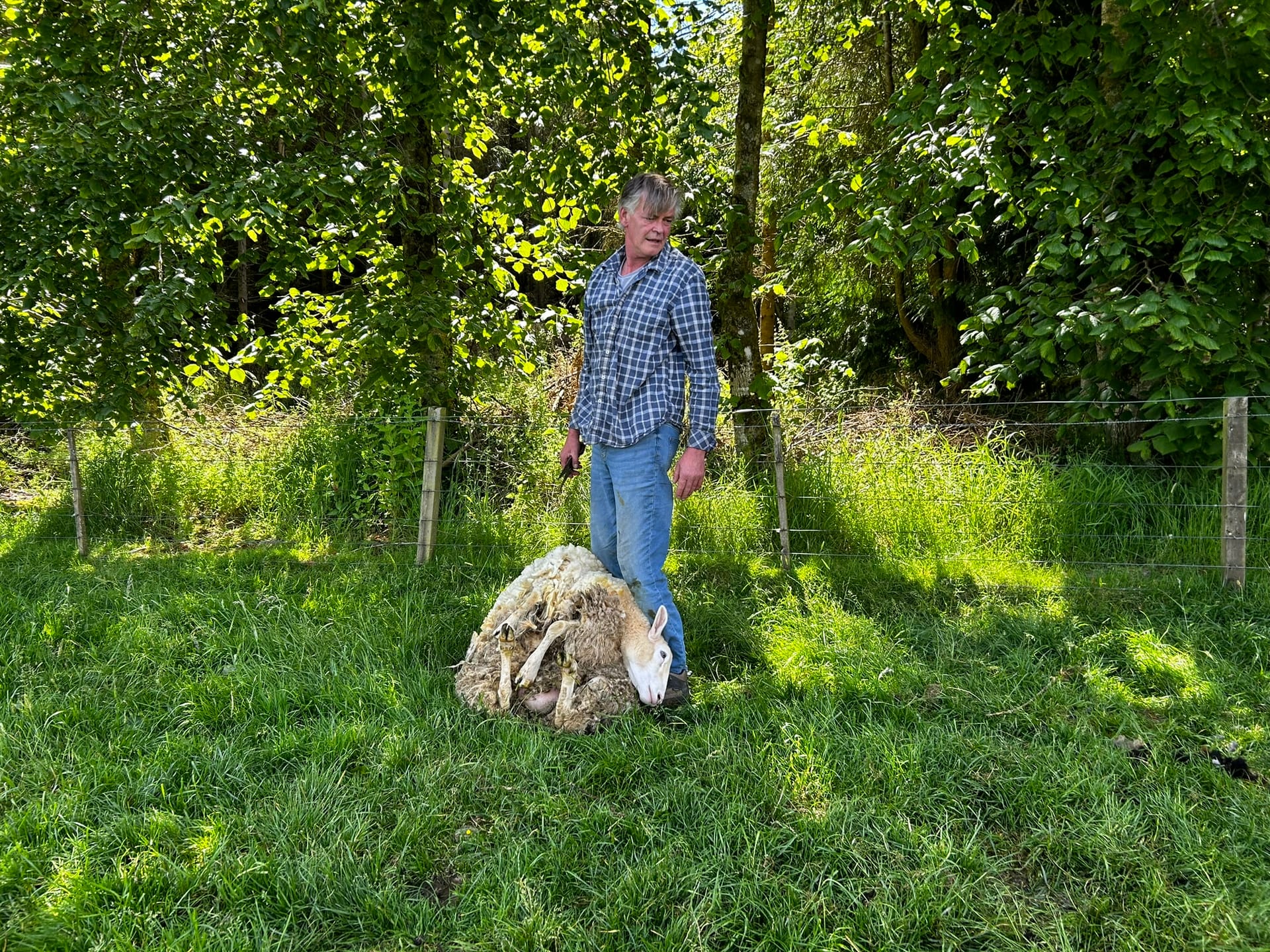
After spending twenty-four hours in my bungalow, I was eager to get outside. Charlie refers to this as cabin fever. Having spent most of my life outdoors, I find travel especially relaxing. We drove to our grassland near Selkirk and began shearing three sheep. Rattling a plastic feed bag helps guide most of the flock into the race. We keep none sheared sheep in the race to reduce stress for those being sheared. The sheep are in good condition, and the Eildon hills provide a scenic backdrop.
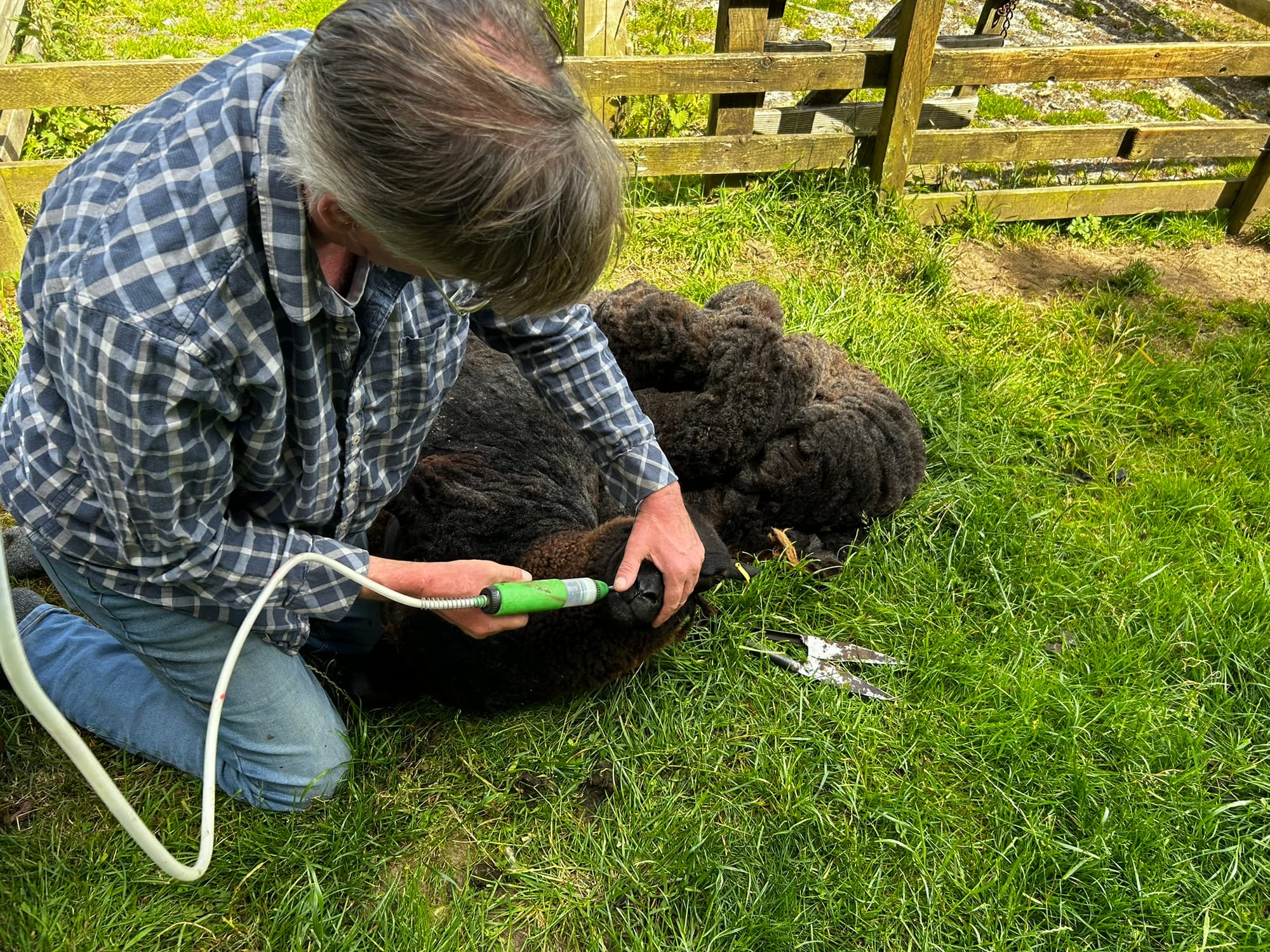
We treat sheep showing signs of soiling with worming medication. All others are also wormed while grazing this pasture, as we lost two lambs to lung fluke last year and recently experienced a tapeworm infection in the flock.
One side sheared.
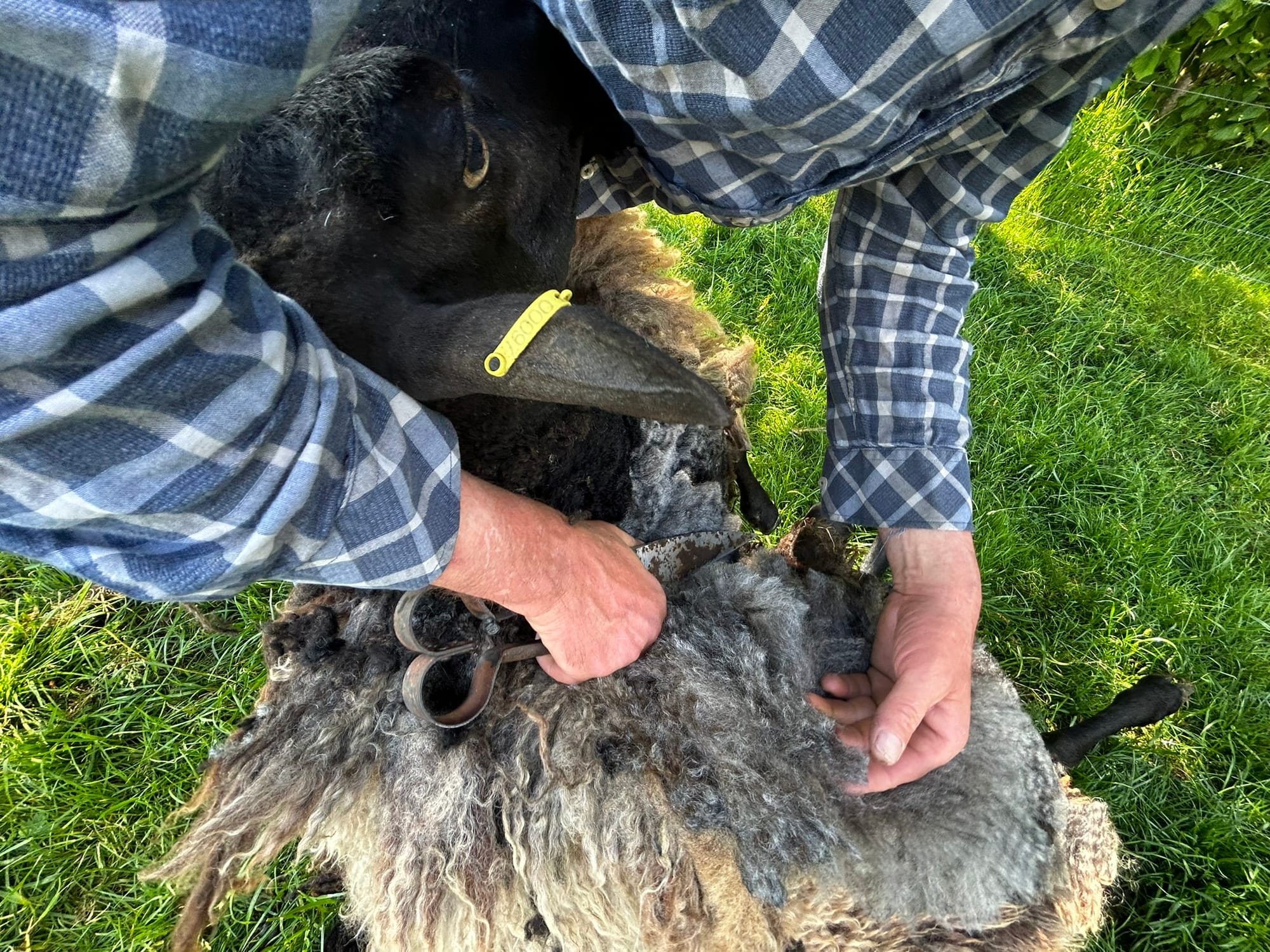
The black sheep’s wool has lightened from sun exposure, revealing grey fibres underneath. I plan to spin this fleece into unique twine later this year.
I usually assist by handing Charlie the shears, wormer drench, and fly spray. I also help round up the sheep and manage the gates.
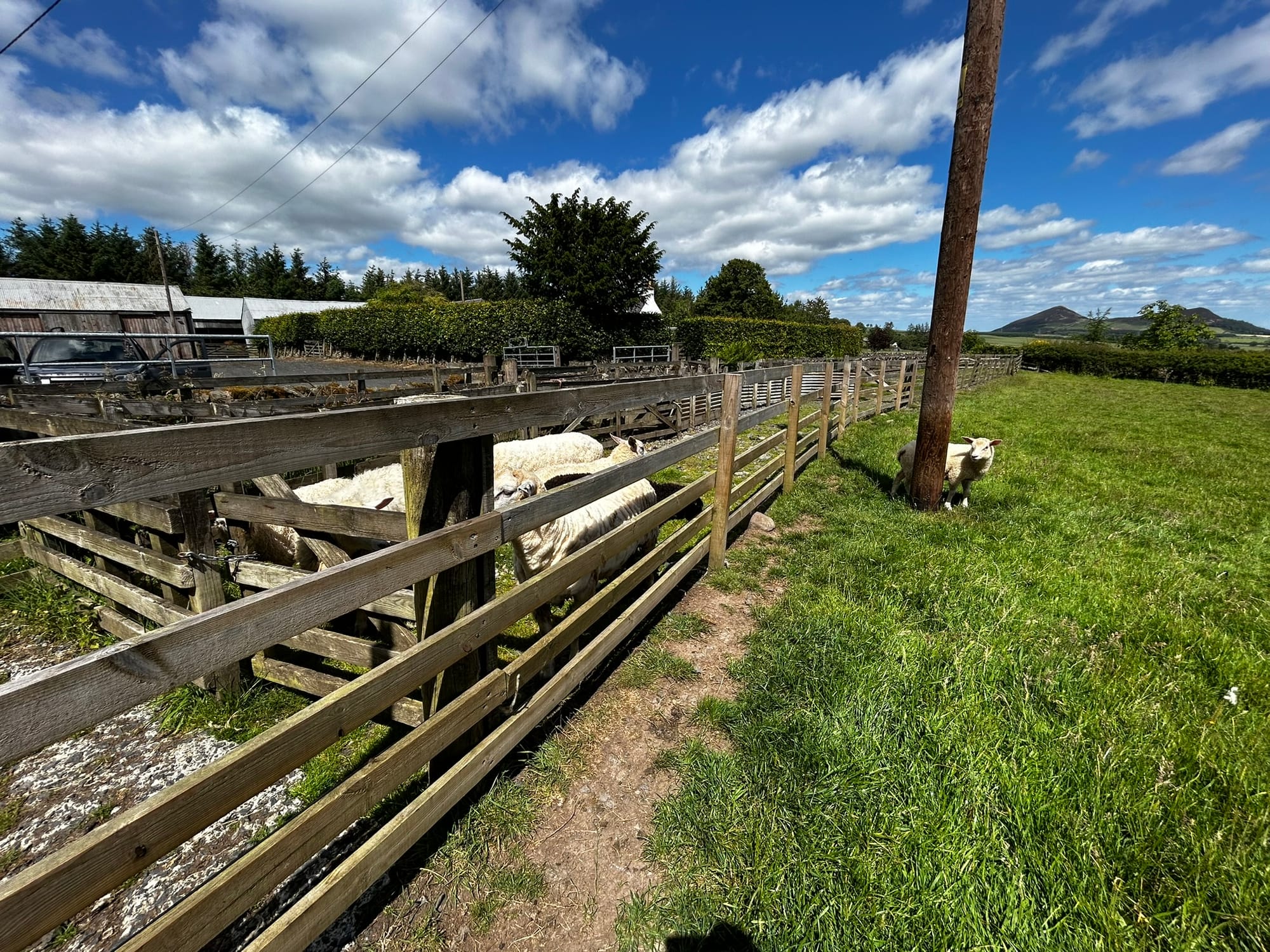
A lamb observes her mother inside the pen. The lambs are generally more hesitant to enter the pen than their mothers.
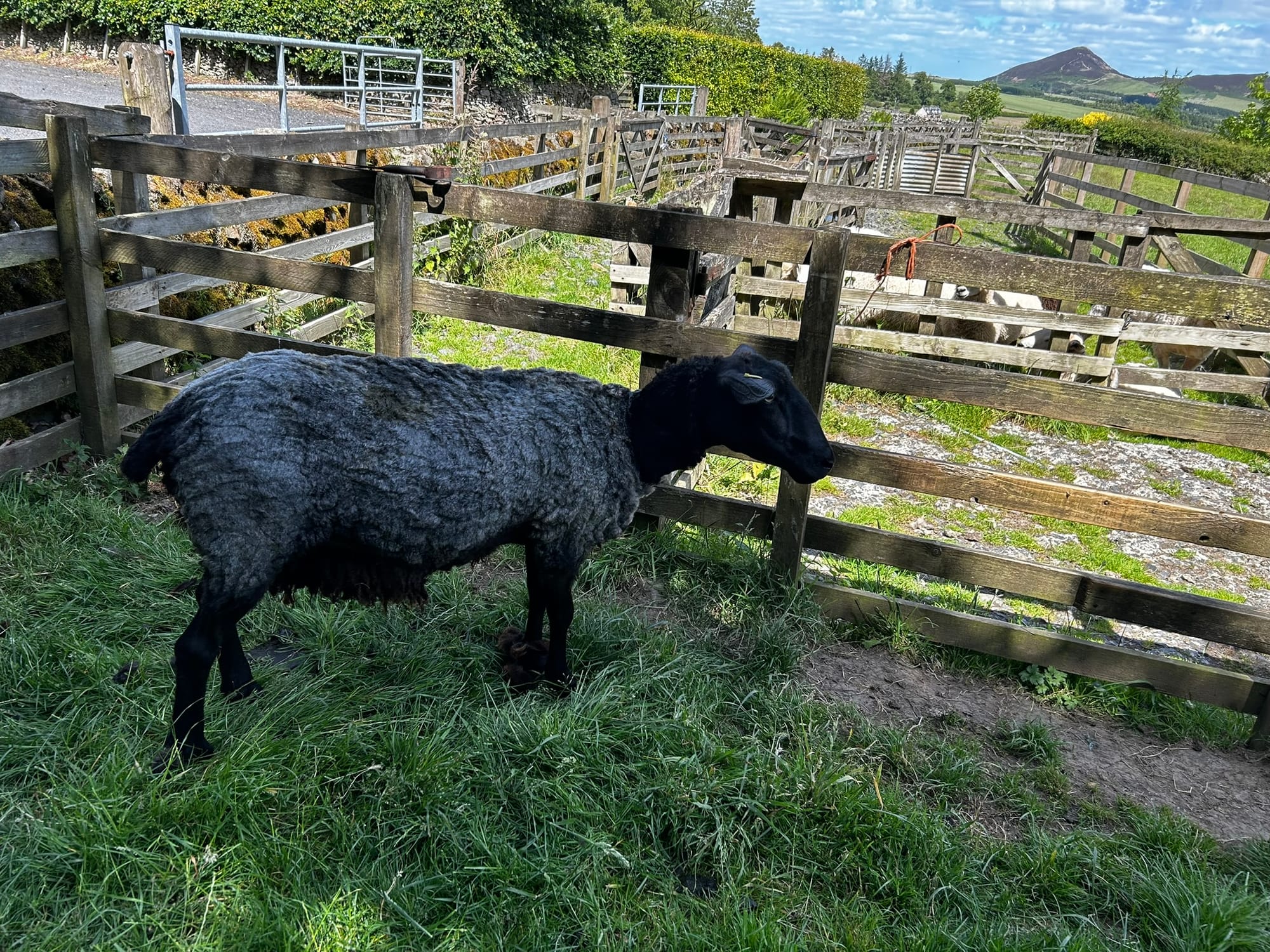
After shearing, I asked Charlie why he left the belly wool, but he did not respond. Some lambs behave unusually when their mother ewes are sheared, as they sometimes do not recognise them, which can cause issues.
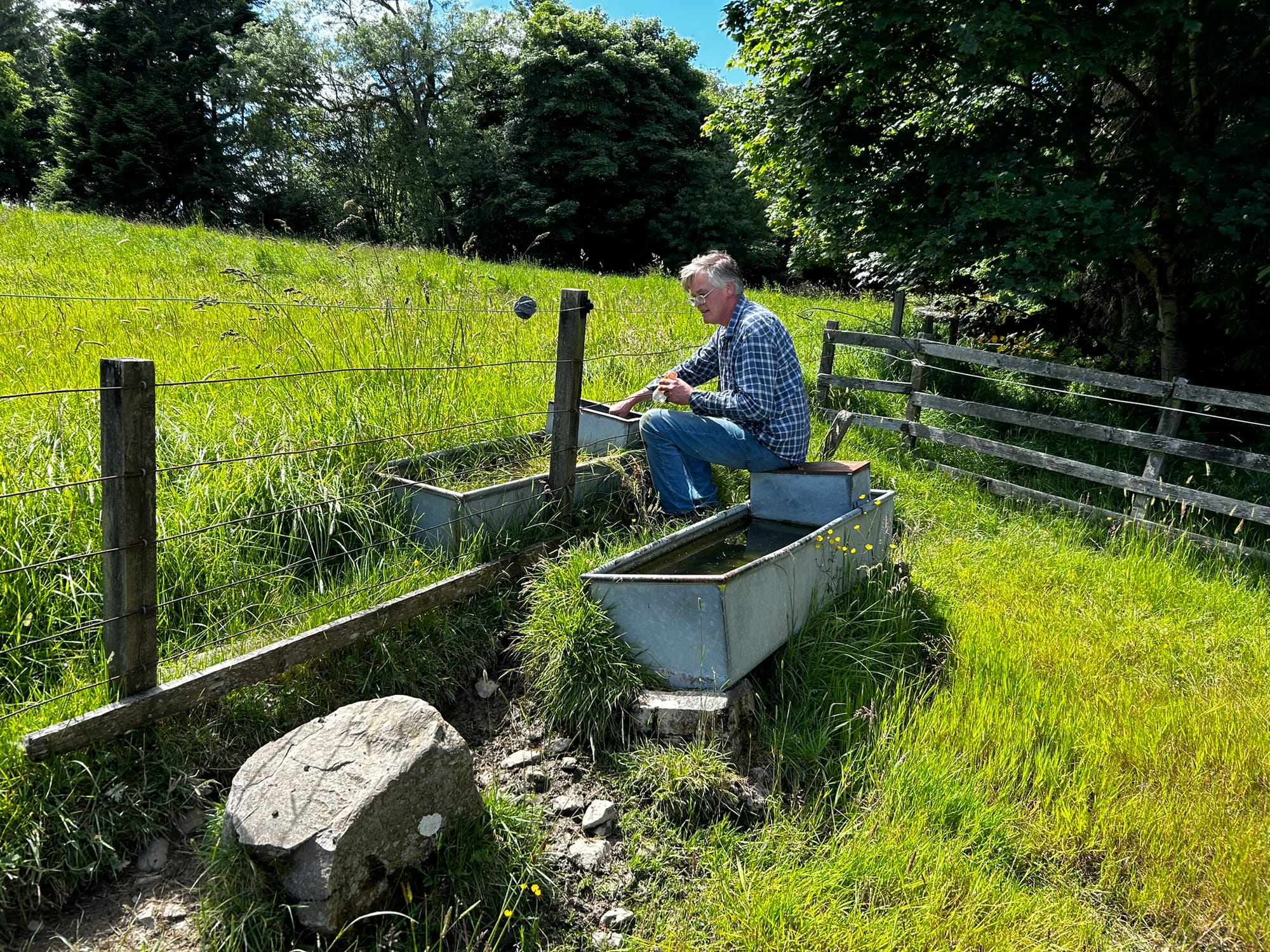
We walked to the sheep drinking trough, where Charlie washed his hands and filled his water bottle. When I used to go rambling and camping, I would drink from the mains pipe.
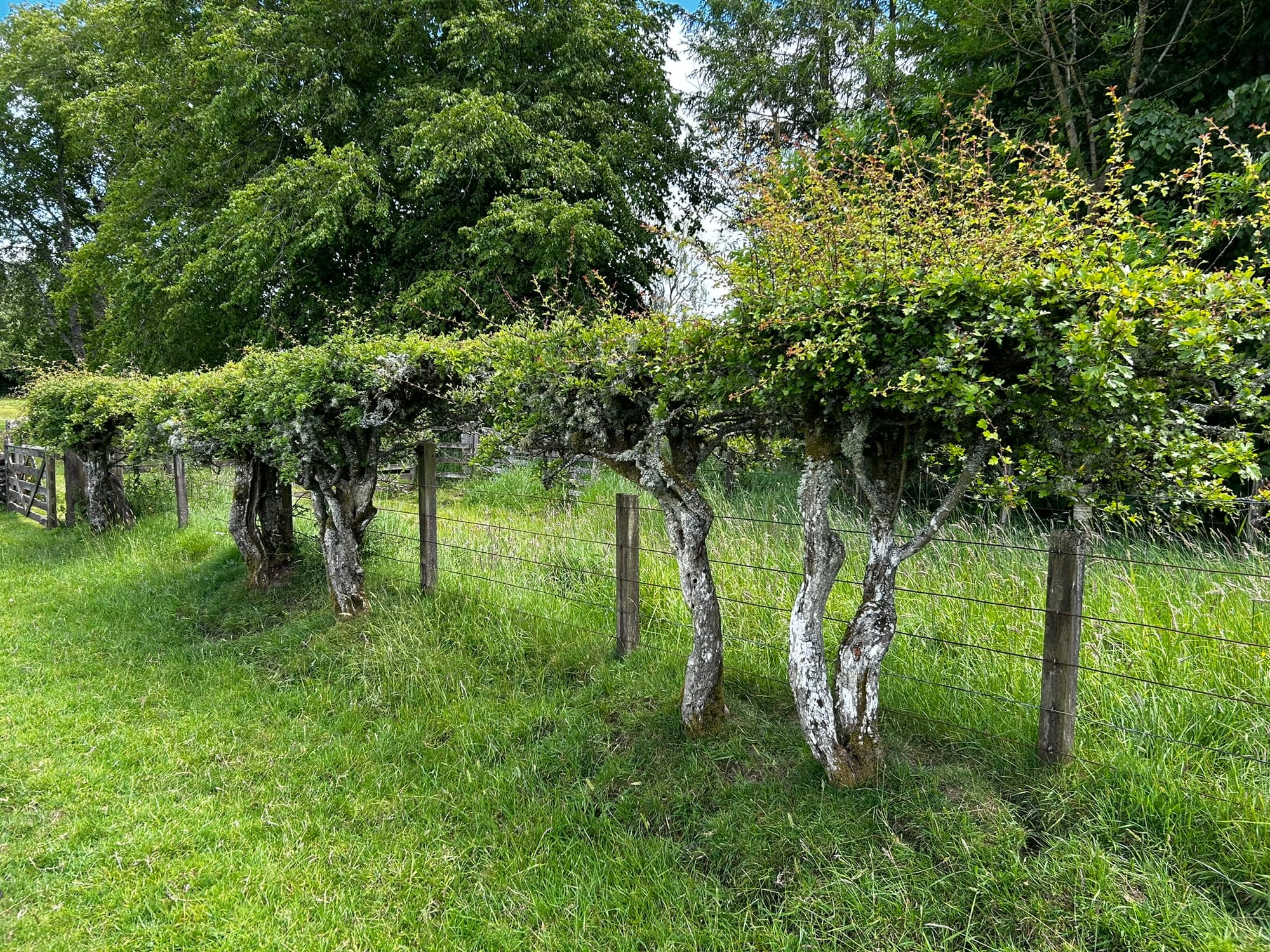
While Charlie was occupied, I walked around the grass keep perimeter and found two pieces of yard-long plastic on two occasions. Why were these left in our field? The hawthorn hedging also appears unusual.
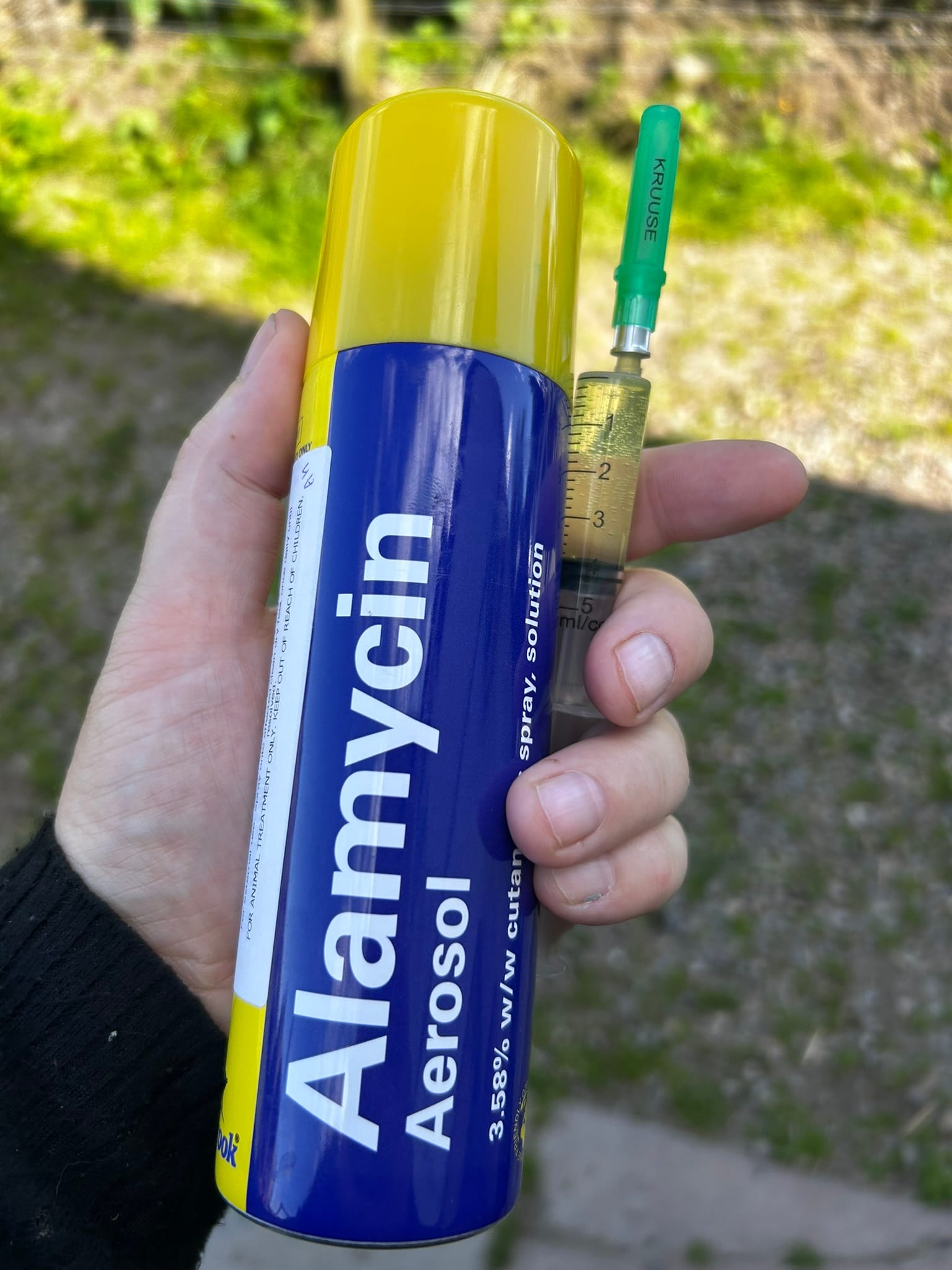
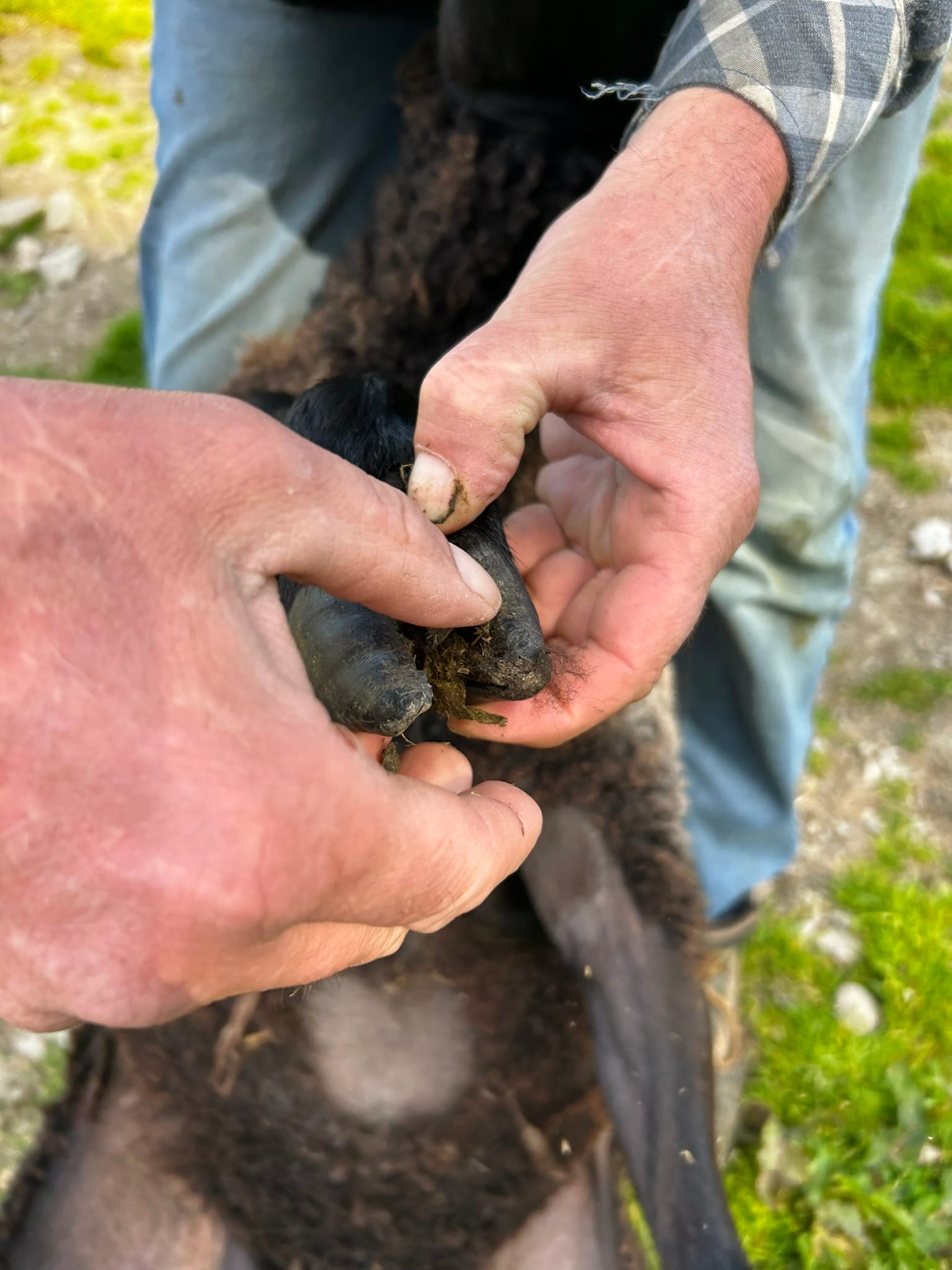
At Woodburn Farm, a ewe received an anti-inflammatory Metacam injection and an antibiotic foot spray. The wet, mild winter created health challenges for the flock in the Woodburn paddock.
Charlie administers the subcutaneous injection into the area behind the ewe’s ear. I am pleased to know she will be feeling much better within a few hours.
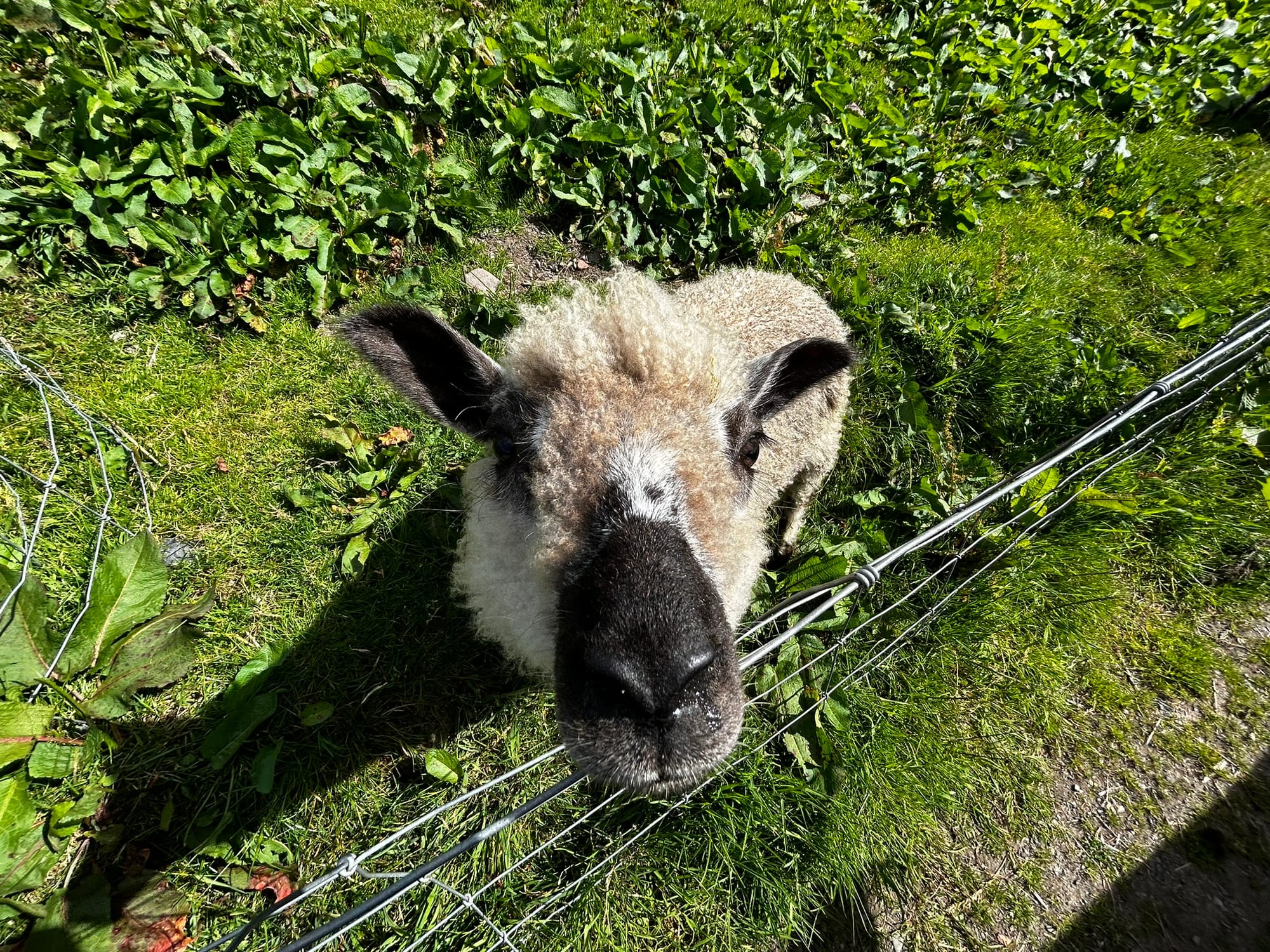
The cade lamb shown above was born with a deficiency, which we treated with a series of selenium injections. After she nearly died from a tapeworm infestation, we switched her to bottled milk and changed our wormer. One month later, she has surpassed the other lambs in growth.