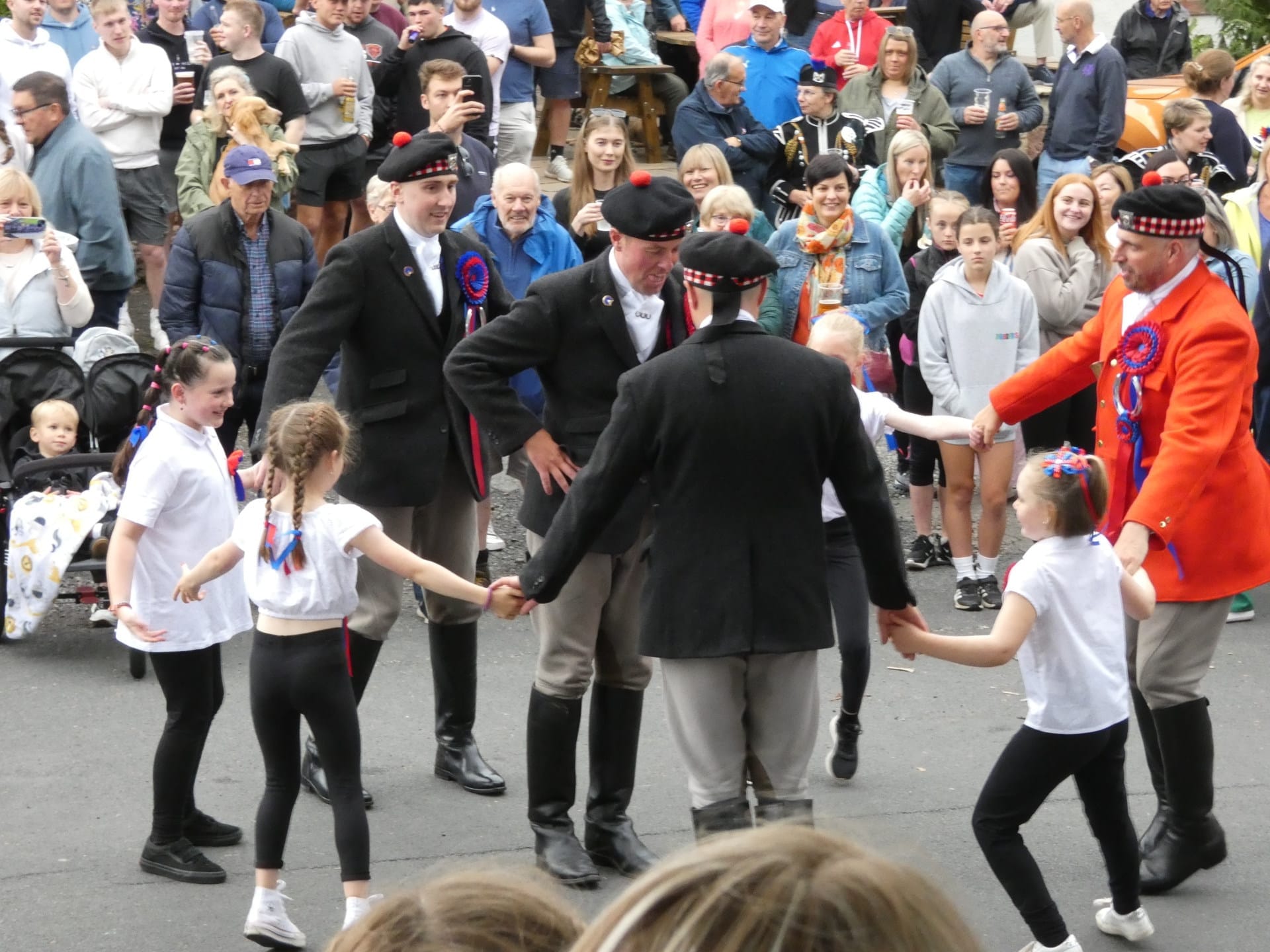
After visiting the doctor in Jedburgh, who provided bottles for several tests, including one to be completed in two weeks, we returned to Ancrum. Our shopkeeper informed me that the Ancrum festival would take place that evening, featuring two bands, pipe and brass music, dancers, local residents, and the Callent with his henchmen.
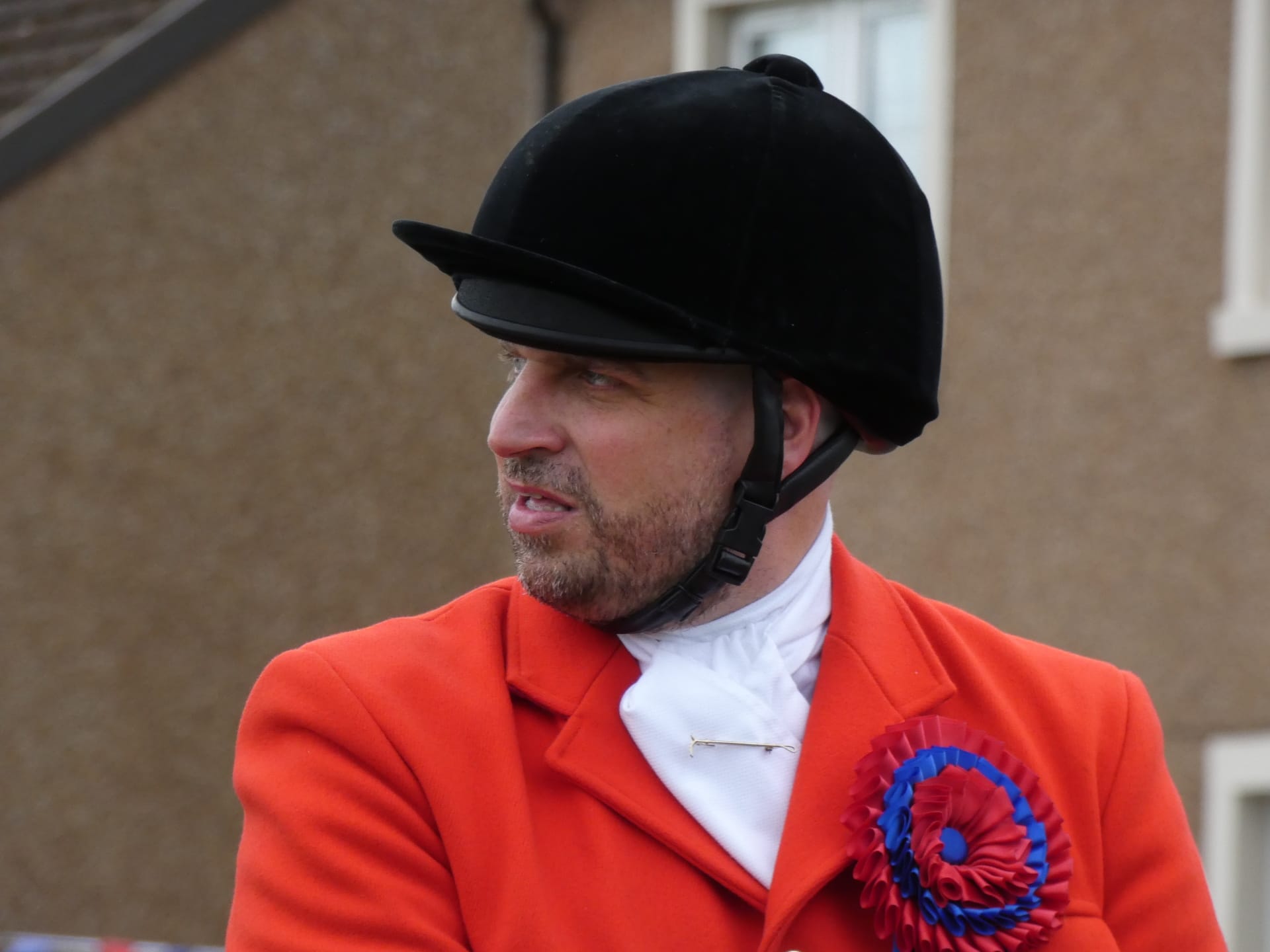
A crowd of common riders filled the space, their eyes cast downward, each gaze heavy with unspoken thoughts.
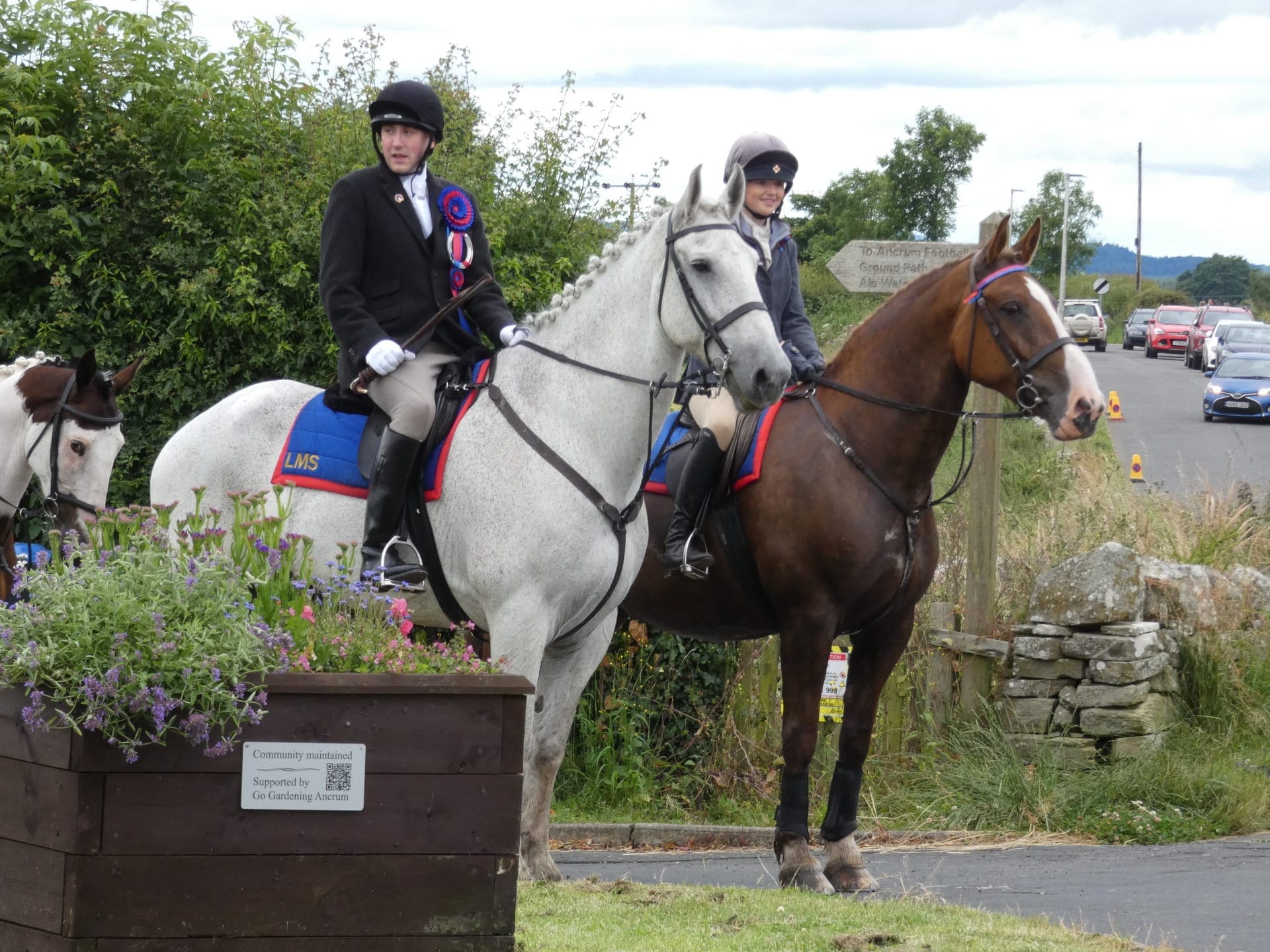
We didn’t expect to run into two people from Roberton on our way to Ancrum.
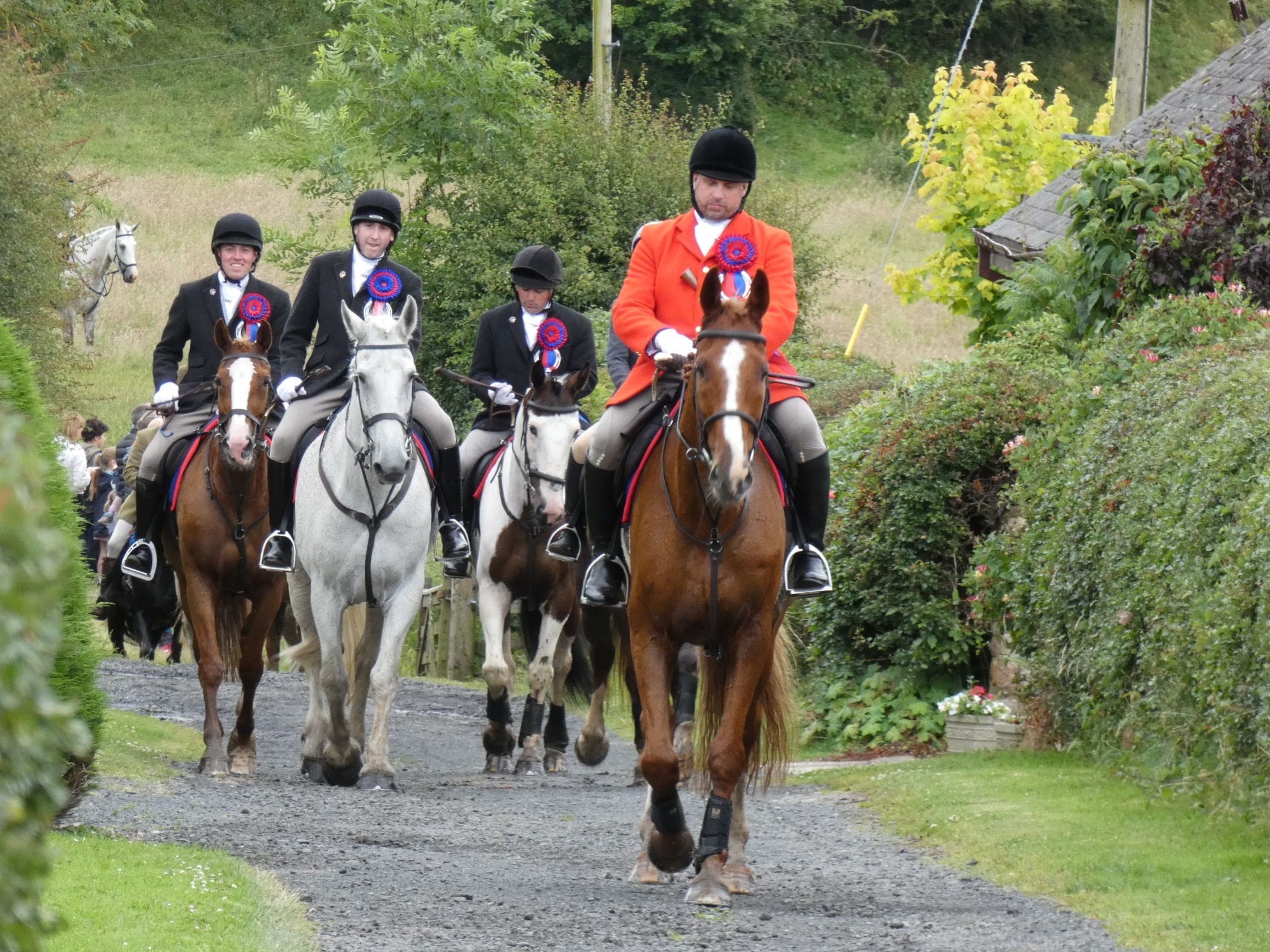
When the common riders reached the southern edge of Ancrum, the Jedburgh pipe band played an encore and people in the crowd watched and welcomed them.
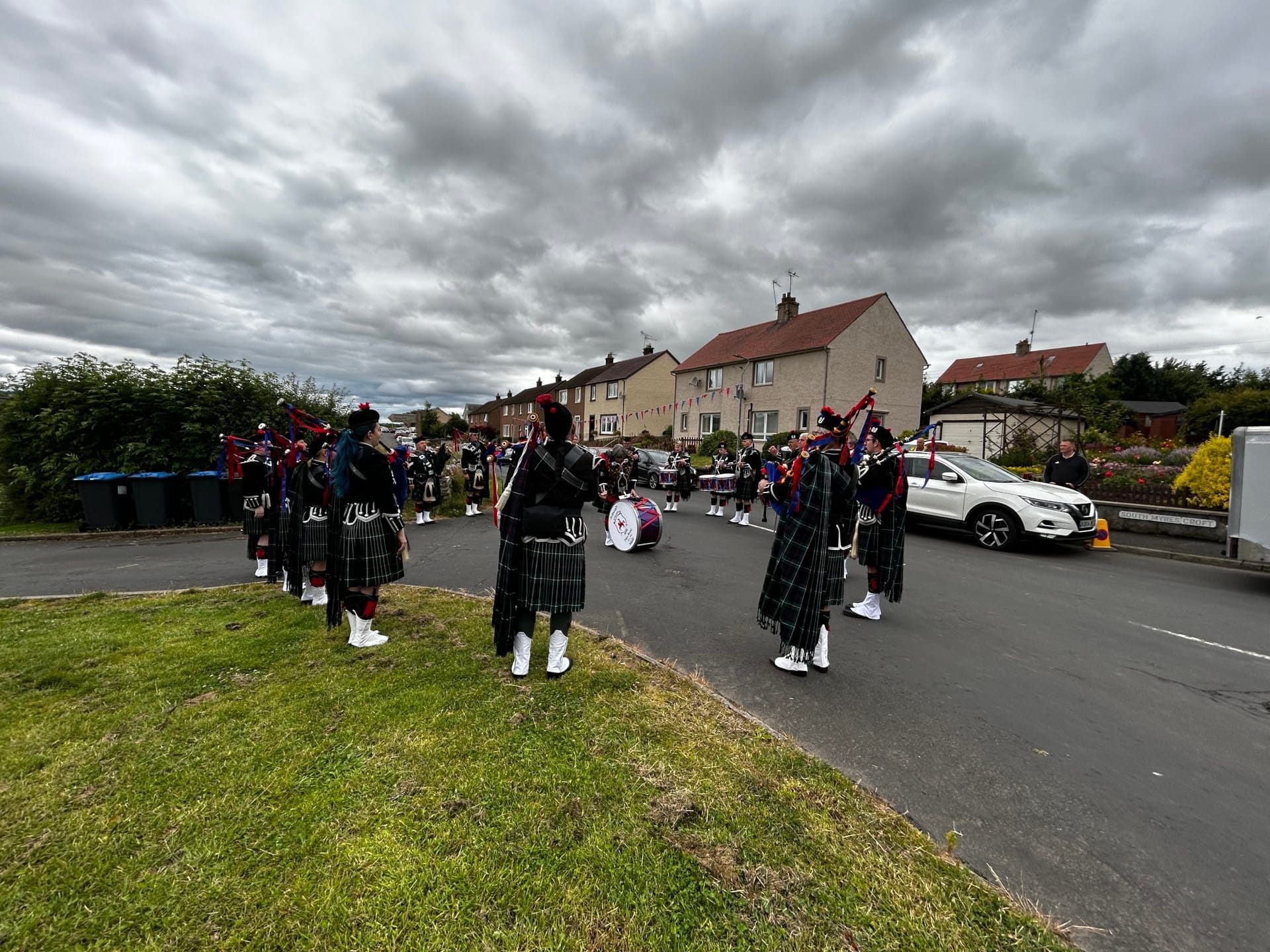
Later, a local bass band played for the event, performing outside the bar and across the green.
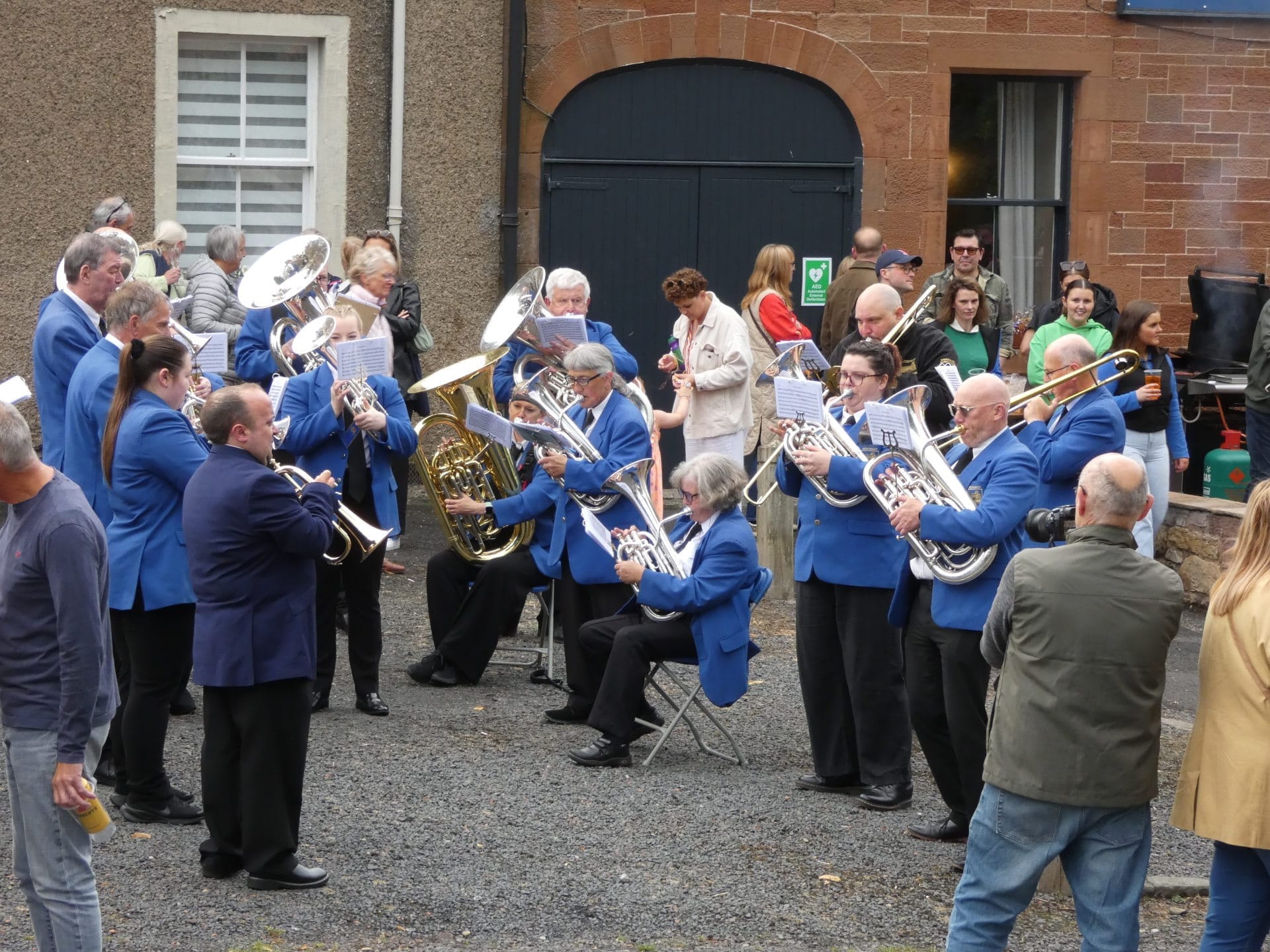
Brass bands always feel homely to me, no matter where they come from. I grew up in the North of England, and my family were miners, so maybe I see things through my own cultural lens.
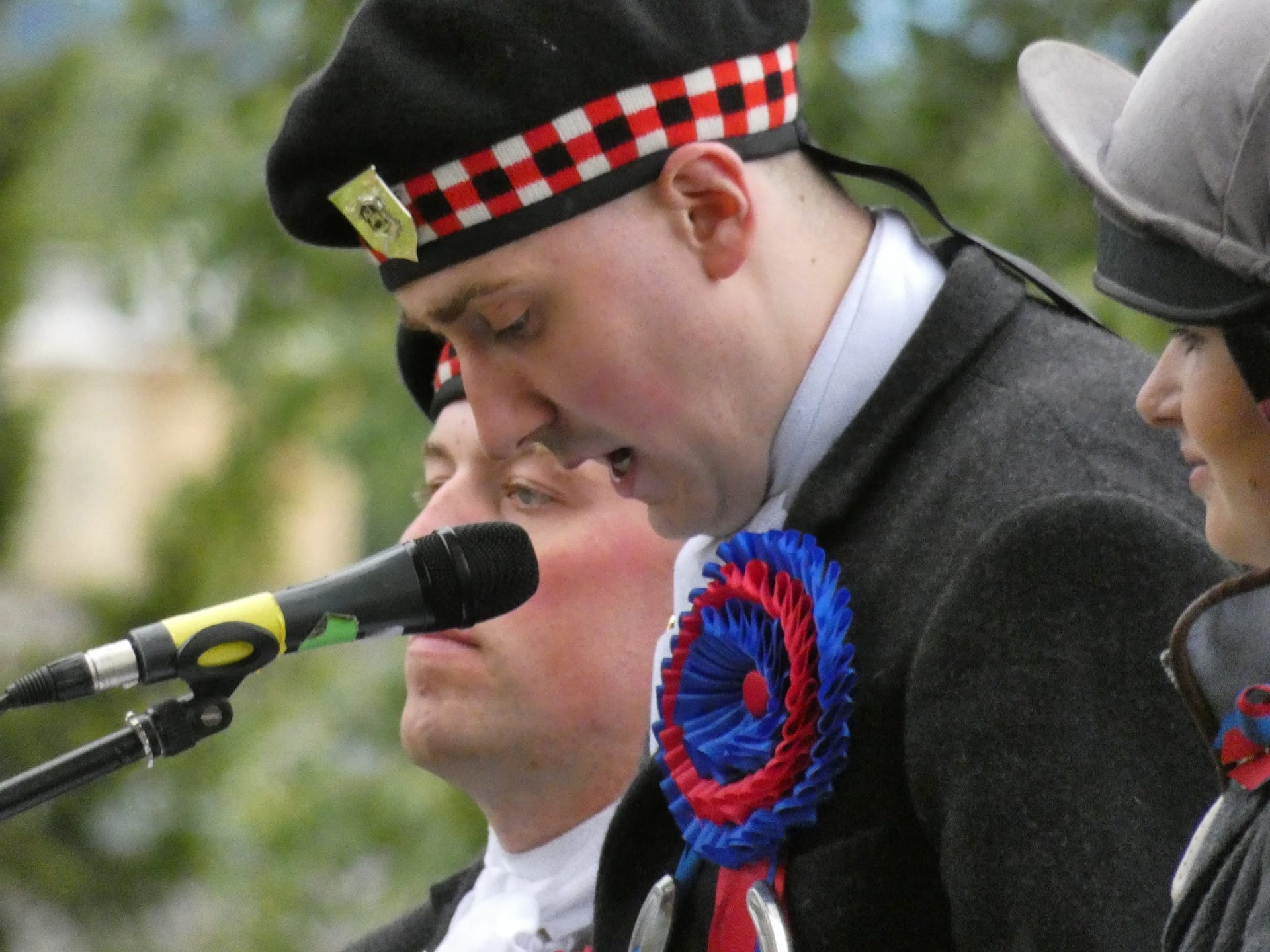
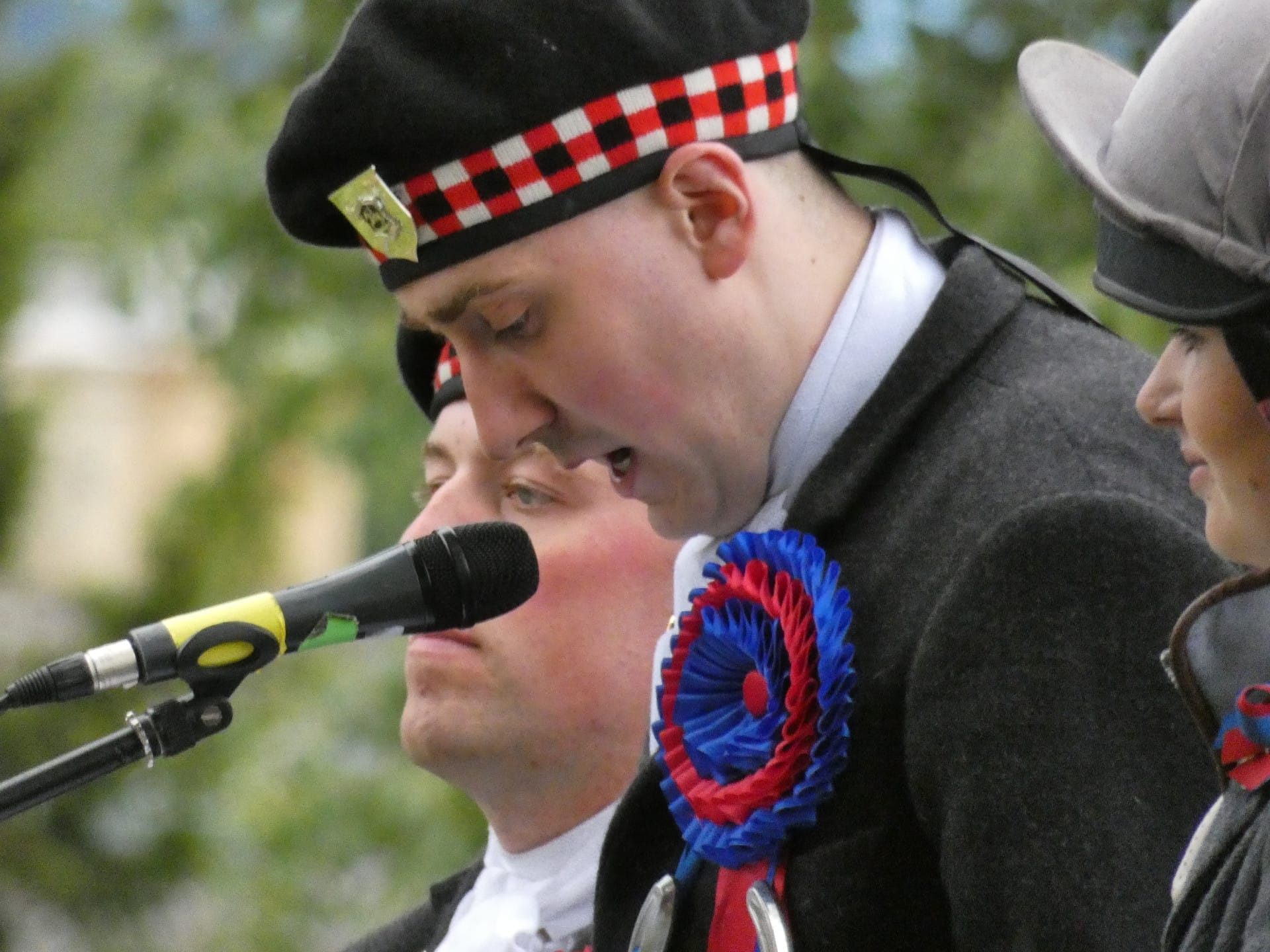
The young man couldn’t sing and had to read his lines from a piece of paper. He avoided eye contact with me and did everything he could to avoid any interaction. Still, he stood before the whole village and tried to show the importance of tradition to everyone.
I sensed some anti-English feelings, but the common riding visits places tied to local history. People remember past losses, reflect on violence, and find hope again. The conflicts were not just with the English; they also involved Scottish clans and Reivers, or robbers.
Yet between 1,500 and 4,000 English men died at Flodden defending England from an invasion; with King James IV of Scotland starting the conflict.
But..
It's the same old theme since 1514
In your head, in your head, they're still fighting.
What sets England apart from Scotland is that the English rarely nurse old wounds for generations or turn their grievances into a grand performance of resentment.