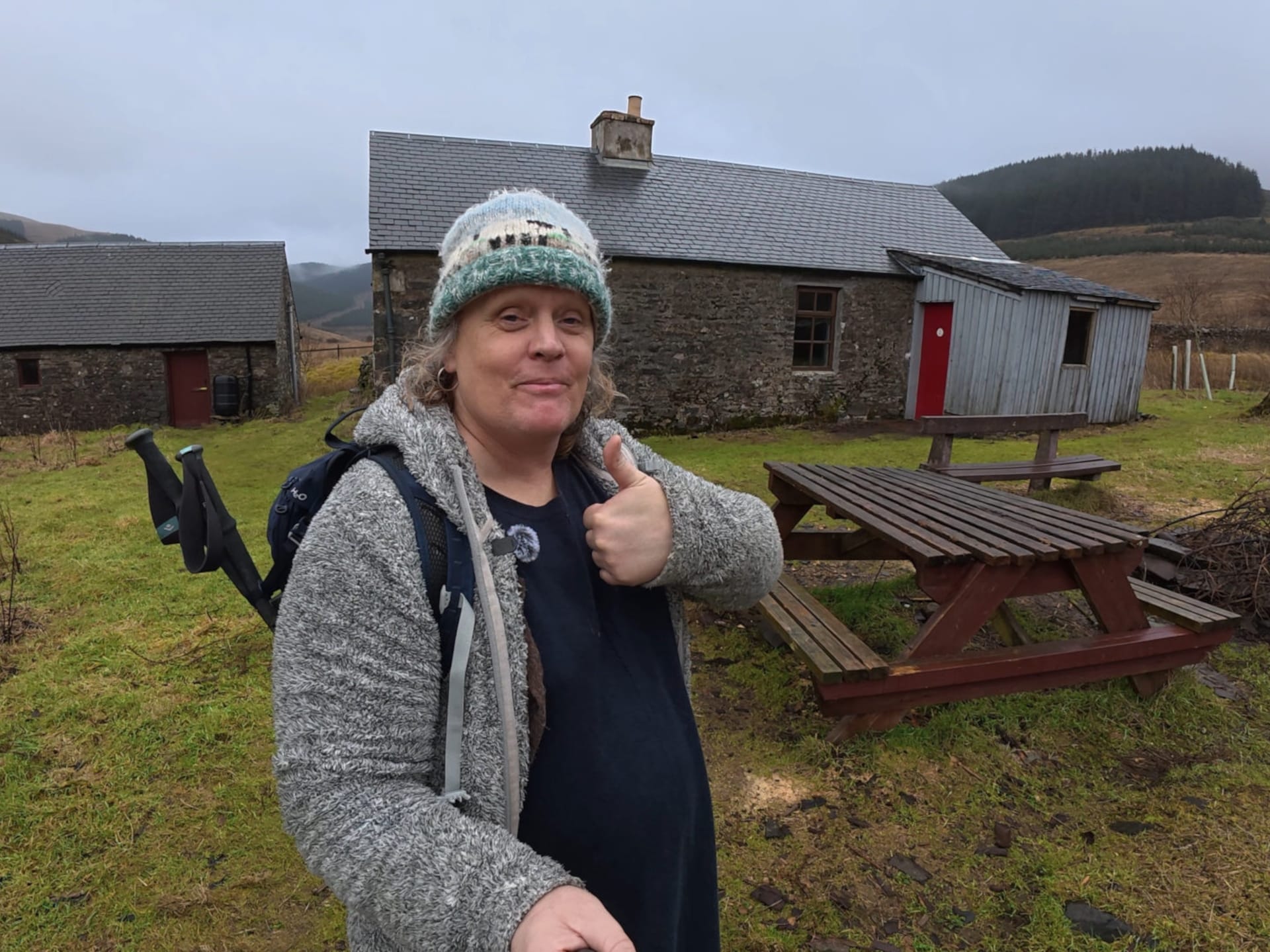
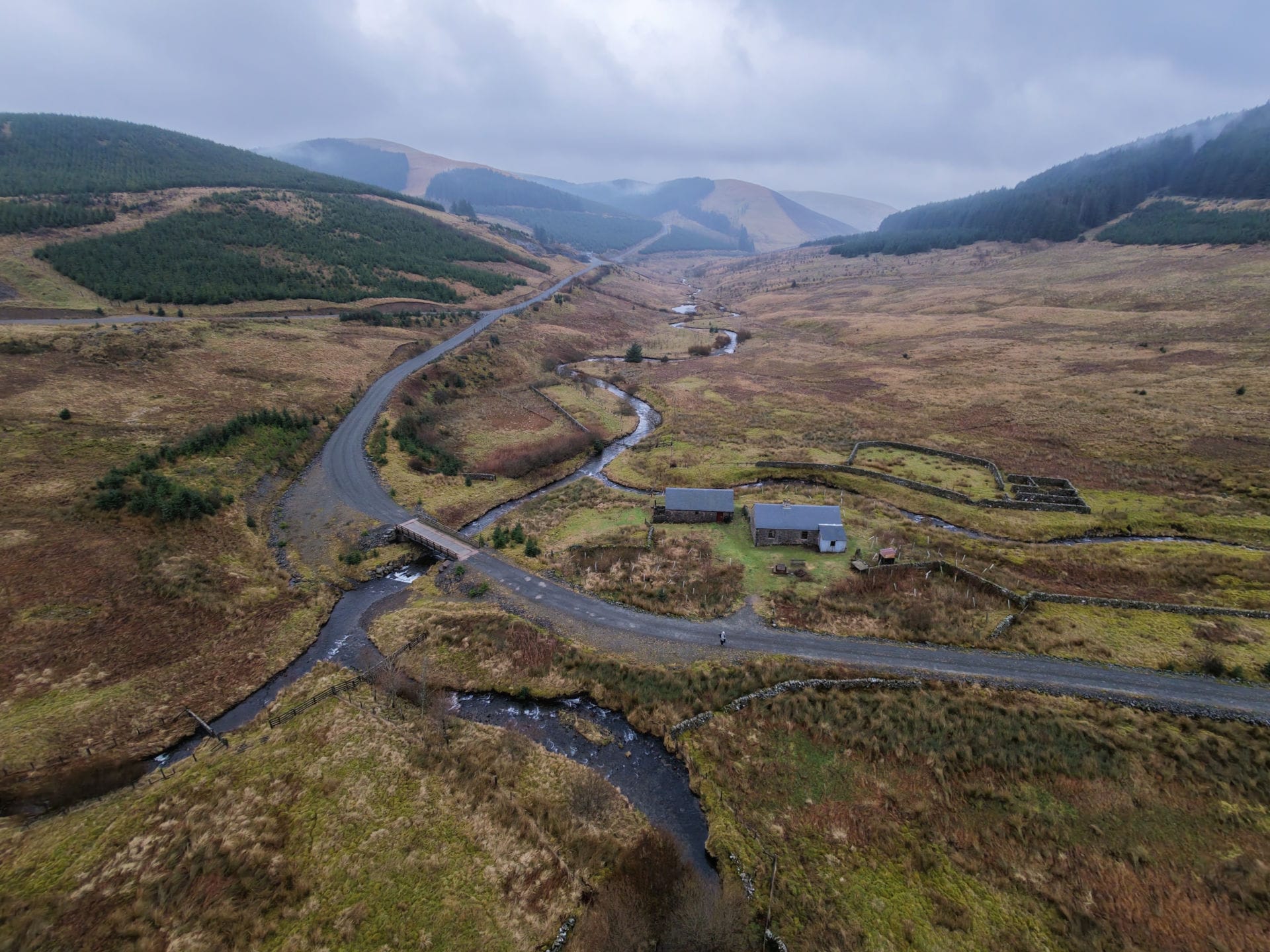
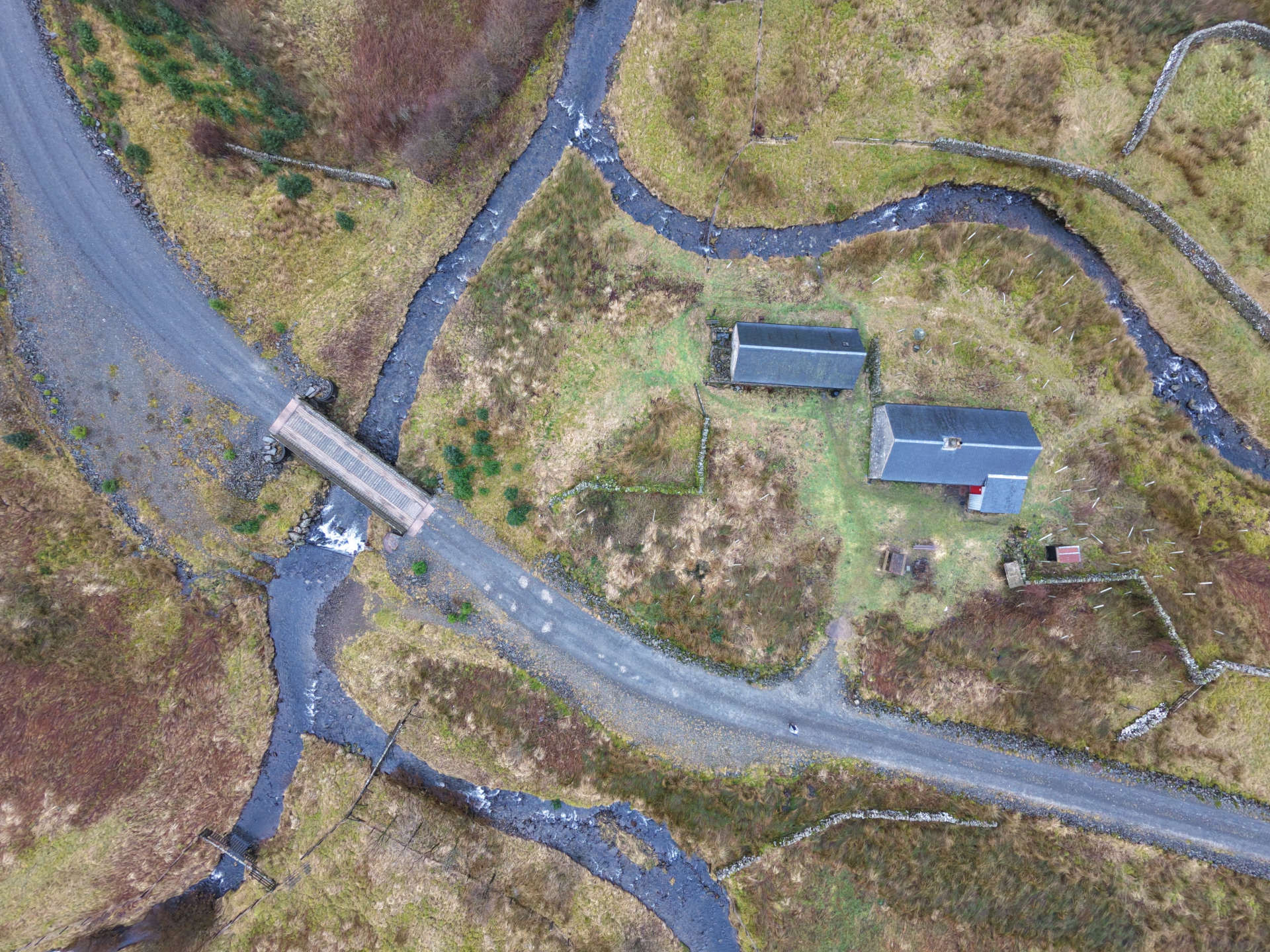
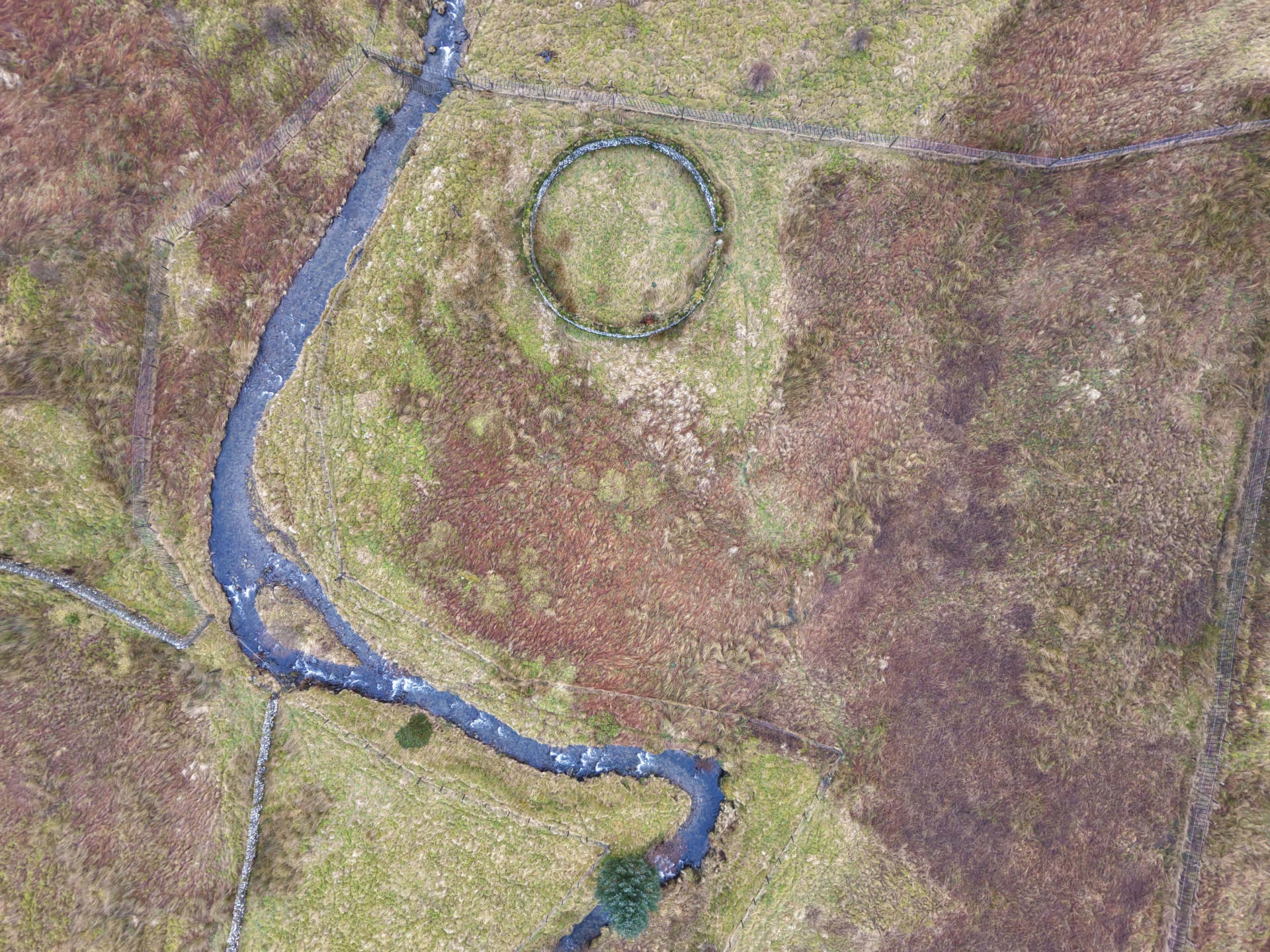
People believe that William Laidlaw and his wife Bessie Scott lived in this bothy in the early 18th century. The building may have been built before they moved in. The family likely lived here, keeping a horse and a milking cow in the building next door.
William, better known as Will o’Phaup, was a shepherd, a storyteller, an athlete, and a drinker. He was famous for his speed and was never beaten in a race—except for one time when he showed up unprepared, lost his trousers, and still won, cheered on by the ladies. He preferred smuggled brandy over whiskey. People say he was the last person in the area to speak with fairies.
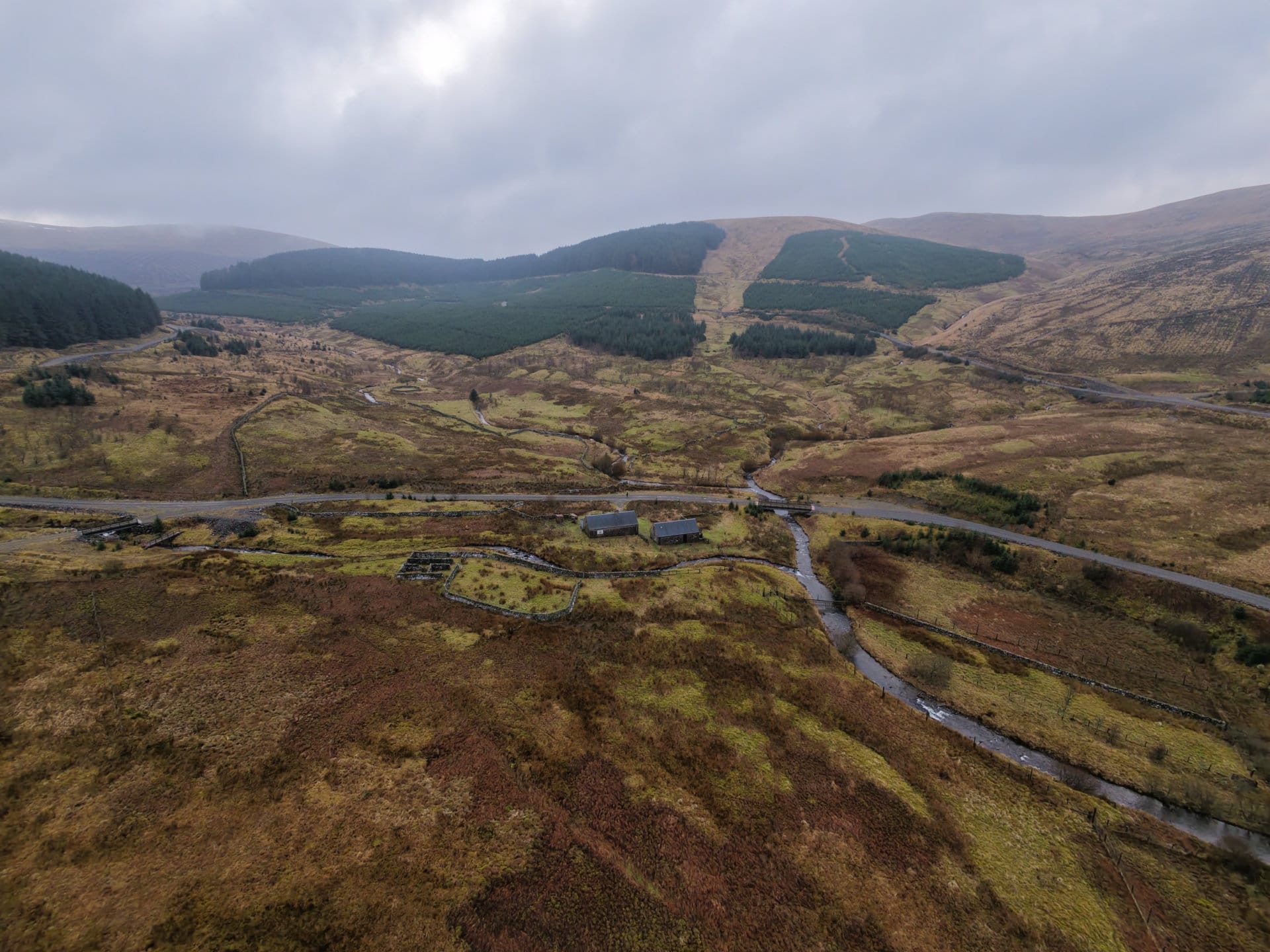
His talent for storytelling seems to have been passed down, as two of his descendants, James Hogg and Alice Munro, became internationally renowned writers. James later described this area as “one of the most lonely and dismal situations that ever was the dwelling of human creatures” and wondered “how such a man could live so long, and rear so numerous and respectable a family” here.
Will died in 1778, aged about 87, and he is buried in Ettrick Kirkyard. His gravestone says “for feats of frolic, strength and agility, he had no equal in his day”.
Margaret Laidlaw, the daughter of Will and Bessie and mother of James, was born here in 1730. People have called her a “tradition-bearer.” She shared stories and sang songs about “spectres, ghosts, fairies, brownies,” all of which she claimed to have seen during her life. Walter Scott visited her while collecting Border ballads, but she later scolded him for publishing and spoiling them.
Alice Munro (born Laidlaw) is widely regarded as one of the world’s greatest storytellers. She was born in Canada in 1931. In 2009, she received the Man Booker International Prize, which is awarded every two years to a living author for a body of work in English. In 2013, she was awarded the Nobel Prize in Literature for being a “master of the contemporary short story”. Alice is a direct descendant of Will and Bessie through their son Robert, and is also a ‘collateral descendant’ of James. Robert’s family later moved to Canada, a journey Alice describes in her book The View from Castle Rock, which was also adapted for the stage.
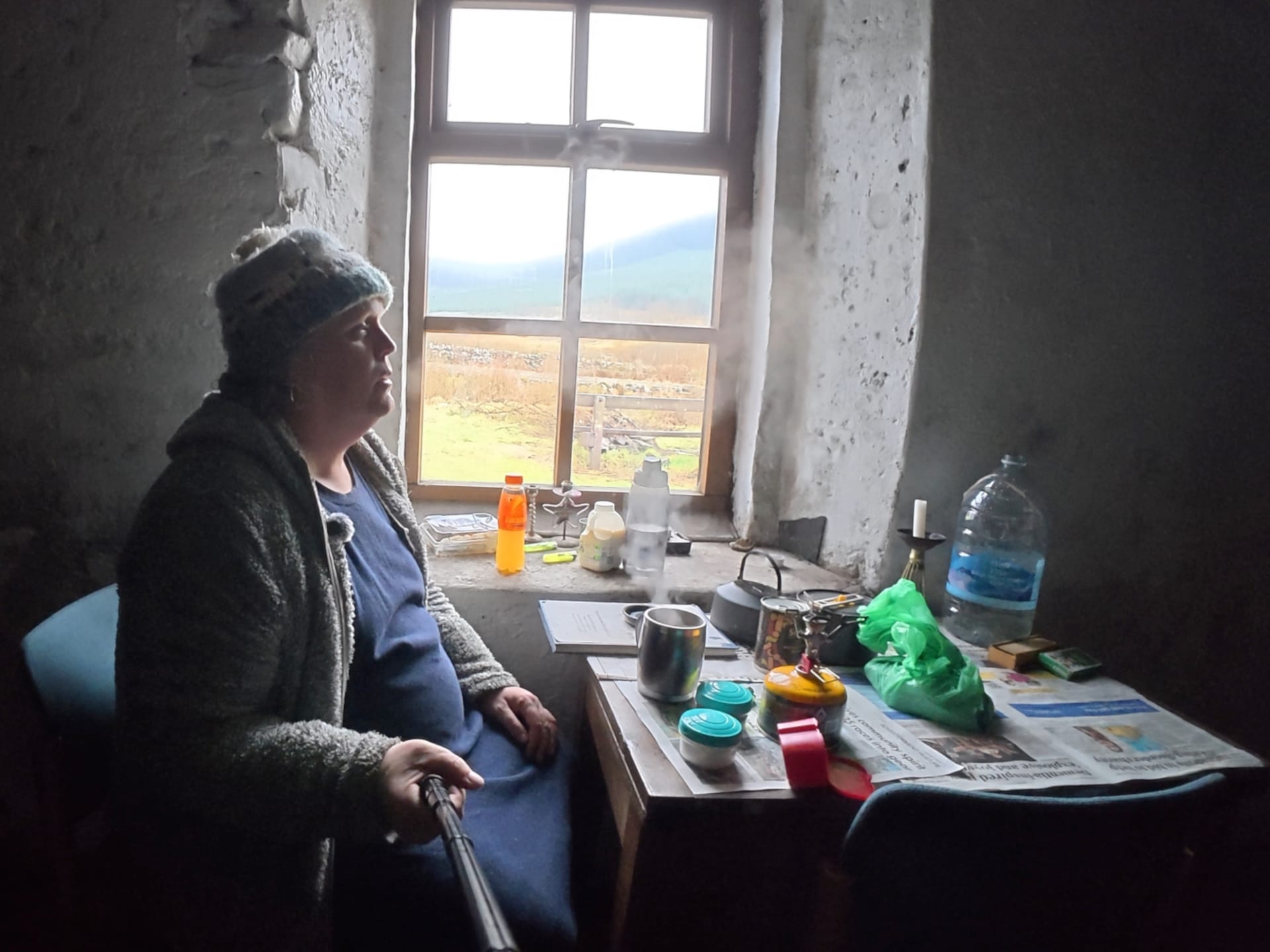
Alice has spoken with pride about her ancestry and her connections to the Ettrick Valley and to James Hogg. She once told a researcher that she was very interested in his writing, which the researcher took to mean she had read all of his work. Alice also visited the Ettrick Valley, and her editor, Douglas Gibson, wrote about this bothy in Stories about Storytellers. Alice once called James a liar, but she also described herself that way, saying that’s what fiction is. Interestingly, researchers in Scotland and Canada have noticed similarities in their writing. Both writers unsettle their readers, avoid easy answers, reveal information instead of telling readers what to think, and share an interest in confessions and sinners.
Alice passed away in 2024. Her stories will continue to be read. The Atlantic Monthly once called her “the living writer most likely to be read in a hundred years’ time”.