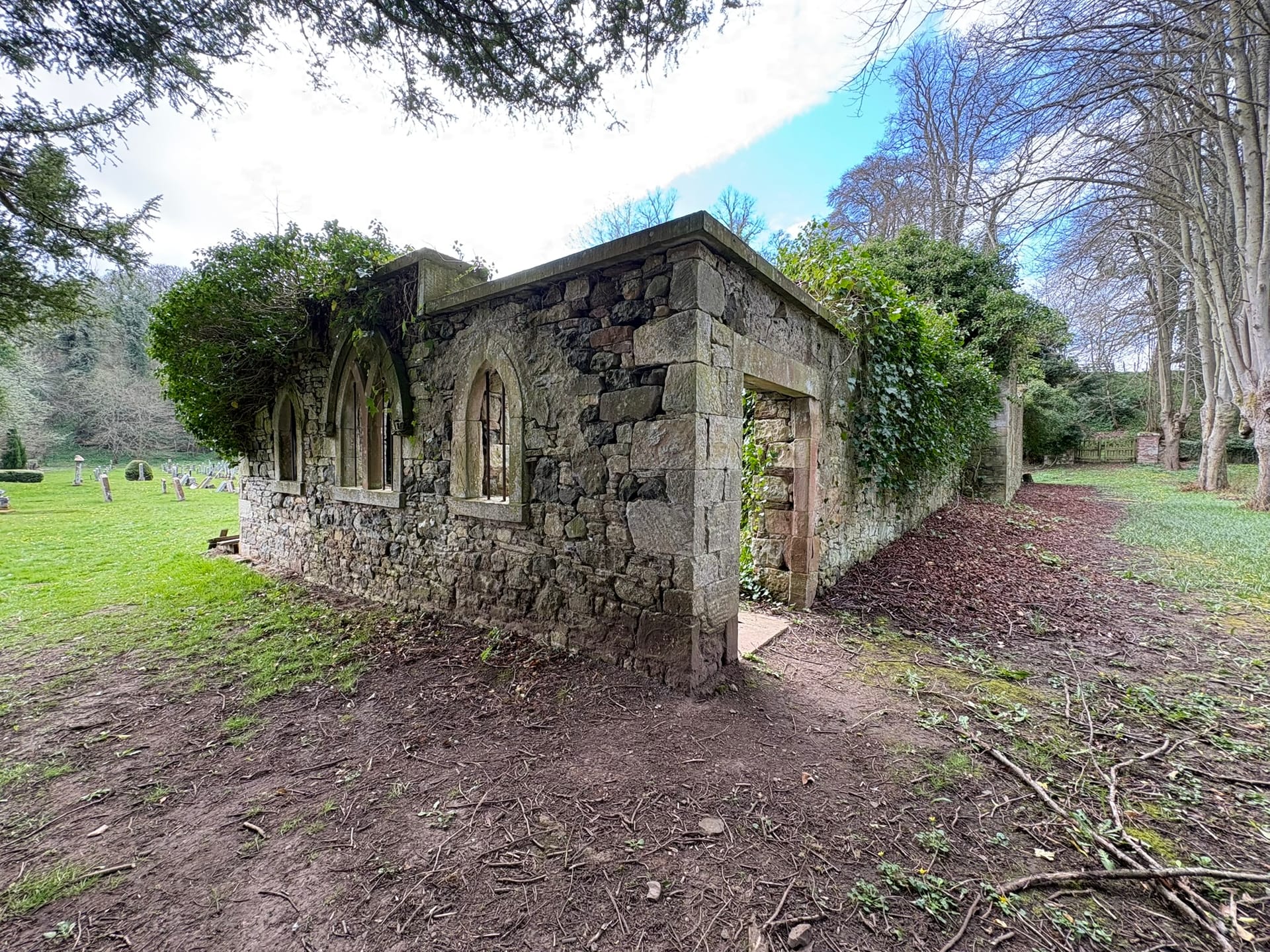
Ancrum Old Parish Church traces its roots to 1136, when David I of Scotland founded a monastic settlement that would become a vital part of the Diocese of Glasgow. Over the centuries, the church stood as a spiritual hub, closely linked to the Bishop of Glasgow.
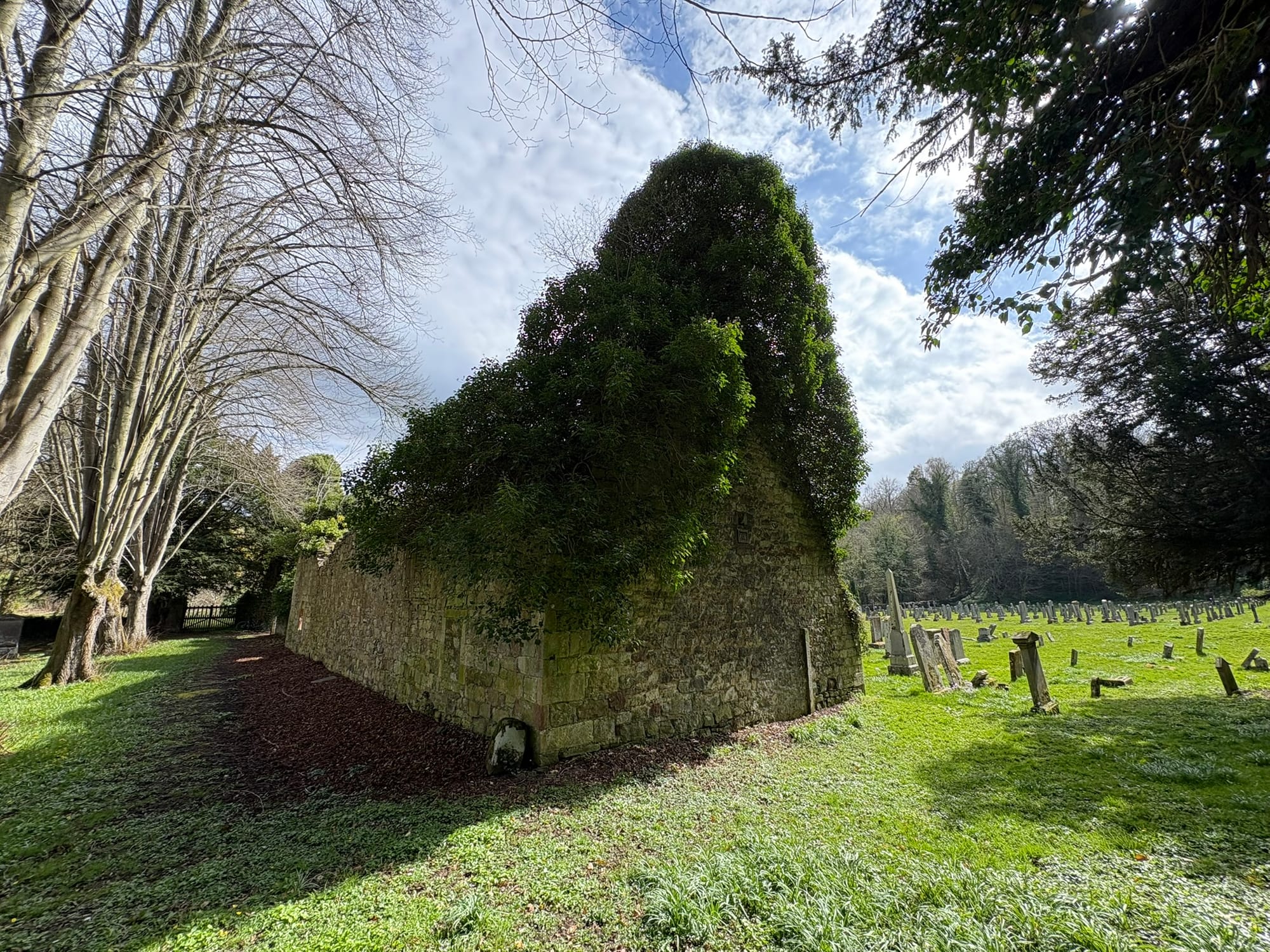
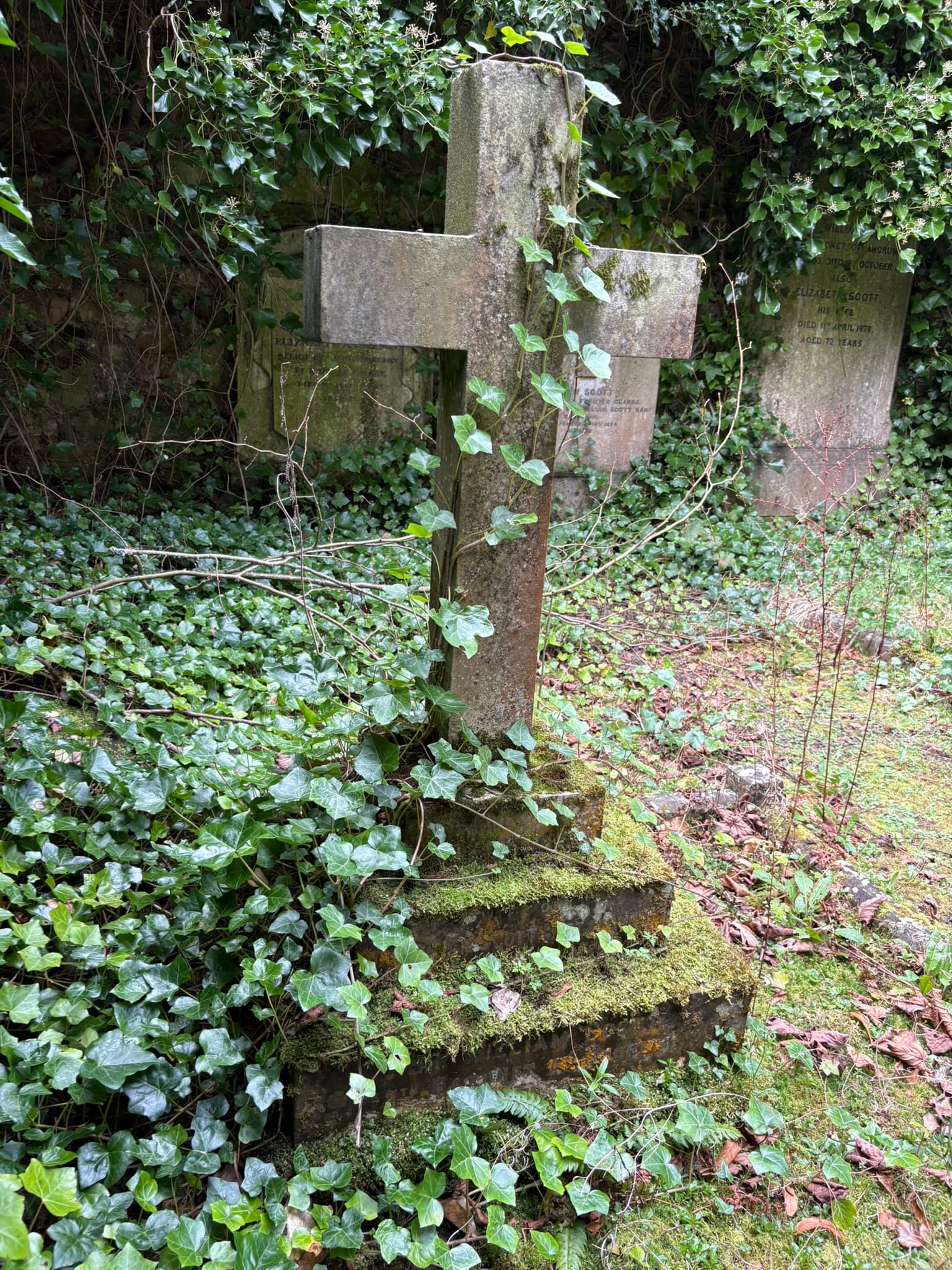
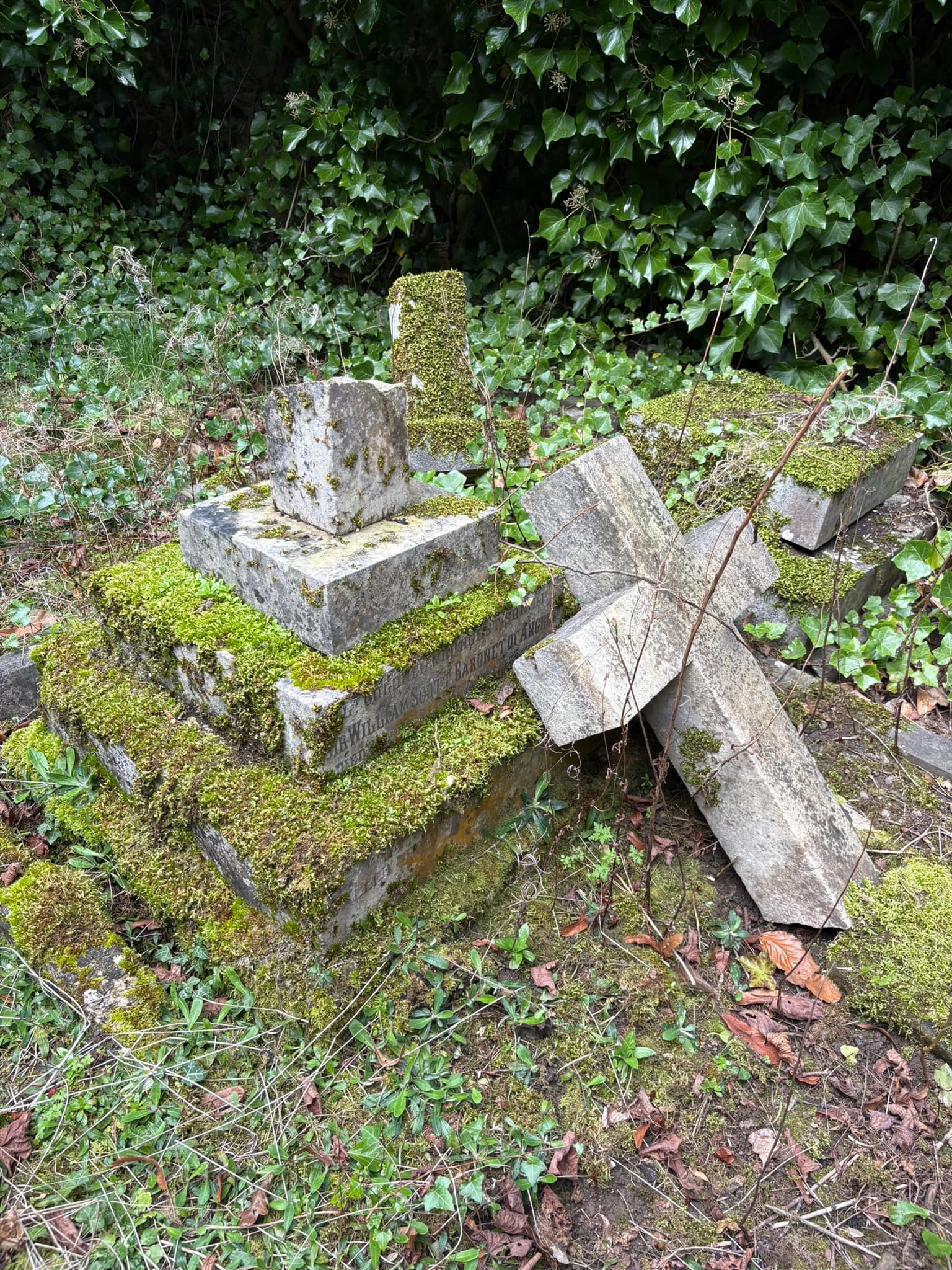
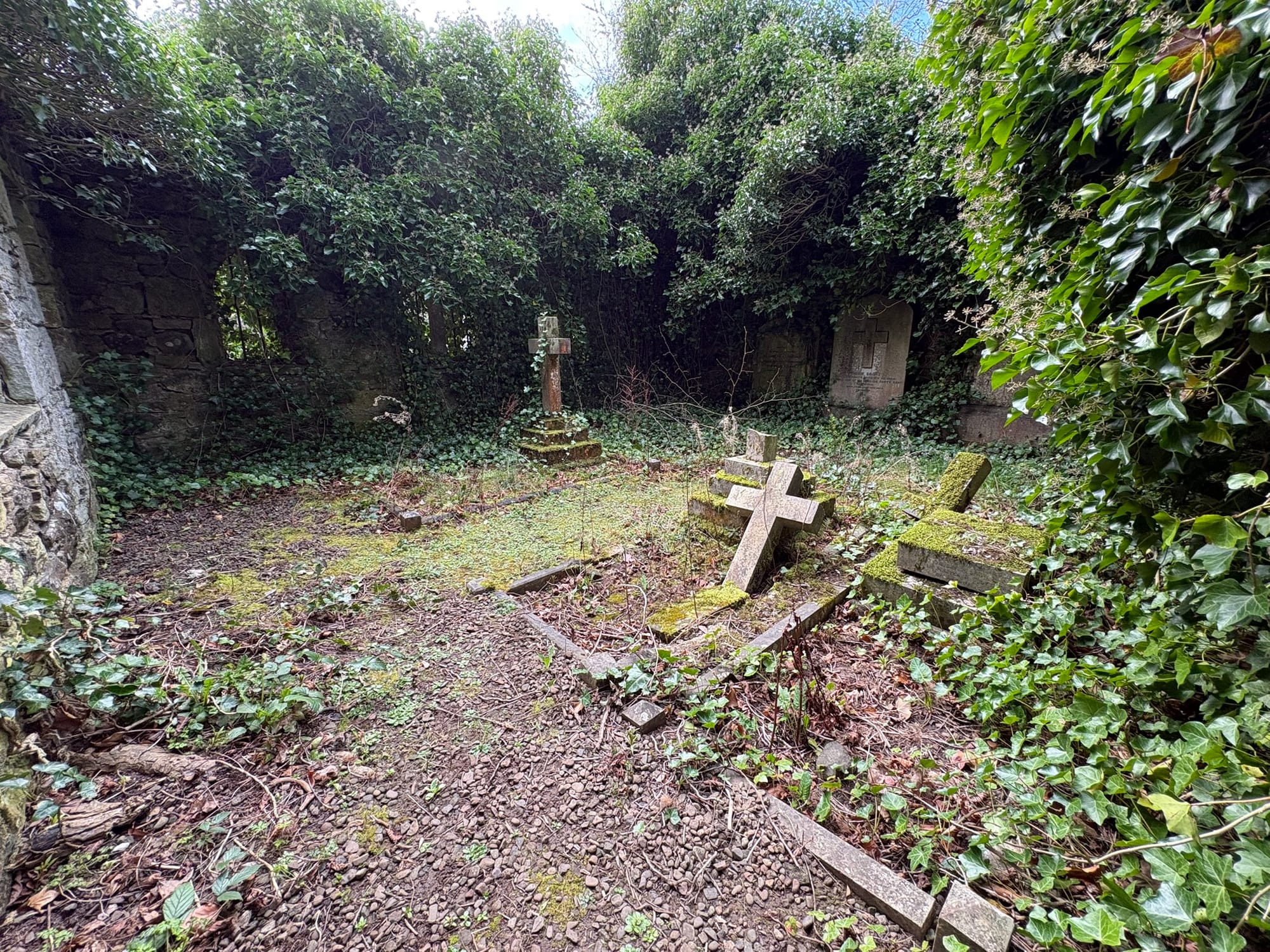
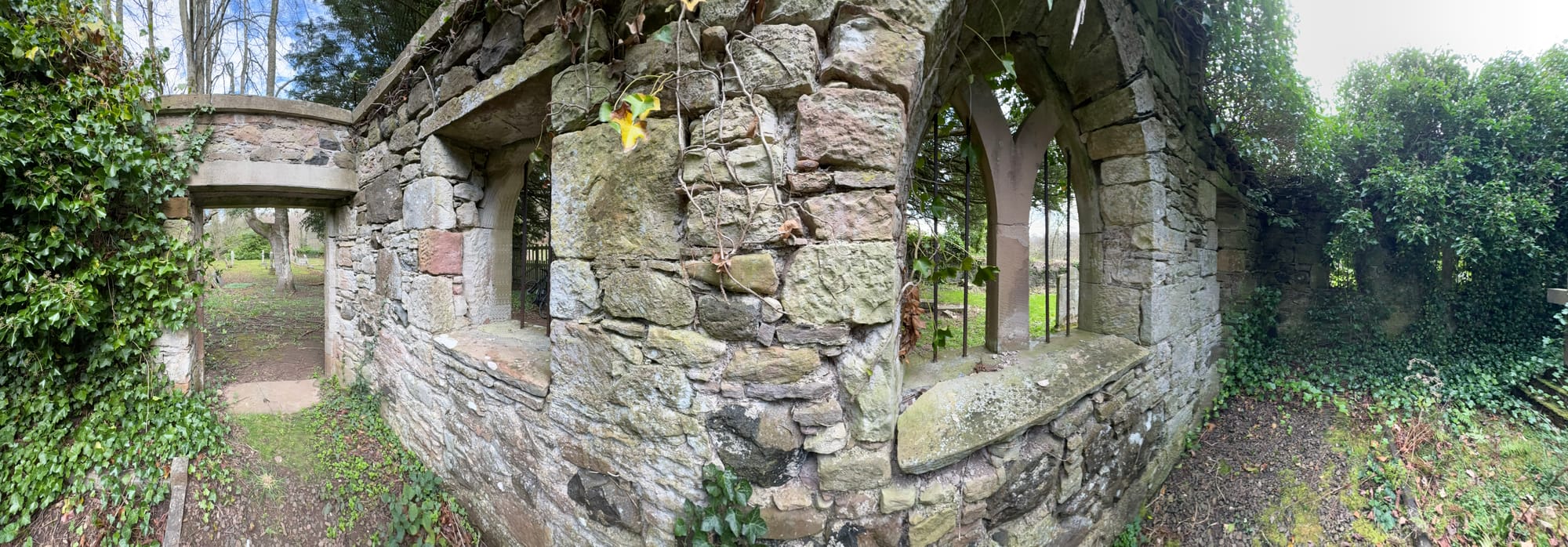
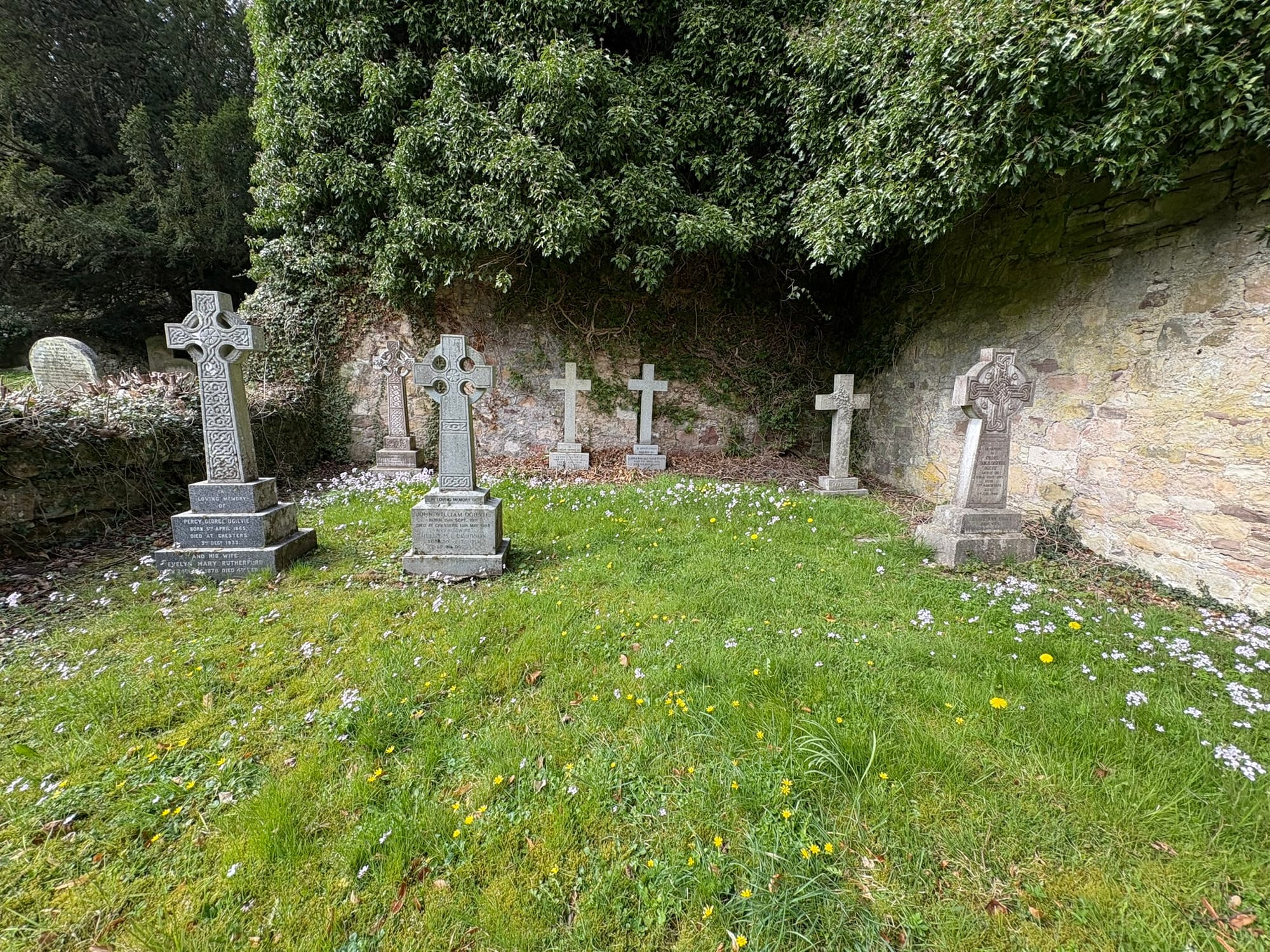
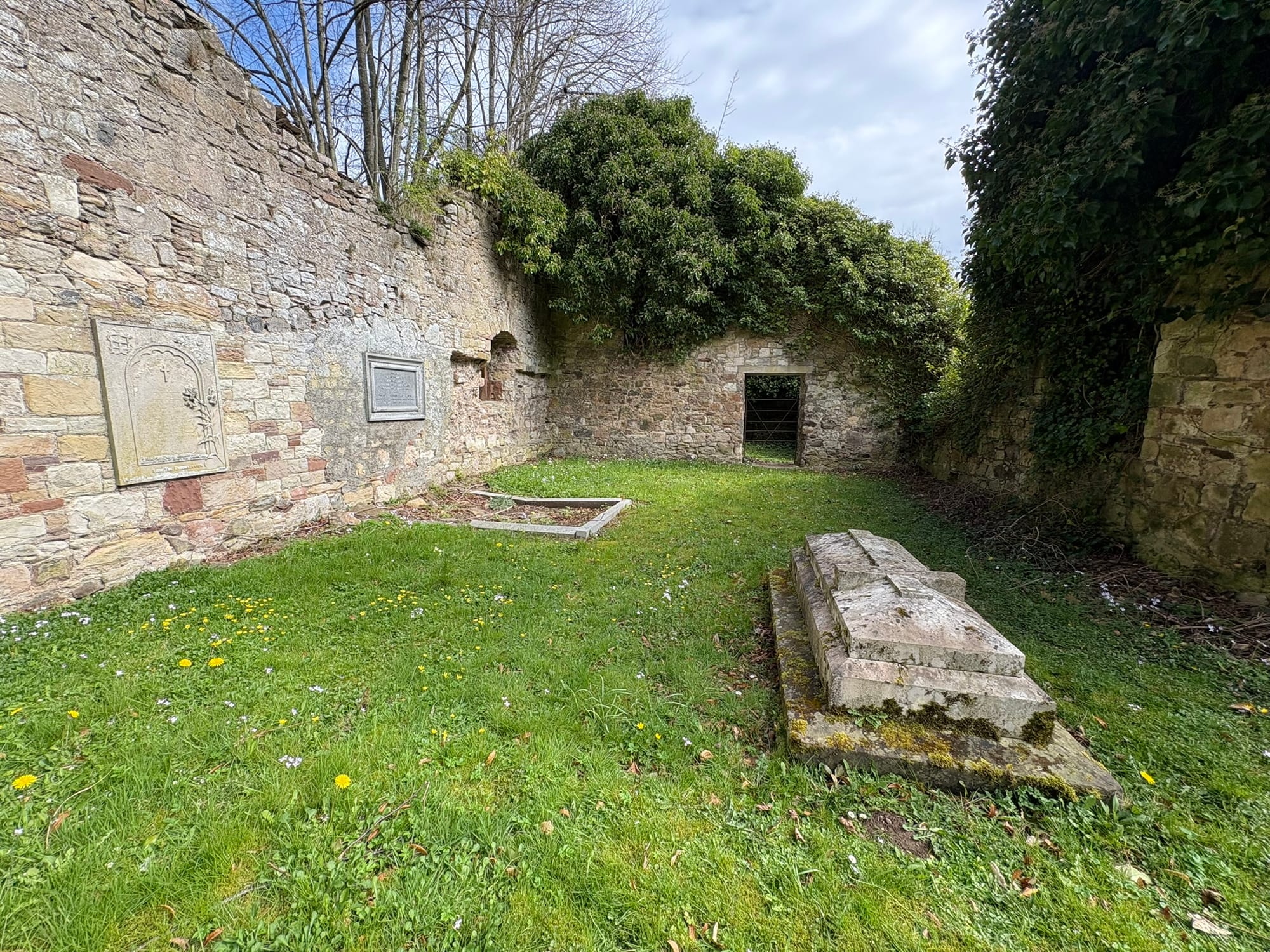
After the 1560 Reformation, it transitioned from Roman Catholicism to Presbyterianism, joining the Church of Scotland. In 1762, the original buildings gave way to a new church, which thoughtfully preserved a piece of the ancient aisle, connecting past and present.
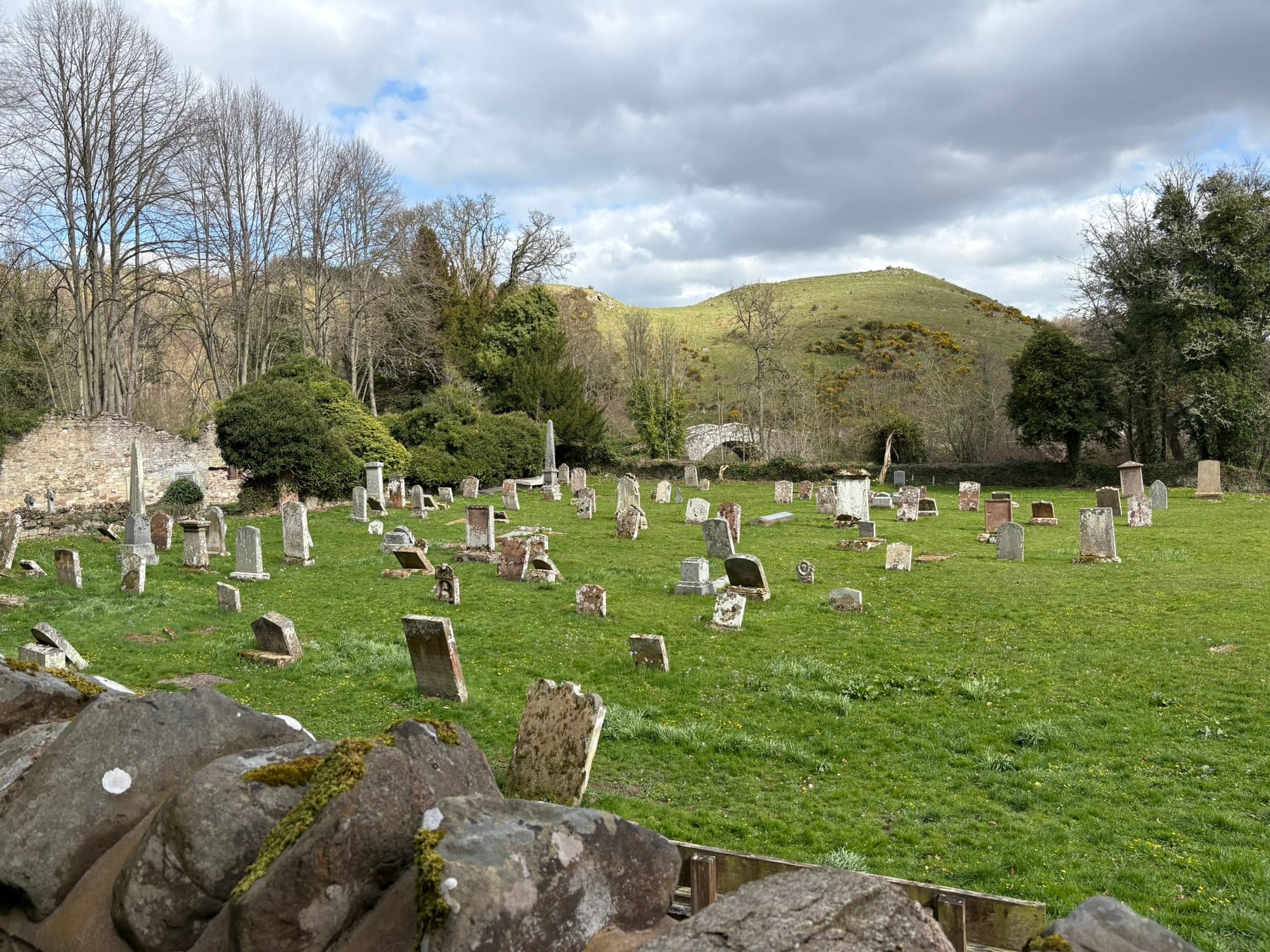
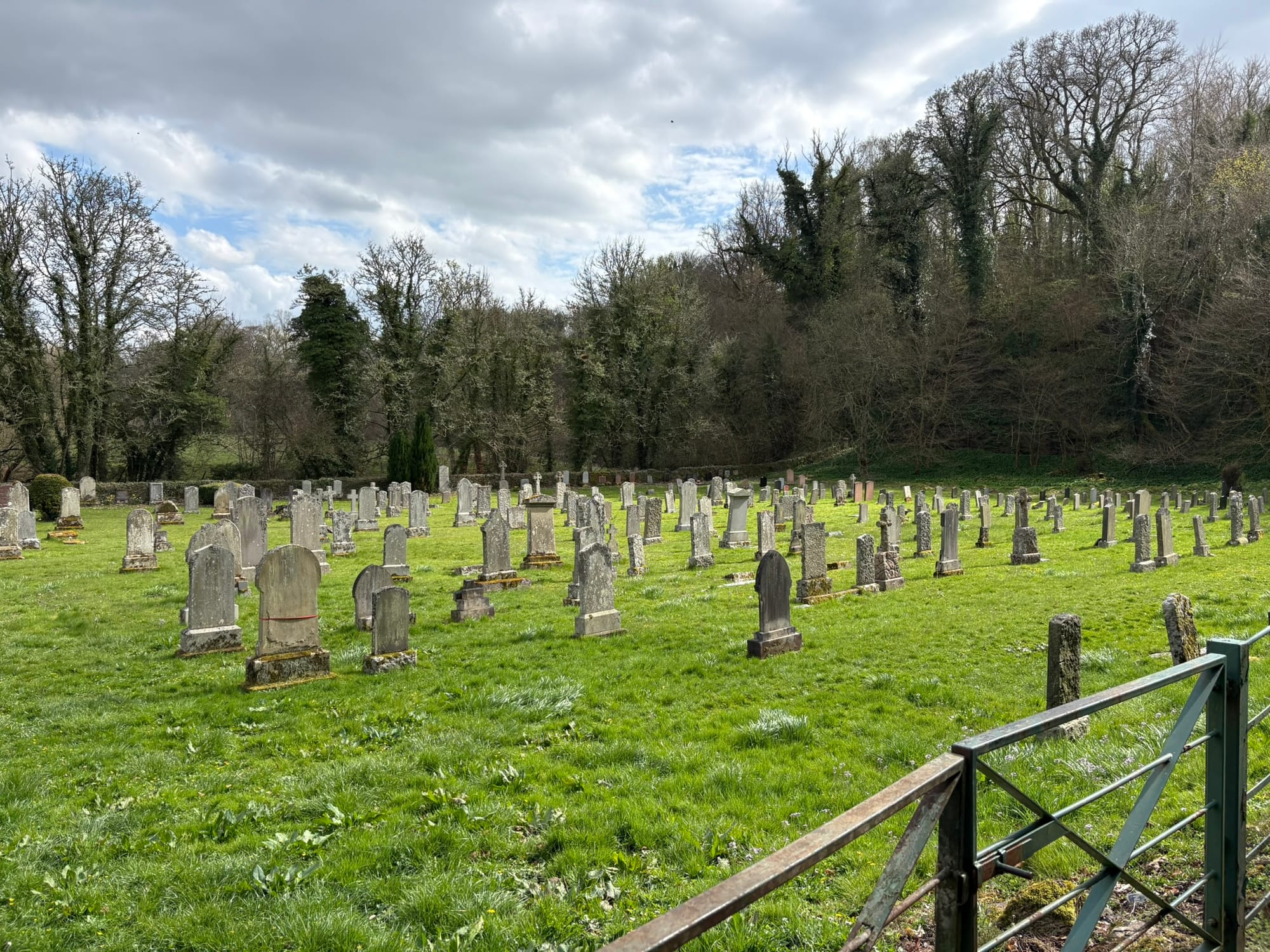
The Ancrum Hogback Stone rises from the ancient churchyard of Ancrum, a bold survivor from the early 12th century near Jedburgh in the Scottish Borders.
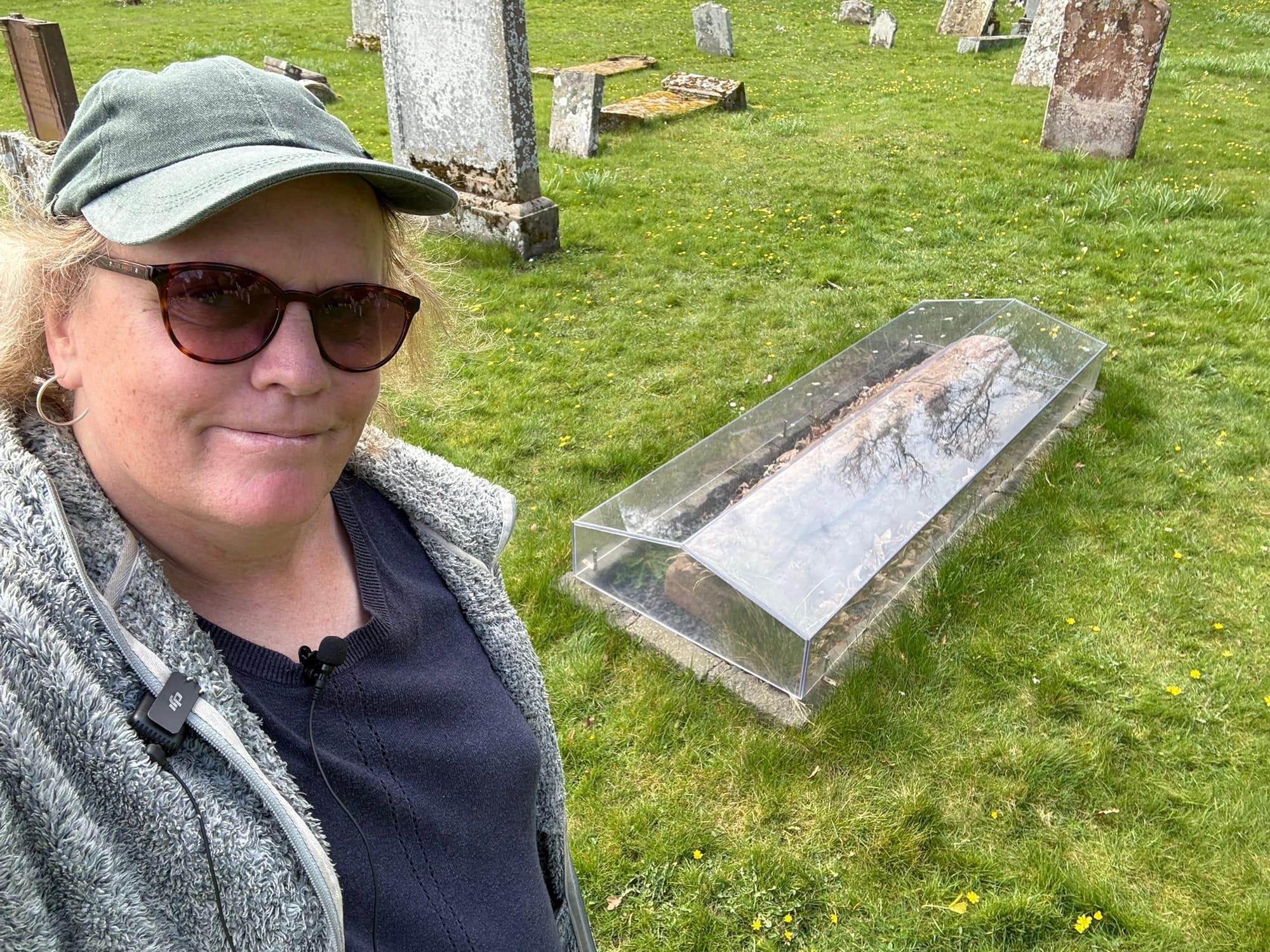
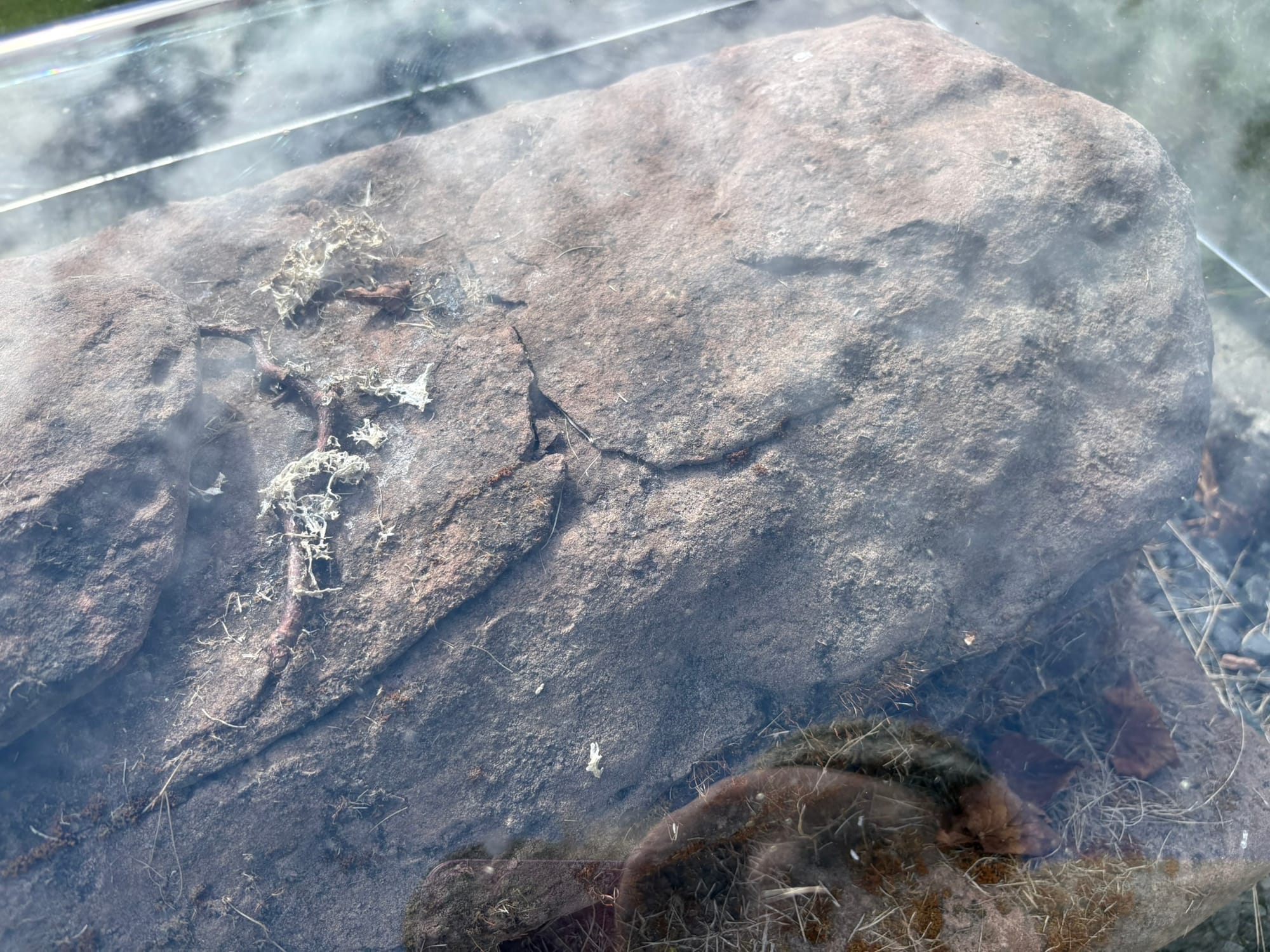
Though hogbacks had faded from fashion by the 11th century, these recumbent monuments, with their arched ridges and outward-curving sides, still captivate.
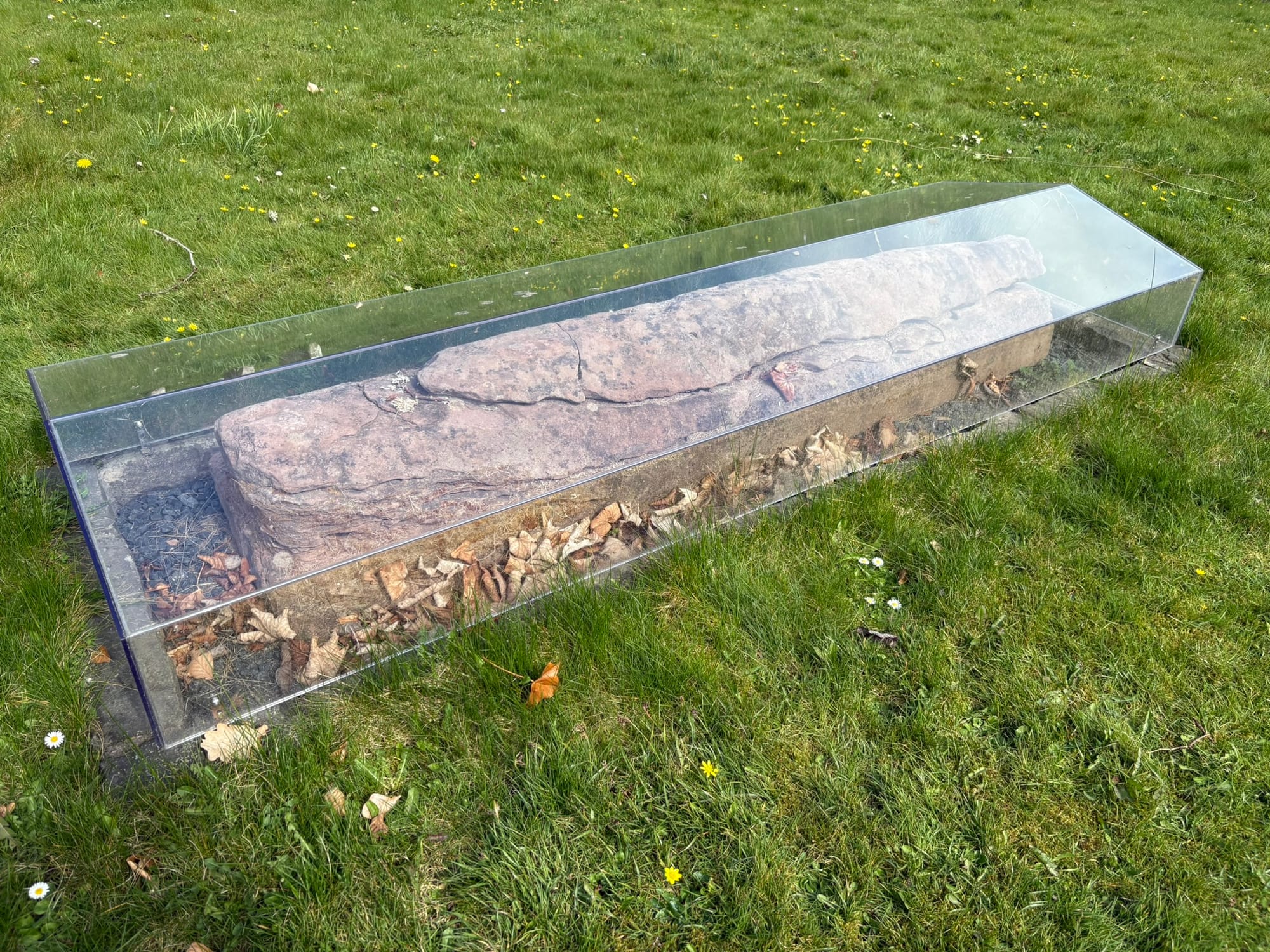
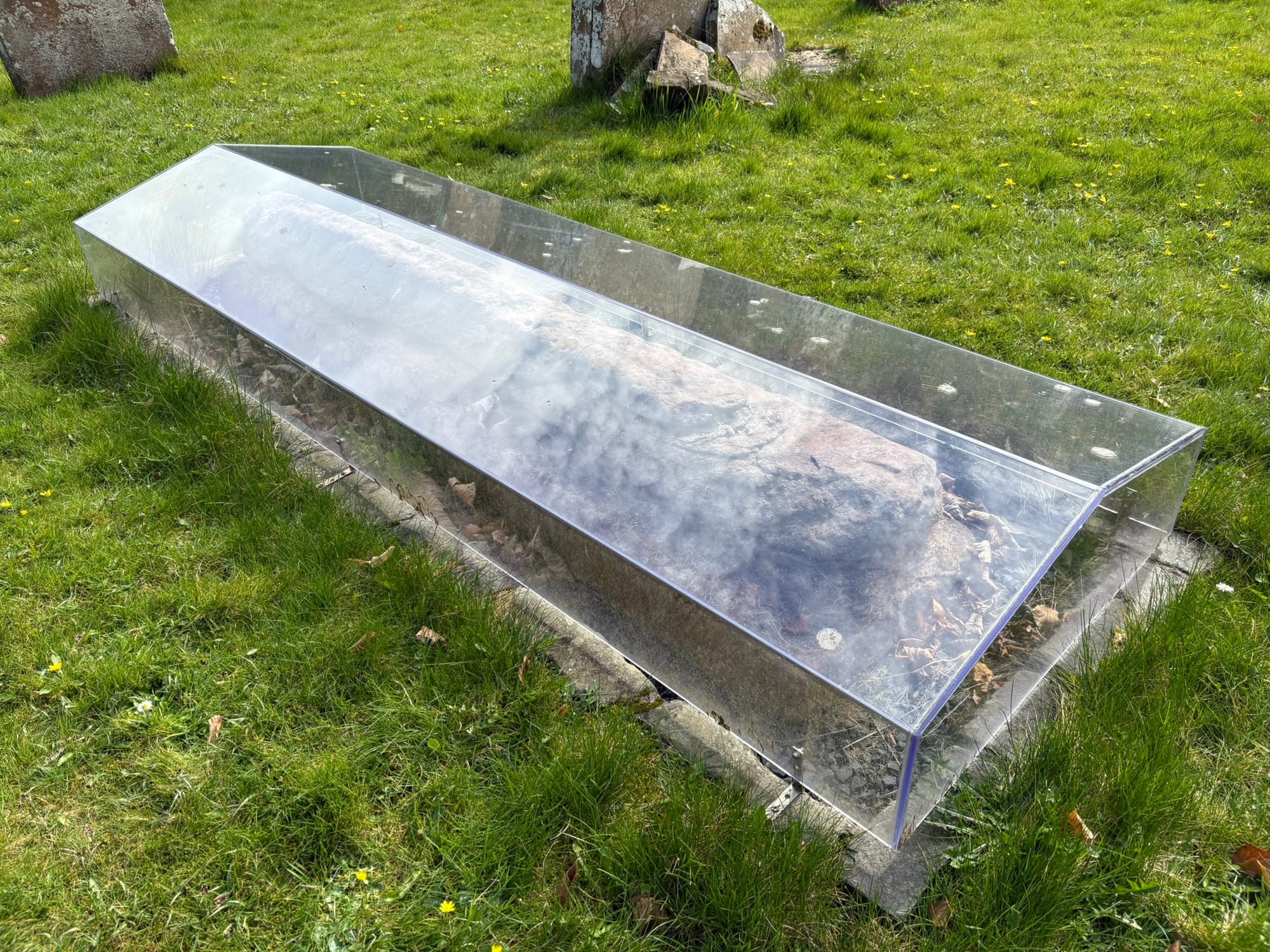
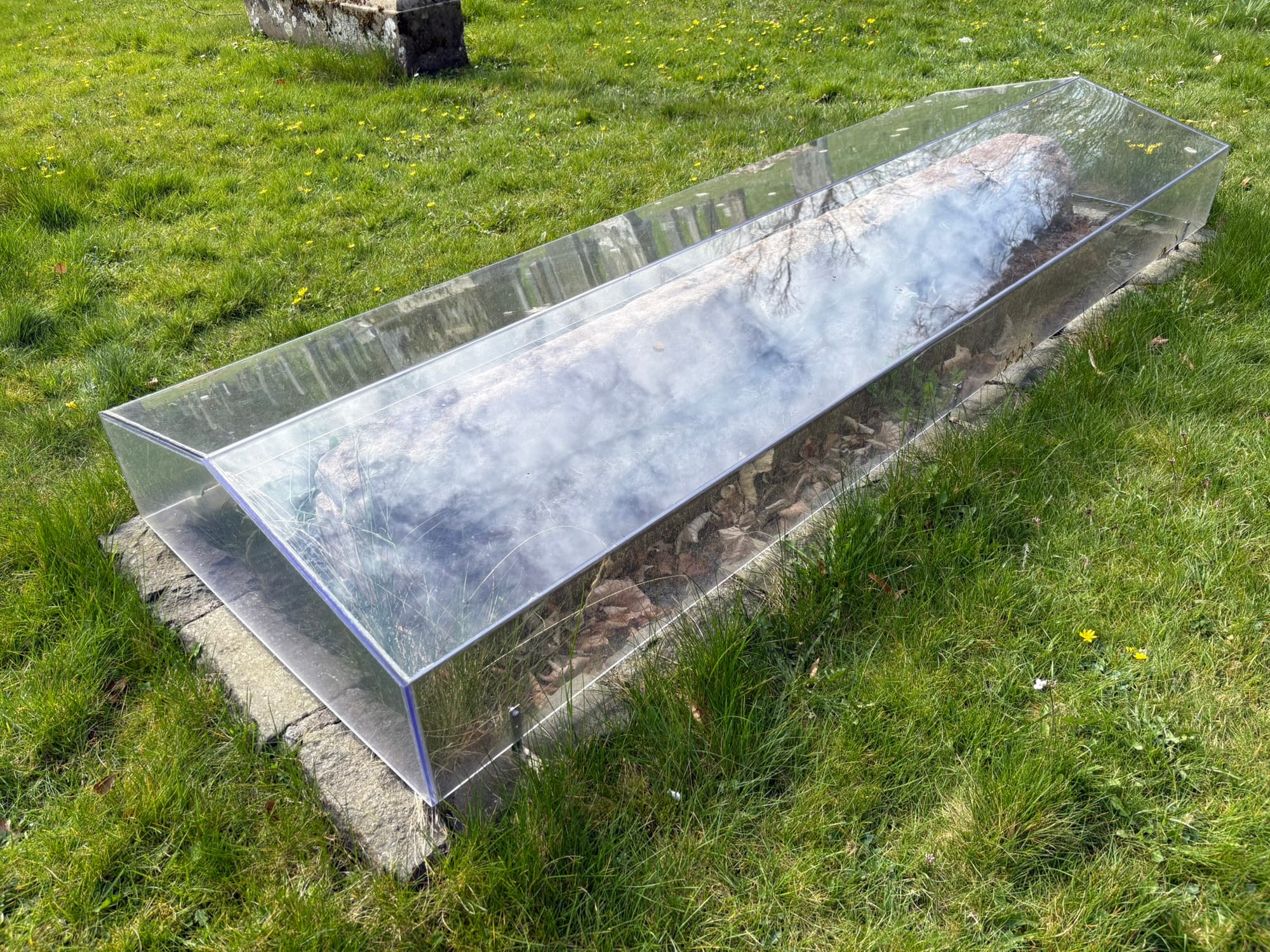
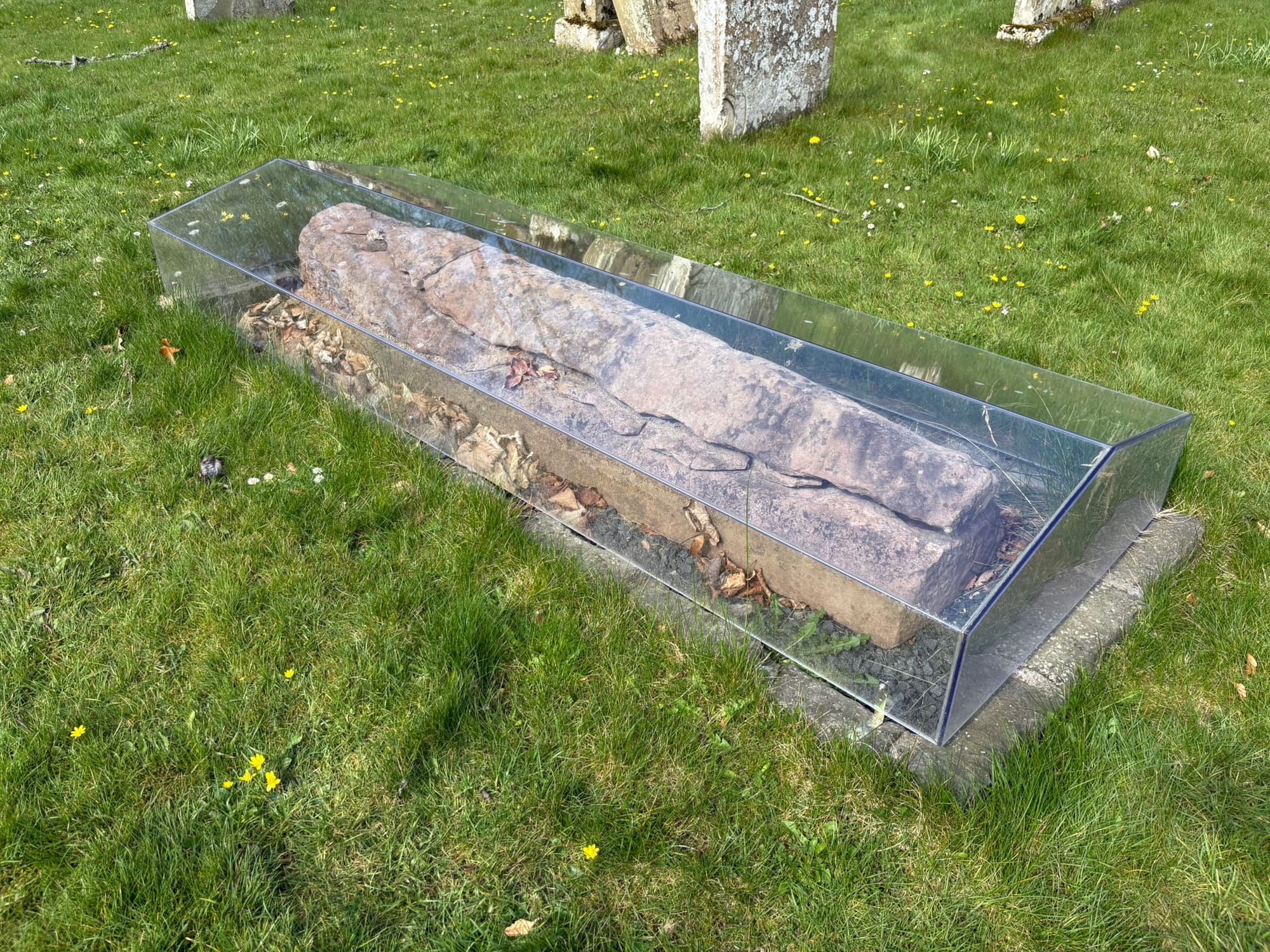
Their form and the carved 'shingles' along the central ridge transform them into stylised 'houses' for the departed, echoing the Scandinavian longhouses and the legendary mead halls of Valhalla.
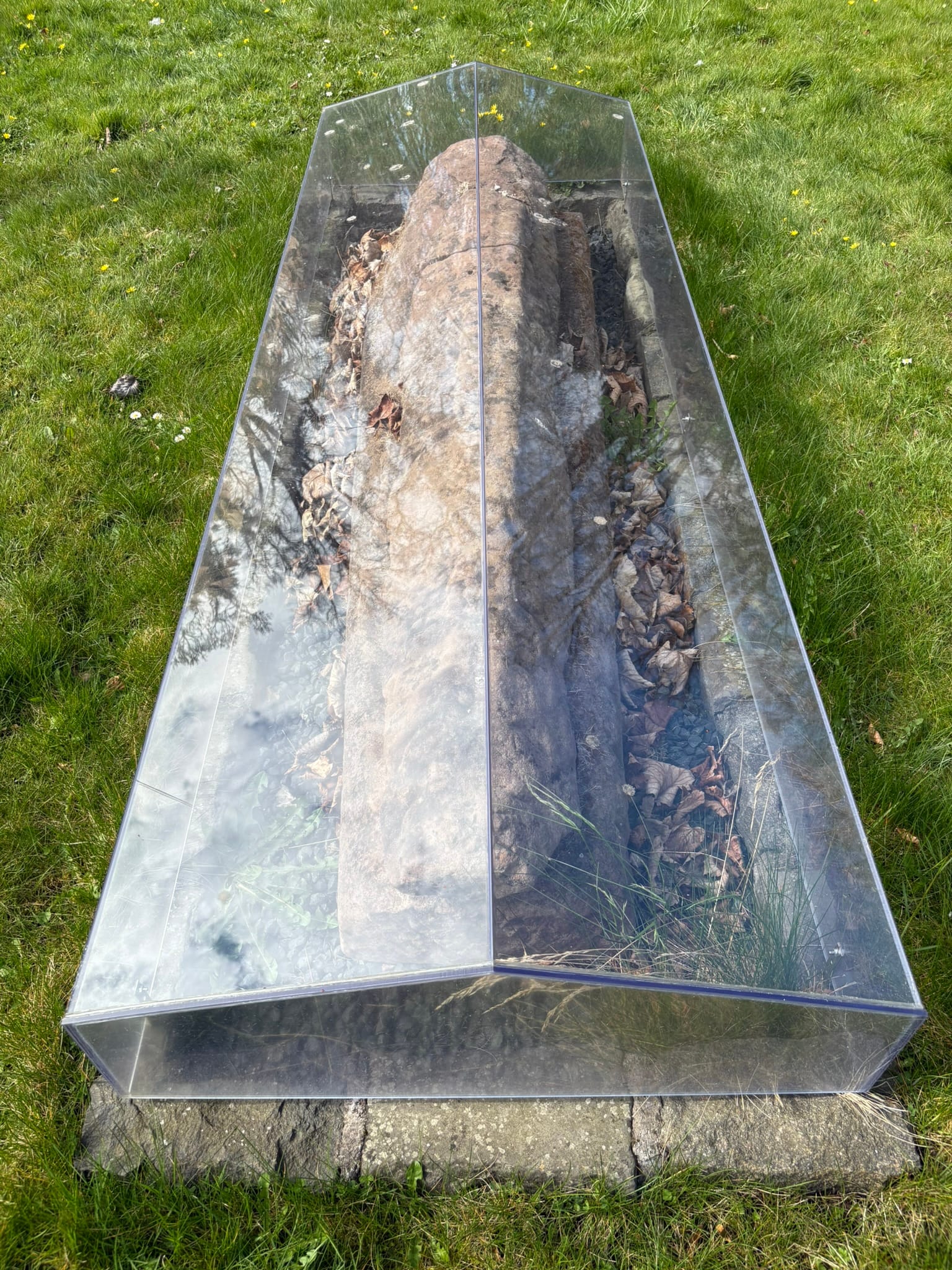
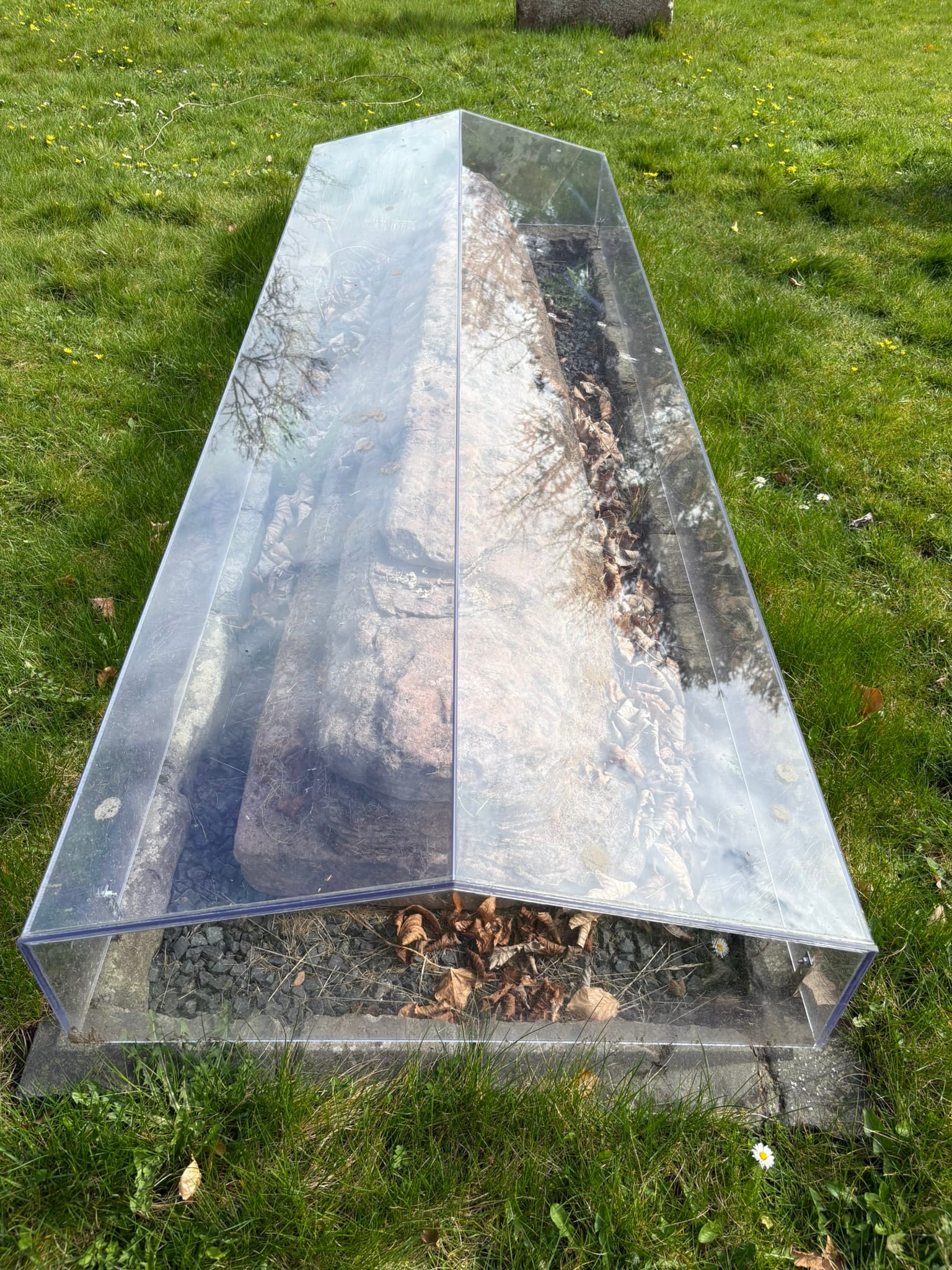
As one of only seven hogback stones in the Scottish Borders, the Ancrum stone whispers of Norse influence that lingered from the 9th to the 12th centuries.
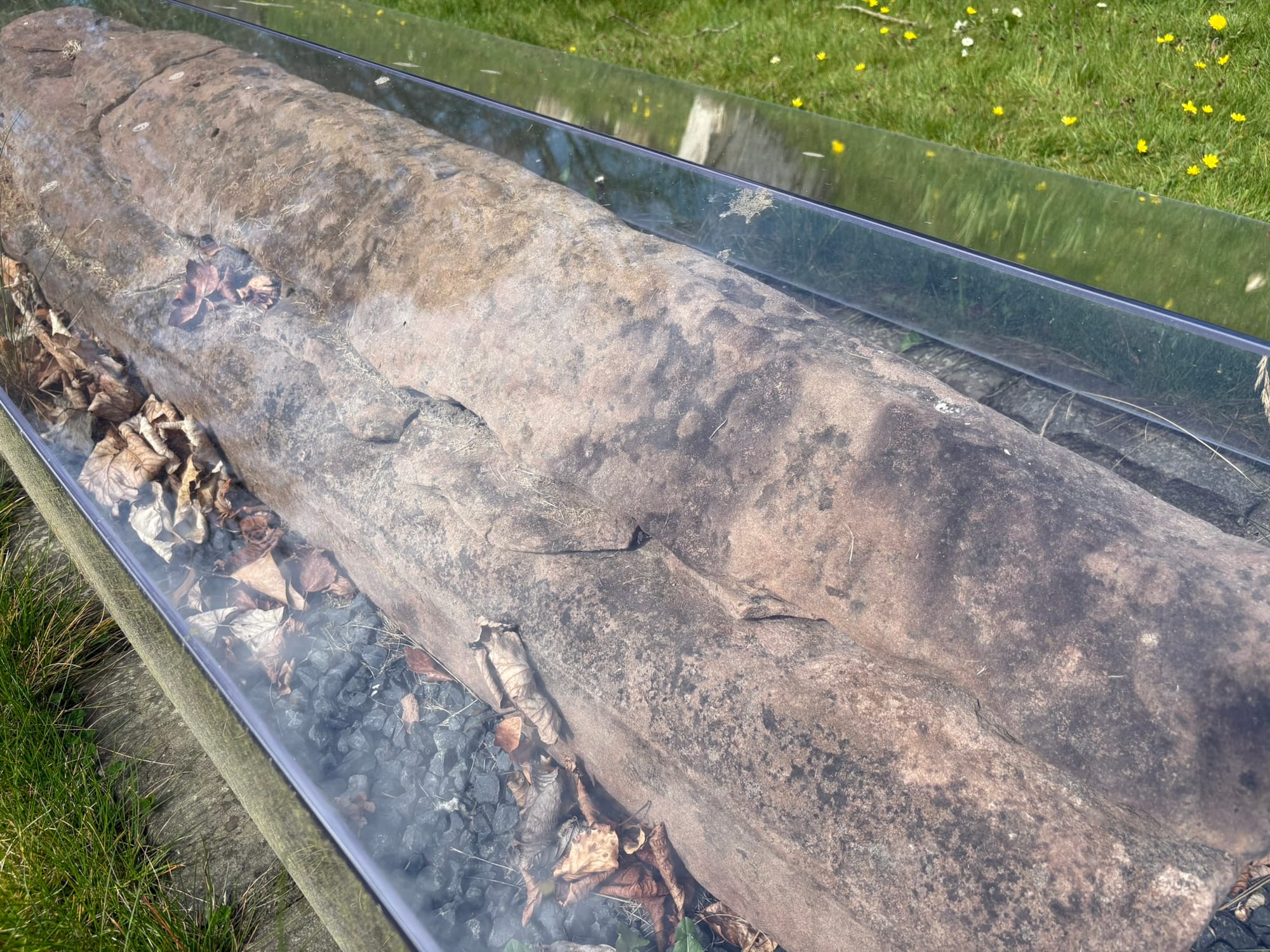
Carved from local red sandstone, it stretches two meters, its roof-like shape and intricate patterns conjuring the image of ancient shingles weathered by time.
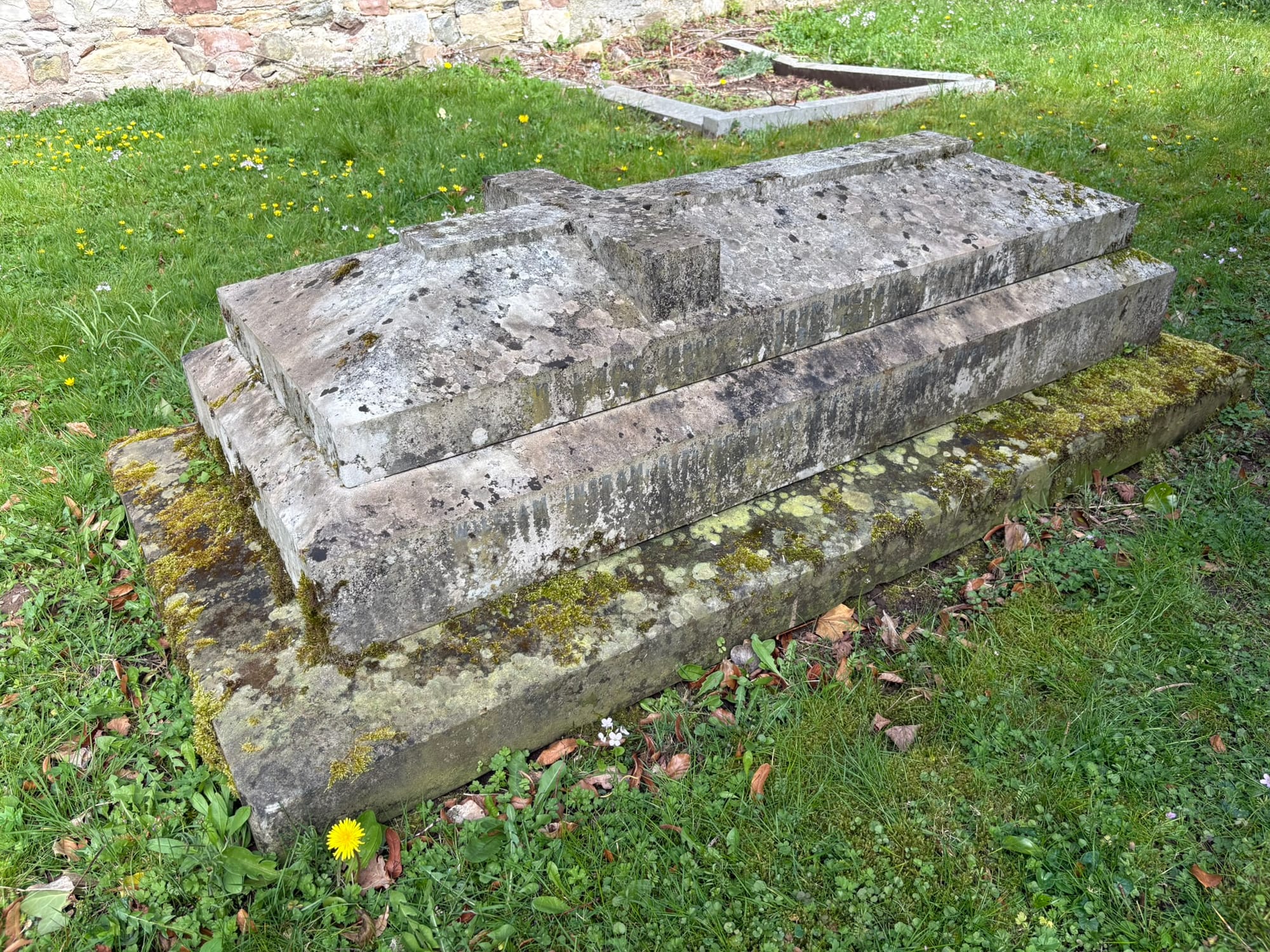
William Rutherford died on 21 February 1899 at 14 Douglas Crescent in Edinburgh. Since he was unmarried and had no children, he was buried with his parents in the Ancrum parish churchyard. Rutherford taught at the University of Edinburgh during the time Arthur Conan Doyle was a medical student there.
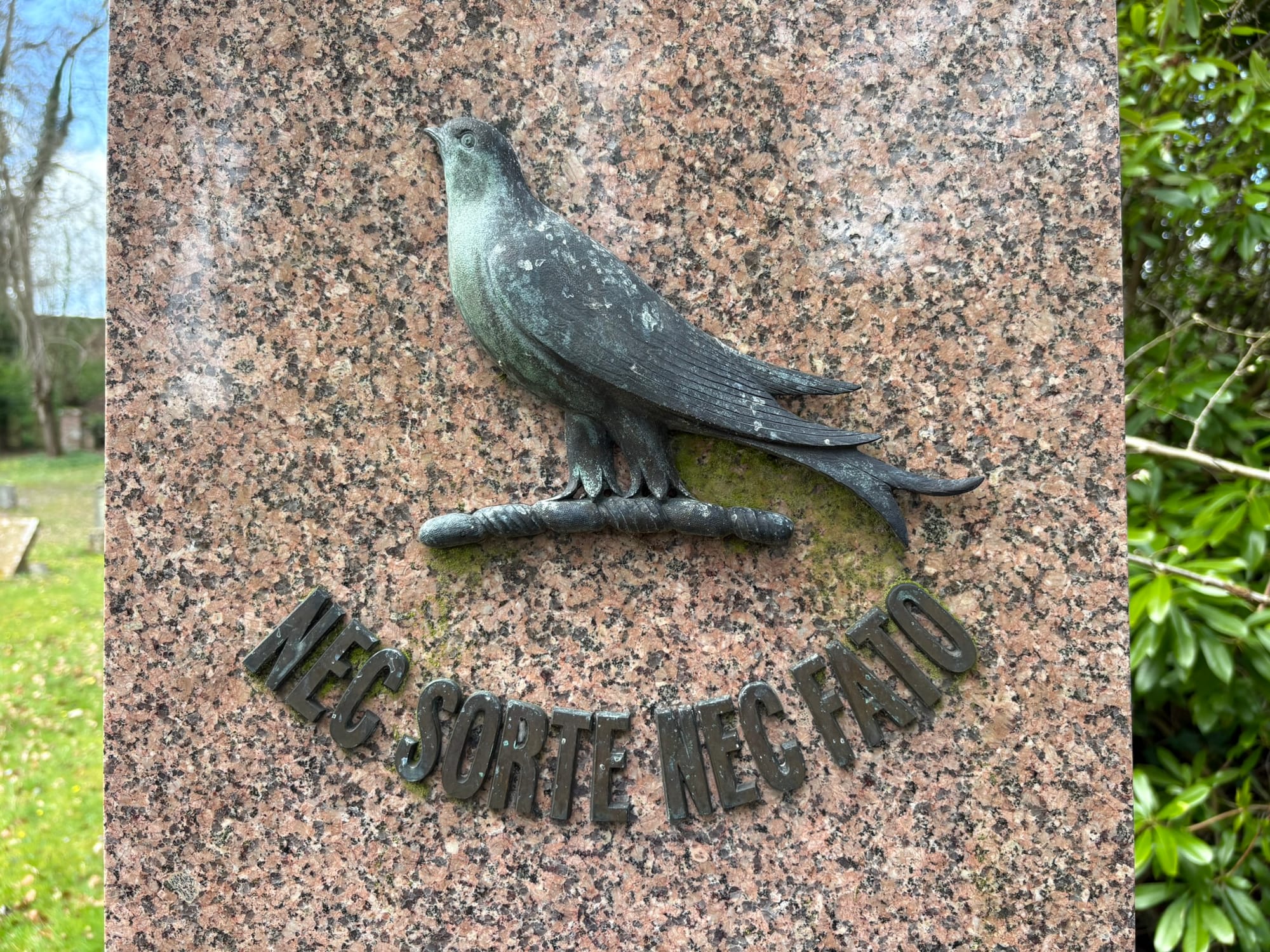
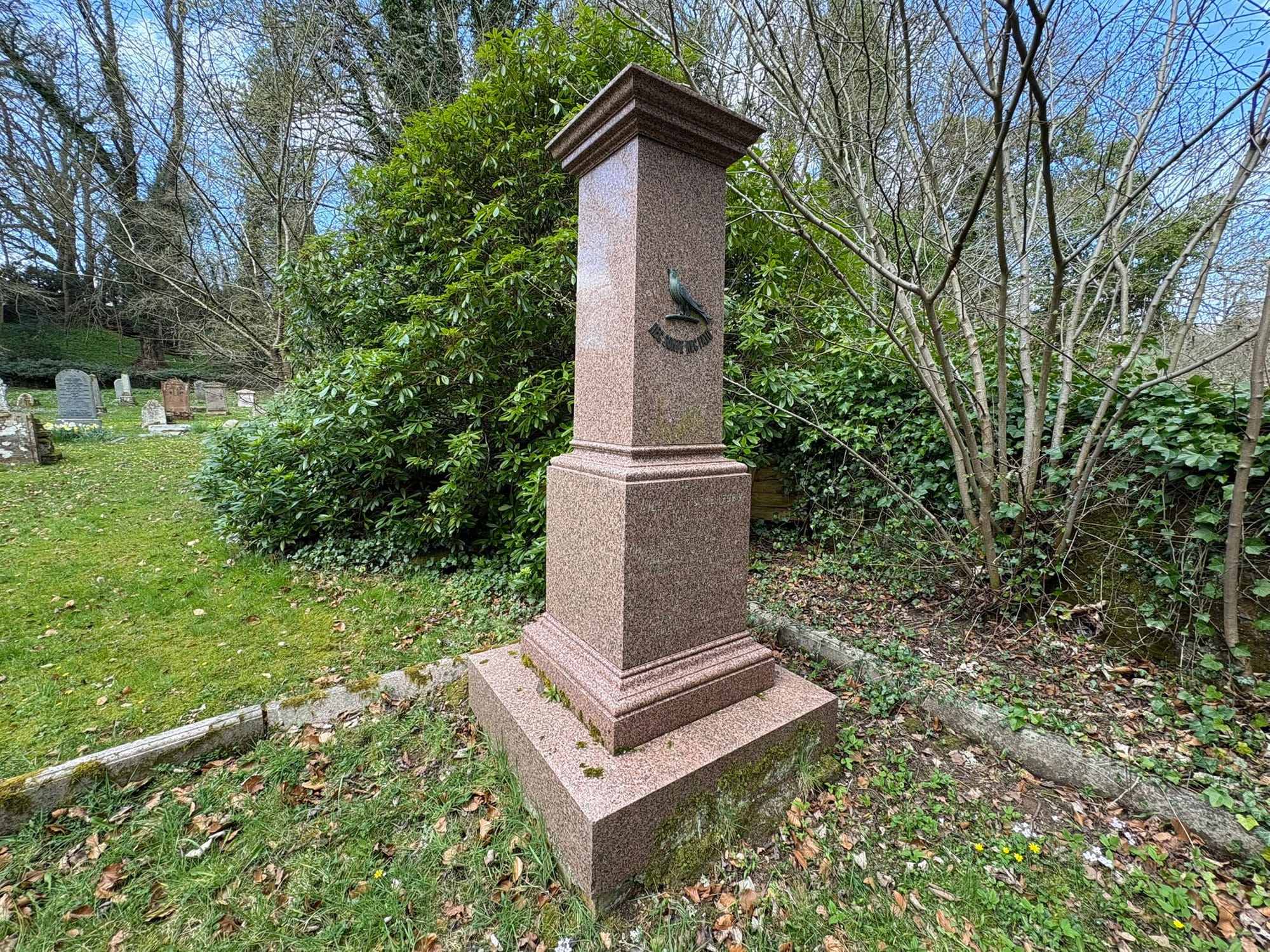
Just as Sherlock Holmes was inspired by a real person, Conan Doyle partly based the character of Professor Challenger on Rutherford. One of Rutherford’s works is titled On the morbid appearances met with in the brains of thirty insane persons, published in 1869.
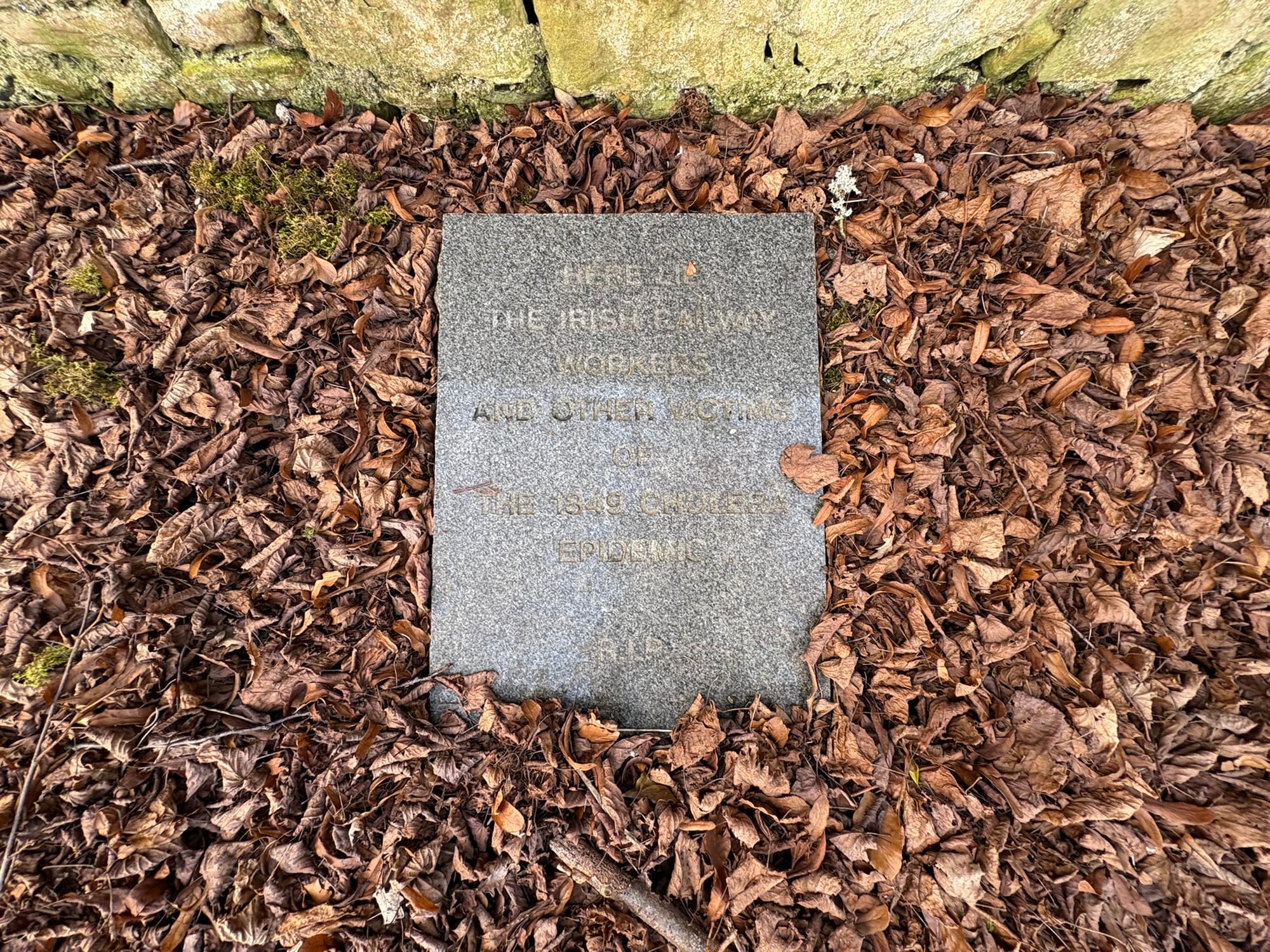
Local history and community records reveal a sombre chapter in Ancrum’s past: a cholera pit rests quietly behind Old Ancrum Church, nestled within the graveyard. Here lie the remains of those lost to a cholera epidemic that swept through during the building of the Waverley railway line in the late 1840s.
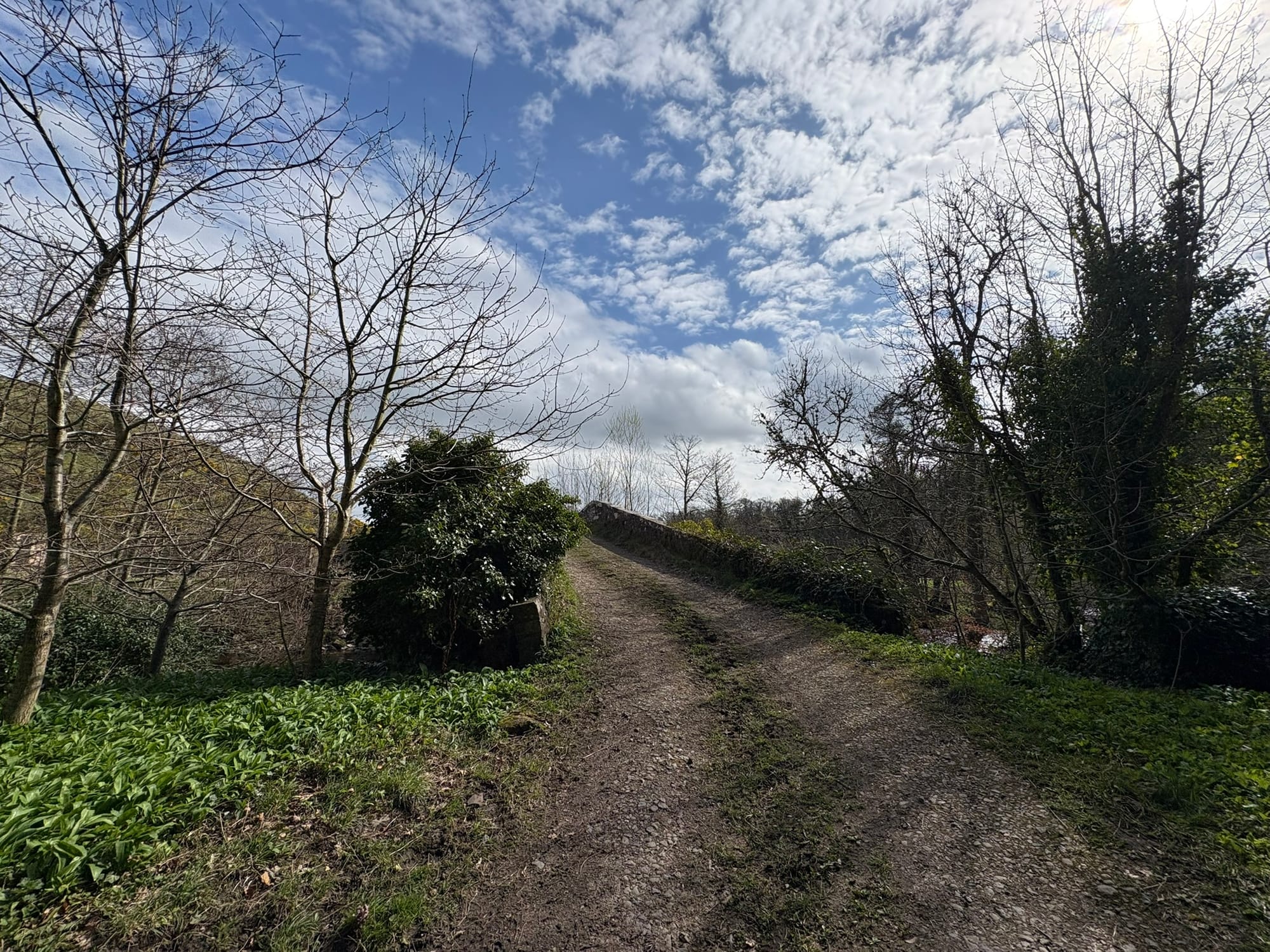
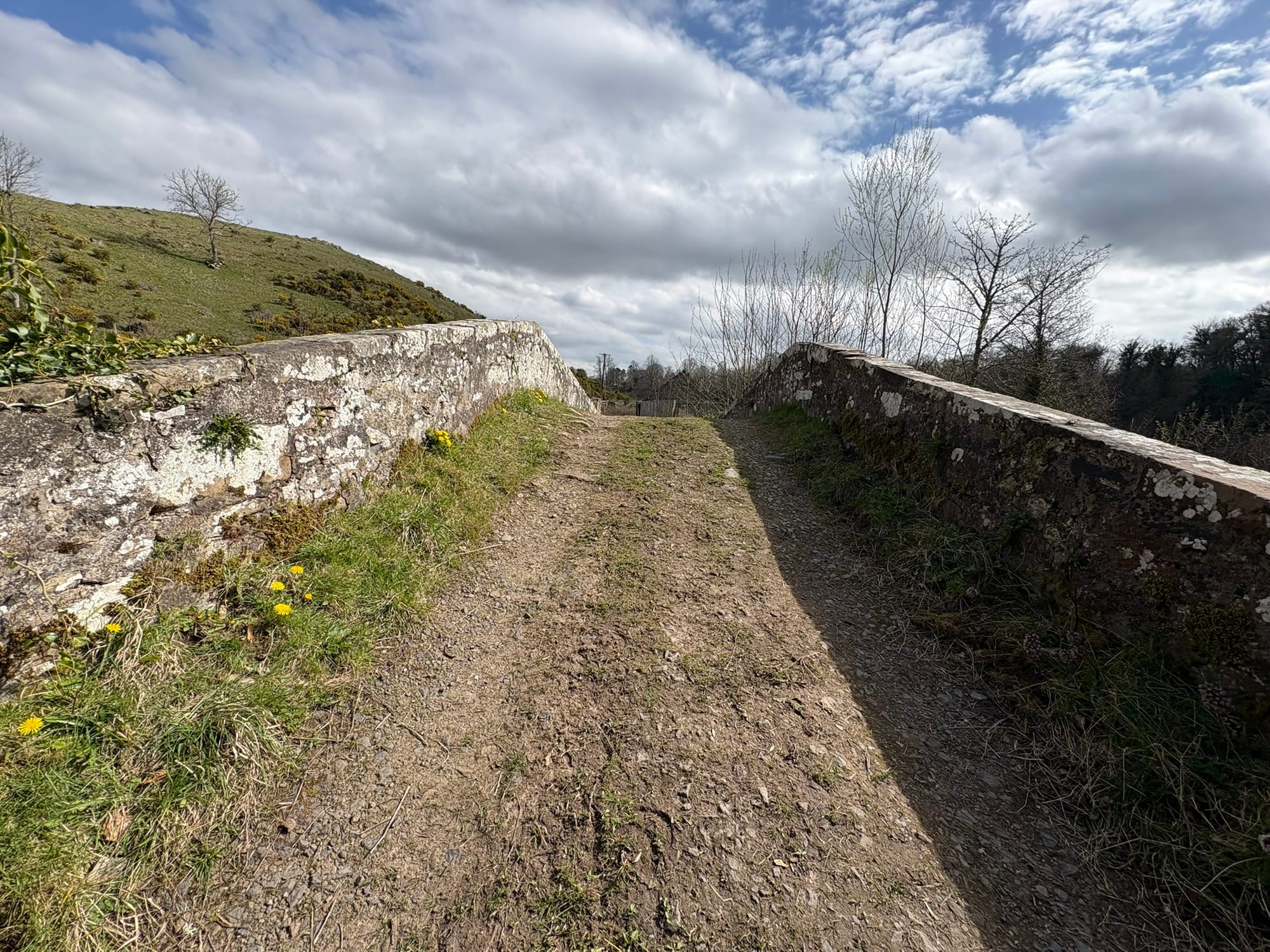
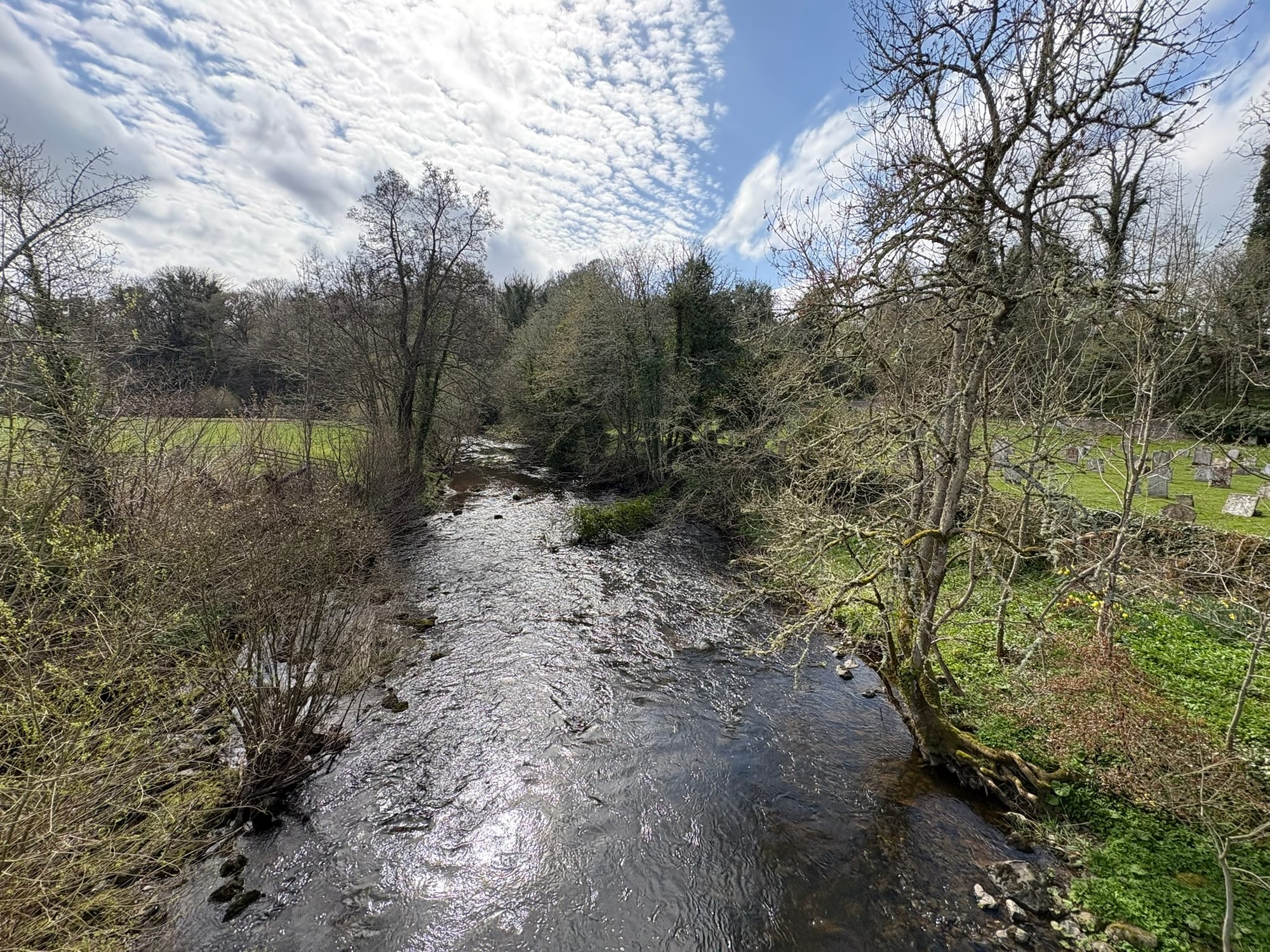
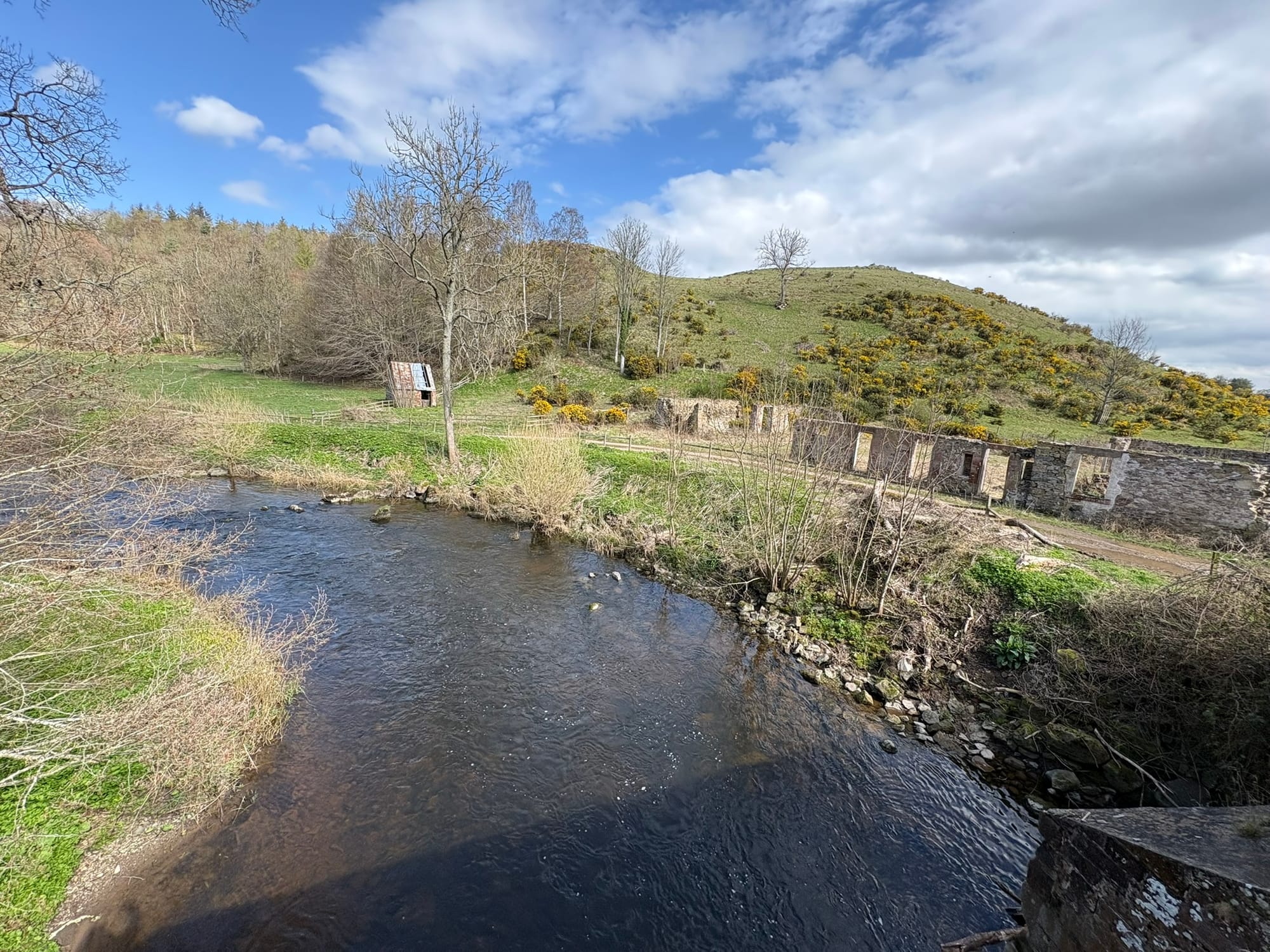
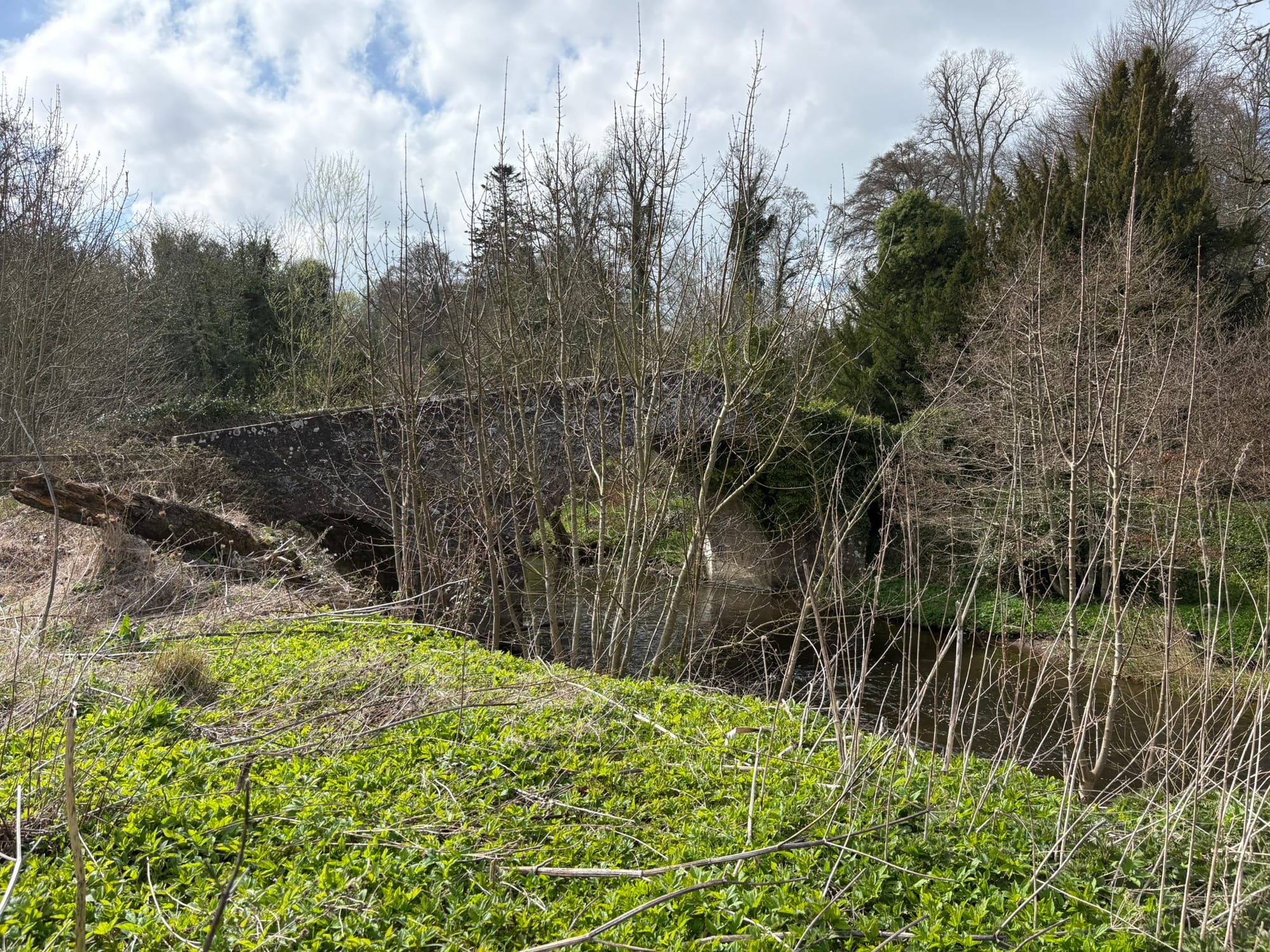
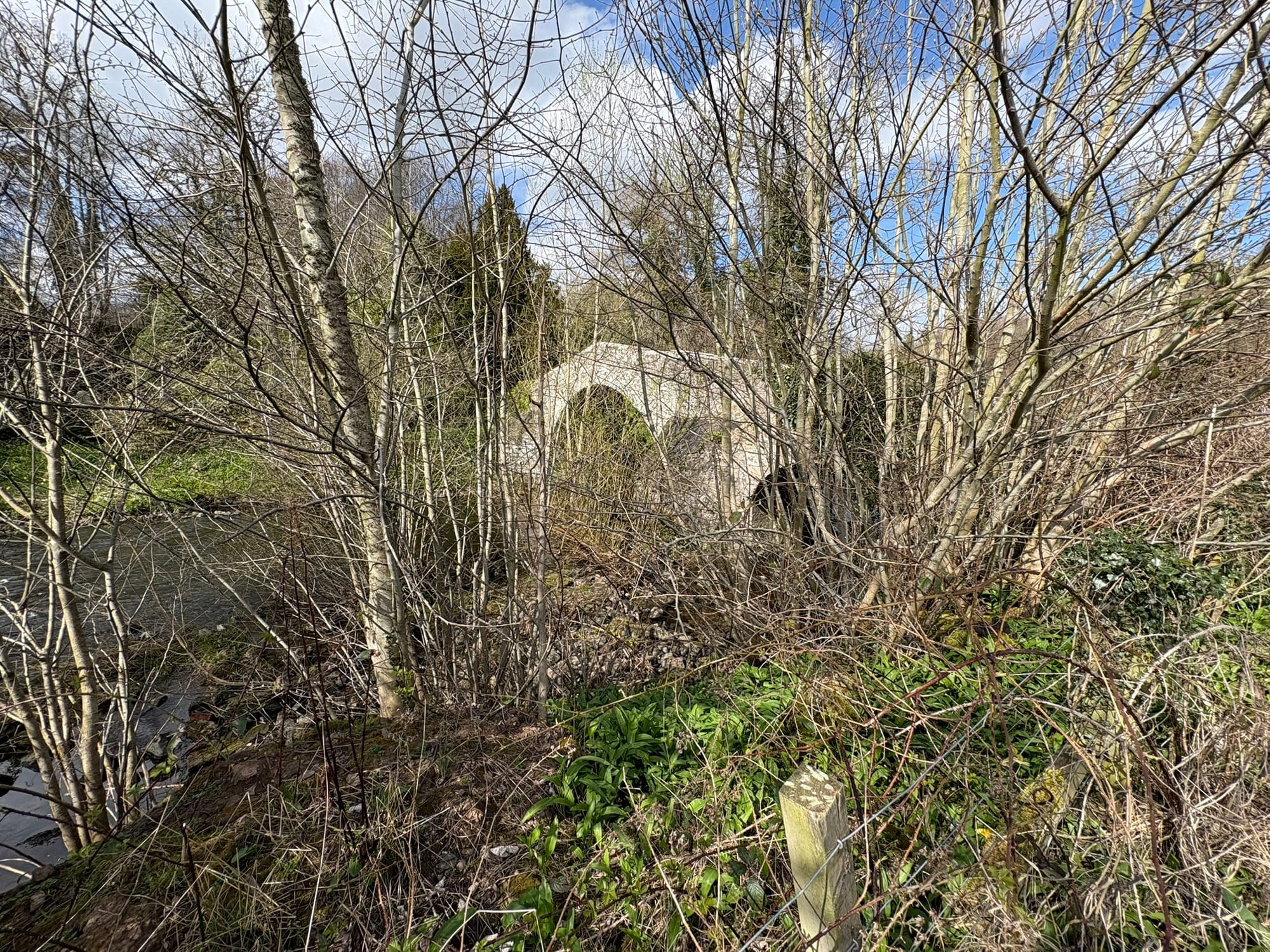
Ancrum Old Bridge, also known as the Toll Bridge, has stood since 1784. Beneath its arches, the ghostly remains of a medieval bridge lie hidden underwater.
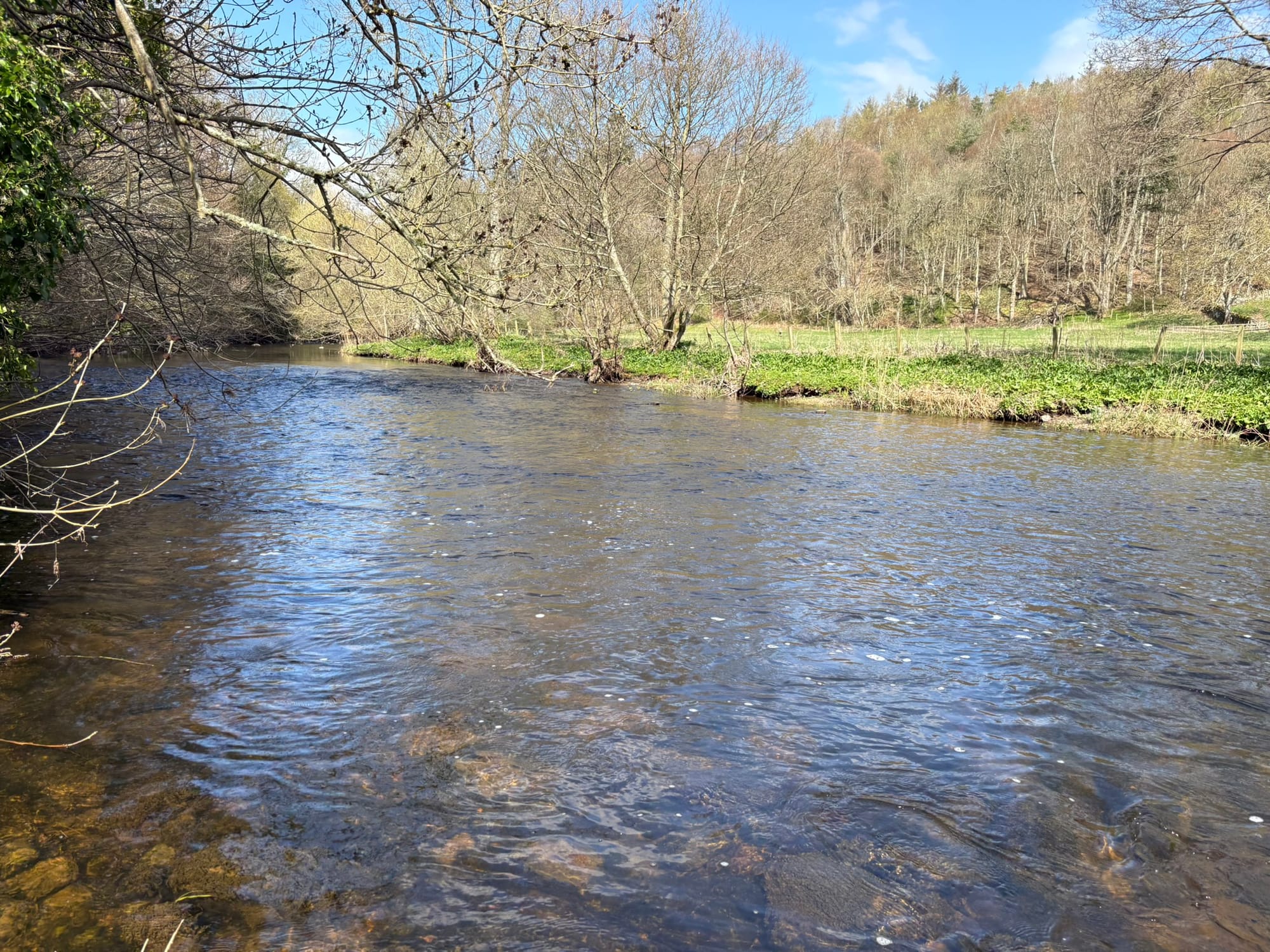
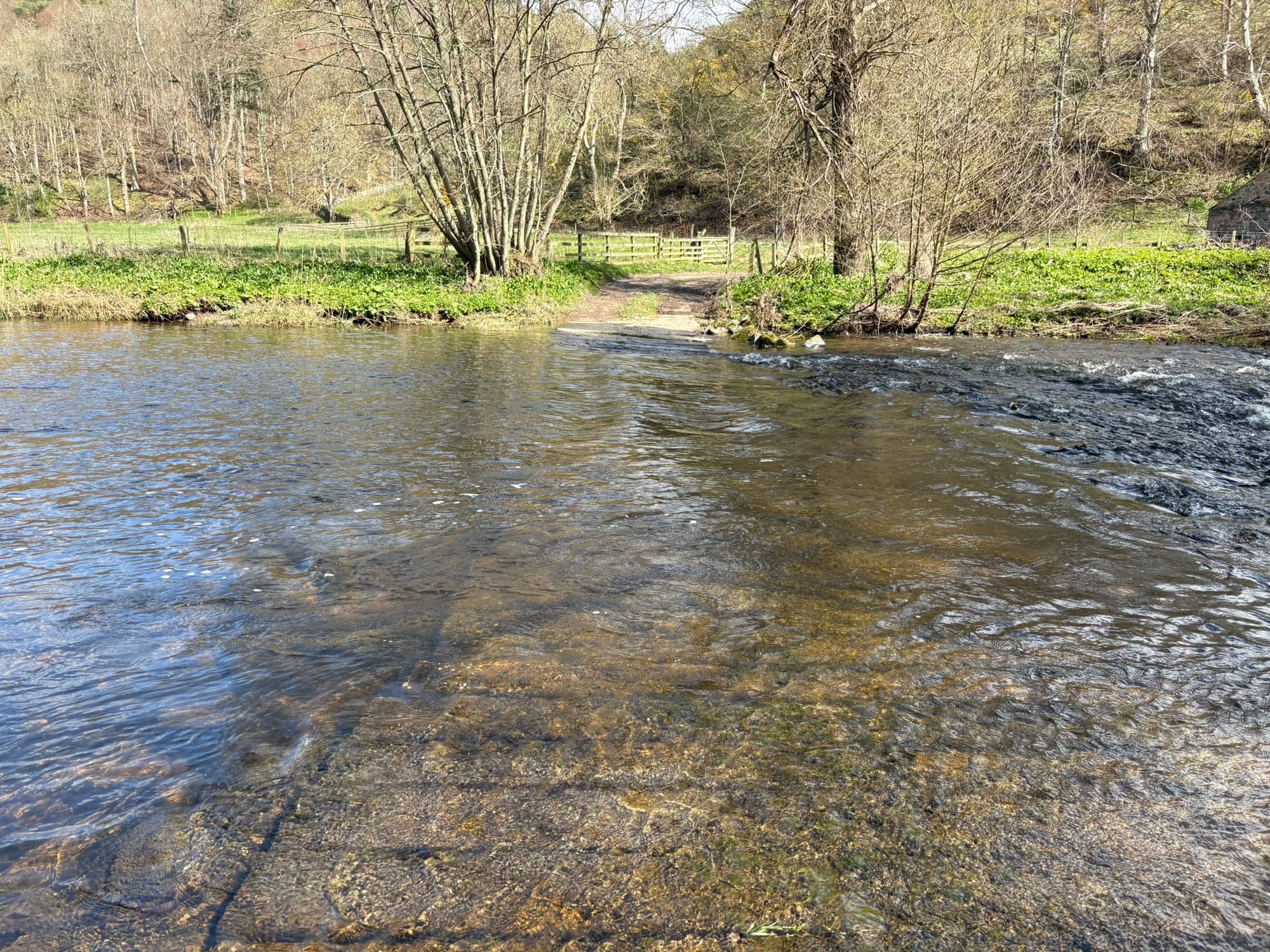
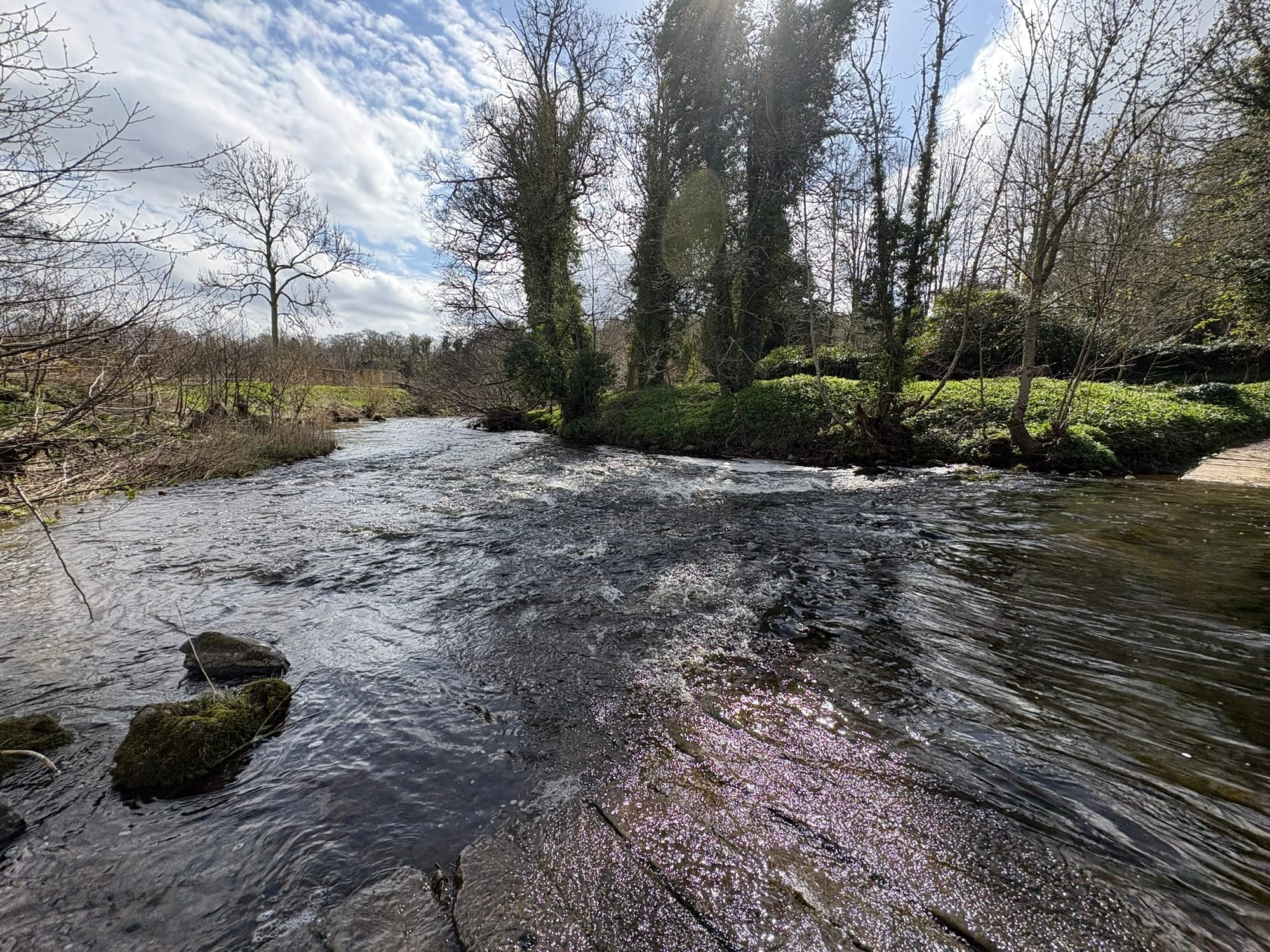
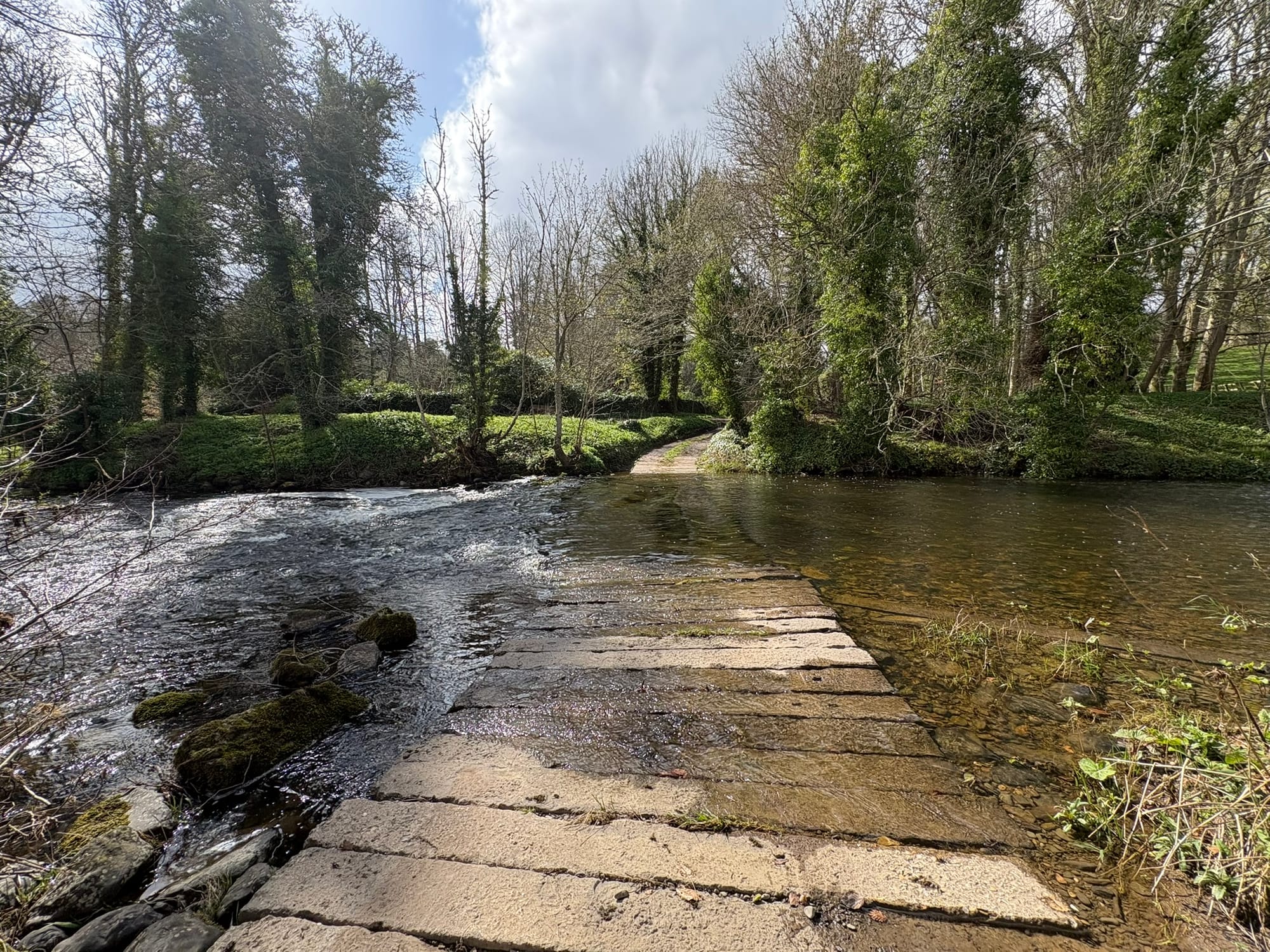
Charlie and I navigated this stretch of the crossing, eager to see how our Freelander 1 would handle the challenge. It pulled through, and so did we.
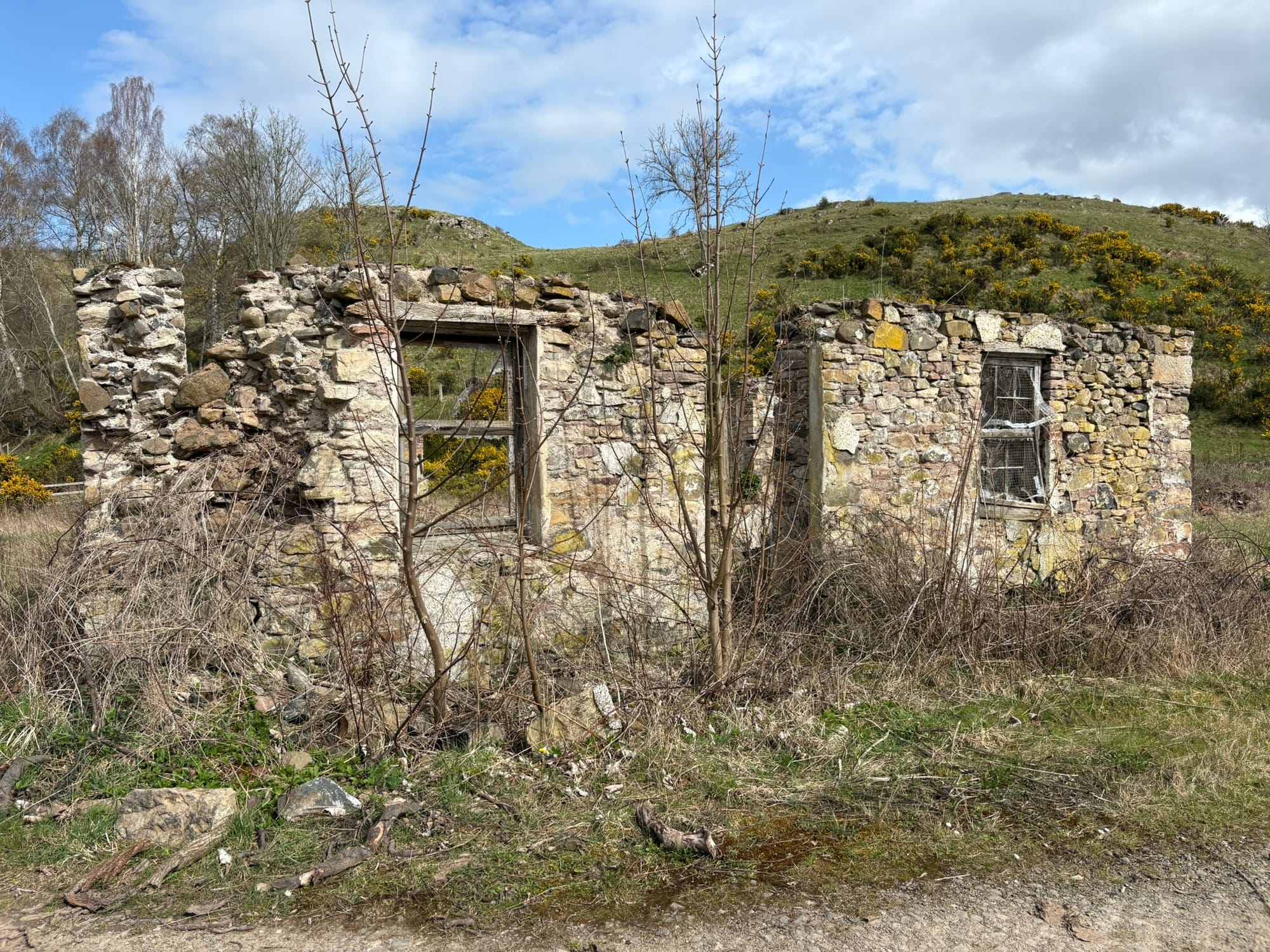
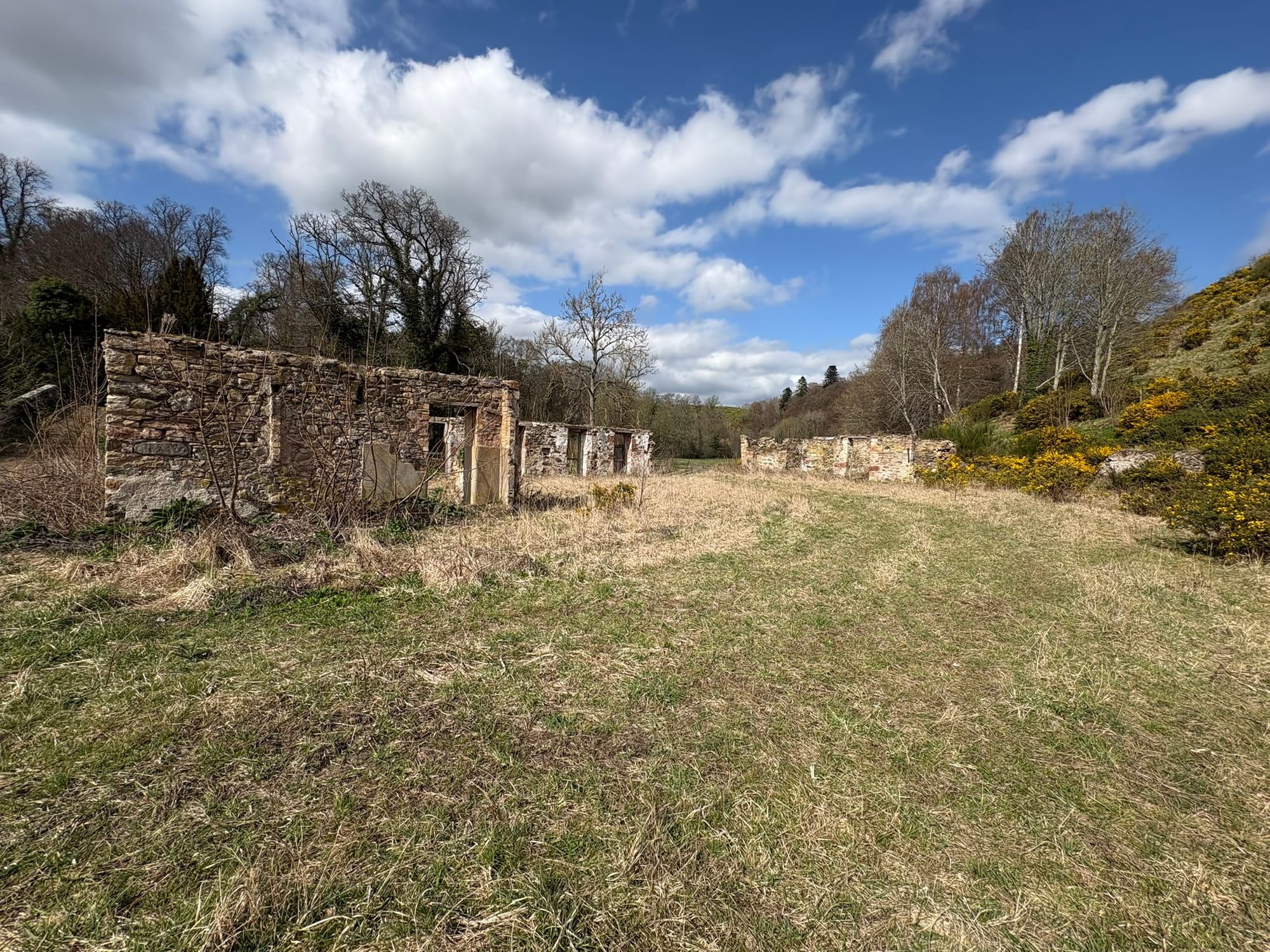
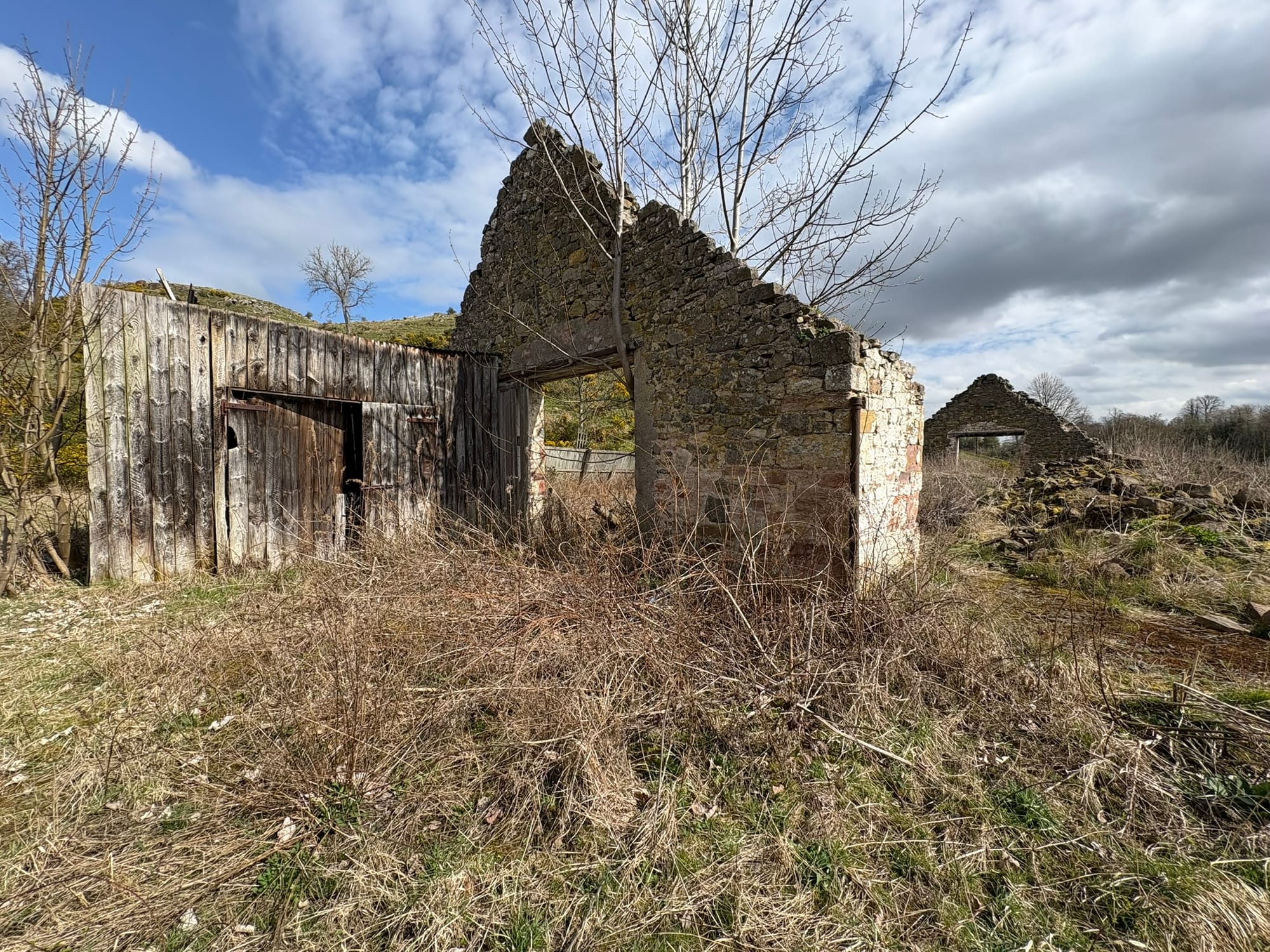
Maybe ruins of an abandoned farmstead?
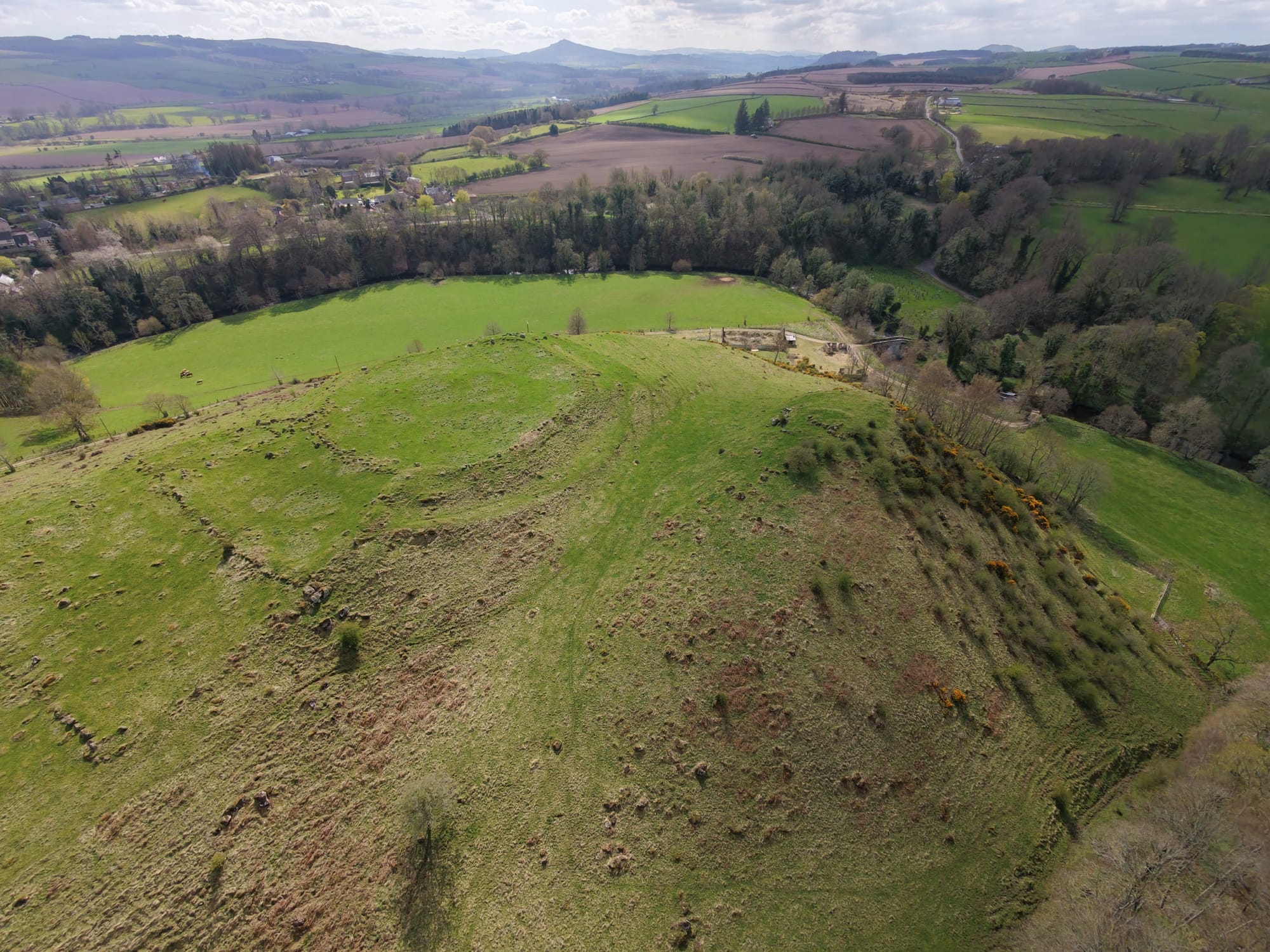
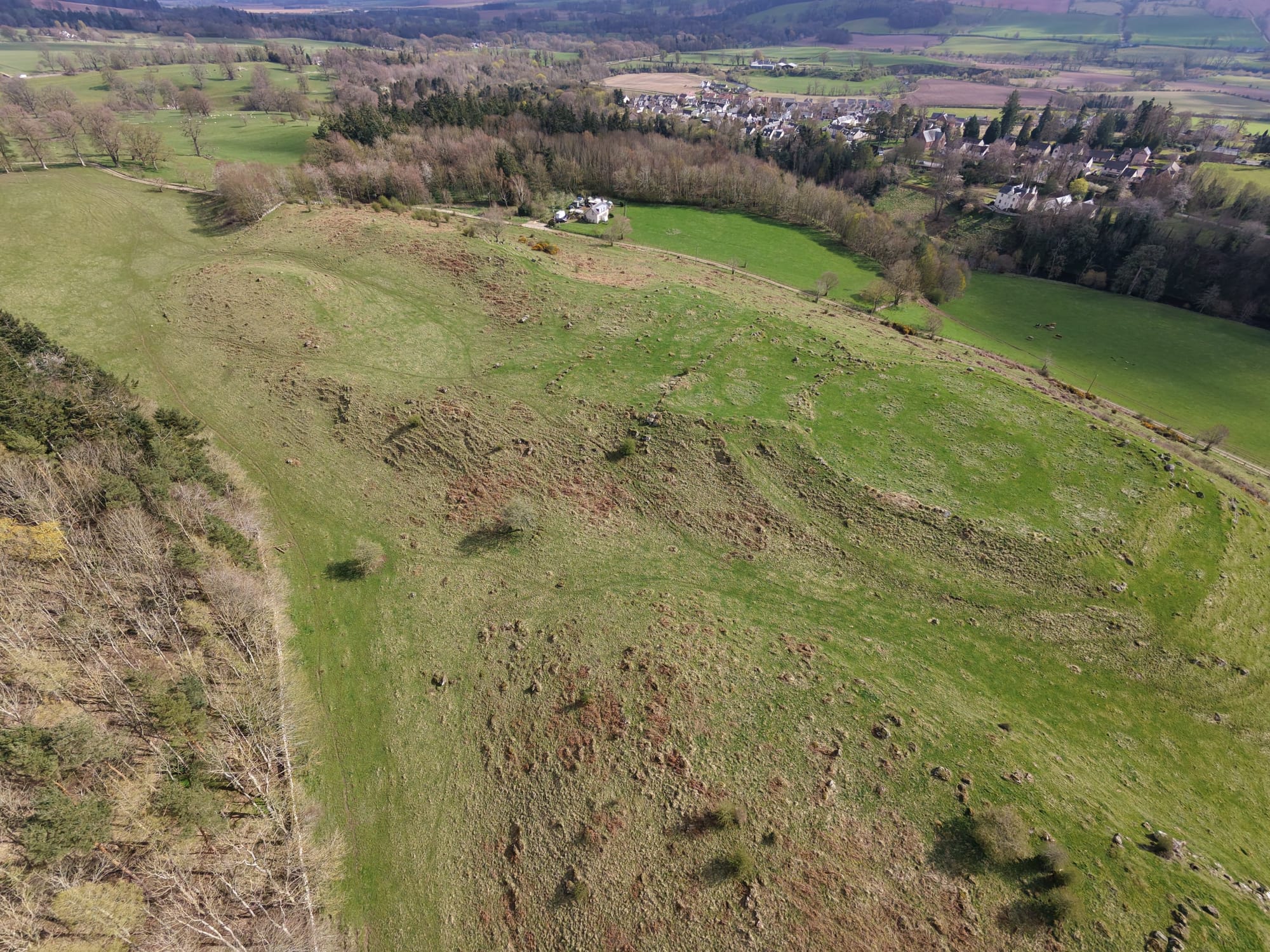
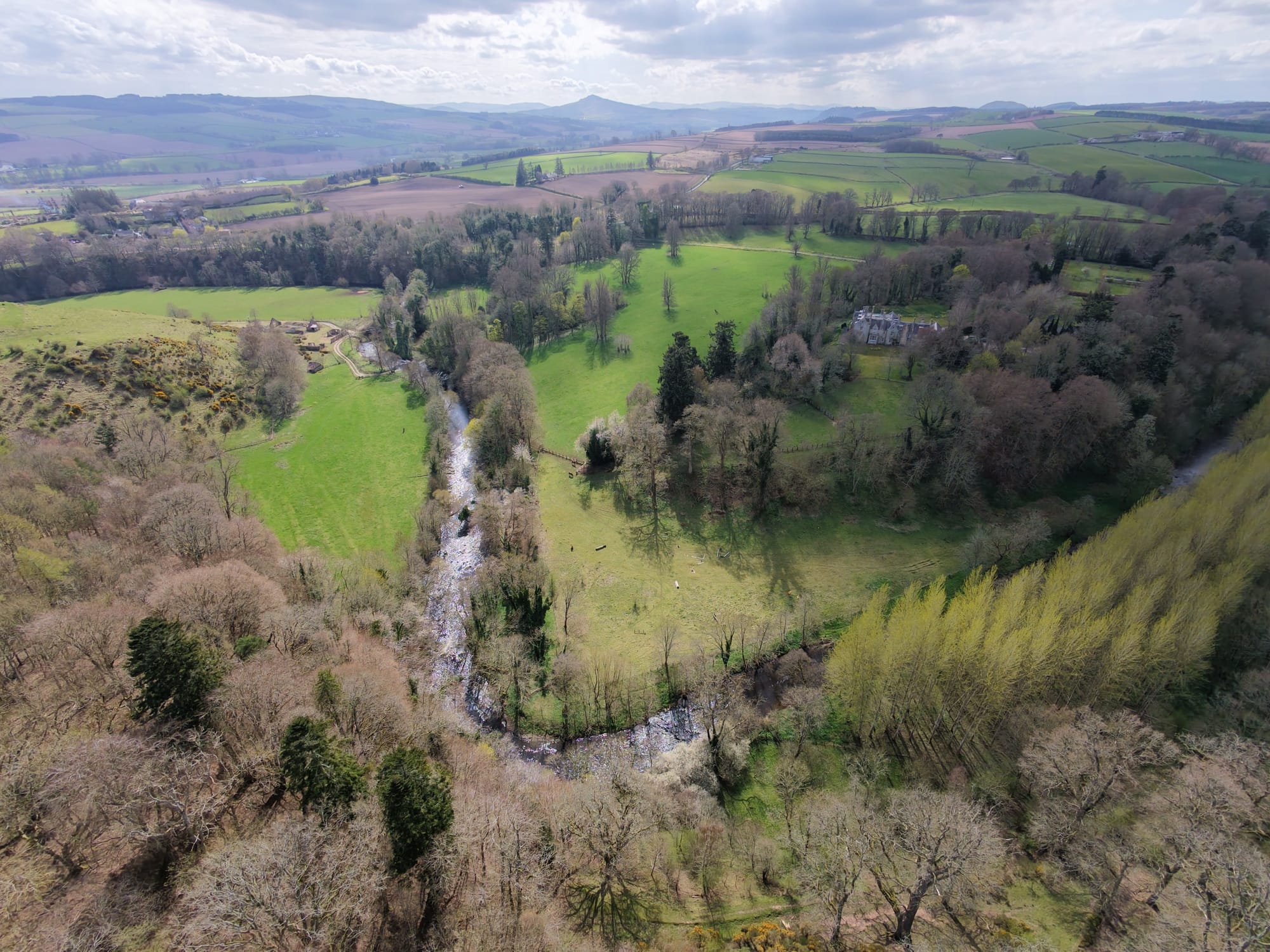
Tension hung in the kirkyard, while the cliffs loomed overhead, keeping a silent vigil just as intently as the passing locals. I set out to capture material for a blog post and a scene in my new Ancrum film, but the locals eyed me with suspicion.
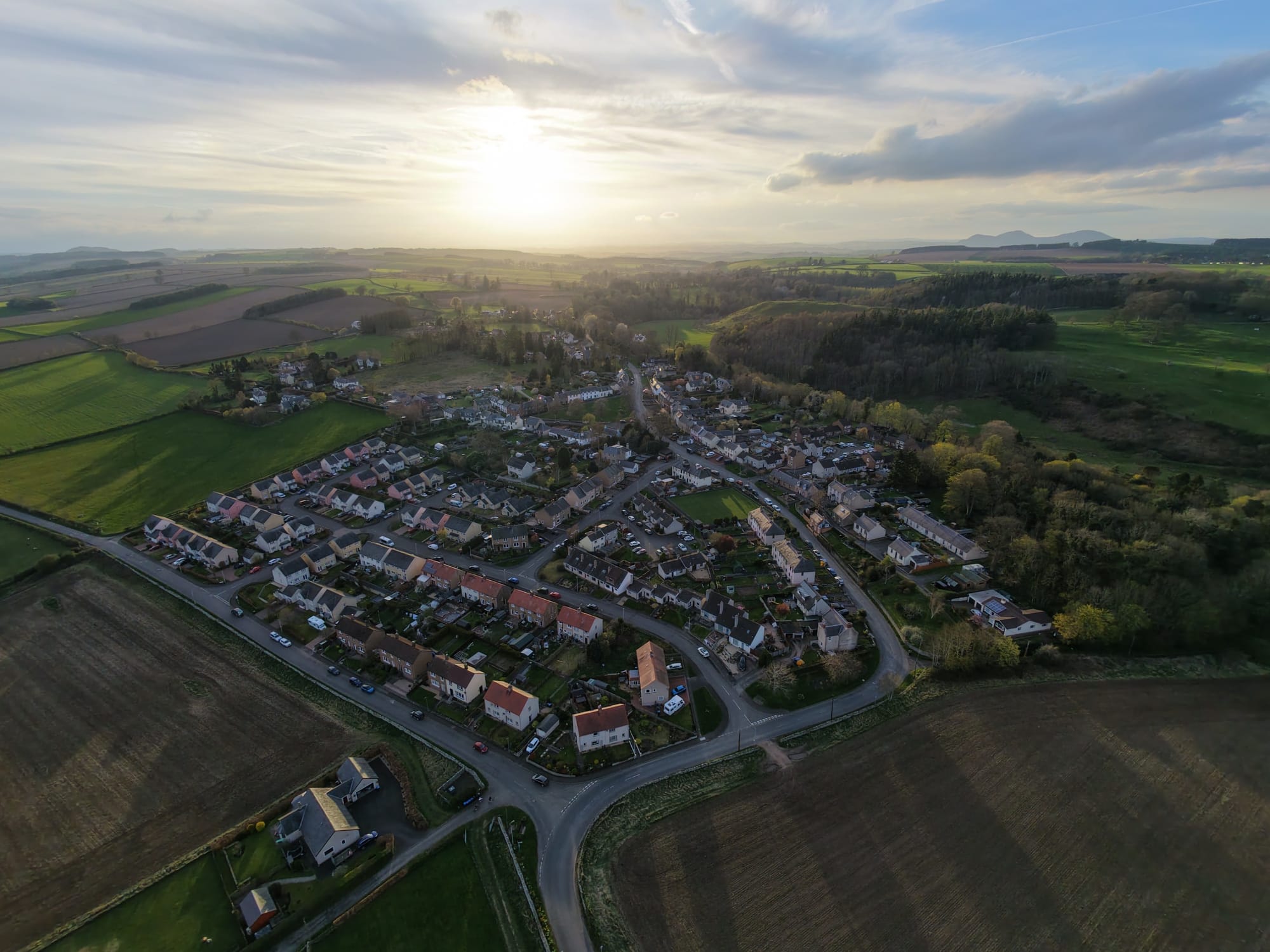
One woman even wandered through the kirkyard, searching for anything out of place. In this village, contempt never fails to surprise me with its endless creativity. Just being here feels like it invites suspicion. There is a deep unfairness in watching our police, laws, courts, and even our most basic rights being brushed aside and ridiculed by others. But that's what "everybody" wants, right?